EN
EN



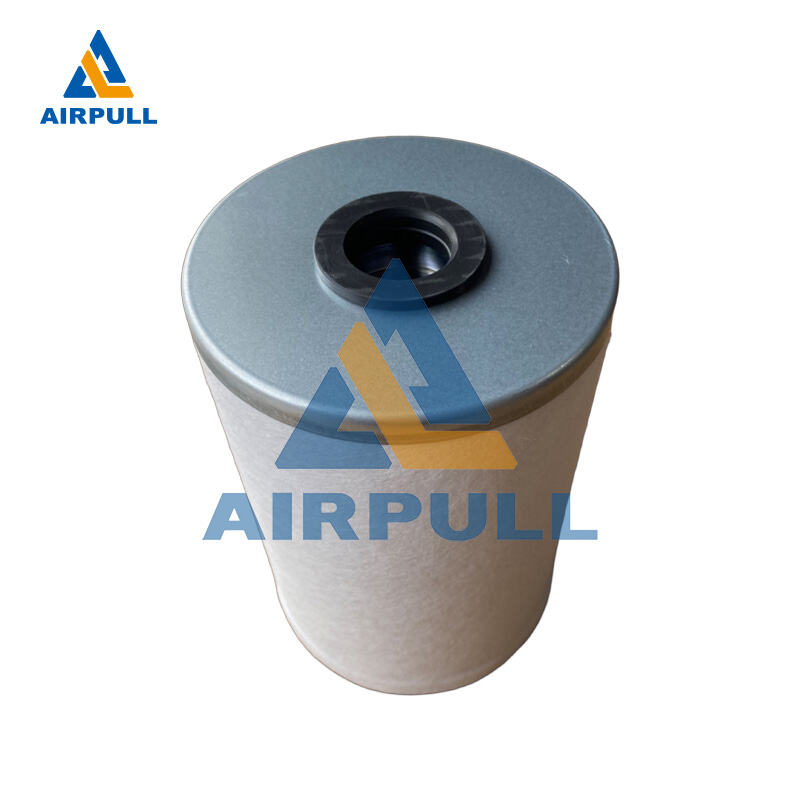
Installing an air separator correctly is not just a maintenance task; it is a reliability decision that affects oil carryover, downstream air quality, and compressor operating cost. In most industrial compressed air systems, the air separator for air compressor is the critical barrier between compressed air and lubricating oil, so installation quality directly influences service life and system stability. A poor fit, wrong torque sequence, or contaminated housing can shorten separator life long before the expected interval.
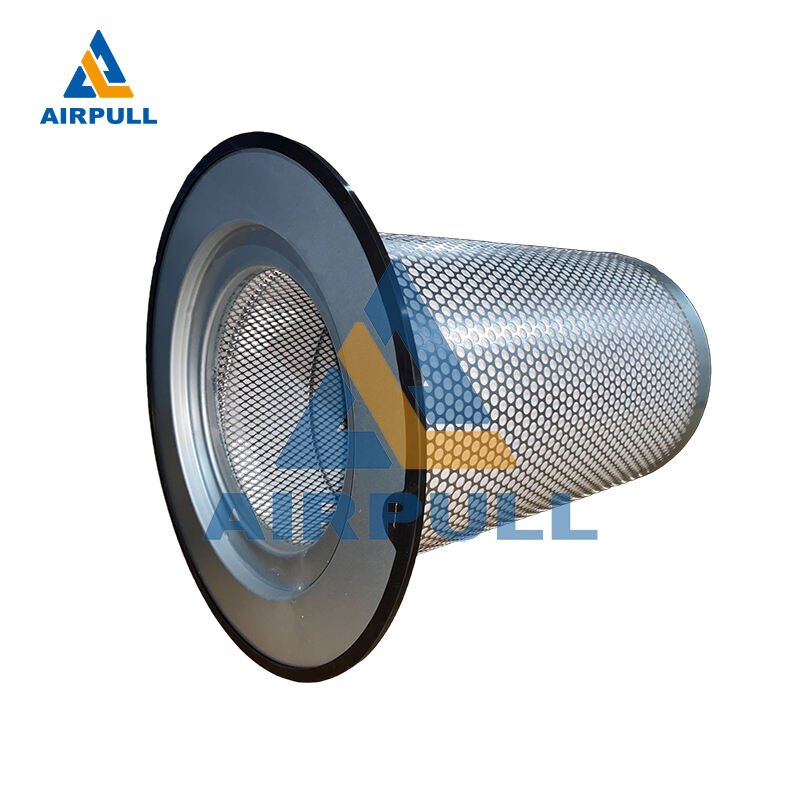
This guide explains how to install an air separator for air compressor step by step, with practical checks used in real B2B maintenance environments. You will see how to prepare the machine, remove the old element, seat the new air separator for air compressor, and verify post-installation performance without guesswork. The focus is on controlled execution so the new separator performs as designed from the first startup cycle.
Prepare the Compressor and Work Area for a Controlled Installation
Shut down, isolate energy, and release pressure fully
Before touching the separator vessel, stop the compressor through normal shutdown and apply site lockout and tagout procedures. Isolate electrical power, then confirm stored pressure is released from the oil tank and relevant lines. Installing an air separator for air compressor in a pressurized vessel is unsafe and can damage seals during disassembly.
Wait for temperature to drop to a safe handling range, because hot oil residue can distort judgment and increase contamination risk. A cooled system also gives better gasket seating when the new air separator for air compressor is installed. This first stage is often rushed, but it is where most avoidable errors begin.
Clean external surfaces and verify replacement compatibility
Wipe dust and oil film around the separator cover before opening the housing. Any debris dropped into the vessel can reduce the efficiency of the new air separator for air compressor and accelerate pressure drop. Keep lint-free cloths and a clean tray ready for fastener management.
Confirm model dimensions, sealing points, and rated operating conditions against your compressor documentation. A visually similar part may still have different media structure, which can affect how the air separator for air compressor performs under load. If you are sourcing a replacement unit, this specification match is the key control point, not appearance alone.
For teams standardizing procurement, keeping one approved source for air separator for air compressor helps reduce fitment variability across maintenance shifts. Consistent part data improves installation repeatability and service records.
Remove the Old Separator Without Damaging the Housing
Open the separator assembly with an even loosening sequence
Loosen cover bolts gradually in a cross pattern to avoid uneven stress on the flange. Sudden one-side release can warp mating surfaces and create future sealing issues for the next air separator for air compressor. Place bolts in order so reassembly torque application stays controlled.
Once open, inspect for signs of oil foaming, burnt odor, or sludge near the element base. These clues often explain why the previous air separator for air compressor failed early. Recording these observations helps maintenance teams correct root causes rather than repeating part replacement cycles.
Extract the element carefully and inspect the seating area
Lift out the old element without scraping the housing wall or center tube. Mechanical scratches can weaken sealing contact and compromise how the new air separator for air compressor seats under pressure. If the old gasket sticks, remove it completely without using aggressive tools that gouge metal surfaces.
Check the seating face for residue, corrosion, or deformities, then clean it to a dry, particle-free condition. Even small contamination points can create bypass paths around the air separator for air compressor. A clean seat is not cosmetic; it determines whether separation efficiency reaches expected operating values.
Install the New Separator with Correct Fit, Seal, and Torque
Position the element and align all sealing interfaces
Place the new air separator for air compressor into position according to the vessel orientation and center alignment. Ensure the gasket lands flat on the seating face with no twists or folded edges. Misalignment at this stage may not leak immediately, but it often appears as unstable differential pressure after startup.
Where design requires a minimum oil film on O-rings, apply only the specified amount to prevent seal drag during tightening. Over-lubrication can attract dust and reduce seating precision around the air separator for air compressor. Use only approved lubricants compatible with compressor oil chemistry.
Tighten fasteners to specification and recheck compression balance
Install the cover and tighten bolts in stages using a cross pattern, following the torque value from the compressor manual. Uneven torque can distort the cover and load the air separator for air compressor unevenly. In B2B operations with multiple technicians, using a documented torque sequence prevents variation between shifts.
After final torque, perform a visual perimeter check to confirm uniform gasket compression. This quick step catches installation drift before restart and protects the new air separator for air compressor from premature stress. Good installation practice is repeatable, not technician-dependent.
Commission the Compressor and Validate Installation Quality
Restart in a staged manner and monitor initial indicators
Start the compressor at low demand if your process setup allows staged loading. Watch for abnormal vibration, external leaks, or rapid pressure fluctuations during the first run window. A properly installed air separator for air compressor should stabilize quickly without sudden differential pressure spikes.
Track oil carryover indicators downstream and compare with baseline readings from prior healthy operation. If carryover rises immediately, recheck seating and sealing before assuming media fault in the air separator for air compressor. Early verification prevents longer production exposure to contaminated compressed air.
Document baseline values for future predictive maintenance
Record installation date, operating hours, line pressure, temperature, and initial differential pressure after stabilization. These values become the benchmark for evaluating future performance of the air separator for air compressor. Without baseline data, replacement timing becomes reactive instead of planned.
In industrial facilities, maintenance software entries should also include technician notes on housing condition and removed element state. This historical trail helps identify whether repeated air separator for air compressor issues come from process conditions, oil quality, or installation technique. Better records lead to fewer unplanned shutdowns and more reliable cost forecasting.
Troubleshooting Early Problems After Installation
Address high differential pressure right after replacement
If pressure drop is high immediately, first verify that transport caps, protective films, or packaging remnants were fully removed. Then confirm the air separator for air compressor matches design flow and pressure class. Incorrect specification is a common cause of instant restriction in otherwise clean systems.
Next, inspect for over-torqued covers or pinched gaskets that deform flow channels. A distorted installation can make a new air separator for air compressor behave like a partially blocked element. Correcting mechanical fit usually resolves this faster than repeated part swaps.
Resolve oil carryover and unstable operation signals
Persistent oil carryover after correct installation often points to system-level conditions such as excessive oil level, incorrect return line function, or unsuitable operating temperature profile. The air separator for air compressor cannot compensate for every process imbalance. Diagnose the full oil-air circuit before replacing parts again.
If operation remains unstable, inspect venting, minimum pressure function, and control cycling frequency. Frequent load-unload swings can stress the air separator for air compressor and mask the real issue as separator failure. Stable controls and proper oil management are essential partners to correct separator installation.
FAQ
How long does it take to install an air separator on a compressor?
In a prepared industrial setting, replacing an air separator for air compressor typically takes one to three hours, depending on vessel access and cooling time. Most delays come from isolation, depressurization, and cleaning rather than the physical swap. Scheduling enough safe shutdown time improves first-time installation quality.
Can an air separator be installed without draining all compressor oil?
Many systems allow air separator for air compressor replacement without full oil drain, but oil level and vessel design must support safe opening conditions. Follow the compressor service manual and site procedures, especially for temperature and pressure control. Partial handling can work, but only when contamination risk is managed tightly.
What is the most common installation mistake that shortens separator life?
The most frequent issue is poor seating surface preparation before fitting the new air separator for air compressor. Residue, old gasket fragments, and uneven torque create bypass and stress that reduce service life quickly. Cleanliness and torque discipline usually have more impact than technicians expect.
How can maintenance teams confirm the new separator is working correctly?
Use early-run checks and baseline documentation: monitor leak-free operation, stable differential pressure, and acceptable downstream oil carryover after startup. A correctly installed air separator for air compressor should show predictable behavior within normal operating range. Capturing those baseline numbers makes future diagnostics faster and more accurate.