EN
EN



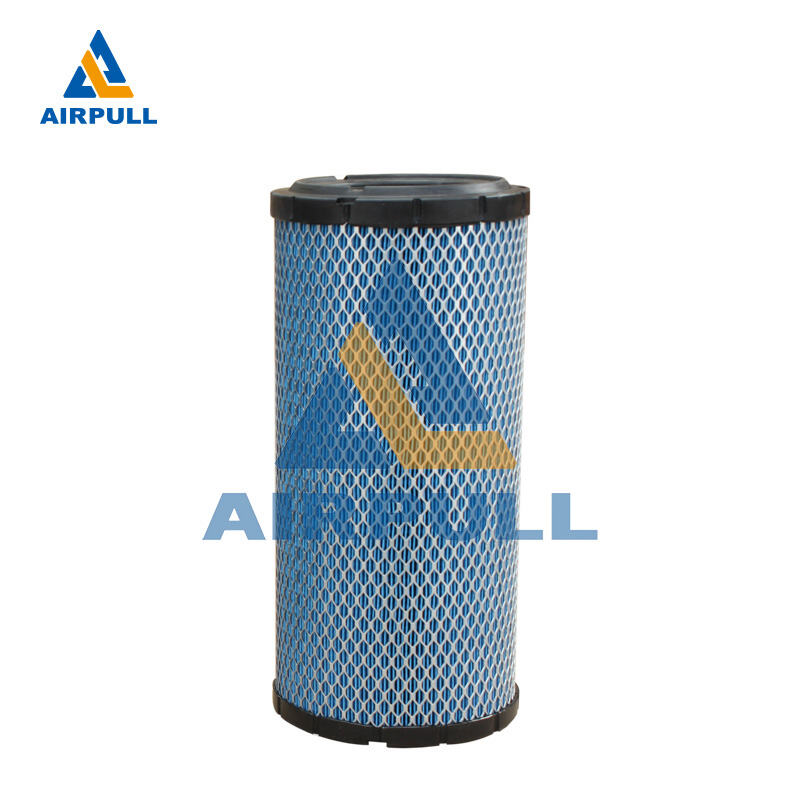
Changing an air compressor filter cartridge is a maintenance task that directly affects compressed air quality, energy consumption, and equipment reliability. In industrial settings, a delayed air compressor filter cartridge change can increase pressure drop, force longer compressor run time, and carry contaminants into downstream tools. The good news is that the process is straightforward when the shutdown, isolation, removal, and restart sequence is done in the right order. This guide explains exactly how to change an air compressor filter cartridge with practical shop-floor detail.
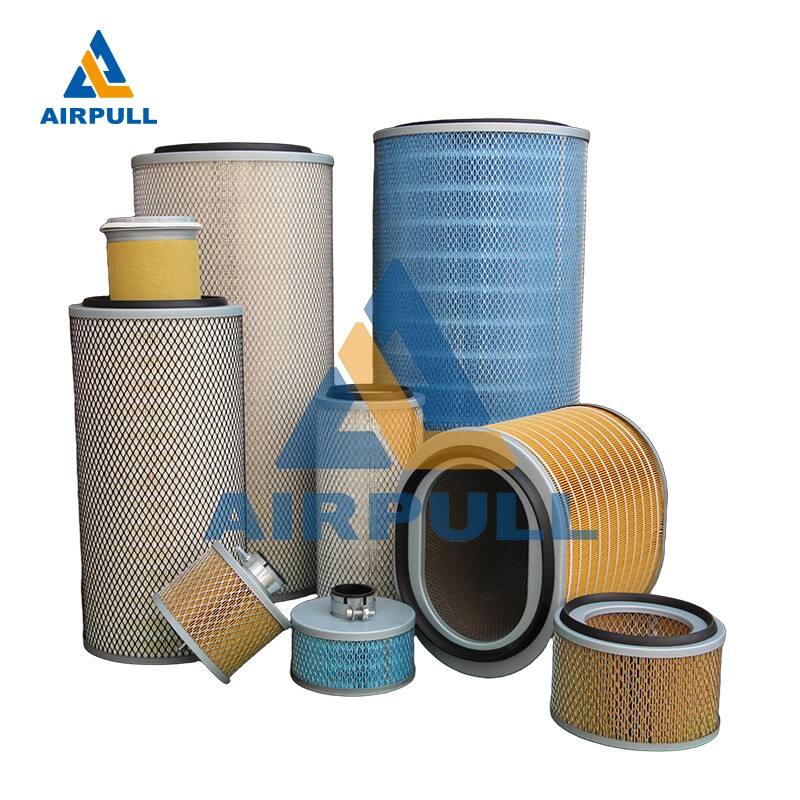
Before starting, treat every air compressor filter cartridge replacement as a controlled maintenance activity rather than a quick swap. Confirm the correct part specification, isolate pressure safely, inspect seals, and verify differential pressure after restart. A consistent method prevents seal damage, cross-threading, contamination bypass, and premature clogging. Once your team standardizes this method, each air compressor filter cartridge change becomes faster, safer, and more predictable.
Prepare the System Before Any Cartridge Removal
Confirm cartridge specification and service interval
The first step in changing an air compressor filter cartridge is verification. Match the new air compressor filter cartridge to housing model, filtration grade, flow rating, and maximum operating pressure. Installing a similar-looking element with the wrong micron rating can shift system pressure behavior and reduce separation efficiency.
Review maintenance records for running hours, pressure drop trend, and contamination load. A filter that handles oily or dusty intake conditions may need a shorter replacement interval than calendar-based plans suggest. Using records to schedule each air compressor filter cartridge change helps avoid both premature replacement and overdue operation.
Inspect the new element packaging before opening. A damaged end cap, dented core, or compromised gasket can cause bypass even when the air compressor filter cartridge looks usable at first glance. Keep the element sealed until the housing is open and ready.
Isolate energy and depressurize safely
Shut down the compressor according to plant procedure and lock out electrical supply. Close upstream and downstream isolation valves associated with the filter housing. Never loosen a bowl or cap while pressure remains trapped around the air compressor filter cartridge.
Open the manual drain or vent point slowly to release residual pressure. Watch pressure gauges until they read zero and confirm no airflow at a downstream bleed point. This is the most important safety control in any air compressor filter cartridge replacement process.
Prepare clean gloves, lint-free wipes, a waste container, and approved lubricant for O-rings if your maintenance standard allows it. Keeping the work zone clean reduces the chance that foreign particles enter the housing during air compressor filter cartridge handling.
Remove the Used Cartridge Without Damaging the Housing
Open housing methodically and control contamination
Loosen the housing cap or bowl according to manufacturer torque direction and thread type. Support the housing weight while unthreading to prevent side-loading on the sealing surfaces. A rushed opening can score threads and shorten service life of the air compressor filter cartridge assembly.
Once opened, remove the spent air compressor filter cartridge carefully to avoid shaking collected contaminants into clean pathways. Place the used element directly into a disposal bag. In systems with oil mist and particulates, this practice keeps benches and nearby components cleaner.
Inspect the removed air compressor filter cartridge for uneven loading, torn media, or collapsed structure. These patterns provide clues about upstream carryover, liquid slugging, or operating conditions beyond design limits. Treat the used element as diagnostic evidence, not only waste.
Clean and inspect internal sealing points
Wipe the inside of the bowl and head using lint-free material only. Remove residue from seating lands, threads, and drain channels. Any debris left behind can interfere with the next air compressor filter cartridge seal and allow bypass flow.
Check O-rings for flattening, cracks, or chemical swelling. If your maintenance kit includes fresh seals, replace them during each air compressor filter cartridge service to reduce leak risk. Reusing aged elastomers often causes slow pressure decay and repeated rework.
If replacement parts are required, confirm the exact match before assembly. Many maintenance teams source the correct air compressor filter cartridge and sealing parts in advance so the system is not left open during procurement delays.
Install the New Cartridge for Reliable Sealing and Flow
Seat the cartridge correctly and protect media integrity
Remove protective wrapping only at the moment of installation. Align the new air compressor filter cartridge with the center post or guide feature and lower it straight into position. Twisting or forcing the element can deform end caps and compromise sealing contact.
Verify that the cartridge is fully seated against the designed stop. A partially seated air compressor filter cartridge may appear installed while allowing channeling around the media. Visual confirmation and gentle hand pressure are usually enough to confirm correct fit.
Apply approved lubricant to O-rings only when your standard specifies it, and use a minimal amount. Excess lubricant can attract debris and migrate. The goal is smooth closure and durable sealing around the air compressor filter cartridge, not a heavy coating.
Close housing to correct torque and orientation
Reassemble cap or bowl by hand first to avoid cross-threading. Once threads engage evenly, tighten to the specified torque range. Over-tightening can distort seals, while under-tightening can create leaks around the air compressor filter cartridge housing.
Confirm drain ports are closed and orientation markers are correct before repressurization. For vertically mounted filters, proper orientation supports drainage behavior and stable pressure drop across the air compressor filter cartridge during operation.
Record the installation date, operating hours, and initial differential pressure at startup. Tracking these values after every air compressor filter cartridge replacement builds a dependable baseline for future maintenance timing.
Restart, Validate Performance, and Set Ongoing Control
Bring the system online in controlled steps
Open isolation valves gradually and pressurize the filter housing slowly. A controlled ramp protects the new air compressor filter cartridge from sudden pressure shock. Listen for abnormal airflow noise and check all joints for immediate leakage.
Start the compressor and allow conditions to stabilize at normal load. Observe pressure drop before and after the filter stage. A healthy air compressor filter cartridge typically restores expected differential pressure compared with the pre-change condition.
If differential pressure remains high after replacement, investigate upstream contamination load, valve position, condensate management, and possible downstream restriction. Do not assume the new air compressor filter cartridge is defective before checking system context.
Use operating data to improve replacement timing
Shift from fixed calendar changes to condition-based maintenance when possible. Trend differential pressure, compressor power draw, and moisture carryover to determine the practical service life of each air compressor filter cartridge in your real operating environment.
In high-demand production windows, keep a spare air compressor filter cartridge and seal set at point of use. This simple planning step reduces downtime and prevents rushed installation decisions when pressure drop alarms appear unexpectedly.
Build a short post-maintenance checklist for technicians covering pressure release confirmation, seating verification, torque confirmation, and leak inspection. Standardization turns each air compressor filter cartridge change into a repeatable reliability practice rather than an individual technique.
FAQ
How often should an air compressor filter cartridge be changed?
There is no single interval that fits every site. The right frequency depends on inlet air quality, operating hours, oil carryover, humidity, and required air purity at point of use. Most facilities combine manufacturer guidance with differential pressure trending to schedule each air compressor filter cartridge change at the most efficient moment.
Can I clean and reuse an air compressor filter cartridge?
In most industrial applications, replacement is preferred over reuse. Cleaning can damage media structure or leave embedded contaminants that increase bypass risk. For consistent compressed air quality, a new air compressor filter cartridge is usually the safer and more predictable choice.
What are the signs that an air compressor filter cartridge is overdue for replacement?
Common indicators include rising differential pressure, increased compressor energy draw, unstable downstream pressure, moisture or particle carryover, and reduced tool performance. When several of these symptoms appear together, the air compressor filter cartridge is often at or beyond effective service life.
What is the biggest mistake during air compressor filter cartridge replacement?
The most frequent critical mistake is opening the housing before complete depressurization. The next common issue is poor sealing practice, including reused damaged O-rings and incorrect seating. A disciplined shutdown, clean installation, and verification routine keeps air compressor filter cartridge performance stable after every change.