EN
EN



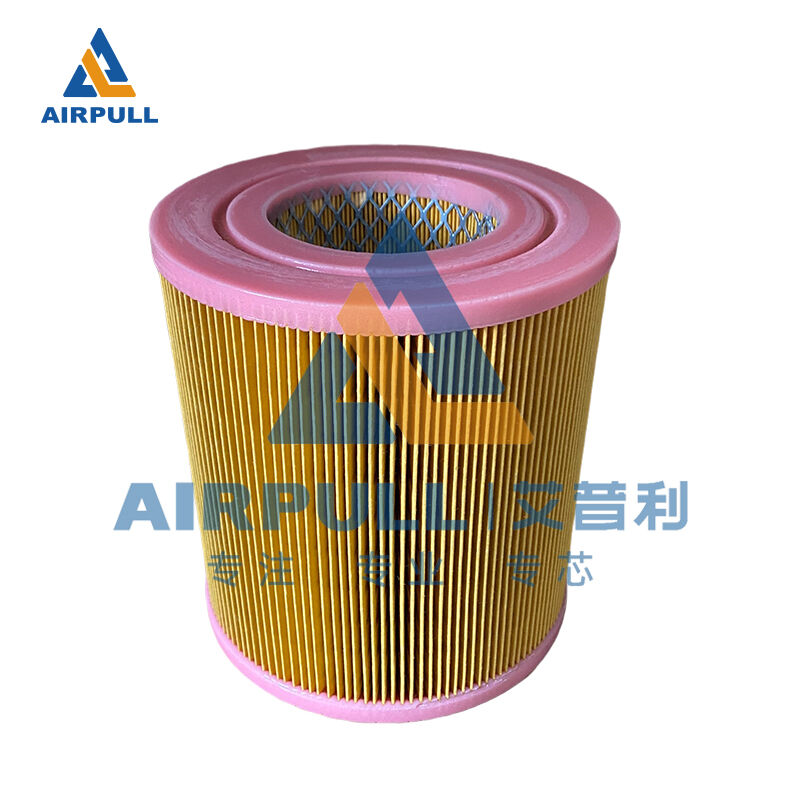
Cleaning a compressor intake filter is a preventive maintenance task that directly protects airflow, pressure stability, and machine life. A dirty compressor intake filter forces the compressor to work harder, raises energy draw, and increases the chance of dust entering sensitive internal components. In most industrial environments, the right cleaning method for a compressor intake filter is not complicated, but it must be consistent and controlled. The process starts with safe shutdown, careful inspection, and a cleaning approach that matches filter condition rather than guesswork.
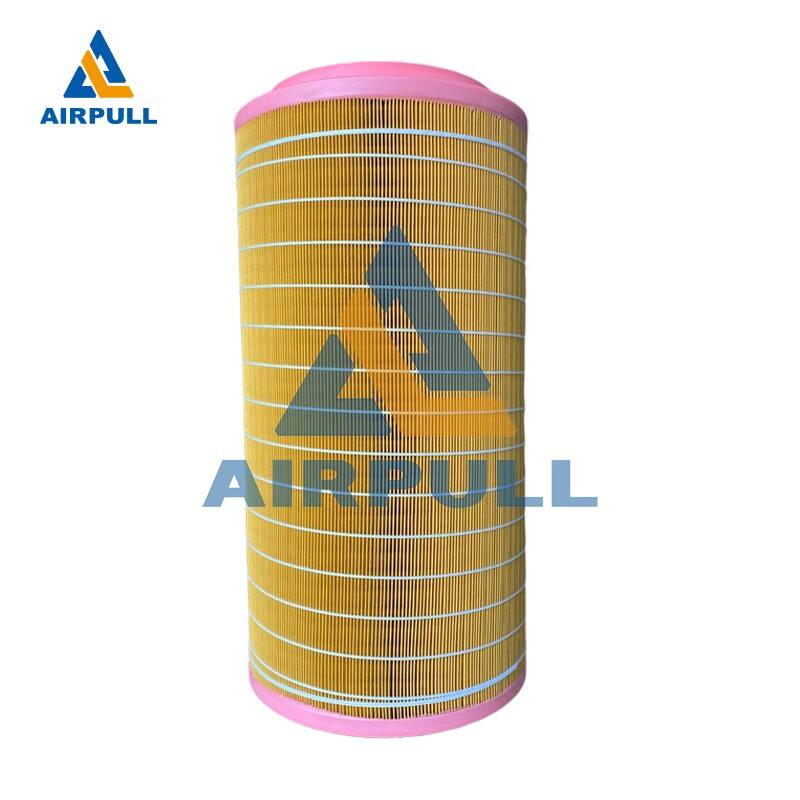
This guide explains exactly how to clean a compressor intake filter step by step, including what to do before cleaning, how to clean without damaging media, and how to confirm the compressor intake filter is still serviceable after maintenance. You will also see practical inspection signals that indicate cleaning is no longer enough and replacement is the safer decision. For B2B operations, this routine is less about housekeeping and more about protecting uptime, process quality, and predictable operating cost.
Prepare the Compressor and Work Area Before Cleaning
Shut down, isolate energy, and cool the system
Before touching any compressor intake filter, complete a full shutdown and isolate power according to your site safety procedure. Intake assemblies can hold dust and static, and nearby housings may be hot right after operation, so allow cooling time before opening the cover. This step reduces injury risk and prevents accidental debris movement into the inlet. A safe start gives you better control over the cleaning quality of the compressor intake filter.
In high-duty plants, maintenance windows are often short, but rushing this stage creates avoidable mistakes. If the compressor restarts unexpectedly while the compressor intake filter is removed, unfiltered air can enter and carry abrasive particles into the machine. That can lead to accelerated wear and unstable pressure behavior. Treat lockout and cooldown as part of cleaning, not a separate administrative task.
Verify tools and define acceptable cleaning methods
Use clean gloves, a soft brush, low-pressure dry air, and lint-free cloths around the compressor intake filter service point. Harsh chemicals, aggressive solvents, and high-pressure jets can damage filter media, deform seals, or force contaminants deeper into the filter structure. If your internal maintenance standard specifies reusable media, align your method with that requirement before starting. The objective is to remove loose contamination without reducing capture performance of the compressor intake filter.
It is helpful to prepare a clean holding surface for the removed compressor intake filter so it never contacts oily floors or metal chips. Cross-contamination during maintenance is common and often overlooked during audits. When teams standardize basic handling conditions, repeatability improves and service decisions become easier. A clean workspace is a small control that produces reliable results over many maintenance cycles.
Remove and Inspect the Filter Correctly
Open the housing without releasing trapped debris
When opening the intake housing, move slowly and keep the opening orientation stable to avoid dropping accumulated dust inward. A compressor intake filter often collects fine particulate at the outer surface, and sudden movement can dislodge debris into the clean side. Lift the element straight out and inspect the gasket area immediately. Good extraction technique protects the compressor while preserving the true condition of the compressor intake filter for assessment.
Take a quick visual note of how contamination is distributed. Uniform loading usually indicates normal airflow and sealing, while uneven dark bands may point to bypass, moisture exposure, or local turbulence. These patterns help maintenance teams diagnose upstream issues beyond the compressor intake filter itself. Capturing this information each cycle supports better root-cause control.
Check media, end caps, and sealing surfaces
Inspect pleats for tears, crushed sections, delamination, or embedded oily sludge that simple cleaning cannot remove. If the compressor intake filter has brittle media, broken adhesive, or deformed end caps, replacement is the correct action rather than repeated cleaning. Also inspect the housing lip and gasket seat for debris lines that can cause leakage after reassembly. A clean filter with a poor seal is still a high-risk compressor intake filter condition.
Look for signs of moisture, because wet contamination changes how particles bond to media and can trigger microbial growth in some environments. If moisture is frequent, cleaning frequency alone will not solve the issue, and intake location or upstream shielding may need adjustment. Effective maintenance combines filter care with operating context. That is how compressor intake filter performance remains stable across seasons and production shifts.
Clean the Filter Using a Controlled Method
Dry cleaning process for light to moderate dust loading
For reusable designs with dry dust, start with gentle brushing on the external surface, following pleat direction instead of scrubbing across it. Then apply low-pressure air from the clean side outward, keeping distance so the media is not stretched or punctured. Rotate the compressor intake filter slowly to achieve even cleaning and avoid concentrated force in one area. The goal is to release particles, not to make the element look new.
Do not strike the compressor intake filter against hard surfaces to knock out debris, because that can crack bonding points and create hidden leaks. If dust remains strongly bonded after a careful pass, forcing removal may cause more damage than benefit. In such cases, replacement is often lower risk than aggressive recovery. Controlled technique protects both airflow and particle capture behavior.
When to stop cleaning and move to replacement
A compressor intake filter should be replaced when pressure drop remains high after cleaning, media shows structural fatigue, or contamination includes sticky oil films. Repeated cleaning cycles gradually reduce integrity, even when handled properly. If your operation tracks maintenance history, define a maximum number of cleaning cycles per element type. This prevents overextension of compressor intake filter use beyond safe limits.
Replacement is also recommended when inspection results are uncertain and process uptime is critical. In production lines where compressed air reliability affects multiple downstream stages, conservative decisions usually reduce total cost. A planned swap can prevent emergency shutdown and unplanned labor. Teams that manage compressor intake filter life as a controlled asset typically see more predictable maintenance outcomes.
Reinstall, Test, and Set a Reliable Cleaning Interval
Reassembly checks that prevent bypass and leaks
Before reinstalling the compressor intake filter, wipe the housing interior and sealing surfaces with lint-free material to remove residual dust. Seat the element evenly and confirm the gasket is not twisted, pinched, or partially exposed. Refit the cover with uniform pressure so the compressor intake filter remains centered. Uneven closure can create bypass paths that nullify the entire cleaning effort.
After startup, listen for intake whistle or vibration changes around the housing, as these can indicate fit issues. If available, compare pressure differential readings before and after maintenance to validate improvement. Stable airflow recovery confirms that the compressor intake filter service was effective. Record the result in your log to support future interval decisions.
Build a practical maintenance cycle for your environment
Cleaning frequency should be based on dust load, operating hours, and process criticality rather than a fixed calendar alone. Facilities with fine powders, seasonal humidity shifts, or outdoor intake exposure may need shorter intervals for each compressor intake filter. Use inspection findings and trend data to move from reactive cleaning to planned reliability maintenance. This approach reduces labor spikes and extends equipment stability.
When replacement is required, source a specification-matched element to maintain expected airflow and filtration performance. Many maintenance teams keep a ready spare such as this compressor intake filter to shorten downtime during service windows. The key is consistency in specification, handling, and documentation. Long-term reliability comes from repeatable execution, not occasional deep cleaning.
FAQ
How often should a compressor intake filter be cleaned in industrial operation?
Most sites start with operating-hour checkpoints and then adjust based on actual contamination levels. In dusty environments, a compressor intake filter may need inspection weekly and cleaning at short intervals, while cleaner indoor processes can run longer between service events. The most reliable method is trend-based scheduling using pressure behavior, visual loading, and maintenance records.
Can I wash a compressor intake filter with water or detergent?
Only do that when the filter design and manufacturer guidance explicitly allow wet cleaning. Many compressor intake filter media types lose strength, change pore behavior, or trap residue after improper washing. For most industrial dry-media elements, controlled dry cleaning is safer and more consistent.
What are the signs that a compressor intake filter is harming compressor performance?
Common signals include rising energy use, slower pressure build, unstable output under load, and visible heavy dust loading at inspection. You may also notice unusual intake noise if airflow is restricted. These indicators suggest the compressor intake filter needs immediate evaluation and possible replacement.
Is repeated cleaning always cheaper than replacement?
Not always. Repeated cleaning of a degraded compressor intake filter can increase risk of bypass, contamination, and unplanned downtime that costs more than a timely replacement. The best cost decision comes from total lifecycle impact, including labor, energy, reliability, and production continuity.