EN
EN



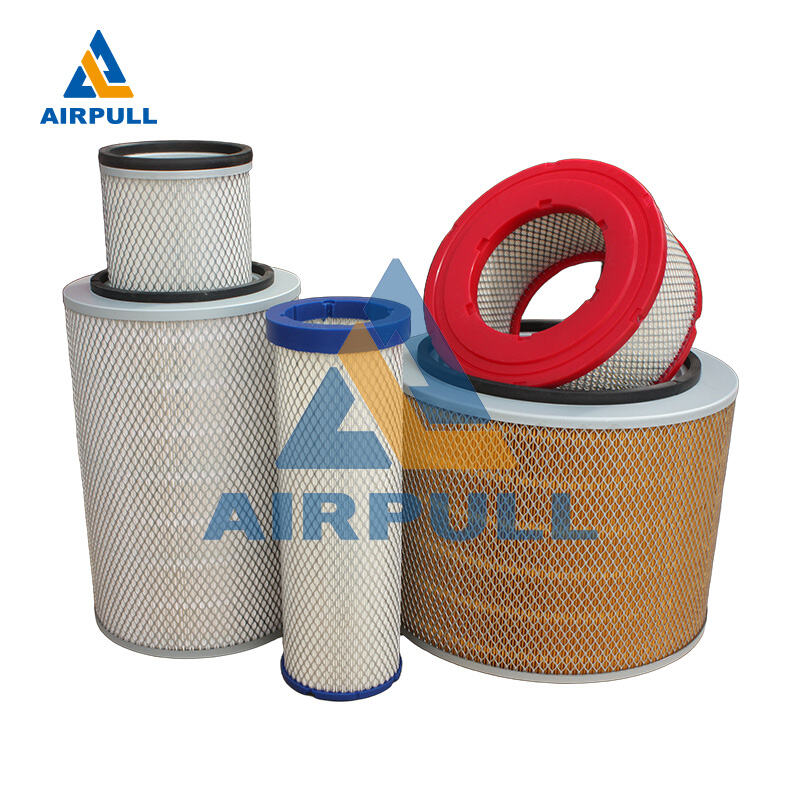
Air systems fail quietly before they fail visibly, and that is why air compressor filter replacement should be treated as a planned maintenance task rather than an emergency repair. If your goal is to protect airflow quality, compressor efficiency, and downstream equipment reliability, air compressor filter replacement needs a clear method, not guesswork. This guide explains exactly how to execute air compressor filter replacement step by step in an industrial setting, with practical checkpoints that reduce contamination risks and prevent avoidable downtime.
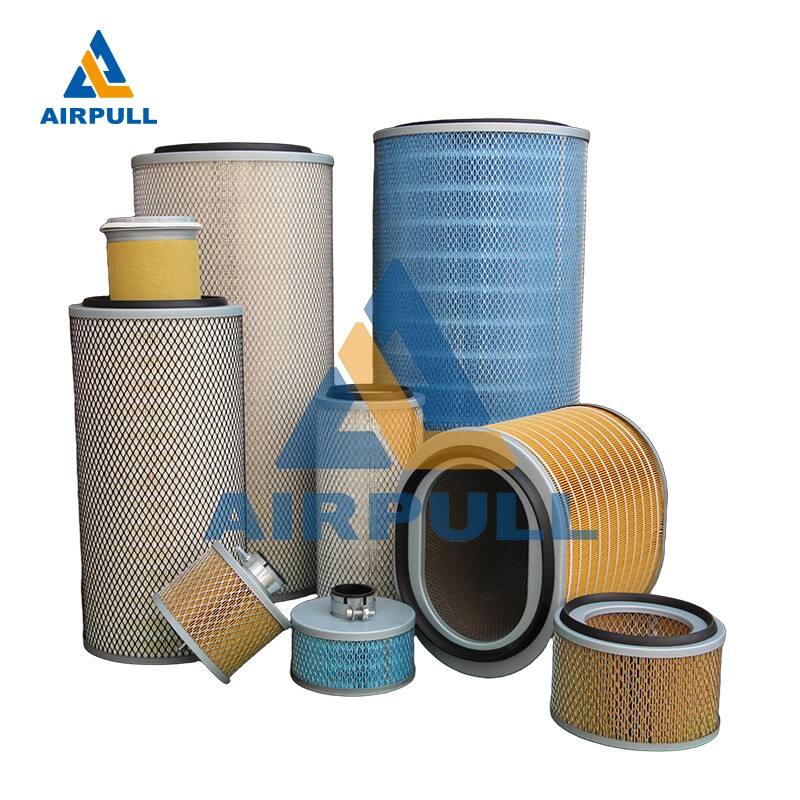
A proper air compressor filter replacement process starts before the housing is opened and continues after the new element is installed. In other words, air compressor filter replacement is both a mechanical task and a quality-control task. When teams standardize air compressor filter replacement across shifts and sites, they usually see more stable pressure performance, cleaner compressed air, and fewer maintenance callbacks tied to installation error or premature filter loading.
Prepare the System Before Opening the Filter Housing
Lockout, depressurize, and stabilize operating conditions
The first rule of safe air compressor filter replacement is complete energy isolation. Shut down the compressor according to plant procedure, apply lockout and tagout, and confirm zero pressure at the service point. Even a small residual pressure pocket can eject debris when the housing is opened, so this verification step is not optional.
Temperature control matters as much as pressure control during air compressor filter replacement. If the compressor has been running under heavy load, allow components to cool so seals and housings are easier to handle without damage. A rushed air compressor filter replacement performed on hot hardware often leads to overtightened threads, distorted gaskets, and rework during restart checks.
Confirm replacement specifications and prepare a clean work zone
Before touching the old element, verify part specifications against your maintenance record, including filtration grade, dimensions, and seal type. The most common quality failure in air compressor filter replacement is installing a filter that physically fits but does not match process requirements. That mismatch can raise pressure drop or let fine contaminants pass downstream.
Create a clean staging area with lint-free wipes, approved cleaning solution, inspection light, and a waste container for used media. Effective air compressor filter replacement depends on contamination control at the point of installation. Dirt introduced during maintenance can offset the benefit of installing a new filter and shorten the next service interval.
Remove the Old Element Without Introducing Contamination
Open the housing carefully and document condition findings
When you begin air compressor filter replacement, loosen the housing gradually and watch for signs of trapped pressure or fluid carryover. Remove the cover and old element with controlled handling to avoid releasing captured dust back into the inlet path. Keep the used filter upright where possible so debris remains contained.
A disciplined air compressor filter replacement process includes condition documentation. Check the old element for uneven loading, oil saturation, collapsed media, or seal deformation, then record what you find. These observations help maintenance teams identify root causes such as poor intake conditions, excessive moisture, or incorrect service intervals.
Inspect and clean sealing surfaces and internal components
After removal, inspect the housing interior, O-ring groove, center tube, and thread surfaces. Air compressor filter replacement should never be limited to swapping parts; it should restore sealing integrity and airflow path condition. Any residue left behind can compromise the new element and create bypass channels.
Use non-abrasive cleaning methods and ensure all contact surfaces are dry before installation. During air compressor filter replacement, avoid tools that scratch sealing faces, because microscopic damage can cause persistent leaks. Clean metal-to-seal interfaces are critical for stable differential pressure after startup.
Install the New Filter Element Correctly and Consistently
Handle the new element as a precision component
A high-quality air compressor filter replacement starts with correct handling of the new element. Keep packaging closed until just before installation and avoid touching media surfaces with bare hands. Oils and particulate from gloves or skin can reduce filter efficiency and accelerate pressure rise.
During air compressor filter replacement, confirm orientation marks and seating depth exactly as required by the housing design. An element that is slightly misaligned may appear installed but leave a bypass path around the seal. This is one of the most expensive avoidable errors in air compressor filter replacement because it can expose downstream valves, tools, or process equipment to contamination.
Seat seals properly and apply correct closing force
Check O-rings for compatibility and condition, then lightly lubricate only when specified by maintenance standards. Reliable air compressor filter replacement depends on uniform seal compression, not excessive tightening force. Over-compression can shorten seal life and make future service difficult.
Close the housing using the recommended torque method and cross-check alignment before final tightening. A repeatable air compressor filter replacement workflow uses the same tightening logic every time, which reduces shift-to-shift variation. Consistency at this stage directly improves leak performance and service life predictability.
Validate Performance After Startup and Set the Next Service Cycle
Run controlled startup checks and monitor early behavior
Once installation is complete, restart the compressor in a controlled sequence and inspect the housing for leaks as pressure builds. Air compressor filter replacement is not finished until operational verification is complete. Listen for abnormal airflow noise and check that pressure stabilizes within expected range.
Track differential pressure, outlet quality indicators, and compressor load response during the first operating period. A properly executed air compressor filter replacement usually shows stable pressure behavior without sudden fluctuations. If differential pressure rises unusually fast, investigate installation seating, environmental dust load, or incorrect element grade.
Record results and improve replacement intervals with real data
Strong maintenance programs treat every air compressor filter replacement as a data point. Log runtime hours, operating environment, pressure readings, and observed filter condition at removal. This historical record helps teams move from calendar-only maintenance to condition-informed scheduling.
When air compressor filter replacement intervals are based on both runtime and actual pressure trend, plants often reduce both premature changes and late changes. That balance protects air quality while controlling consumable cost. Over time, standardized air compressor filter replacement practices also improve planning accuracy for spare parts and labor availability.
Common Execution Mistakes That Undermine Results
Skipping preparation and specification checks
Many recurring issues in air compressor filter replacement begin before installation, especially when teams skip lockout verification or assume part compatibility from visual similarity. A rushed air compressor filter replacement can appear successful at startup but still produce hidden bypass or accelerated loading. Preparation steps are where most avoidable failures are prevented.
Another frequent problem is incomplete cleaning of housing internals before fitting the new element. Effective air compressor filter replacement requires clean surfaces and controlled handling from removal to closure. Without that discipline, contamination is reintroduced and service life drops even with a new filter in place.
Closing the task without verification and documentation
Finishing air compressor filter replacement without post-start monitoring leaves critical errors undiscovered until process quality declines. Leak checks, pressure trend observation, and short-interval follow-up are essential for confirming the installation outcome. Verification turns air compressor filter replacement from a simple part swap into a reliable maintenance process.
Documentation is equally important because it supports repeatability across technicians and facilities. When every air compressor filter replacement is recorded with condition notes and operating context, teams can identify patterns early and optimize maintenance policy. That is how routine service becomes a measurable reliability advantage.
FAQ
How often should air compressor filter replacement be performed in industrial operation?
Air compressor filter replacement frequency should be based on runtime, inlet air quality, and differential pressure trend rather than a fixed calendar alone. In dusty or humid environments, intervals are typically shorter. The best approach is to combine manufacturer guidance with plant-specific data from previous service cycles.
Can air compressor filter replacement be done without shutting down the full production line?
Air compressor filter replacement can be performed without full-line shutdown only when your system design includes redundancy and safe isolation paths. The specific compressor being serviced must still be locked out and fully depressurized. Safety and contamination control steps remain the same regardless of production strategy.
What signs indicate air compressor filter replacement is overdue?
Rising differential pressure, reduced airflow performance, increased compressor load, and contamination indicators at point of use are common signs. Visual findings such as media collapse or oil-heavy loading also indicate delayed service. When these signs appear repeatedly, adjust the air compressor filter replacement interval using recorded operating data.
What is the most important quality checkpoint during air compressor filter replacement?
The most important checkpoint is correct sealing and seating of the new element, followed by startup verification. Even a premium element cannot perform if bypass is present. A disciplined air compressor filter replacement process always confirms fit, closure force, leak status, and early pressure stability before the task is closed.
Table of Contents
- Prepare the System Before Opening the Filter Housing
- Remove the Old Element Without Introducing Contamination
- Install the New Filter Element Correctly and Consistently
- Validate Performance After Startup and Set the Next Service Cycle
- Common Execution Mistakes That Undermine Results
-
FAQ
- How often should air compressor filter replacement be performed in industrial operation?
- Can air compressor filter replacement be done without shutting down the full production line?
- What signs indicate air compressor filter replacement is overdue?
- What is the most important quality checkpoint during air compressor filter replacement?