EN
EN



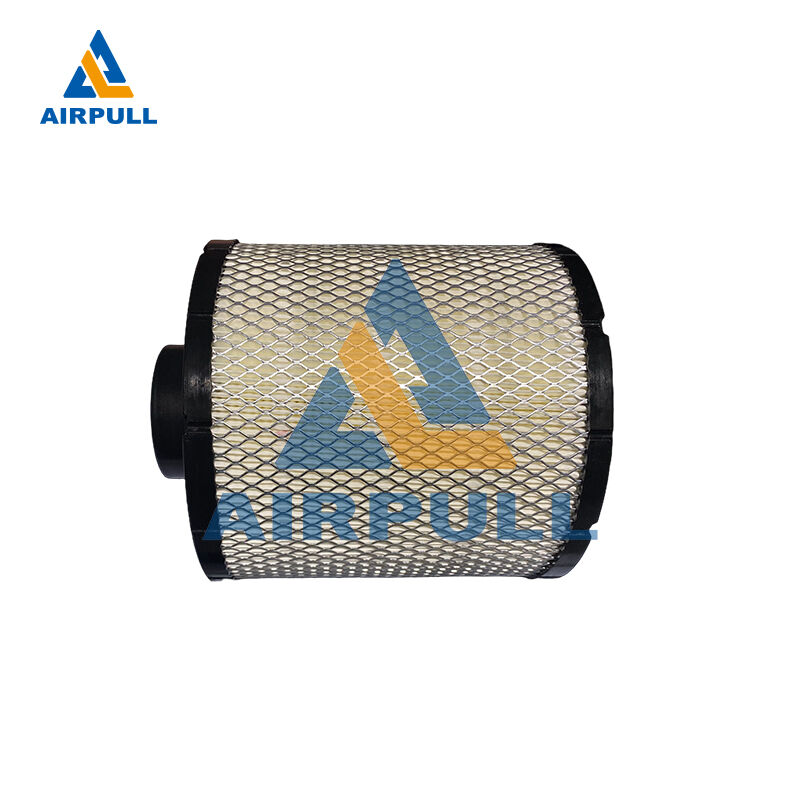
Installing a filter air cartridge is not just a maintenance task; it is a control point for air quality, compressor efficiency, and downstream equipment reliability. In industrial operations, a poorly installed filter air cartridge can introduce pressure instability, oil carryover risk, and unplanned shutdowns that cost far more than the cartridge itself. A correct method keeps airflow consistent, protects pneumatic tools and valves, and extends service life across the compressed air system. This guide explains how to install a filter air cartridge in a practical sequence that maintenance teams can apply on real production floors.
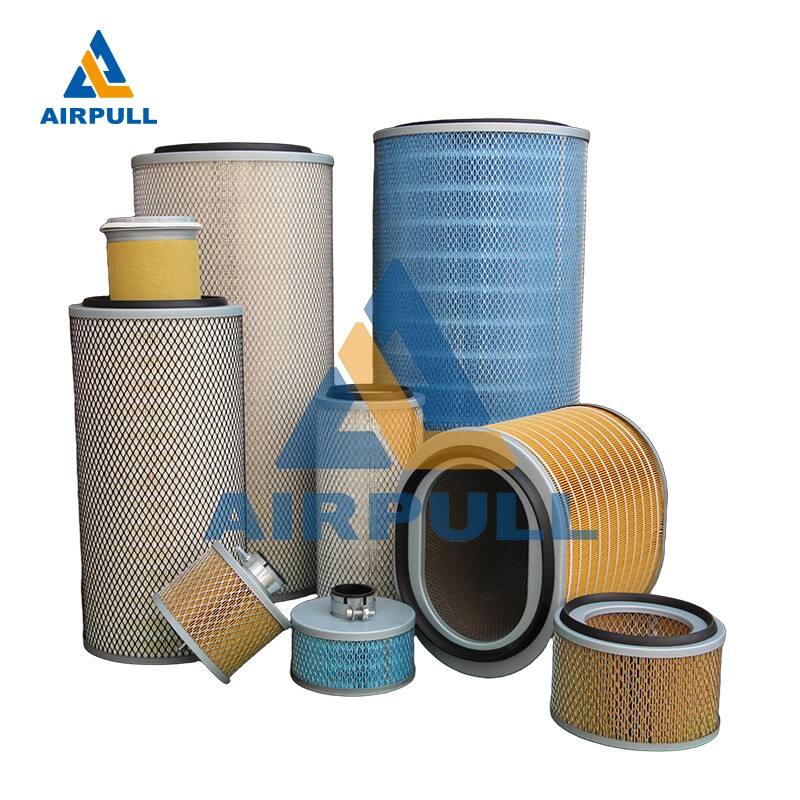
The process below focuses on preparation, safe removal, correct fitment, and post-install verification so the new filter air cartridge performs as designed from day one. It also clarifies common installation mistakes that reduce filter efficiency even when the cartridge is new. When teams standardize each step, every filter air cartridge replacement becomes faster, cleaner, and more predictable. For specification matching and replacement planning, many buyers begin with a technical reference such as filter air cartridge data to confirm compatibility before shutdown windows begin.
Installation Planning and Site Preparation
Confirming Specifications Before Handling
Before you touch the housing, verify that the filter air cartridge matches the system requirement for size, end-cap configuration, filtration grade, and operating pressure class. Even a slight mismatch can cause seal bypass, where compressed air moves around rather than through the media. That failure mode can look like normal flow while contamination quietly passes downstream. A correct filter air cartridge must fit both dimensional and performance criteria, not only one of them.
Check the replacement against maintenance records and the equipment tag so the selected filter air cartridge aligns with the exact service point. Intake filtration, oil removal stages, and fine particulate stages are often confused during rushed maintenance cycles. If the wrong filter air cartridge is installed at a stage requiring a finer grade, pressure behavior may appear acceptable at first but process quality can degrade within hours. Clear cross-checking prevents this hidden risk.
Preparing the Compressor and Work Area
A controlled work zone improves installation quality and protects the new filter air cartridge from contamination before it is even installed. Clean the external housing area, gather tools, and prepare lint-free wiping materials. Dust and metal particles near open housings can settle on seals and threads, creating leak paths. A clean bench area ensures the new filter air cartridge remains in sealed packaging until final placement.
Lockout and tagout steps should be completed according to plant procedure before removal starts. Isolate the relevant line, release stored pressure, and confirm zero energy state with gauges and drain checks. Installing a filter air cartridge in a partially pressurized unit is both unsafe and likely to damage the sealing surfaces during disassembly. Proper isolation is the foundation of a successful filter air cartridge changeout.
Step-by-Step Removal of the Old Element
Depressurization and Housing Access
Open drains and vents gradually to prevent sudden pressure release that can distort internal parts. Once the system is fully depressurized, loosen the housing according to service orientation, keeping the cap and bowl aligned to avoid thread damage. Controlled disassembly preserves the mating surfaces needed for the next filter air cartridge seal. If threads are forced, even a perfect new filter air cartridge may not seat correctly afterward.
As the housing opens, inspect for signs of fluid pooling, unusual debris, or discoloration that may indicate upstream process issues. This context helps explain why the previous filter air cartridge loaded faster than expected or showed uneven wear. Maintenance teams that capture this evidence can adjust service intervals and reduce recurring faults. Removal is not just extraction; it is diagnosis that informs better filter air cartridge management.
Extracting and Inspecting the Used Cartridge
Remove the used element carefully to avoid tearing media fragments into the bowl or center tube area. Place the removed filter air cartridge on a clean surface and inspect gasket compression, pleat condition, and contamination pattern. Uneven dark bands can indicate bypass or misalignment rather than normal end-of-life loading. This inspection helps confirm whether the previous filter air cartridge reached planned service life or failed early due to installation error.
Clean the interior housing, seating shoulder, and seal groove completely before opening new packaging. Residual particles left in the groove can pinch the next filter air cartridge gasket and create micro-leaks under pressure. Use non-abrasive materials to protect machined surfaces, since scratches can become permanent leak channels. A clean cavity gives the new filter air cartridge the stable surface needed for full-efficiency operation.
Installing the New Cartridge Correctly
Seating, Sealing, and Orientation Control
Unpack the new filter air cartridge only when the housing is clean and ready. Confirm orientation marks and install the element straight, without twisting the media body or forcing the end cap into place. A filter air cartridge should seat with firm alignment, not excessive pressure. If resistance feels abnormal, remove and recheck the guide surfaces rather than pushing through misalignment.
Inspect O-rings or gaskets and apply only the approved lubricant when specified by maintenance procedure. Over-lubrication can attract fine particles, while dry seals may roll during closure and compromise the filter air cartridge seal line. Ensure each sealing component sits flat in its groove before tightening begins. Proper seal preparation is one of the most overlooked steps in reliable filter air cartridge installation.
Torque, Closure, and System Restart
Close the housing evenly and apply torque in a controlled pattern if multiple fasteners are present. Uneven force can tilt the cap, reducing uniform contact around the filter air cartridge gasket. After closure, verify drain and vent positions, then restore pressure gradually while monitoring for leaks and pressure drop anomalies. A slow restart protects both the new filter air cartridge and connected downstream devices.
During the first minutes of operation, observe differential pressure trends rather than relying on a single snapshot value. A correctly installed filter air cartridge typically stabilizes quickly within expected operating range. Sudden rise, unstable cycling, or audible leakage signals a seating or closure issue that should be corrected immediately. Early verification turns a routine filter air cartridge replacement into a controlled quality step.
Post-Installation Validation and Maintenance Rhythm
Performance Checks in the First Operating Hour
Track pressure behavior, moisture condition, and any oil mist indicators during the first operating hour after installation. This period confirms whether the filter air cartridge is functioning under real load, not just during idle startup. Stable readings suggest correct fitment and clean sealing, while drift may indicate bypass or a hidden housing defect. A structured check protects the value of every filter air cartridge change.
Listen for subtle leaks around closure points and inspect for vibration-related movement in connected piping. Mechanical vibration can loosen hardware over time and compromise filter air cartridge performance even when installation was correct at startup. Capturing this early helps teams tighten supports and prevent premature filter air cartridge stress. Validation is strongest when operational and mechanical checks are combined.
Building a Repeatable Replacement Standard
Document each filter air cartridge installation with date, runtime, differential pressure at changeout, and observed contamination pattern. This historical record turns replacement from guesswork into evidence-based scheduling. Over time, your team can define a practical interval where each filter air cartridge is replaced before performance loss affects production. Better timing reduces emergency stops and improves maintenance labor planning.
Standardized work instructions should include cleaning method, seal checks, torque practice, and restart sequence for every filter air cartridge service event. Consistency across shifts prevents quality variation caused by personal technique differences. When technicians follow the same steps, the filter air cartridge delivers predictable filtration efficiency and longer usable life. Repeatable process control is what makes installation quality sustainable in industrial environments.
FAQ
How often should a filter air cartridge be replaced in industrial use?
Replacement frequency depends on contamination load, duty cycle, and pressure-drop limits defined by your maintenance standard. Many teams use runtime plus differential pressure trends to decide when each filter air cartridge should be changed. Waiting only for visible failure usually increases downstream wear and process risk. A documented interval based on operating data is the most reliable approach.
Can I reuse seals when changing a filter air cartridge?
Reusing seals is generally risky because compression set and surface wear can prevent proper resealing. Even if a reused seal appears intact, the filter air cartridge may experience bypass or minor leakage under pressure fluctuations. New or verified serviceable seals support stable performance and protect filtration efficiency. Seal condition is as important as the filter air cartridge itself.
Why does pressure drop rise quickly after installing a new filter air cartridge?
A fast pressure-drop increase often points to incorrect cartridge grade, misalignment, blocked flow path, or contamination introduced during installation. It can also occur when the selected filter air cartridge is not matched to the actual airflow demand. Recheck orientation, seating, and specification alignment first before assuming product defect. Early troubleshooting prevents unnecessary repeat shutdowns.
What is the most common installation error with a filter air cartridge?
The most common error is incomplete seating caused by rushed closure or debris left in the seal area. When the filter air cartridge does not seat flat, bypass and unstable performance can appear even though the unit starts normally. Thorough cleaning and careful alignment eliminate most of these failures. Installation discipline has a direct effect on filter air cartridge reliability.