EN
EN



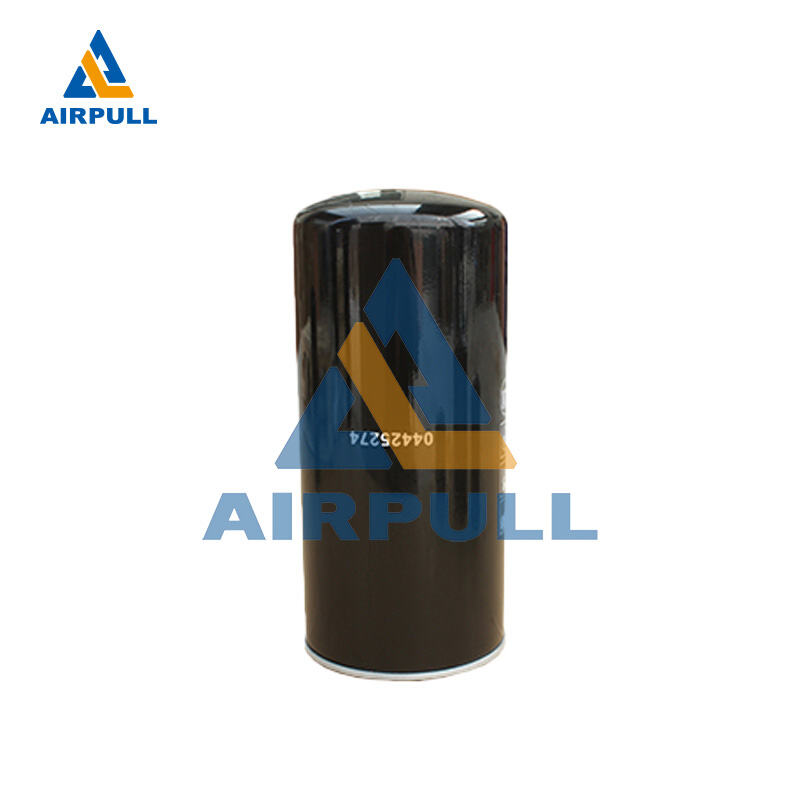
Choosing the right filter in a compressed air system is not a minor maintenance detail; it is a process decision that affects product quality, equipment life, energy cost, and unplanned downtime. In practical B2B operations, the correct filter setup starts with selecting the right filter element for compressed air at each stage of treatment, based on contamination risk and required air purity. When selection is done correctly, the filter element for compressed air supports stable production and protects downstream assets from oil aerosols, water carryover, and solid particles.
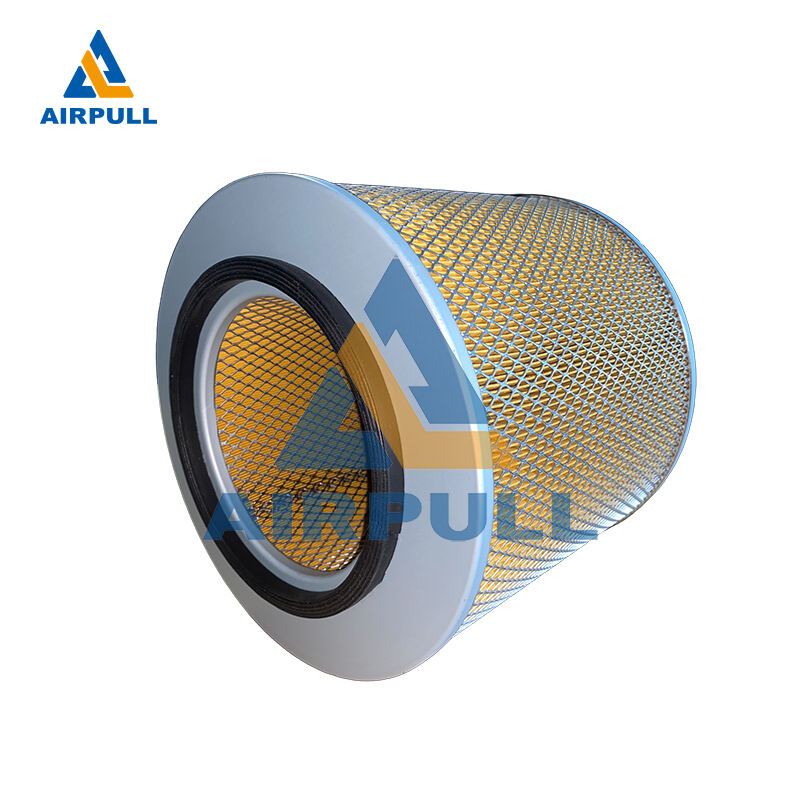
A common mistake is choosing a filter element for compressed air only by connection size or purchase price. Real selection requires matching particle grade, oil removal performance, pressure drop behavior, temperature tolerance, and service interval to your process conditions. This guide explains how to choose a filter element for compressed air step by step, so procurement, maintenance, and engineering teams can make consistent, performance-focused decisions.
Define the Air Quality Target Before Selecting Any Element
Link filtration grade to process risk
The first step is to define how clean the air must be at the point of use. Different applications tolerate different levels of particulate, moisture, and oil carryover, so the right filter element for compressed air depends on the actual risk profile of your process. If air contacts product surfaces, instrumentation, valves, or precision actuators, the required standard is usually stricter than for general utility air.
When teams skip this step, they either overspecify and waste energy or underspecify and face contamination events. A properly selected filter element for compressed air should be justified by production impact, not by habit. Defining target purity early creates a clear basis for engineering and purchasing decisions.
Map contamination sources across the system
Compressed air contamination comes from ambient intake particles, compressor oil, corrosion in piping, condensate movement, and maintenance disturbances. Because contamination loads change along the line, one single filter element for compressed air rarely solves everything. Instead, each installation point should address the contamination expected at that location.
For example, upstream bulk removal focuses on larger solids and liquids, while downstream polishing targets fine aerosols and submicron particles. This staged approach helps each filter element for compressed air operate in its intended range and extends total filter life. It also improves reliability during demand fluctuations and shift changes.
Match Filter Type and Grade to Operating Conditions
Choose by particle and oil removal requirement
Selection quality improves when teams separate particle control from oil aerosol control. A particulate-focused filter element for compressed air is designed for solid capture and lower resistance at specific micron ranges, while a coalescing design is intended to remove liquid aerosols and fine mists. The wrong pairing often causes either poor cleanliness or excessive pressure drop.
In many industrial systems, multiple stages are needed: prefiltration, high-efficiency coalescing, and final dust control where required. Each filter element for compressed air should be selected with a clear role in this sequence. This avoids overloading one element with duties it cannot sustain over a full service cycle.
Consider flow rate, pressure, and temperature envelope
Even with correct filtration grade, performance will fail if operating limits are ignored. Every filter element for compressed air has a defined flow capacity at specific pressure conditions. If actual demand exceeds that range, pressure drop rises quickly and can reduce tool performance, actuator speed, and process consistency.
Temperature also matters because media and seals can degrade outside their intended range. A filter element for compressed air used near compressor discharge or in warm plant zones must tolerate elevated thermal loads. Matching real operating envelope to specification is one of the most important ways to prevent premature replacement and unstable air quality.
Build a Multi-Stage Layout That Protects Performance Over Time
Place filtration stages in the correct order
A reliable system uses progressive protection rather than single-point filtration. Installing a pre-stage before fine filtration prevents sudden contamination loading that can block a sensitive filter element for compressed air. Correct staging usually lowers lifecycle cost because expensive fine media stays effective for longer periods.
Positioning also affects condensate behavior. When a filter element for compressed air intended for aerosol capture is installed without proper upstream moisture management, carryover can reduce separation efficiency. Coordinating dryers, drains, and filter location creates stable conditions that preserve intended filtration performance.
Balance filtration efficiency with pressure drop strategy
High efficiency is valuable only when paired with acceptable energy impact. Every filter element for compressed air introduces resistance, and cumulative pressure drop increases compressor workload. In energy-sensitive facilities, poor selection can turn into a hidden operating cost that exceeds the element purchase price.
The best practice is choosing a filter element for compressed air that meets purity targets with controlled differential pressure across expected load conditions. Monitoring initial and loaded pressure drop helps teams optimize replacement timing instead of waiting for failures. This approach supports both air quality and total cost control.
Evaluate Lifecycle Economics and Maintenance Practicality
Use total cost of ownership, not unit price alone
A low-cost element can become expensive when it requires frequent changeouts, causes pressure losses, or risks product quality incidents. Procurement teams should evaluate each filter element for compressed air by lifecycle performance, including energy implications, expected service life, maintenance labor, and downtime risk. This shifts the decision from transaction price to operational value.
It is often useful to benchmark options under the same duty cycle and contamination profile. In many plants, a better-engineered filter element for compressed air pays back through lower replacement frequency and more stable production output. Cost discipline and performance discipline can align when data is used correctly.
Standardize inspection and replacement criteria
Selection is only the beginning; consistency comes from maintenance governance. Each installed filter element for compressed air should have clear inspection intervals, differential pressure limits, and replacement triggers. Without this standardization, service timing becomes reactive and inconsistent across shifts or departments.
Teams can simplify implementation by documenting approved specifications and using a trusted reference point for sourcing, such as this filter element for compressed air in applications where efficiency and industrial replacement compatibility are required. A controlled sourcing strategy helps preserve performance repeatability across maintenance cycles.
Implementation Workflow for Confident Selection Decisions
Run a practical selection sequence across teams
A strong workflow starts with process mapping, then contamination assessment, then performance specification. Engineering defines technical limits, operations confirms demand patterns, and maintenance validates serviceability for each filter element for compressed air. This cross-functional method avoids isolated decisions that look good on paper but fail in real operation.
After specification, validate pilot results by checking differential pressure trend, downstream cleanliness, and changeout interval. Each filter element for compressed air should meet both purity and reliability criteria before broad rollout. Structured validation reduces uncertainty and supports long-term standardization.
Document assumptions and review after operating cycles
Conditions in industrial plants change over time due to production mix, ambient shifts, and equipment aging. The selected filter element for compressed air should be reviewed after defined operating periods to confirm that assumptions remain valid. This prevents slow performance drift that can remain unnoticed until product quality or equipment issues appear.
A periodic review process also creates a data history for future upgrades. When teams can compare performance records for each filter element for compressed air, they make faster and more defensible decisions. This is especially valuable in multi-line facilities where consistency and auditability matter.
FAQ
How often should a filter element for compressed air be replaced?
Replacement frequency depends on contamination load, operating hours, and acceptable pressure drop. In practice, the right interval is determined by monitoring differential pressure and downstream air quality, not by calendar date alone. A filter element for compressed air should be replaced before restriction or carryover affects process stability.
Can one filter element for compressed air handle all filtration needs?
In most industrial systems, one element is not enough for full protection. Different contaminants require different mechanisms, so staged filtration is usually needed. Using multiple stages ensures each filter element for compressed air works within its design range and maintains performance longer.
What is the biggest mistake when selecting a filter element for compressed air?
The most common mistake is selecting only by fitting size or purchase cost without defining the required air quality and operating conditions. This often leads to high pressure drop, short service life, or contamination risk. A suitable filter element for compressed air is chosen by process requirement, load profile, and lifecycle economics together.
Does higher efficiency always mean better filter element for compressed air performance?
Not always, because higher efficiency can increase resistance if the system is not configured correctly. The best result comes from matching efficiency target, flow demand, and pressure budget at the same time. The right filter element for compressed air is the one that meets cleanliness goals while keeping energy use and maintenance burden under control.
Table of Contents
- Define the Air Quality Target Before Selecting Any Element
- Match Filter Type and Grade to Operating Conditions
- Build a Multi-Stage Layout That Protects Performance Over Time
- Evaluate Lifecycle Economics and Maintenance Practicality
- Implementation Workflow for Confident Selection Decisions
-
FAQ
- How often should a filter element for compressed air be replaced?
- Can one filter element for compressed air handle all filtration needs?
- What is the biggest mistake when selecting a filter element for compressed air?
- Does higher efficiency always mean better filter element for compressed air performance?