EN
EN



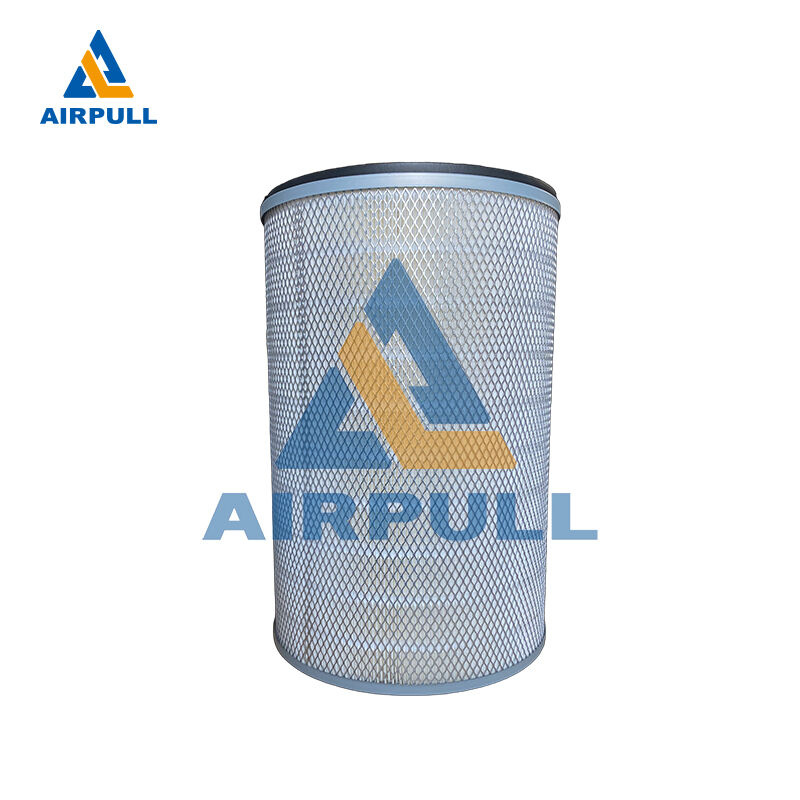
Sizing decisions in industrial gas cleaning are rarely just about fitting a housing or matching a pipe diameter. In practice, the right filter element for gas filtration is selected by balancing contaminant load, gas properties, operating pressure, and the real maintenance rhythm of the plant. When teams skip this sizing logic, they usually see unstable pressure drop, premature plugging, and unnecessary shutdowns. A reliable approach starts by defining process duty in measurable terms and then translating those values into filter area, velocity, and dirt-holding needs.
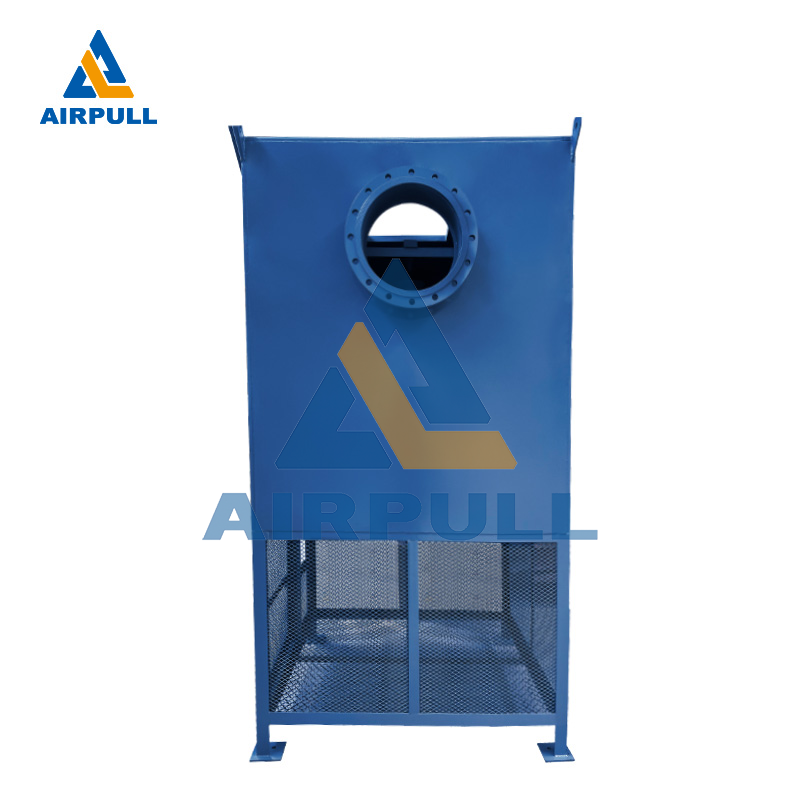
A properly sized filter element for gas filtration should protect downstream equipment while keeping energy use and maintenance frequency predictable. That means sizing is both a process engineering task and a lifecycle cost decision. The best results come from a step-by-step method: define gas duty, calculate allowable face velocity, verify pressure drop limits, and confirm service life under real loading patterns. This guide explains that workflow so you can size a filter element for gas filtration with fewer assumptions and better operating stability.
Define the gas duty before selecting dimensions
Translate process conditions into sizing inputs
The first step is to define normal and upset gas flow in actual operating conditions, not only nameplate values. Temperature, pressure, and humidity shift gas density, so volumetric flow must be corrected before choosing any filter element for gas filtration. If a system handles variable load, use the upper continuous operating flow as the main sizing reference and keep peak flow as a verification case. This prevents under-sizing when production ramps up.
You also need to capture whether the duty is continuous, batch, or cyclic, because duty pattern affects loading behavior and differential pressure growth. A filter element for gas filtration that looks adequate in average conditions may clog too quickly during high-load cycles. For hot gas service, include thermal expansion and any expected cooldown phases that can change gas moisture behavior. These details shape both area requirements and media choice.
Characterize contaminants with operational relevance
Particle size distribution matters more than a single micron number. Fine particles drive penetration risk, while coarse particles drive loading rate, and both influence the right filter element for gas filtration. Solid density, particle shape, and stickiness also affect cake structure and cleanability. Without this data, projected service life is often inaccurate.
Where aerosols or condensable vapors are present, filtration behavior can change from dry dust capture to mixed-phase loading. In that case, a filter element for gas filtration must be sized with attention to wetting risk and potential blinding. If corrosive species are present, material compatibility becomes part of sizing because failure mode shifts from clogging to structural degradation. Good sizing always links contaminant physics with mechanical and chemical constraints.
Calculate area and velocity with pressure drop limits
Set design flow and face velocity bands
Once process duty is clear, convert flow to a target filtration area using a face velocity range that matches your contaminant profile. The relationship is simple: higher velocity reduces required area, but it increases pressure drop and shortens life for each filter element for gas filtration. Lower velocity generally improves capture stability and extends service intervals, but requires more installed area. The right point is determined by your operating cost priorities and available footprint.
For most industrial systems, do not size from theoretical minimum area alone. Build a practical margin so each filter element for gas filtration can absorb short-term load increases without crossing differential pressure limits too quickly. This margin is especially important where feed quality varies by shift or season. A stable design avoids operating at the edge of acceptable velocity.
Use clean and dirty pressure drop as design boundaries
Initial pressure drop defines startup energy demand, while terminal pressure drop defines maintenance trigger and fan or compressor load growth. A correctly sized filter element for gas filtration stays within both limits throughout its intended run length. If clean pressure drop is already high, the system has little room for loading and becomes sensitive to minor process variation. That is a common sign of under-sized area.
Set clear differential pressure windows during design: expected clean value, normal operating band, and replacement threshold. Then validate whether each filter element for gas filtration can reach target operating hours before terminal pressure drop is reached. This converts sizing from a static calculation into a lifecycle performance model. It also helps maintenance teams plan replacements without reactive shutdowns.
Match media and construction to operating reality
Select media by filtration mechanism and loading behavior
Media choice is part of sizing because capture mechanism changes pressure drop evolution. A surface-loading design may keep stable efficiency and easier cleaning, while depth-loading behavior can offer strong retention but faster resistance growth for some dust types. The ideal filter element for gas filtration depends on whether your priority is maximum fine capture, long run time, or balanced performance. Process data should decide this tradeoff, not generic ratings.
Temperature tolerance and moisture response are equally important. If gas can cross dew point during transient operation, a filter element for gas filtration with poor moisture tolerance may blind rapidly. For chemically aggressive streams, choose media and support materials that maintain integrity over full exposure duration. Correct media alignment reduces both pressure instability and unplanned change-outs.
Verify mechanical design under pressure and pulse stress
A filter element for gas filtration must withstand real differential pressure excursions, not only nominal conditions. Startup surges, pulse cleaning forces, and occasional flow transients can deform weak structures and create bypass risk. End cap strength, seam quality, and core support geometry influence dimensional stability over time. Mechanical verification is a sizing requirement because failure changes effective area and filtration reliability.
Seal design also affects true performance. Even a high-grade filter element for gas filtration will underperform if gasket compression is inconsistent or if installation tolerance is poor. Include housing alignment and sealing force in your specification checks. In critical duty, small mechanical mismatches can dominate overall system efficiency more than media rating differences.
Validate service life, maintenance, and operating economics
Estimate run length from contaminant mass loading
Service life prediction improves when you estimate incoming particulate mass per hour and relate it to holding capacity under your target pressure window. This gives a practical run-length forecast for each filter element for gas filtration instead of relying on fixed calendar intervals. In variable production environments, use scenario ranges rather than one static value. That approach reduces both premature replacement and late replacement risk.
Where possible, combine design calculations with pilot or historical operating data. Real loading behavior often reveals whether the selected filter element for gas filtration is operating in a stable region or approaching rapid pressure rise. Trending these patterns early helps optimize area or media before full-scale rollout. Lifecycle validation is where theoretical sizing becomes operationally reliable.
Align replacement strategy with production risk
Maintenance planning should be embedded in the sizing decision. A filter element for gas filtration that requires frequent intervention may be acceptable in noncritical lines but costly in continuous production. Define replacement triggers by differential pressure trend and product quality risk, not by habit. This creates predictable maintenance windows and fewer emergency stoppages.
Total cost should include energy penalty from rising pressure drop, labor for change-outs, disposal handling, and downtime exposure. Sometimes a larger or more durable filter element for gas filtration has a higher purchase cost but a lower annual operating cost. Sizing with this full-cost view improves procurement decisions and plant reliability at the same time. The strongest designs are those that hold performance without constant operator correction.
FAQ
How early should sizing begin in a new gas treatment project?
Sizing should begin during process definition, before finalizing housing and fan or compressor selection. Early sizing ensures the chosen filter element for gas filtration aligns with pressure budget, footprint, and maintenance concept. Late-stage sizing often forces compromises that increase energy use or shorten service intervals.
Can one filter size cover both normal and peak production?
It can, but only when area and pressure drop margins are intentionally designed for peak continuous conditions. A single filter element for gas filtration that is sized only for average flow may perform acceptably at first and then fail stability checks during high-load periods. Verification against both normal and peak cases is necessary.
What operating signal best indicates under-sizing?
A fast differential pressure climb after replacement is the clearest indicator that the filter element for gas filtration is under-sized or mismatched to contaminant characteristics. Repeated short service cycles and unstable downstream quality are common companion signs. Monitoring pressure trend slope is often more useful than watching only absolute pressure values.
How often should sizing assumptions be reviewed after startup?
Review sizing assumptions after initial stabilization and then at regular operating intervals tied to production changes. When feed quality, temperature profile, or throughput shifts, the effective duty on the filter element for gas filtration changes as well. Periodic review keeps filtration performance aligned with current plant reality.