EN
EN



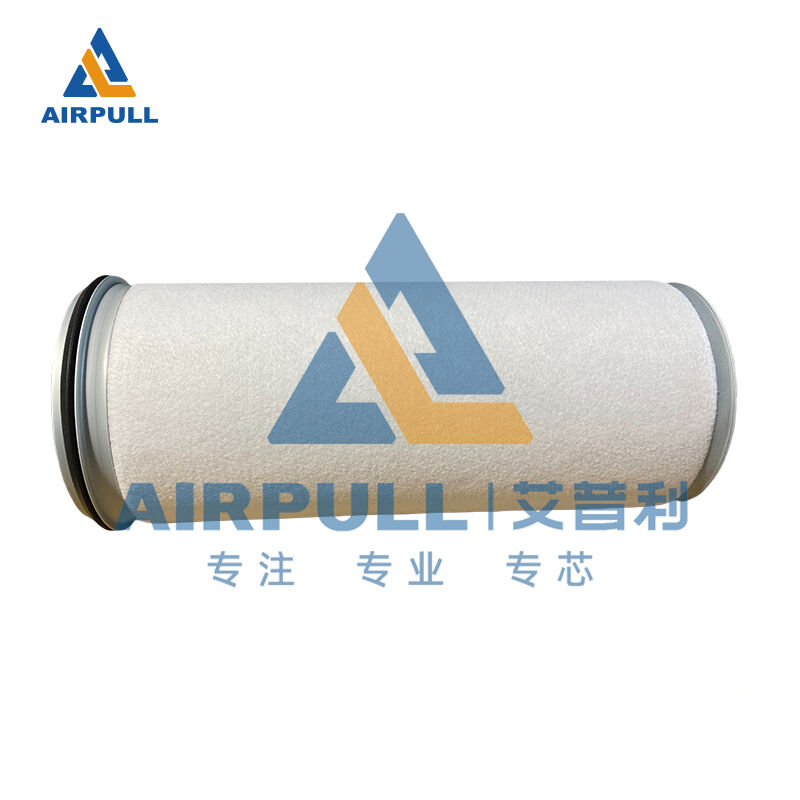
Maintaining an air element filter is not a minor housekeeping task in an industrial system; it is a reliability control point that protects compressors, blowers, and downstream equipment from avoidable wear. When the air element filter is ignored, contamination loads increase, pressure drop rises, and operating efficiency declines in ways that are often hidden until production is affected. A disciplined maintenance approach keeps airflow stable, protects component life, and helps teams avoid emergency shutdowns.
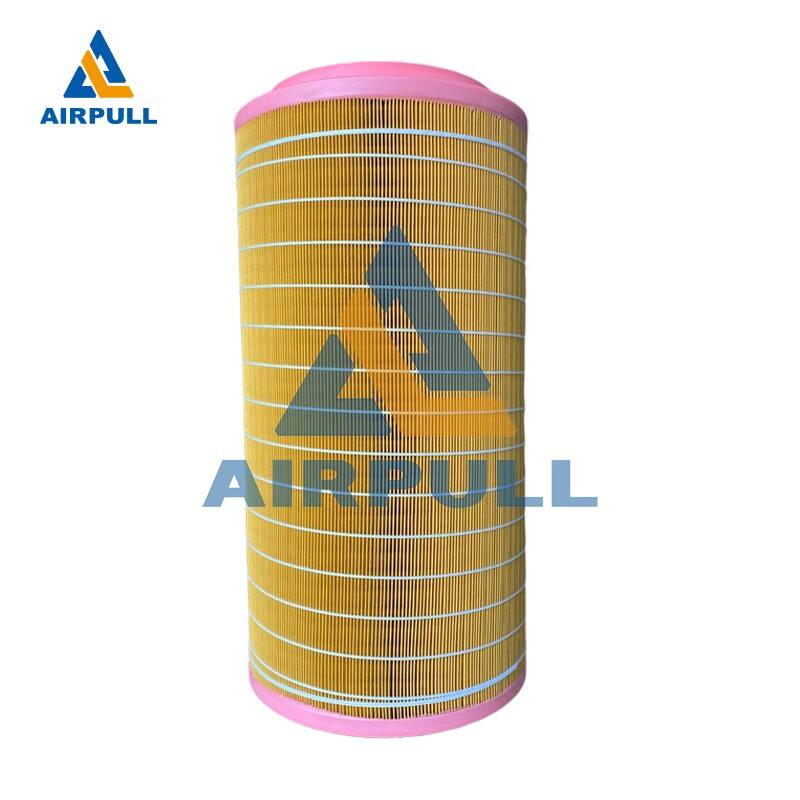
To maintain an air element filter correctly, technicians need more than a fixed replacement date. They need an operating method that combines inspection intervals, contamination tracking, cleaning discipline, and clear replacement thresholds. This article explains that method step by step so your air element filter program can move from reactive replacement to predictable performance management in real industrial conditions.
Build a Maintenance Baseline Before Touching the Filter
Define operating context and contamination profile
The first step in maintaining an air element filter is defining where and how it operates. A filter in a dusty cement handling area behaves very differently from a filter in a controlled packaging hall. Temperature swings, humidity, oil mist, and seasonal dust events all change how quickly an air element filter loads with particles. Without this context, teams often copy intervals from another line and get poor results.
Document the duty cycle, average running hours, and peak load periods for each asset that uses an air element filter. Include nearby process emissions and housekeeping quality around intake zones. This allows maintenance teams to predict loading patterns rather than reacting after pressure loss appears. A baseline like this turns filter care into an engineering task rather than guesswork.
Set reference values for pressure drop and service hours
Every air element filter should have a starting reference at installation. Record clean-condition differential pressure, flow conditions, and date of installation so future readings are meaningful. If this baseline is missing, a team may replace an air element filter too early, wasting cost, or too late, risking equipment stress. Reference values create a measurable path for decisions.
Use simple trend logging to track pressure rise over time. A smooth rise is normal as an air element filter captures contaminants, but sudden jumps often indicate upstream dust events, damaged seals, or incorrect installation. Service-hour tracking should support, not replace, pressure data. The best programs combine both so each air element filter change is justified by condition and runtime together.
Follow a Consistent Inspection Workflow
Inspect external housing and sealing surfaces first
Good maintenance begins before removing the air element filter from its housing. Check clamps, covers, gaskets, and intake ducts for looseness, cracks, or bypass paths. A perfectly clean air element filter cannot protect equipment if unfiltered air enters through a bad seal. Many recurring contamination problems come from housing defects, not filter media failure.
During inspection, clean around the housing opening before disassembly to prevent loose debris from dropping inside. Mark any recurring leak points and include them in routine checks. This habit improves the effectiveness of every air element filter service event because it controls contamination during handling. It also shortens troubleshooting time when pressure behavior becomes irregular.
Evaluate media condition without damaging the element
After removal, inspect the air element filter for pleat collapse, tears, oil saturation, moisture clumping, and uneven dust loading. Uneven patterns may indicate airflow imbalance or intake side turbulence. If the air element filter shows structural damage, replace it immediately instead of attempting recovery. Structural integrity is as important as particle capture efficiency.
Avoid rough handling, excessive tapping, or compressed-air cleaning methods that can rupture fibers. In many cases, aggressive cleaning reduces the protective performance of the air element filter even when it looks visually cleaner. Inspection should classify condition clearly as reusable only when approved by your site standard, or replace now. Consistency here prevents subjective decisions that reduce reliability.
Apply Correct Cleaning and Replacement Practices
Use controlled cleaning only when allowed by specification
Not every air element filter is designed for cleaning and reuse. Maintenance teams should verify media type and service guidance before any cleaning attempt. If reuse is allowed, use low-stress methods that remove loose dust without deforming pleats or damaging end caps. The goal is to restore airflow safely, not to make an old air element filter look new.
Cleaning should happen in a designated area away from open process equipment. Cross-contamination during maintenance can cancel the benefit of servicing the air element filter. Track how many times a reusable unit has been cleaned because repeated cycles reduce performance over time. Once pressure recovery becomes weak after cleaning, replacement is the better reliability choice.
Install replacement elements with contamination control discipline
When installing a new air element filter, verify part dimensions, gasket fit, and seating alignment before closing the housing. Misalignment can create bypass channels that expose compressors to abrasive particles. Handle the air element filter with clean gloves and keep protective packaging in place until the moment of installation. This protects the media from accidental damage and moisture pickup.
For direct procurement planning, teams often standardize around a validated air element filter specification that matches operating conditions. After installation, capture post-change pressure readings to confirm performance reset. A stable starting value proves the air element filter is seated correctly and the housing is sealed. This one step makes future diagnostics far more accurate.
Create a Predictive Program That Prevents Unplanned Downtime
Trend data and trigger thresholds for proactive action
A strong maintenance system treats the air element filter as a monitored asset, not a consumable with a random schedule. Build trend charts that combine differential pressure, runtime, ambient dust events, and maintenance history. Over several cycles, this reveals the normal loading curve for each air element filter position. Once the curve is known, intervention can be scheduled before production risk rises.
Define trigger levels for inspection, cleaning, and replacement based on operating evidence. A warning threshold prompts checks, while a critical threshold requires immediate air element filter action. This method reduces emergency work orders and helps maintenance coordinate with production windows. Predictive control also improves spare part planning and avoids both stockouts and overstock.
Train teams and standardize documentation across shifts
Even good procedures fail when shift-to-shift practices vary. Standard work instructions should define how to inspect, handle, store, and replace every air element filter in your facility. Include photo-based defect examples so technicians classify condition the same way. Consistent language in maintenance logs improves reliability analysis later.
Training should emphasize why each step matters, not only what to do. When technicians understand how a neglected air element filter affects compressor efficiency and downstream product quality, compliance improves. Add short refresher sessions after recurring failures to close knowledge gaps quickly. A trained team extends air element filter life while reducing risk to critical equipment.
FAQ
How often should an air element filter be checked in industrial service?
Inspection frequency depends on dust load, runtime intensity, and intake environment, but monthly checks are a practical baseline for many plants. High-particulate areas may require weekly review of pressure drop and housing condition. The best interval is based on trend data from each air element filter location, not a single site-wide guess.
Can an air element filter always be cleaned instead of replaced?
No. Some media types are not designed for reuse, and cleaning can damage filtration structure even when no tear is visible. Follow the approved service specification for each air element filter and replace immediately when structure, sealing edges, or pressure recovery performance is compromised.
What is the most common maintenance mistake with an air element filter?
A frequent mistake is focusing on the filter media while ignoring housing seals and intake leaks. Bypass air can carry contaminants around the air element filter and create wear despite regular replacement. Another common error is missing baseline pressure records, which makes replacement timing inconsistent and costly.
What signals show that an air element filter program needs improvement?
Warning signs include repeated high differential pressure alarms, unstable compressor performance, frequent emergency replacements, and inconsistent service notes between shifts. These usually indicate weak monitoring standards rather than isolated component issues. A structured maintenance plan with clear thresholds and documented handling steps will stabilize air element filter performance over time.