EN
EN


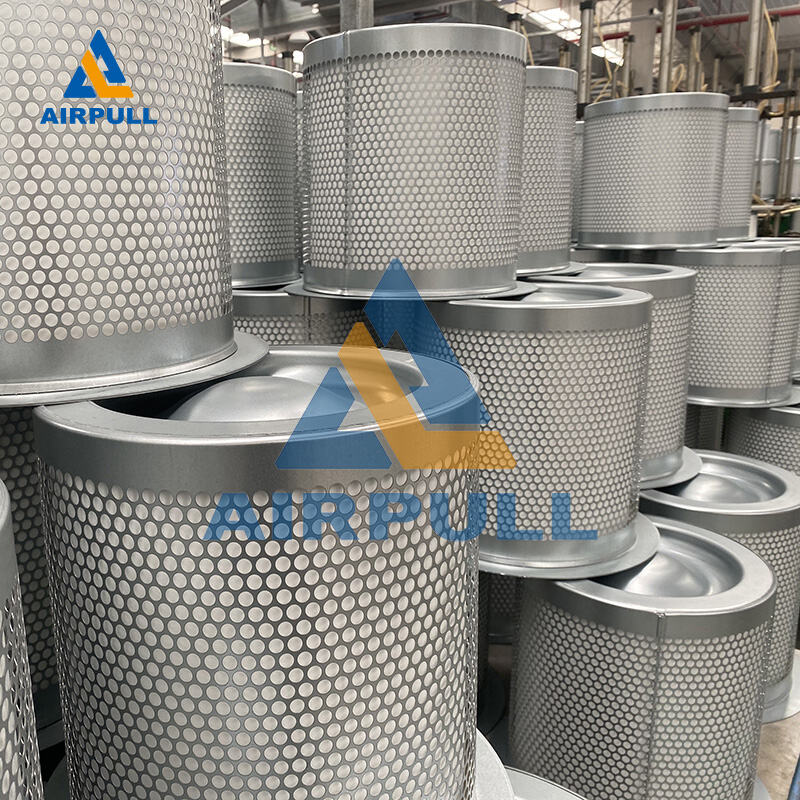
Testing an industrial filter element is not a single lab action. It is a controlled workflow that confirms whether the industrial filter element can protect equipment, maintain stable flow, and hold performance under real operating stress. In B2B and industrial settings, a weak test method can lead to wrong replacement intervals, unplanned shutdowns, and quality deviations. A strong method links bench data to field conditions so every industrial filter element decision is defensible.
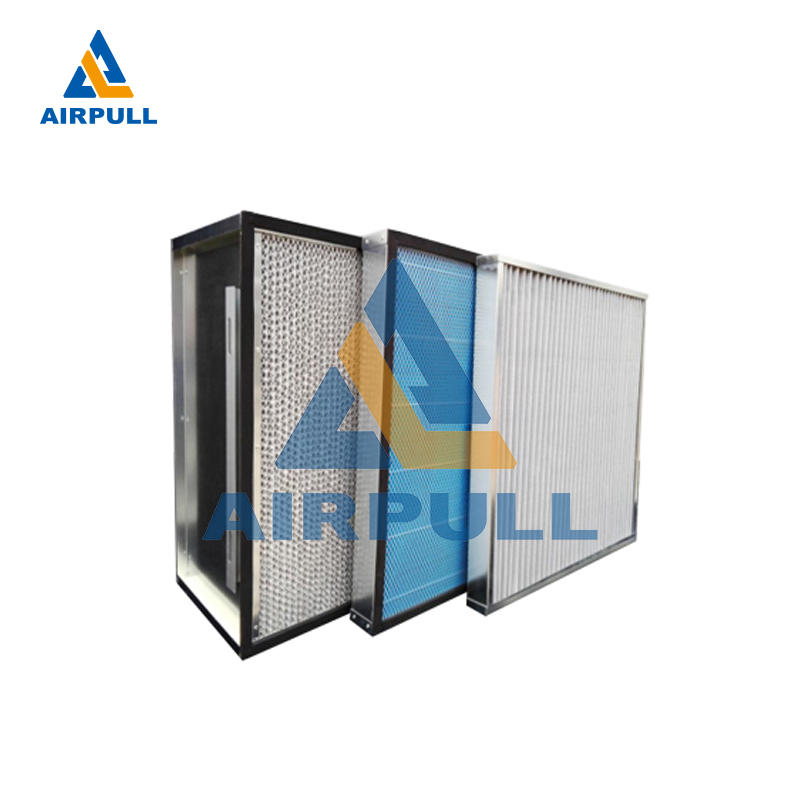
The most reliable way to test an industrial filter element is to follow four stages in sequence: define acceptance criteria, build a repeatable test setup, run performance and integrity tests, and interpret results for maintenance decisions. This article explains each stage in practical detail, with emphasis on how to test an industrial filter element for real plant conditions rather than idealized assumptions.
Define the test objective before touching the bench
Map operating conditions and failure risks
Before testing any industrial filter element, define what the element must survive and what it must remove. Capture normal flow rate, peak flow excursions, fluid or gas type, temperature band, pressure range, and expected contaminant profile. This operating map prevents a mismatch between a lab test and production reality. Without this step, an industrial filter element may pass a generic check and still fail in service.
Failure mode planning should be explicit. Some sites mainly struggle with premature pressure drop increase, while others face media rupture, seal bypass, or particle breakthrough during transient loads. Your test objective should identify which failure mode is most costly to your process. When the objective is clear, every industrial filter element result becomes actionable instead of purely descriptive.
Set measurable acceptance criteria
A useful test plan turns expectations into numeric thresholds. Typical criteria for an industrial filter element include initial differential pressure at rated flow, particle retention at defined size bands, dirt-holding capacity before terminal pressure drop, and structural integrity under pressure cycling. These limits should come from process criticality, not convenience. A critical compressor train may require tighter industrial filter element criteria than a non-critical utility loop.
Document pass and fail boundaries before you start. For example, define a maximum initial pressure drop and a minimum filtration efficiency under stable loading. Also define rejection triggers such as seal leakage, media deformation, or inconsistent repeat runs. When an industrial filter element is judged against pre-approved criteria, cross-functional teams can align quickly on replacement, redesign, or interval adjustment.
Build a repeatable and controlled test setup
Configure instrumentation and flow control
To test an industrial filter element correctly, bench stability matters as much as the element itself. Use calibrated differential pressure transmitters, accurate flow measurement, and temperature monitoring close to the housing inlet and outlet. Instrument drift can make a strong industrial filter element look weak, or hide gradual degradation. Calibration records should be part of the test file.
Flow control must reproduce both steady-state and realistic transient conditions. If your process sees startup surges, include controlled ramp tests to evaluate how the industrial filter element responds to rapid flow changes. Keep piping geometry consistent between runs to reduce turbulence-related variability. A repeatable test rig allows you to compare one industrial filter element batch against another with confidence.
Control sample preparation and contamination input
Sample handling errors can invalidate an entire campaign. Inspect each industrial filter element for shipping damage, end-cap defects, and seal condition before installation. Confirm orientation and seating torque in the housing, because installation variation can create artificial bypass. A correctly mounted industrial filter element gives data that reflects media performance, not assembly noise.
Contaminant dosing should be standardized by particle type, concentration, and feed rate. If you are testing with process-representative dust or slurry, pre-mix and verify uniformity so each industrial filter element sees equivalent loading. Even minor inconsistency in contaminant feed can distort dirt-holding and efficiency comparisons. Consistency is the foundation of any credible industrial filter element test protocol.
Execute core test methods in the right sequence
Measure differential pressure and flow behavior
Start with clean-condition pressure drop at multiple flow points. This establishes the baseline hydraulic behavior of the industrial filter element and helps identify media density or pleat geometry issues. Record pressure drop after thermal stabilization, not immediately after startup, to avoid false readings. Repeat measurements to confirm that the industrial filter element response is stable and reproducible.
Continue with loading tests that track pressure drop rise over time. The slope of that curve reveals how quickly the industrial filter element consumes available capacity under contaminant stress. A shallow, predictable curve usually supports longer service intervals, while a steep early rise indicates fouling sensitivity. This step is central when testing an industrial filter element for lifecycle cost control.
Verify retention efficiency and breakthrough behavior
Efficiency testing should measure upstream and downstream particle counts at defined size channels. The goal is not only peak efficiency, but stable efficiency across time and loading stages. A strong industrial filter element maintains retention as contaminant burden increases, rather than dropping sharply after initial performance. Include checks at different flow conditions to see how velocity affects industrial filter element capture behavior.
Breakthrough analysis is equally important. Track the point where downstream particle concentration begins to rise beyond acceptable limits, and correlate it with pressure drop and loading mass. This shows the practical end-of-life behavior of the industrial filter element, which is often more useful than a single nominal rating. Plants that rely on sensitive downstream equipment need this data to avoid hidden contamination risk.
Test structural integrity under stress conditions
An industrial filter element can show strong efficiency and still fail mechanically under pressure cycling or surge events. Run burst, collapse, and cyclic pressure resistance tests aligned with your operating envelope. Observe media separation, pleat deformation, adhesive failures, and seal displacement. Mechanical resilience is a non-negotiable part of industrial filter element qualification.
Where relevant, include thermal and chemical compatibility exposure before retesting integrity. Changes in fluid chemistry or temperature can weaken components over time, even when short bench runs look acceptable. A qualified industrial filter element should retain structure and sealing function after representative exposure. This prevents false confidence from short-duration tests that ignore cumulative stress.
Interpret results and convert data into maintenance action
Use pass-fail logic plus trend analysis
After testing, evaluate each industrial filter element against predefined limits and then examine trend behavior across the full run. A pass result with unstable trends may still signal field risk, especially in critical systems. Review pressure drop progression, efficiency stability, and any signs of mechanical change together, not in isolation. Integrated interpretation gives a truer picture of industrial filter element suitability.
Repeatability across samples is essential for procurement confidence. If one industrial filter element performs well but the next two show drift, the issue may be process variation rather than design capability. Use replicate data to set realistic quality expectations and incoming inspection controls. This is how testing supports long-term reliability instead of one-time approval.
Translate findings into interval and reliability decisions
Testing should end with a clear operational decision: approve, conditionally approve with tighter monitoring, or reject for the target duty. For approved configurations, define replacement intervals based on measured loading behavior and breakthrough margin, not calendar assumptions alone. This turns industrial filter element testing into maintenance optimization. It also reduces unnecessary changeouts that add cost without reducing risk.
Where test outcomes indicate improvement potential, link actions to root cause. You may need housing seal corrections, contaminant pre-control, or a different grade of industrial filter element to match duty severity. Keep a closed-loop record connecting bench data, field performance, and corrective updates. Over time, this data discipline strengthens every industrial filter element decision across sites.
FAQ
How often should an industrial filter element be retested?
Retest an industrial filter element whenever operating conditions, contaminant profile, or process criticality changes in a meaningful way. Many teams also retest during major procurement shifts or after repeated field anomalies. A periodic verification cycle helps confirm that the industrial filter element still matches current duty, not historical assumptions.
Can one test method prove complete industrial filter element quality?
No single method is enough for industrial filter element qualification. Pressure drop, efficiency, dirt-holding, and structural integrity each reveal different risk dimensions. Combining these tests in a defined sequence gives a reliable decision framework for industrial filter element performance and service life planning.
What causes mismatch between lab and field results for an industrial filter element?
Mismatch usually comes from unrealistic contaminant simulation, unstable flow control, installation variation, or missing surge and temperature effects. An industrial filter element may appear strong in simplified conditions but weaken under true process dynamics. Aligning test parameters with site reality is the most effective way to reduce this gap.
What is the first warning sign that an industrial filter element strategy needs adjustment?
A recurring early rise in differential pressure is often the first warning that the industrial filter element strategy is misaligned. When this trend appears alongside rising downstream particle counts or frequent changeouts, review both the element specification and the test protocol. Early intervention keeps industrial filter element issues from escalating into downtime and equipment damage.
Table of Contents
- Define the test objective before touching the bench
- Build a repeatable and controlled test setup
- Execute core test methods in the right sequence
- Interpret results and convert data into maintenance action
-
FAQ
- How often should an industrial filter element be retested?
- Can one test method prove complete industrial filter element quality?
- What causes mismatch between lab and field results for an industrial filter element?
- What is the first warning sign that an industrial filter element strategy needs adjustment?