EN
EN


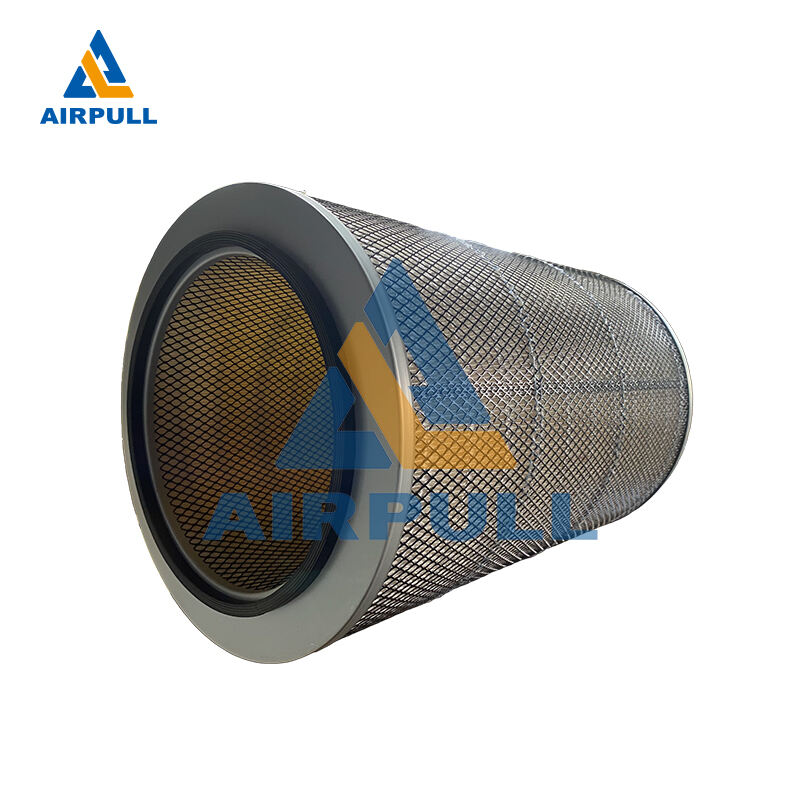
Choosing a filter element supplier is a strategic sourcing decision, not a routine purchasing task. In industrial operations, filtration quality affects equipment uptime, maintenance cycles, compressed air quality, fluid cleanliness, and energy efficiency. That means the right filter element supplier protects production continuity, while the wrong filter element supplier can create hidden costs through pressure drop issues, short service life, and inconsistent fit. If your goal is to pick a filter element supplier with confidence, you need a structured method that links technical fit, process control, and commercial reliability.
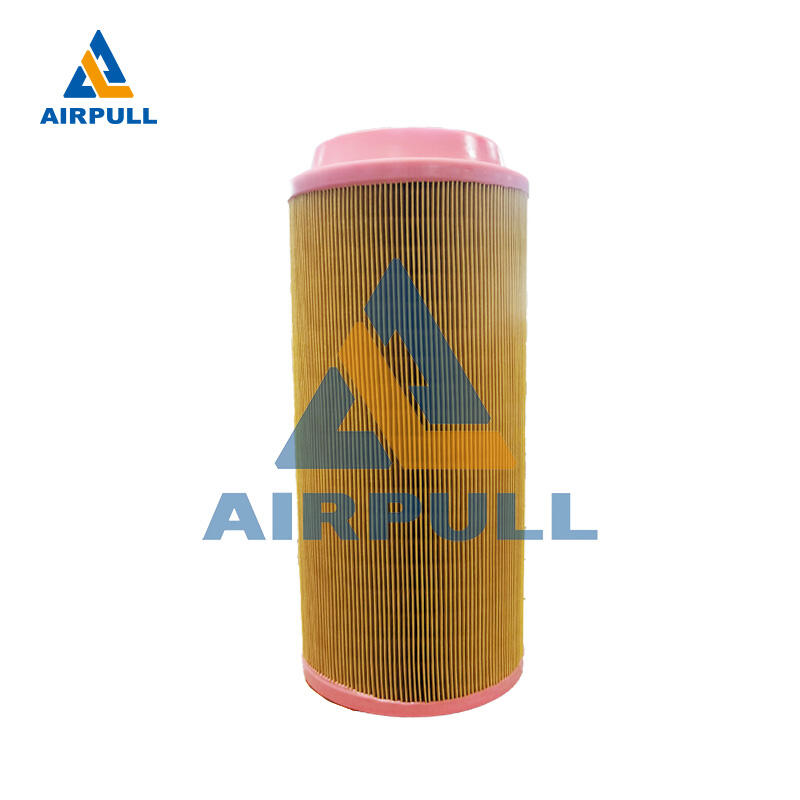
The most effective way to pick a filter element supplier is to evaluate in stages: define your operating requirements, test supplier capability against those requirements, validate execution through controlled orders, and then scale with performance governance. This approach helps procurement, maintenance, and engineering teams align around measurable criteria instead of price-only decisions. A disciplined selection process also makes it easier to compare each filter element supplier on practical outcomes such as consistency, response speed, and long-term risk.
Build a Clear Qualification Baseline
Define technical and operating requirements
Before contacting any filter element supplier, document the exact operating context of your system. Include media type, contamination profile, temperature range, pressure range, flow conditions, and required filtration grade. A filter element supplier can only propose the correct construction when these boundary conditions are clear and complete. Without this baseline, quotations may look comparable while the actual filter element design intent differs significantly.
Your specification should also define compatibility requirements for housings, sealing interfaces, and dimensional tolerances. Many sourcing failures occur when a filter element supplier matches nominal size but misses tolerance behavior under thermal or pressure variation. It is useful to include target service life under real duty cycle, not ideal lab assumptions. This lets every filter element supplier respond to the same performance expectation and reduces interpretation gaps.
In B2B environments, cross-functional input improves supplier screening quality. Maintenance teams identify recurring failure modes, production teams share critical uptime windows, and quality teams define acceptance controls. When these inputs are merged into one technical brief, each filter element supplier is evaluated against business-critical realities rather than isolated component data. That makes downstream qualification faster and more objective.
Verify quality system and traceability discipline
After defining technical needs, verify whether a filter element supplier has stable quality discipline. Focus on incoming material checks, in-process controls, final inspection methods, and nonconformance handling. A capable filter element supplier should explain how batch records are maintained and how process deviations are contained. This is essential when production lines require repeatable filtration behavior across multiple shipments.
Traceability is especially important for regulated or high-risk operations. Ask how the filter element supplier tracks media lots, adhesive batches, seal material sources, and assembly parameters. Strong traceability allows faster root-cause analysis when field issues appear. A weaker filter element supplier may provide acceptable samples but struggle to maintain the same control at scale.
Documentation quality is a practical indicator of operational maturity. If a filter element supplier can provide coherent technical files, inspection records, and revision histories without delay, internal process ownership is usually stronger. This does not guarantee perfect performance, but it reduces uncertainty. In supplier selection, reducing uncertainty is often as valuable as reducing unit cost.
Evaluate Engineering and Production Fit
Review material and design capability
Not every filter element supplier has the same depth in media selection and element construction. Evaluate whether the team can discuss particle retention, flow resistance, structural integrity, and contamination loading in practical terms. A strong filter element supplier should connect design choices to your operating profile and explain tradeoffs clearly. That clarity helps you avoid over-specification and under-specification at the same time.
Ask for evidence of application-specific engineering decisions. For example, a filter element supplier should justify why a given media, pleat geometry, or end-cap method is suitable for your cycle conditions. Technical confidence matters most when conditions fluctuate and downtime is expensive. In these scenarios, a technically mature filter element supplier becomes a risk-control partner, not just a parts vendor.
When relevant, review the supplier’s ability to support adaptation requests such as modified dimensions, seal material adjustments, or staged filtration schemes. A responsive filter element supplier with practical design flexibility can extend equipment life and improve maintenance planning. Rigid catalogs may work for standard use cases, but many industrial lines require controlled customization over time.
Assess manufacturing stability and change control
Production capability should be evaluated beyond capacity claims. A dependable filter element supplier maintains stable process windows, consistent tooling condition, and controlled assembly variables. Ask how process drift is monitored and what triggers corrective actions. This helps distinguish a scalable filter element supplier from one that performs well only on small initial batches.
Change control is another decisive factor. Over a long contract period, raw materials, subcomponents, or methods may need updates. A professional filter element supplier communicates changes in advance, validates impact, and obtains approval before implementation. A weak filter element supplier may introduce silent changes that alter pressure behavior or service life without immediate visibility.
Site audits, remote process reviews, or structured capability questionnaires can all support this stage. The goal is to confirm that each filter element supplier can reproduce quality at the pace your operation demands. Stability over twelve months is more valuable than an impressive first delivery. Industrial procurement succeeds when consistency is treated as a measurable asset.
Test Commercial and Service Execution
Align lead time, MOQ, and inventory strategy
Commercial terms must match operational reality. A qualified filter element supplier should offer lead-time commitments that fit maintenance windows and production planning cycles. If lead time is technically acceptable but variable, your inventory buffer may grow and total carrying cost will rise. Selecting a filter element supplier without this analysis can shift risk from procurement to operations.
Minimum order quantity should also be tested against consumption pattern and shelf-life considerations. The right filter element supplier supports a stocking model that balances supply security and cash efficiency. Excess MOQ can lock working capital, while too small replenishment can increase logistics complexity. The best filter element supplier for your site is the one that fits your demand rhythm, not only your unit price target.
Commercial clarity includes packaging standards, labeling consistency, and delivery document accuracy. These details shape receiving efficiency and internal traceability quality. A disciplined filter element supplier reduces administrative friction at every handoff point. Over time, lower friction translates into lower total cost of ownership.
Confirm communication speed and issue resolution
Service performance becomes visible when conditions are imperfect. Evaluate how quickly each filter element supplier responds to specification questions, forecast changes, and corrective action requests. Fast, technically accurate communication protects uptime when urgent replacement decisions are needed. Slow response from a filter element supplier can extend troubleshooting cycles and increase production exposure.
Issue resolution should be mapped as a process, not a promise. Ask for standard response windows, escalation contacts, and root-cause reporting format. A reliable filter element supplier treats complaints as process data and closes the loop with preventive measures. This behavior indicates whether long-term collaboration will improve or remain reactive.
When reviewing options, include one benchmark source that already presents relevant industrial scope, such as this filter element supplier reference page. The point is not to choose by web appearance, but to compare how clearly a supplier communicates technical focus, application fit, and support capability. Better transparency usually leads to faster qualification cycles.
Run a Low-Risk Validation Process
Start with pilot orders and acceptance criteria
Once a shortlist is formed, validate each filter element supplier through controlled pilot orders. Define acceptance criteria before shipment, including dimensional checks, sealing integrity, pressure behavior, and appearance standards. A pilot lets you verify whether a filter element supplier can execute your specification consistently outside sample conditions. It also reveals hidden gaps in packaging, labeling, and logistics coordination.
Field validation should reflect real operating load where possible. Monitor installation fit, differential pressure trend, and replacement interval behavior during normal production. A credible filter element supplier will support this phase with technical follow-up and interpretation guidance. Decisions based only on bench checks may miss practical issues that appear during long cycle operation.
Document pilot outcomes in a repeatable scorecard shared across procurement, engineering, and maintenance. This prevents selection bias and keeps the decision tied to measured evidence. The best filter element supplier in this phase is the one that meets requirements with minimal corrective loops. Reliability under real constraints should outweigh headline claims.
Expand with performance reviews and governance
After successful pilots, scale sourcing with clear governance. Set review cadence for quality performance, on-time delivery, response speed, and corrective action closure. Regular governance helps a filter element supplier stay aligned as your production profile evolves. It also creates early warning signals before small deviations become recurring failures.
Define a formal change notification pathway and dual-approval mechanism for technical revisions. This keeps every filter element supplier accountable for transparency and protects your validated operating baseline. Governance is not bureaucracy for its own sake; it is the structure that preserves consistency through growth, staffing changes, and demand fluctuations.
In practice, teams that treat supplier selection as a lifecycle process achieve better long-term outcomes than teams that treat it as a one-time purchase. Picking a filter element supplier is successful when qualification logic, pilot evidence, and ongoing control are connected. That is how industrial buyers turn component sourcing into operational risk management.
FAQ
How long does it usually take to qualify a filter element supplier?
For most industrial teams, initial screening to pilot completion takes several weeks to a few months, depending on complexity and internal approval speed. A faster timeline is possible when technical requirements are clearly documented at the start. The qualification cycle for a filter element supplier shortens when engineering, quality, and procurement use one shared scorecard and fixed acceptance criteria.
Can one filter element supplier cover all plant filtration needs?
Sometimes, but not always. A single filter element supplier may handle a broad range if your applications are technically similar and demand profile is stable. In mixed operations with very different media or operating conditions, buyers often keep segmented sourcing while still applying the same evaluation framework to each filter element supplier.
What is the biggest mistake when selecting a filter element supplier?
The most common mistake is choosing by unit price without validating process control and real operating performance. A low quoted price can be offset by shorter service life, inconsistent fit, or delayed corrective actions. The stronger approach is to evaluate each filter element supplier on total cost impact, including downtime risk and maintenance burden.
How should teams compare two similar filter element supplier options?
When technical offers look similar, compare execution evidence: traceability depth, change control discipline, pilot consistency, and service response quality. These factors predict long-term reliability better than brochure language. A filter element supplier that communicates clearly, documents thoroughly, and closes issues quickly usually creates lower operational risk over time.