EN
EN


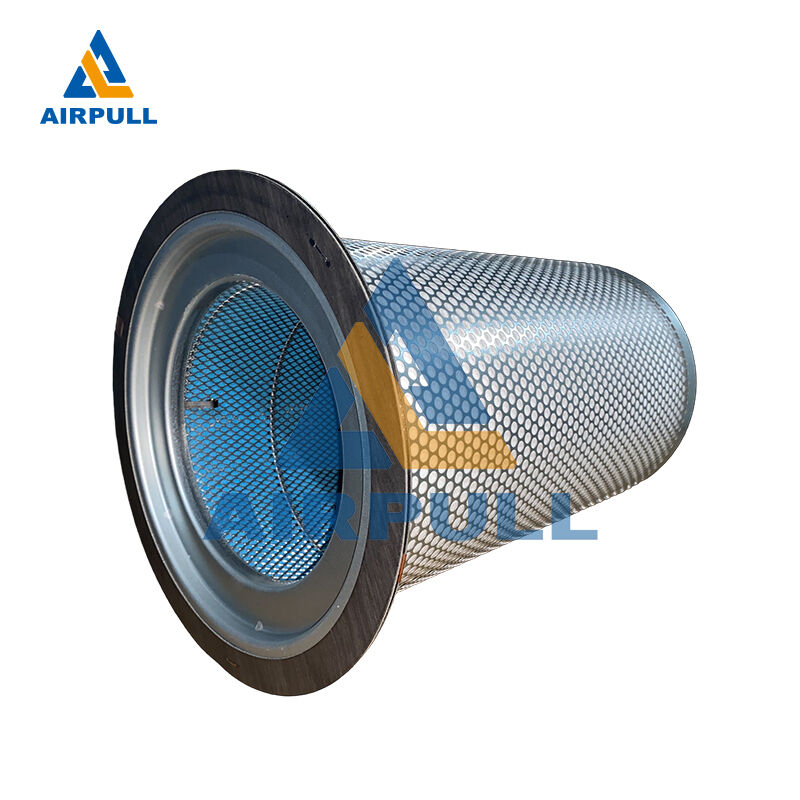
Comparing filter element price is not just a procurement exercise; it is a reliability and lifecycle cost decision that affects uptime, maintenance rhythm, and compressed air quality outcomes. In industrial purchasing, a low filter element price can look attractive in a quote review, yet that same filter element price may hide shorter service life, higher pressure drop, or unstable quality consistency. The right method is to compare filter element price in relation to technical equivalence, operating conditions, and total operating impact. This article explains a practical process to compare filter element price with decision-grade accuracy.
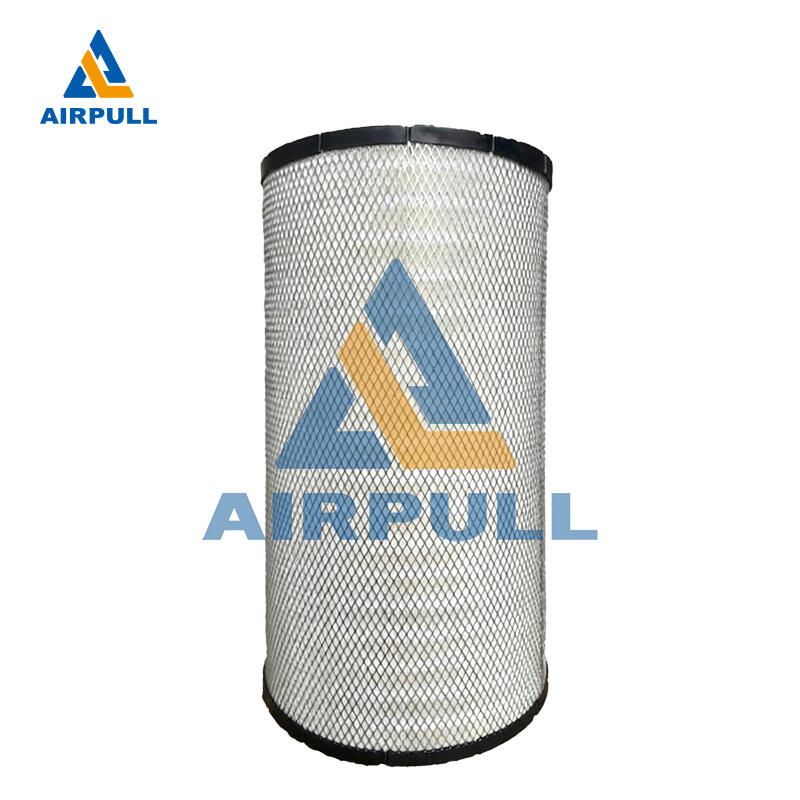
A disciplined comparison starts by reframing the question from "Which quote is cheaper?" to "Which filter element price delivers the best cost-performance balance in this specific system?" When teams compare only unit quotes, the selected filter element price often leads to hidden costs through extra replacements, process interruptions, and avoidable energy draw. By using a structured framework, you can evaluate filter element price across technical, operational, and commercial dimensions and make a decision that holds up after installation, not only at purchase approval.
Set the Comparison Scope Before Looking at Numbers
Define the operating context that shapes filter element price value
Before comparing any filter element price, confirm the actual duty profile of the application. Pressure level, airflow variation, contamination load, ambient temperature, and operating hours all influence how meaningful a quoted filter element price really is. Two plants can receive the same filter element price, but their effective cost outcome differs if one runs continuous shifts and the other runs intermittent cycles. Context prevents false equivalence and protects your team from buying to a number instead of a requirement.
Procurement and maintenance teams should also align on criticality class. In low-criticality circuits, a modest filter element price trade-off may be acceptable when replacement access is easy. In high-criticality process lines, a slightly higher filter element price can be justified by longer stable performance and reduced intervention frequency. When criticality is documented first, each filter element price is interpreted against business impact rather than isolated as a standalone expense.
Align technical equivalence before direct filter element price comparison
A valid filter element price comparison requires matching core technical parameters. Micron rating, filtration efficiency curve, collapse strength, sealing compatibility, and housing fit all affect whether one filter element price is truly comparable to another. If specifications are mismatched, a lower filter element price may simply reflect lower technical capability rather than better commercial value. Engineering equivalence should be approved before commercial scoring begins.
Documentation depth matters as much as headline specs. A supplier may show a competitive filter element price while giving limited traceability on test methods or material consistency. Another option with a similar filter element price may include clearer batch control and quality records, reducing risk exposure during audits. Equalizing documentation quality ensures each filter element price is judged on the same confidence level.
Break Down the Cost Drivers Behind Filter Element Price
Material and media choices explain major filter element price variation
Raw material architecture is a primary driver of filter element price. Media composition, pleat stability, end-cap material, and adhesive system influence both initial filter element price and field durability. A lower filter element price can result from reduced media mass or simplified construction, which may shorten effective service intervals under high dust loading. Understanding material logic helps buyers compare filter element price with realistic lifecycle expectations.
Performance stability over time should be connected directly to filter element price assessment. Some designs maintain pressure behavior more consistently, which can offset a higher filter element price through reduced system stress and fewer emergency swaps. When material quality is treated as a measurable input, your filter element price analysis becomes predictive instead of reactive. This is especially important in operations where shutdown windows are limited.
Manufacturing control and quality assurance affect real filter element price risk
Production discipline can significantly change the risk profile behind the same stated filter element price. Process repeatability, inspection checkpoints, and defect containment systems determine whether the quoted filter element price is supported by stable output. A very low filter element price may indicate tight cost control, but it can also reflect reduced inspection depth that pushes quality variance downstream to the user. Risk-adjusted comparison makes this trade-off visible.
Lead time and supply continuity also belong in filter element price analysis. A stable, predictable supply at a slightly higher filter element price can outperform a cheaper quote that causes stockouts and reactive buying. When teams include continuity cost, the preferred filter element price often shifts from lowest unit cost to lowest disruption exposure. That shift improves operational resilience and planning accuracy.
Build a Decision Model for Filter Element Price Comparison
Use normalized metrics instead of raw filter element price alone
A practical model converts each filter element price into normalized operational metrics. Cost per operating hour, cost per maintenance cycle, and cost per stable performance window are useful ways to evaluate filter element price under real conditions. This avoids the common mistake of selecting by invoice line only. It also gives finance and maintenance a shared language for interpreting filter element price outcomes.
When collecting quotes, keep the commercial template standardized so each filter element price is captured with identical assumptions. Include volume brackets, delivery terms, warranty conditions, and replacement interval basis next to every filter element price. Consistent data formatting removes hidden bias and makes approval discussions faster. Decisions become evidence-led rather than preference-led.
Combine commercial data with field performance evidence
Historical maintenance records are a critical companion to filter element price. If prior installations show frequent replacement at a low filter element price, that pattern should be weighted heavily in new evaluations. Field evidence can reveal that a higher filter element price creates lower annual spend when downtime and labor are included. This is where many organizations recover hidden cost leakage.
For teams evaluating current options, one practical reference point is filter element price transparency tied to clear application details. The value of any quoted filter element price increases when technical context and delivery terms are explicit. Buyers can then compare on facts, not assumptions. Transparent quoting shortens the cycle from inquiry to confident purchase.
Apply Risk-Adjusted Purchasing Logic to Filter Element Price
Balance short-term budget pressure with long-term filter element price outcomes
Many purchasing teams operate under quarterly cost pressure, which can over-prioritize immediate filter element price reduction. A better approach maps short-term filter element price savings against medium-term maintenance effort, energy behavior, and unplanned intervention probability. This prevents decisions that look efficient on paper but increase operational drag. The best filter element price is the one that survives full-period performance review.
Cross-functional sign-off improves filter element price decisions. Engineering validates technical fit, maintenance confirms service implications, and procurement validates commercial competitiveness of each filter element price. When these inputs are integrated, organizations avoid one-dimensional selection and reduce post-purchase disputes. The decision record also becomes easier to defend during internal audits.
Create a repeatable governance process for filter element price reviews
A repeatable governance cycle turns ad hoc quote checks into controlled filter element price management. Define review intervals, requalification triggers, and performance checkpoints linked to every approved filter element price. Over time, this builds an internal benchmark library that improves negotiation quality and demand planning. Consistency creates better outcomes than one-time bargaining.
The final goal is not simply to minimize filter element price, but to optimize it for your operating reality. When teams compare filter element price through technical equivalence, lifecycle evidence, and risk cost, they make choices that protect uptime and budget together. This method is practical, auditable, and scalable across multiple facilities. It turns filter element price from a quote figure into a strategic operating variable.
FAQ
How often should we re-evaluate filter element price in ongoing contracts?
Re-evaluating filter element price every six to twelve months is a common and practical cycle in industrial purchasing. The right frequency depends on demand volatility, maintenance trends, and any material cost shifts affecting filter element price. Reassessment should also be triggered by recurring quality incidents or service-life deviations. A scheduled cadence keeps filter element price aligned with current operating and market conditions.
Can a higher filter element price still reduce total annual cost?
Yes, a higher filter element price can reduce annual cost when it delivers longer stable operation, fewer replacements, and lower disruption risk. Unit filter element price is only one part of ownership cost in B2B operations. When labor, downtime, and emergency procurement are included, the initially higher filter element price may become the financially stronger option. Lifecycle-based comparison is the key test.
What is the biggest mistake when comparing filter element price quotes?
The biggest mistake is comparing filter element price without confirming technical equivalence and operating context. A low filter element price for a non-equivalent specification is not a true saving; it is a shifted risk. Another common issue is ignoring performance evidence from maintenance records when judging filter element price. Effective comparison requires commercial, technical, and field data together.
Which teams should be involved in final filter element price approval?
Final filter element price approval should involve procurement, maintenance, and engineering at minimum. Procurement validates market competitiveness of the filter element price, engineering validates specification fit, and maintenance validates service impact. In higher-criticality environments, finance may also review long-term implications tied to filter element price. Shared ownership improves decision quality and accountability.