EN
EN


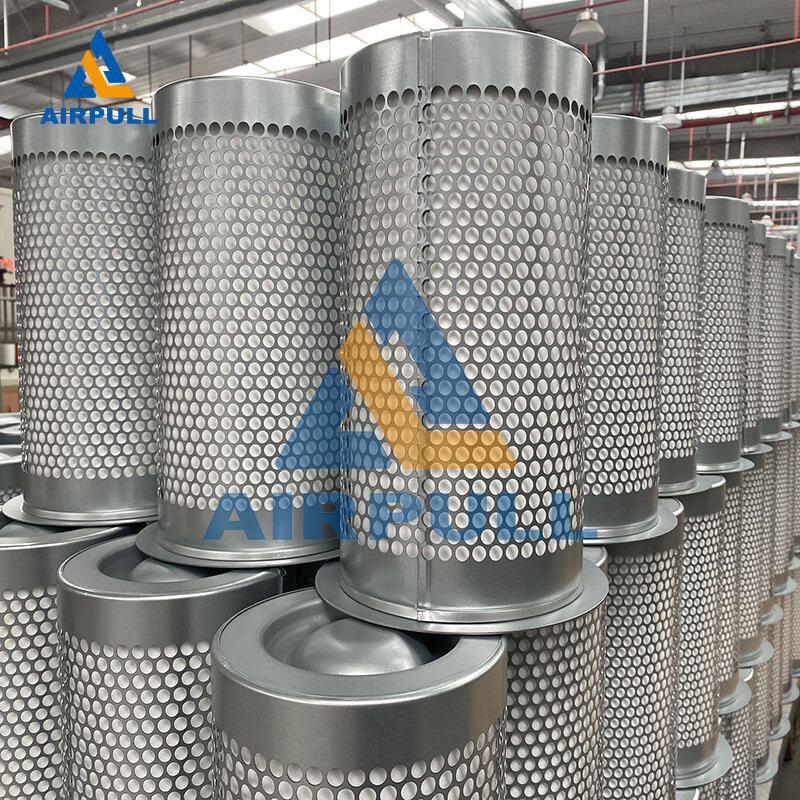
Choosing a filter element manufacturer is not a routine procurement task. In industrial operations, a wrong source can create pressure instability, contamination risk, unnecessary shutdowns, and avoidable maintenance cost. The practical way to verify a filter element manufacturer is to audit technical capability, process discipline, and quality evidence in sequence, not just compare price sheets. When you follow a verification workflow, you reduce uncertainty before long-term supply decisions are made.
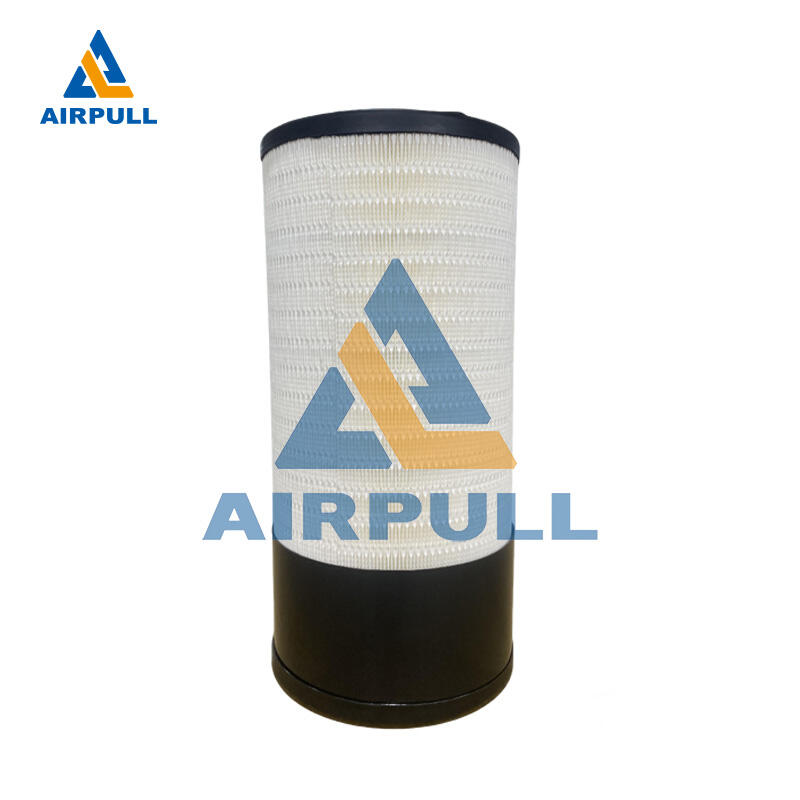
This guide explains exactly how to verify a filter element manufacturer step by step, with a focus on B2B and industrial use. You will see what documents to request, what production controls matter, how to test sample consistency, and how to confirm delivery reliability. By the end, you should be able to separate a marketing-oriented filter element manufacturer from an operations-ready partner that can support stable output over time.
Set Verification Criteria Before Contacting Any Supplier
Define your operating envelope and filtration objective
Start with your own system conditions before evaluating any filter element manufacturer. Record media type, contamination profile, pressure range, temperature band, and required filtration rating. A serious filter element manufacturer should be able to map these variables to media selection, support structure, adhesive compatibility, and collapse resistance. If your criteria are vague, even a capable filter element manufacturer cannot provide a reliable recommendation.
In many projects, verification fails because buyers ask for a direct part match without clarifying process loads. A qualified filter element manufacturer will ask about duty cycle, transient conditions, and service interval targets. That questioning behavior is useful evidence. It shows the filter element manufacturer is engineering around performance stability rather than simply quoting a catalog item.
Convert internal requirements into measurable acceptance points
Build a short acceptance matrix before requesting quotations from a filter element manufacturer. Include filtration efficiency range, differential pressure behavior, structural durability, seal integrity, and traceability requirements. Each point should have measurable pass criteria, because objective verification is impossible when requirements are descriptive only. A disciplined filter element manufacturer usually responds with matched test methods and tolerance ranges.
Also define which evidence is mandatory at bidding stage and which can be reviewed later. For example, you may require material specifications and dimensional controls before sample approval, then process audit records before volume release. This staged model keeps evaluation structured and makes it easier to compare each filter element manufacturer on equal terms. It also reduces the risk of selecting a filter element manufacturer based on incomplete technical signals.
Verify Technical Competence Through Documents and Engineering Dialogue
Check engineering depth, not just product claims
When you first review a filter element manufacturer, do not stop at product pages. Ask for technical drawings, media specifications, sealing material data, and critical dimension controls. A capable filter element manufacturer should explain how design choices affect pressure drop, contaminant holding capacity, and service life. Clear technical linkage is one of the fastest ways to verify real competence.
You can also evaluate response quality during engineering Q&A. A reliable filter element manufacturer gives specific answers tied to application constraints and known trade-offs. A weak filter element manufacturer often relies on broad statements without test context. The goal is not to receive perfect numbers immediately, but to confirm that the filter element manufacturer uses consistent engineering logic.
Confirm test capability and report transparency
Ask what internal or third-party testing is used by the filter element manufacturer for filtration performance, burst strength, pressure cycling, and material compatibility. Verification improves when test reports include method references, sample conditions, and acceptance boundaries. A mature filter element manufacturer can explain what each test proves and what it does not prove. That transparency matters more than promotional language.
For practical benchmarking, request sample reports from previous production lots with sensitive customer details removed. A dependable filter element manufacturer is typically comfortable sharing report formats and quality checkpoints. During this step, one useful reference point can be a published industrial page such as filter element manufacturer information that reflects application context and part-level detail. What matters is whether the data structure supports technical decision-making.
Audit Production and Quality Control for Repeatability
Evaluate process discipline across incoming, in-process, and final checks
Even if design intent is strong, results depend on manufacturing control. A trustworthy filter element manufacturer should show incoming inspection standards for media, end caps, seals, and adhesives. In-process controls should cover pleat geometry, bonding consistency, cure conditions, and dimensional checkpoints. Final inspection from a serious filter element manufacturer normally includes visual, dimensional, and performance-related verification tied to lot records.
Pay attention to traceability structure. Each batch from a reliable filter element manufacturer should be traceable to material lots, production date, and inspection outcomes. This allows fast root-cause analysis if performance shifts in the field. Without traceability, any filter element manufacturer becomes difficult to manage under real industrial uptime pressure.
Assess quality system behavior under deviations
Verification is strongest when you examine how a filter element manufacturer handles nonconformance. Ask for anonymized corrective action examples showing issue detection, containment, root cause, and preventive action. A mature filter element manufacturer will have a documented path for escalation and closure. This is critical because deviation response quality often predicts long-term supply reliability better than a perfect brochure.
Also review change control practices. If a filter element manufacturer updates media source, adhesive formulation, or tooling conditions, there should be formal impact assessment and customer communication rules. Uncontrolled change is a hidden risk in industrial filtration programs. A disciplined filter element manufacturer treats change management as part of product quality, not an administrative task.
Validate Commercial Reliability With Pilot Orders and Performance Tracking
Use sample and pilot stages to test consistency
After document and process review, verify the filter element manufacturer through controlled pilot quantities. Compare dimensional repeatability, sealing behavior, pressure characteristics, and installation fit across multiple units, not just one sample. A credible filter element manufacturer should show narrow variation across the pilot batch. Consistency is the core indicator that production execution matches technical claims.
Field feedback from maintenance teams is important at this stage. Track startup behavior, pressure trend over runtime, and replacement cycle stability. When a filter element manufacturer is truly production-ready, pilot outcomes align with pre-shipment expectations and require minimal corrective loops. If variation appears early, investigate before scaling orders with that filter element manufacturer.
Confirm supply continuity and operational support model
Verification is incomplete unless you test delivery and support performance. A dependable filter element manufacturer should provide realistic lead times, packaging standards suitable for transport risk, and clear communication during schedule changes. In industrial procurement, planning quality can be as important as filtration performance. A responsive filter element manufacturer reduces downtime exposure when demand or maintenance cycles shift.
Set review checkpoints for the first months of cooperation. Evaluate on-time delivery, batch conformity, issue response speed, and documentation accuracy. This turns verification from a one-time decision into a controlled onboarding process. Over time, the right filter element manufacturer becomes a stable technical partner rather than a transactional vendor.
FAQ
How long does it usually take to verify a filter element manufacturer properly?
For most industrial buyers, meaningful verification of a filter element manufacturer takes several weeks to a few months depending on sample lead time and pilot scope. Document review alone is fast, but process checks and pilot validation need real operating feedback. Rushing this stage often shifts risk into production. A structured timeline is usually faster overall because it prevents re-qualification cycles.
What is the biggest mistake when selecting a filter element manufacturer?
The most common mistake is awarding business to a filter element manufacturer based mainly on initial price. Without checking process control, traceability, and batch consistency, cost savings can disappear through downtime and replacement instability. A better approach is total operating value, where technical fit and supply reliability are weighted with price. That method gives a more accurate picture of long-term performance.
Can one sample be enough to approve a filter element manufacturer?
A single sample is rarely enough to verify a filter element manufacturer for ongoing industrial use. One unit can show baseline compatibility, but it cannot confirm repeatability across batches. Pilot quantities and lot-based checks are necessary to evaluate consistency. Repeatability is the core proof that a filter element manufacturer can support stable operations.
Which documents should be mandatory before placing recurring orders?
At minimum, request technical specifications, key dimensional controls, inspection criteria, and traceability structure from the filter element manufacturer. For higher-risk applications, include test report formats and change control procedures. These documents create a shared quality baseline and reduce ambiguity during supply execution. A professional filter element manufacturer should be ready to provide this information in a clear and consistent form.