EN
EN



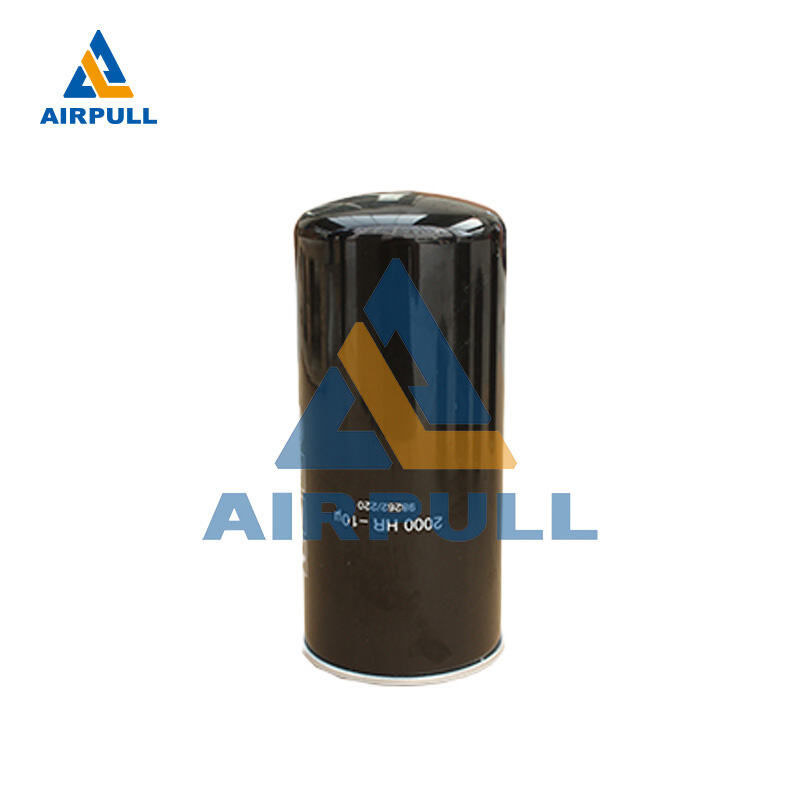
Replacing a compressor filter element is a maintenance task that directly affects pressure stability, air quality, and operating cost. In industrial settings, a worn filter does not fail all at once; it usually causes a gradual rise in differential pressure, longer loading cycles, and avoidable stress on downstream components. This guide explains exactly how to replace a filter element for air compressor units in a safe, repeatable way so technicians can protect system reliability and avoid unplanned stoppages.
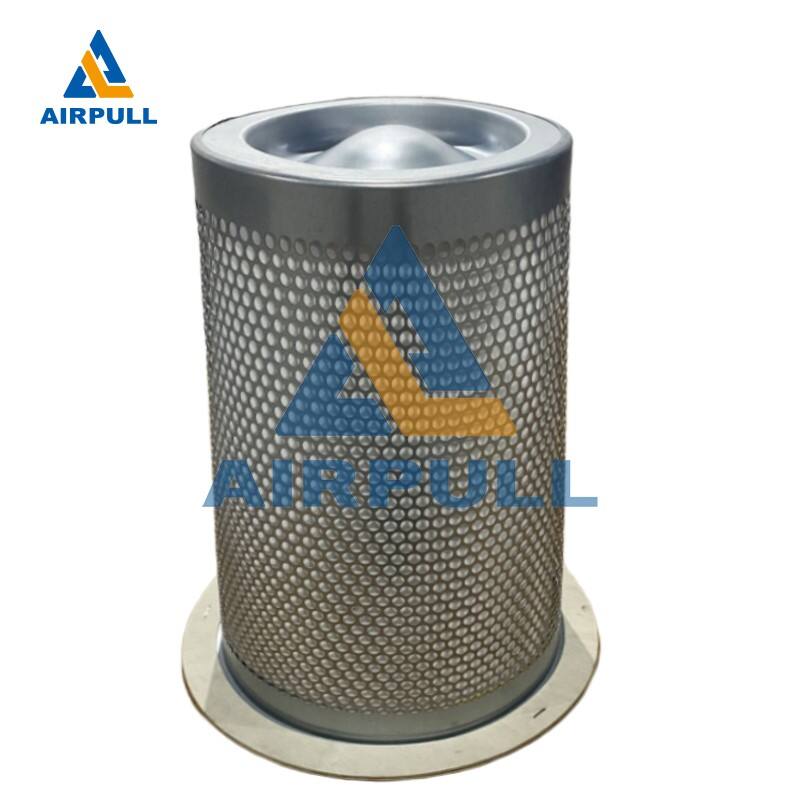
The process is not just a simple swap of parts. A correct replacement of the filter element for air compressor equipment includes shutdown discipline, contamination control, seal inspection, torque awareness, and post-installation verification. When each step is followed in sequence, the new filter element for air compressor performance remains stable over its intended service interval and the compressor returns to efficient operation with minimal risk.
Prepare the System Before Touching the Housing
Confirm maintenance timing and operating signals
A replacement should begin with evidence, not guesswork. Common triggers include high pressure drop alarms, reduced flow at normal load, and visible contamination in service checks. When these signs appear, the installed filter element for air compressor is no longer supporting target efficiency and should be changed promptly. Waiting too long increases energy draw and can introduce particles into sensitive pneumatic or process lines.
Review the maintenance log before opening the unit. The previous service date, running hours, and local dust load help confirm whether the filter element for air compressor reached end-of-life early due to harsh conditions. This context also helps refine future replacement intervals. In B2B operations, interval optimization can reduce spare consumption while still protecting uptime.
Apply lockout and pressure release discipline
Safety and cleanliness start at shutdown. Isolate electrical power, lock out the compressor, and verify zero-energy status according to plant procedure. Then depressurize the relevant circuit fully before housing access, because opening a pressurized chamber can damage seals and create safety hazards. Proper isolation prevents accidental startup while the filter element for air compressor is removed.
After pressure release, allow hot components to cool to a safe handling temperature. Use clean gloves and lint-controlled tools to avoid introducing foreign matter into the housing. Contamination during service can shorten the life of the new filter element for air compressor immediately. Good preparation is what separates routine maintenance from rework.
Remove the Old Element Without Introducing Contamination
Open the housing and document element condition
Loosen the housing according to the equipment design and keep removed parts on a clean surface. Before discarding anything, inspect the old filter element for air compressor for uneven loading, moisture marks, oil carryover traces, or collapsed media. These patterns are useful diagnostics that can reveal upstream process issues. Capturing this condition with a maintenance note helps maintenance teams prevent repeat failures.
During removal, avoid shaking debris into the clean side of the chamber. A careless extraction can move trapped particles deeper into the system and compromise the next service cycle. The goal is to remove the spent filter element for air compressor while preserving internal cleanliness. Treat the housing interior as a controlled zone rather than a general mechanical cavity.
Inspect seating surfaces, seals, and internal geometry
Once the old part is out, inspect the sealing face, center tube alignment area, and gasket groove. Even a small nick on the sealing surface can bypass filtration and reduce the value of a new filter element for air compressor. Check O-rings for flattening, hardening, or cuts, and replace when needed. A new element cannot compensate for a damaged seal path.
Clean the housing with non-shedding materials and approved methods only. Do not use aggressive techniques that leave residues or fibers. Service quality depends on both part quality and preparation quality, especially when installing a filter element for air compressor in high-demand industrial duty cycles. A clean seat supports full contact and stable pressure behavior after restart.
Install the New Element With Correct Fit and Seal Integrity
Verify part match and handling controls
Before installation, verify dimensions, interface geometry, and filtration specification against service requirements. The correct filter element for air compressor must match both the mechanical housing and the operating profile of the machine. Installing a visually similar but incorrect element can cause bypass, premature clogging, or unstable airflow. Part verification is a critical control point in multi-unit facilities.
Handle the new element carefully to protect media structure and end-cap seals. Avoid compressing, bending, or contacting the sealing lip with dirty gloves. For teams sourcing maintenance components, this filter element for air compressor reference illustrates the type of replacement part typically used in planned service programs. Consistent handling and identification reduce installation errors at scale.
Seat, align, and close the housing correctly
Insert the new filter element for air compressor straight into position without forcing it. Confirm that the gasket seats evenly and that no edge is twisted. Misalignment at this stage can create hidden bypass channels that only appear later as unexplained performance loss. Precision during seating protects the full service life of the element.
Close the housing using the specified tightening method and even pressure around the seal path. Over-tightening may deform components, while under-tightening can leak under load. After closure, do a quick visual check for uniform contact and proper orientation of the filter element for air compressor assembly. This final fit check prevents immediate restart issues.
Restart, Validate Performance, and Set the Next Service Trigger
Perform controlled startup and leak checks
Bring the compressor online gradually and monitor for abnormal sounds, vibration changes, or pressure fluctuations. During early run, inspect housing joints and seal points for leakage under real operating pressure. A properly installed filter element for air compressor should support stable differential pressure and smooth airflow behavior. Any rapid deviation suggests sealing or fit errors that need immediate correction.
Record startup readings as a new baseline. Differential pressure, discharge quality indicators, and load cycle behavior are all valuable for trend monitoring. When the filter element for air compressor starts from a known clean baseline, future drift becomes easier to detect. Data-driven maintenance reduces emergency interventions and supports predictable production planning.
Build a practical replacement interval strategy
Do not rely on fixed calendar intervals alone. Duty cycle intensity, ambient dust, moisture exposure, and operating temperature all influence how long a filter element for air compressor remains effective. A mixed strategy using run hours plus pressure-drop trend is usually more accurate for industrial plants. This approach keeps filtration quality stable without replacing parts too early.
Standardize the procedure across shifts so every technician follows the same method. The same checks, torque practice, cleanliness rules, and recording format should apply to each filter element for air compressor changeout. Process consistency is what turns individual maintenance actions into long-term reliability gains. In B2B operations, that consistency is often the difference between reactive repair culture and controlled asset management.
FAQ
How often should a filter element for air compressor be replaced in industrial use?
There is no single universal interval because environment and duty cycle vary by site. Most teams combine run-hour guidance with differential pressure trends and visual inspection data. A filter element for air compressor in dusty continuous service will usually require more frequent replacement than one in cleaner intermittent duty. The most reliable method is to establish a baseline after each change and track deviation over time.
Can a filter element for air compressor be cleaned and reused safely?
In most industrial maintenance programs, replacement is preferred over reuse. Cleaning can damage media structure or leave contaminants that reduce filtration efficiency and seal performance. For critical processes, a reused filter element for air compressor introduces avoidable risk and uncertain life. Following approved replacement practice is the more dependable path for uptime and air quality control.
What are the first signs that a filter element for air compressor is installed incorrectly?
Early signs include unexpected pressure drop behavior, leakage at the housing interface, unstable load cycles, and abnormal contamination downstream. These issues can appear soon after restart when the filter element for air compressor is not fully seated or the seal path is compromised. A controlled shutdown and inspection of alignment and gasket contact usually identifies the root cause quickly. Correcting fit and seal integrity normally restores stable operation.
Why does replacement quality matter as much as the filter element for air compressor itself?
Even a high-quality part can underperform if installation introduces contamination, seal damage, or misalignment. The full value of a filter element for air compressor depends on disciplined shutdown, clean handling, correct seating, and verified restart checks. In industrial plants, process quality during maintenance is a direct driver of equipment reliability. Strong procedure control protects both the element life and the compressor system around it.
Table of Contents
- Prepare the System Before Touching the Housing
- Remove the Old Element Without Introducing Contamination
- Install the New Element With Correct Fit and Seal Integrity
- Restart, Validate Performance, and Set the Next Service Trigger
-
FAQ
- How often should a filter element for air compressor be replaced in industrial use?
- Can a filter element for air compressor be cleaned and reused safely?
- What are the first signs that a filter element for air compressor is installed incorrectly?
- Why does replacement quality matter as much as the filter element for air compressor itself?