EN
EN


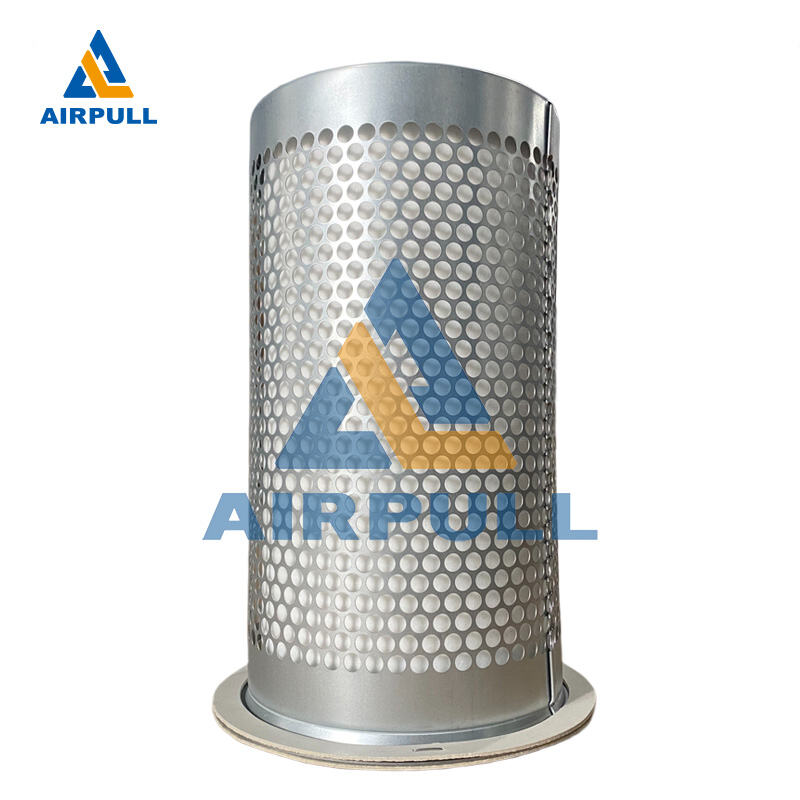
Selecting the best oil separator in 2026 is no longer a routine maintenance decision; it is a direct operating-cost decision for compressed air users in demanding industrial lines. Energy pressure, tighter maintenance windows, and stricter downstream air quality expectations have changed what buyers should evaluate. A useful review today must go beyond catalog language and focus on measurable separation stability, pressure-drop behavior, service life consistency, and fit with real duty cycles. This article is built as a decision-focused best oil separator review for engineering, maintenance, and procurement teams that need a practical basis for purchase, not marketing noise.
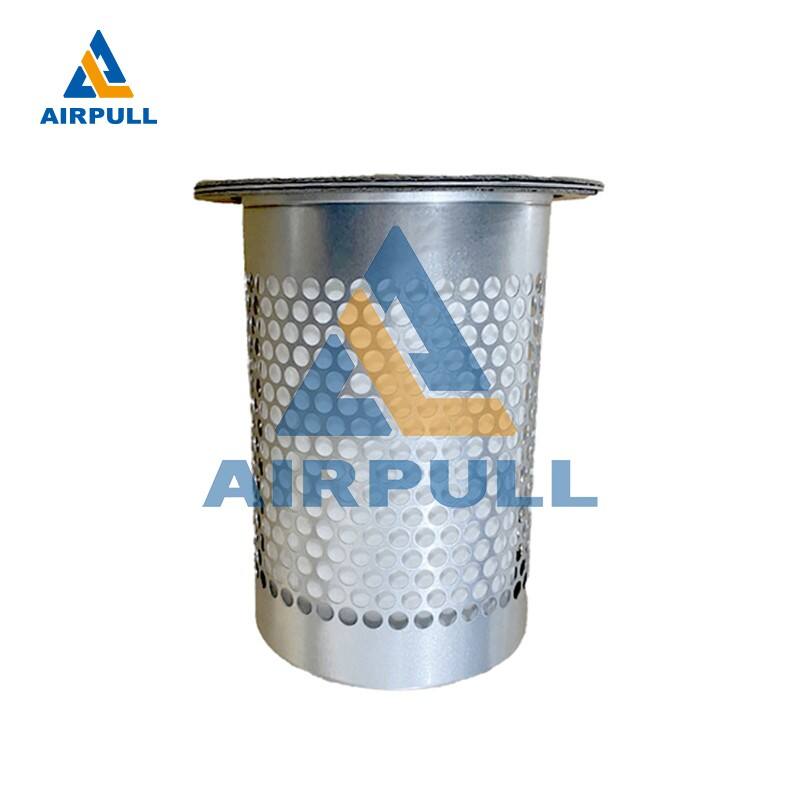
The best oil separator for one plant may not be the best oil separator for another unless loading profile, lubricant condition, ambient dust, and compressor control strategy are considered together. That is why this 2026 review approach centers on scenario fit and total lifecycle value rather than headline claims. You will see how to judge the best oil separator by evidence that can be validated during operation, how to avoid common misselection risks, and how to align specification with plant reliability targets. By the end, you should be able to define the best oil separator standard your own facility can defend technically and financially.
2026 Review Baseline for Industrial Compressed Air Systems
Why a modern best oil separator review must be evidence-based
In earlier buying cycles, teams often defined the best oil separator using only nominal filtration numbers and purchase price. In 2026, that shortcut is costly because separator behavior under fluctuating load has become a major efficiency factor. The best oil separator should be judged by sustained performance over operating hours, not only by initial readings after startup. A credible review method therefore tracks pressure differential trend, carryover stability, and replacement interval predictability in the same operating envelope.
An evidence-based review also protects against false equivalence between parts that look similar externally. Two products may share dimensions yet deliver very different coalescing behavior once temperature, oil viscosity, and airflow variation interact. When teams define the best oil separator by verified operating data, they reduce unplanned shutdown probability and avoid repeated trial purchases. This is the first principle behind any strong best oil separator decision in industrial service.
How plant objectives shape the definition of best oil separator
The best oil separator in a packaging line focused on uptime may be different from the best oil separator in a utility system focused on minimum specific power. If your objective is stable product quality, low carryover under variable load should carry more weight in the review model. If your objective is maintenance simplification, service interval consistency and contamination tolerance become central. A high-value best oil separator review always starts from operational objective alignment.
Cost accounting is another differentiator. A plant that includes energy penalty from rising differential pressure will usually choose a different best oil separator than a plant looking at component purchase price alone. In practical terms, review criteria should include energy impact, oil makeup consumption, separator replacement labor, and risk cost from process interruptions. Treating these factors together creates a realistic best oil separator benchmark for 2026 procurement.
Performance Criteria That Define the Best Oil Separator
Separation efficiency, carryover control, and air quality stability
At core, the best oil separator must maintain low oil carryover across the normal operating envelope, not only at one fixed point. Stable coalescing behavior matters because compressed air users often experience partial-load transitions and thermal swings during shifts. A separator that performs well only in steady-state conditions may degrade quickly in real use. For that reason, every best oil separator review should include carryover behavior during ramp-up, steady load, and load-unload cycling.
Air quality consistency downstream is where separator quality becomes visible to production teams. When the best oil separator is properly matched, downstream filters and dryers face lower contamination stress, which supports longer service life and more stable pressure conditions. This secondary benefit is often ignored in basic evaluations, yet it directly affects total operating cost. In 2026, the best oil separator is increasingly defined by system-level stability rather than isolated part-level claims.
Pressure drop profile and energy impact across service life
Initial pressure drop is useful, but trend behavior over time is what separates a good part from the best oil separator category. A part with acceptable startup differential can still become expensive if pressure rises rapidly before planned maintenance. The best oil separator should exhibit controlled pressure-drop growth that aligns with your preventive maintenance cycle. This characteristic is critical because compressor power response to restriction is immediate and cumulative.
Review teams should compare expected energy implications at realistic runtime assumptions, not ideal lab assumptions. When separator resistance rises unevenly, operators tend to run longer at suboptimal efficiency before intervention, increasing hidden cost. A defensible best oil separator choice therefore includes a lifecycle pressure profile review, not just a one-time performance snapshot. Plants that adopt this method typically make more stable purchasing decisions and reduce emergency replacements.
Material durability and contamination tolerance in real duty cycles
The best oil separator must hold structural and filtration integrity under thermal cycling, pulsation, and oil condition variability. Industrial systems rarely run in perfect cleanliness, so contamination tolerance is a practical selection factor. If the separator media loads too aggressively in dusty or humid environments, pressure rise accelerates and separation performance can drift. In many facilities, this is the hidden reason why a presumed best oil separator fails to deliver expected service interval.
Durability should also be reviewed in relation to startup frequency and control mode. Frequent starts, load-unload transitions, and temperature swings impose stress patterns that can expose weak construction margins. A reliable best oil separator in 2026 is one that preserves both mechanical integrity and separation efficiency through these repetitive cycles. That is the difference between theoretical suitability and operational suitability.
Application Fit and Lifecycle Economics in the 2026 Buying Cycle
Matching best oil separator specifications to operating scenarios
Specification matching starts with actual airflow demand pattern, oil type in use, ambient contamination level, and compressor operating strategy. The best oil separator for continuous high-load operation is not always the best oil separator for systems dominated by intermittent demand. Scenario mismatch often appears as unstable differential pressure and premature replacement frequency. A quality review maps separator characteristics directly to the real load signature of the plant.
This is where a technical reference option such as best oil separator can be assessed against your own operating conditions and maintenance standards. The key is not copying another site’s choice, but validating fit through your duty cycle and cost model. In a disciplined process, the best oil separator emerges from alignment between design intent and plant reality. That approach reduces repeat purchasing adjustments later.
Total cost logic beyond purchase price
A low unit price can look attractive while still producing higher annual cost when energy penalty and replacement frequency are included. The best oil separator decision should combine direct component spend with indirect operating impacts that finance and operations both recognize. These impacts include compressor efficiency drift, oil top-up rate, technician intervention hours, and production disruption risk. Once these variables are visible, the best oil separator often shifts away from the cheapest visible option.
Lifecycle economics also improve forecasting quality. If your selected best oil separator delivers predictable service intervals, inventory planning and maintenance scheduling become more stable. Predictability has value because it lowers emergency procurement and overtime exposure. In 2026 planning cycles, that stability is often as important as raw component price.
Procurement and Implementation Guidance for Best Oil Separator Outcomes
Building a technical specification that supports repeatable results
To secure the best oil separator outcome, procurement documents should define measurable acceptance points rather than vague quality language. Useful specification elements include expected carryover behavior, acceptable pressure-drop range, material expectations, and service interval targets under stated conditions. When these points are explicit, suppliers and internal teams evaluate the same performance intent. This reduces interpretation gaps that can undermine a best oil separator program.
A strong specification also records operating assumptions clearly. Airflow profile, lubricant type, ambient condition, and maintenance practice all influence whether a part performs as the best oil separator in your context. Without those assumptions, post-installation disputes become common because performance expectations were never normalized. Clear assumptions make review outcomes defendable during technical and commercial discussions.
Commissioning checks and in-service validation discipline
Even the best oil separator should be validated through startup and early runtime checks. Initial commissioning should track baseline pressure differential, separator seating integrity, and downstream condition indicators. Early verification catches installation issues that may otherwise be mistaken for part-quality problems. This discipline protects the credibility of your best oil separator evaluation process.
In-service validation should continue at defined intervals with trend recording, not random observation. The best oil separator is confirmed when performance remains stable across realistic operating variability and planned maintenance windows. Plants that build this feedback loop improve future selection accuracy and reduce total ownership cost year after year. In practical terms, review quality is what turns a one-time purchase into a reliable compressed air strategy.
FAQ
What makes a best oil separator decision credible in 2026?
A credible best oil separator decision is based on lifecycle evidence, not isolated catalog metrics. Teams should evaluate carryover stability, pressure-drop trend, contamination tolerance, and service interval predictability under actual duty conditions. When energy impact and maintenance effort are included, the selected best oil separator is usually easier to justify across engineering and procurement.
How often should best oil separator performance be reviewed after installation?
The best oil separator should be reviewed at commissioning, then monitored at planned operating-hour intervals aligned with your maintenance system. Trend data is more valuable than single readings because it reveals early drift before failures occur. A consistent review cadence helps confirm that the best oil separator remains optimal as load patterns and ambient conditions change.
Can a low-price part still be the best oil separator?
A low-price part can be the best oil separator only when it maintains stable separation efficiency, controlled pressure-drop growth, and predictable service life in your application. Price alone does not define value in compressed air systems. If a lower-cost option increases energy use or replacement frequency, it stops being the best oil separator from a total-cost perspective.
Why does the same best oil separator perform differently across plants?
Performance differences occur because airflow profile, lubricant condition, ambient contamination, and operating temperature vary from site to site. The best oil separator is always application-dependent, even when part dimensions are identical. That is why scenario-based qualification is essential for reliable outcomes in industrial environments.