EN
EN


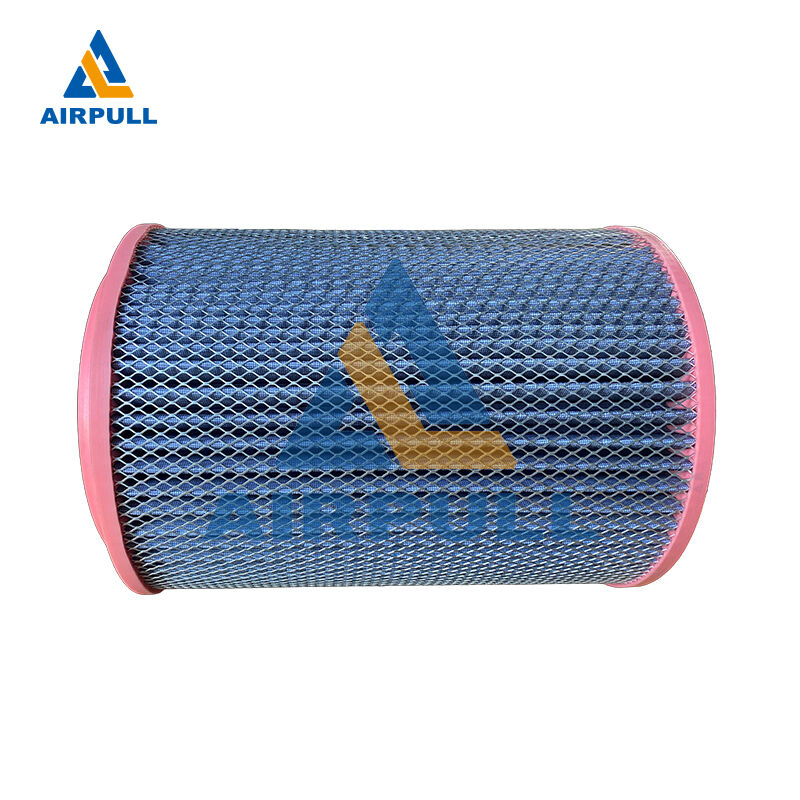
Finding a dependable oil separator supplier is not a sourcing formality; it is a risk-control decision that affects compressor uptime, maintenance stability, and long-term operating cost. In industrial environments, separator failure can trigger oil carryover, pressure drop issues, and unplanned shutdowns that quickly erase any short-term price advantage. A reliable oil separator supplier helps prevent those disruptions by delivering consistent product quality, traceable specifications, and predictable lead times. When procurement teams treat supplier selection as a technical and operational process, the oil separator supplier relationship becomes a measurable contributor to plant performance rather than a recurring problem ticket.
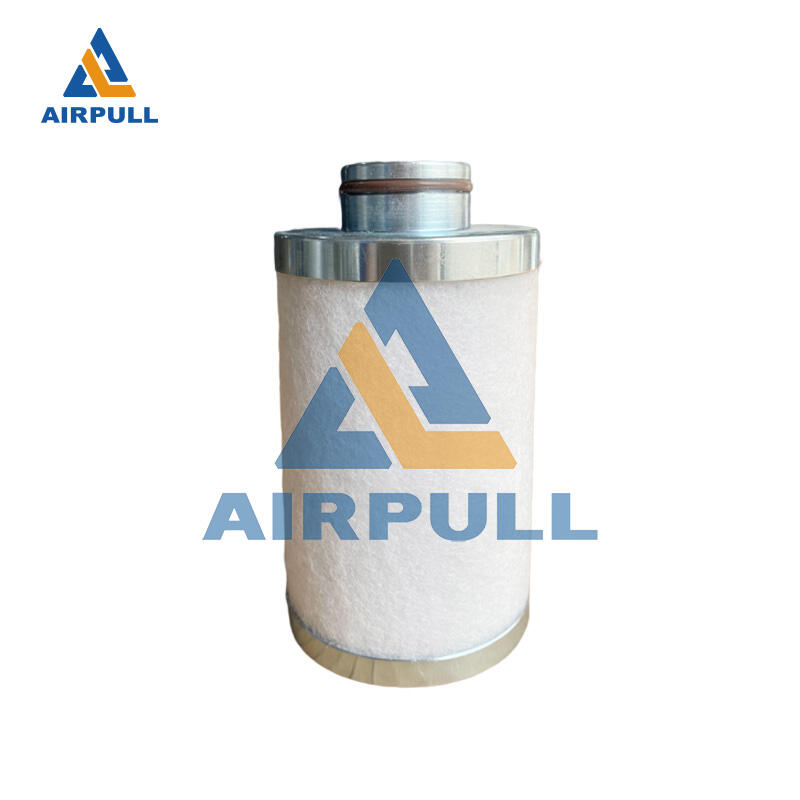
The most practical way to find the right oil separator supplier is to evaluate capability in layers: technical fit, quality control discipline, delivery reliability, and post-sale accountability. Many buyers focus first on unit price, but experienced maintenance and operations teams know that the true cost sits in lifecycle behavior under real duty cycles. A strong oil separator supplier proves value through documentation, process transparency, and responsive support when operating conditions change. This guide breaks down exactly how to assess each area so your team can choose an oil separator supplier with confidence and avoid repeat sourcing mistakes.
Define Reliability Criteria Before You Contact Any Supplier
Set performance expectations tied to your operating conditions
Before comparing offers, define what reliability means for your site and equipment profile. Your target oil carryover level, pressure drop tolerance, service interval expectations, and ambient operating range should all be documented in advance. Without these parameters, any oil separator supplier can appear acceptable on paper while still being a poor match in actual service. A clear baseline gives procurement, maintenance, and engineering teams a shared standard for judging each oil separator supplier objectively.
This step also prevents vague conversations that lead to mismatched products and costly reorders. A reliable oil separator supplier should ask for compressor model data, lubricant type, load profile, and maintenance history before final recommendation. If an oil separator supplier gives immediate confirmation without understanding application details, that is usually a warning sign rather than a speed advantage. Reliability starts with technical context, not generic compatibility claims.
Translate reliability into measurable procurement requirements
Turn your internal expectations into supplier-facing requirements that can be validated. Require clear product specifications, inspection standards, packaging controls, and batch traceability for every delivery. A qualified oil separator supplier should provide structured technical documentation rather than informal statements. This makes it easier to compare one oil separator supplier against another on verifiable terms.
Your request process should also define acceptance criteria at receiving and during early operation. For example, include expected pressure behavior, visual integrity checks, and documentation completeness as standard checkpoints. A disciplined oil separator supplier will align with that structure and often improve it based on field experience. Over time, this approach reduces dispute cycles and improves trust in your chosen oil separator supplier.
Evaluate Technical and Quality Capability in Depth
Check manufacturing and quality system maturity
A reliable oil separator supplier can explain how product quality is controlled from raw material intake to final release. Ask how filtration media consistency is verified, how sealing integrity is checked, and how dimensional tolerances are monitored across production lots. The answers should be specific, repeatable, and linked to documented procedures. An experienced oil separator supplier will describe quality control as a process system, not as an occasional inspection step.
You should also confirm whether nonconforming batches are isolated and how corrective actions are tracked. A strong oil separator supplier keeps records that support root-cause analysis when performance issues appear in the field. This is essential for industrial buyers who need accountability across long equipment life cycles. Choosing an oil separator supplier with mature quality discipline lowers operational uncertainty far more than a small unit-price discount ever can.
Validate application engineering support and documentation quality
Technical support depth is one of the clearest separators between average and dependable partners. A strong oil separator supplier can guide selection based on pressure range, oil type, and service environment rather than only part-number matching. That capability matters when equipment ages, process loads shift, or maintenance intervals are adjusted. In those moments, a knowledgeable oil separator supplier helps prevent trial-and-error replacements.
Documentation quality is another signal that should not be ignored. You should expect complete datasheets, installation guidance, handling recommendations, and storage conditions from the oil separator supplier. Consistent documents reduce maintenance interpretation errors and improve installation reliability. When documentation from an oil separator supplier is incomplete or inconsistent, field performance risk rises immediately.
Assess Delivery Reliability and Commercial Stability
Review lead-time consistency and inventory discipline
A technically capable source still fails your operation if deliveries are unpredictable. Review not only quoted lead times but also the supplier's historical ability to meet those commitments across normal and peak demand periods. A dependable oil separator supplier provides realistic schedules, proactive delay alerts, and practical replenishment options. That behavior supports maintenance planning and reduces emergency purchasing.
Ask how the oil separator supplier manages safety stock for core models and how order prioritization works during constraints. You need to know whether urgent demand can be handled without sacrificing quality or communication. A stable oil separator supplier balances production control with transparent order tracking. This is especially important for plants with narrow downtime windows and high continuity requirements.
Examine quotation clarity and total cost structure
Commercial reliability is more than a low quote; it is about pricing clarity and consistency over time. A professional oil separator supplier presents clear terms for unit price, packaging, shipping, warranty boundaries, and replacement conditions. Hidden variables in these areas often create friction after initial purchase. A transparent oil separator supplier helps procurement forecast total lifecycle cost accurately.
Evaluate the full cost of ownership, including changeout frequency, risk of unscheduled stoppage, and troubleshooting response time. An oil separator supplier that offers slightly higher unit pricing may still deliver lower annual cost through stable performance and fewer field incidents. For many industrial buyers, the most reliable oil separator supplier is the one that minimizes operational volatility, not simply purchase price.
Run a Structured Validation Process Before Long-Term Commitment
Use pilot orders and performance checkpoints
Before scaling volume, run a controlled pilot with defined success criteria. Include receiving inspection, installation feedback, early operating behavior, and maintenance observations in your evaluation. A trustworthy oil separator supplier will welcome this structure and support data collection. Pilot validation gives your team concrete evidence before you formalize an ongoing oil separator supplier agreement.
During the pilot, track whether communication quality matches pre-sale claims. Response speed, technical clarity, and issue ownership are practical indicators of future partnership quality. A strong oil separator supplier stays engaged after shipment and helps interpret early performance data. This phase often reveals whether an oil separator supplier is truly process-oriented or only transaction-focused.
Build a governance model for long-term supplier performance
Once a supplier passes validation, maintain reliability through a simple governance cadence. Quarterly reviews covering quality incidents, on-time delivery, documentation accuracy, and corrective actions help keep standards visible. A mature oil separator supplier participates actively in these reviews and proposes preventive improvements. Governance transforms the oil separator supplier relationship from reactive purchasing to managed performance.
It is also wise to define escalation paths and communication responsibilities before issues occur. Clear ownership reduces downtime when urgent support is needed. For teams ready to evaluate a technically documented option, review this oil separator supplier reference within your qualification workflow. A disciplined process like this helps ensure your selected oil separator supplier remains reliable as operating demands evolve.
FAQ
What is the first sign that an oil separator supplier may be unreliable?
One early sign is vague technical communication combined with fast commercial promises. If an oil separator supplier does not ask about compressor conditions, lubricant type, and duty cycle, the recommendation is likely generic. Another warning appears when documentation is incomplete or inconsistent between quote and shipment. A reliable oil separator supplier shows technical curiosity and process transparency from the first interaction.
How many suppliers should be included in an evaluation process?
Most B2B teams can make a strong decision by evaluating a focused shortlist rather than a large pool. Compare each oil separator supplier against the same technical, quality, and delivery criteria to avoid subjective scoring. A smaller structured comparison often produces a clearer result than broad request cycles with uneven data. The goal is not volume of options but confidence in selecting the right oil separator supplier.
Can a lower-cost oil separator supplier still be the reliable choice?
Yes, but only when lower price comes with stable quality, clear documentation, and consistent logistics performance. A low quote without process control can increase total cost through failures, rushed replacements, and downtime. Evaluate any low-cost oil separator supplier through pilot performance and lifecycle outcomes before scaling. Reliability should be proven in operation, not assumed from commercial terms.
How often should supplier performance be reviewed after onboarding?
A quarterly review rhythm is practical for most industrial operations using an oil separator supplier on recurring demand. This cadence is frequent enough to catch drift in quality or delivery while keeping administrative effort manageable. Include clear metrics, issue root causes, and action deadlines in every session with the oil separator supplier. Regular review is one of the most effective ways to preserve long-term reliability.