EN
EN



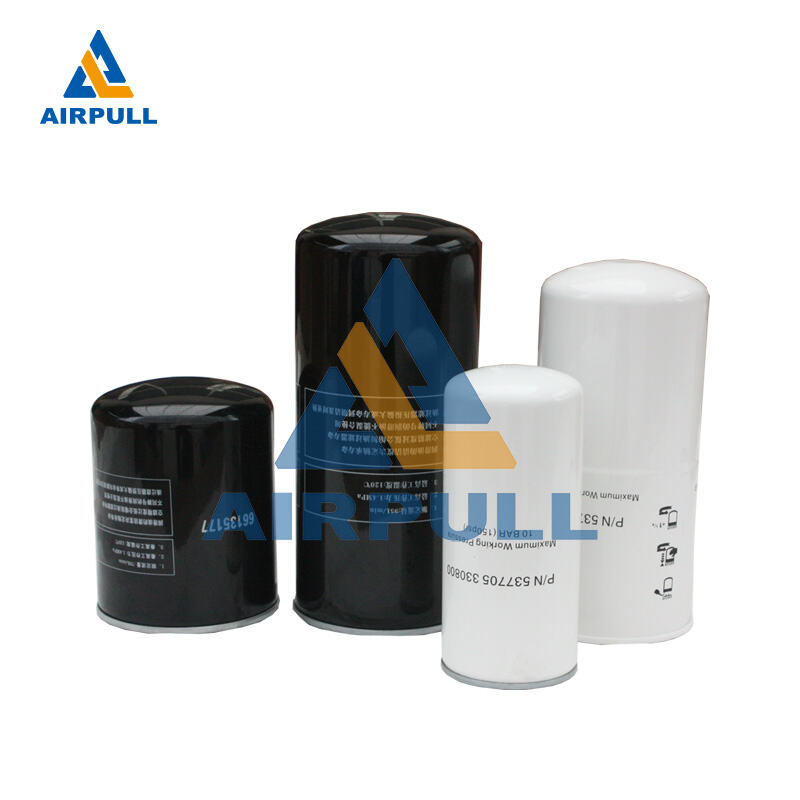
Testing a compressor filter element is not a cosmetic maintenance step; it is a reliability control point that affects airflow stability, energy use, lubricant cleanliness, and downstream product quality. In industrial compressed air systems, a worn or overloaded compressor filter element can force pressure drop upward, reduce compressor efficiency, and expose critical components to particles. A practical test routine helps maintenance teams decide whether a compressor filter element is still serviceable, requires cleaning under approved procedures, or must be replaced immediately. This guide explains the exact workflow, from isolation and inspection to differential pressure interpretation and final decision criteria.
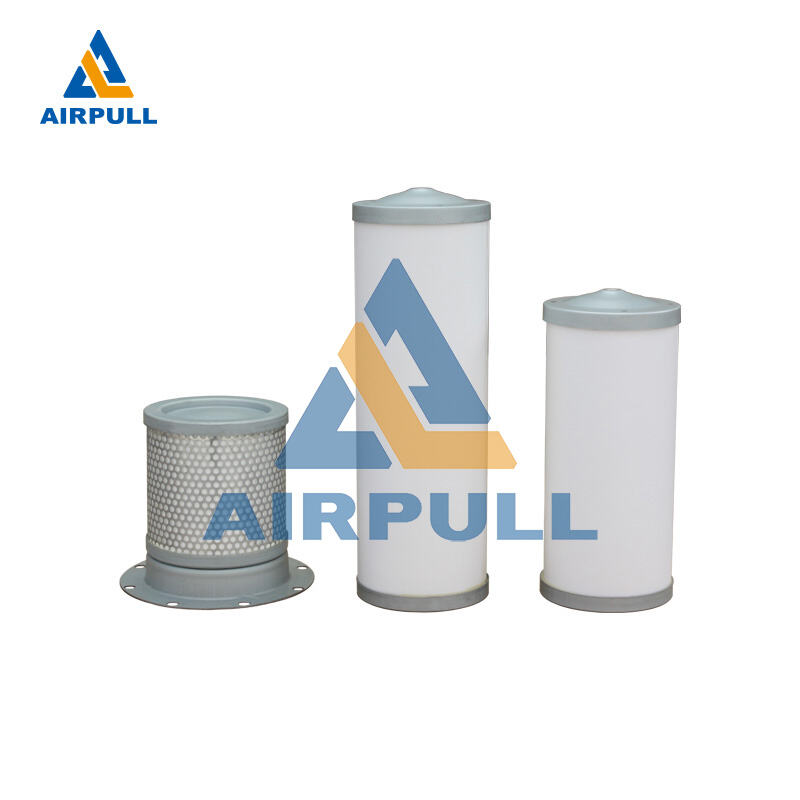
The right way to test a compressor filter element combines visual checks, instrument readings, operating context, and contamination risk analysis rather than a single pass or fail indicator. A maintenance technician should evaluate the compressor filter element under normal load conditions, compare current pressure drop against baseline data, and confirm whether seal integrity and media condition still meet plant standards. When testing is done consistently, each compressor filter element changeout becomes evidence-based instead of calendar-based guesswork. That approach reduces unplanned shutdowns and protects compressor internals over the long run.
Define the test objective before touching the compressor filter element
Set acceptance criteria based on system duty and risk
Before removing housings or connecting gauges, define what acceptable performance means for your specific compressor filter element. A production line with tight pneumatic tolerances may reject a compressor filter element at a lower pressure drop threshold than a general utility air loop. The test objective should include airflow consistency, maximum allowed differential pressure, visible contamination limits, and seal condition. By documenting these criteria first, your team avoids subjective decisions during inspection.
A clear test objective also prevents premature replacement of a compressor filter element that still performs within limits. At the same time, it prevents extending service life when contamination has already compromised downstream equipment. Maintenance planning improves when every compressor filter element test maps to defined operating consequences such as energy penalty, carryover risk, and process downtime exposure. This turns routine checks into measurable asset management.
Prepare safety isolation and stable operating conditions
To test a compressor filter element accurately, isolate and depressurize according to plant lockout procedures before opening any filter housing. If your method includes live differential pressure readings, first verify that gauges are calibrated and the compressor is running at representative load. Testing a compressor filter element at unstable flow conditions can produce misleading results that hide real restriction. Stable baseline conditions are critical for trend comparison.
Clean handling practices matter because external dust introduced during inspection can distort your conclusion on the compressor filter element. Use lint-free gloves and keep the test area controlled so that debris does not enter the air path. The goal is to evaluate the actual condition of the compressor filter element, not contamination created during maintenance. Good preparation protects both data quality and equipment safety.
Run the core test sequence for a compressor filter element
Measure differential pressure and compare with baseline
The primary quantitative test for a compressor filter element is differential pressure across the filter stage at normal operating flow. Record inlet and outlet pressure readings, then compare the current drop against commissioning data or the most recent healthy baseline. A rising trend usually indicates loading of the compressor filter element media, while sudden shifts can indicate collapse, bypass, or moisture-related blockage. Trend direction is often more valuable than a single reading.
Use repeat measurements over a short interval to confirm consistency, especially when compressor demand fluctuates. If the compressor filter element shows pressure drop above internal limits, evaluate whether this reflects normal end-of-life loading or abnormal contamination events. A test report should connect each compressor filter element reading to flow rate and ambient condition so future technicians can make valid comparisons. This practice builds a reliable maintenance history.
Perform visual and structural inspection of media and seals
After safe removal, inspect the compressor filter element under good lighting for pleat deformation, tears, wet spots, collapsed sections, and uneven dust loading. A structurally compromised compressor filter element may still show moderate pressure drop while allowing harmful bypass, so visual evidence is essential. Check end caps, adhesive lines, and gasket surfaces for cracks or hardening. Seal damage alone can justify immediate replacement.
Look for contamination signatures that indicate upstream or environmental issues, such as oil mist saturation or sticky particulate accumulation on the compressor filter element. These patterns help diagnose root causes beyond routine wear and can influence interval adjustments. If your plant uses borescope support, inspect the housing seat where the compressor filter element contacts the sealing surface. Mechanical fit problems can mimic filter failure and must be corrected before restart.
Check bypass integrity and fit under reinstallation conditions
A valid test for a compressor filter element includes confirming there is no hidden bypass path around the media. Inspect locking mechanisms, seating depth, and gasket compression to ensure the compressor filter element aligns properly with the housing. Even a high-grade media cannot perform when installation geometry is compromised. Fit verification should be documented as part of the same test cycle.
When sourcing a replacement for confirmation testing, use a compatible specification such as this compressor filter element so dimensions, seal type, and filtration class match service requirements. Equivalent geometry is essential for fair before-and-after performance comparison. If fit changes during swap testing, pressure data may reflect hardware mismatch instead of true condition of the previous compressor filter element. Keep all dimensional checks in your maintenance record.
Interpret test results and make the right maintenance decision
Differentiate normal loading from abnormal failure patterns
A healthy aging pattern for a compressor filter element is a gradual pressure drop increase with stable downstream air quality. Abnormal patterns include sudden pressure spikes, sharp drops after prior restriction, repeated gasket leakage, or visible pleat collapse. When these signs appear, treat the compressor filter element as a potential failure item, not just a routine consumable. Immediate corrective action protects the compressor stage and downstream controls.
Correlate test outcomes with operating events such as dusty maintenance work nearby, intake path disturbances, or moisture carryover. These events can shorten compressor filter element life far below expected intervals. By linking condition data to events, teams avoid blaming the compressor filter element alone and can correct the underlying process issue. Root-cause interpretation improves both reliability and cost control.
Use replace versus continue criteria with documented thresholds
A disciplined decision model defines when a compressor filter element must be replaced, when it can continue in service, and when re-test is required after process stabilization. Replacement triggers typically include threshold exceedance in pressure drop, visible media or seal damage, and confirmed bypass risk. Continue-in-service decisions require that the compressor filter element remains below set limits with no structural defects. Re-test decisions apply when readings are borderline during transient load conditions.
Documenting decision thresholds prevents inconsistency across shifts and sites. It also helps planners hold the right inventory of each compressor filter element type without overstocking. Over time, records from each compressor filter element test can support predictive replacement windows tied to real operating duty. This reduces emergency interventions and creates a cleaner maintenance budget.
Build a repeatable testing program for long-term compressor reliability
Create a standard test interval linked to duty cycle
A repeatable program treats each compressor filter element check as part of a lifecycle strategy, not a one-off inspection. Interval frequency should reflect duty cycle, ambient particulate load, and compressor criticality in production flow. High-load environments require more frequent compressor filter element verification to prevent hidden restriction from escalating into energy waste. Fixed monthly checks may be too slow for dynamic conditions.
Include both quick in-service readings and deeper shutdown inspections in the same program. Quick checks identify trend changes, while shutdown checks validate the physical condition of the compressor filter element. Combining both methods gives stronger confidence than relying on either alone. Program consistency is what turns compressor filter element testing into a reliability asset.
Standardize reporting fields that support decisions
A useful report template for every compressor filter element test should capture date, machine load state, inlet and outlet pressures, calculated differential pressure, visual findings, seal condition, and final action. Structured fields help teams compare one compressor filter element cycle to the next without losing context. Free-form notes can supplement, but standard fields are essential for trend analytics. Consistent reporting reduces ambiguity during audits or handovers.
As data accumulates, maintenance leaders can identify recurring failure modes tied to specific operating windows. That insight supports smarter procurement and better scheduling for each compressor filter element replacement event. It also helps justify process improvements around intake air cleanliness and housing maintenance. In practical terms, strong reporting converts every compressor filter element test into a decision-quality data point.
FAQ
How often should a compressor filter element be tested?
A compressor filter element should be tested at intervals based on operating duty, contamination exposure, and criticality, not only by calendar. Many plants perform routine pressure checks weekly or biweekly and complete deeper visual inspection during planned shutdowns. The key is trend continuity, because a rising restriction pattern often appears before obvious performance loss.
Can a compressor filter element pass pressure checks but still be unsafe?
Yes, a compressor filter element can show acceptable differential pressure while still failing structurally through tears, poor sealing, or bypass. That is why testing must include both instrument readings and physical inspection. A combined method prevents false confidence and protects downstream equipment from particulate intrusion.
What is the most common mistake when testing a compressor filter element?
The most common mistake is evaluating a compressor filter element without stable operating context, then making replacement decisions from a single reading. Another frequent issue is skipping gasket and seating inspection, which can hide bypass risk. Reliable testing requires repeat measurements, visual verification, and documented thresholds.
Should testing procedures change after process or load changes?
Yes, any major change in airflow demand, ambient dust, or compressor duty should trigger a review of compressor filter element test intervals and acceptance criteria. A previous threshold may no longer represent true risk after operating changes. Updating the procedure keeps each compressor filter element decision aligned with current production reality.