EN
EN



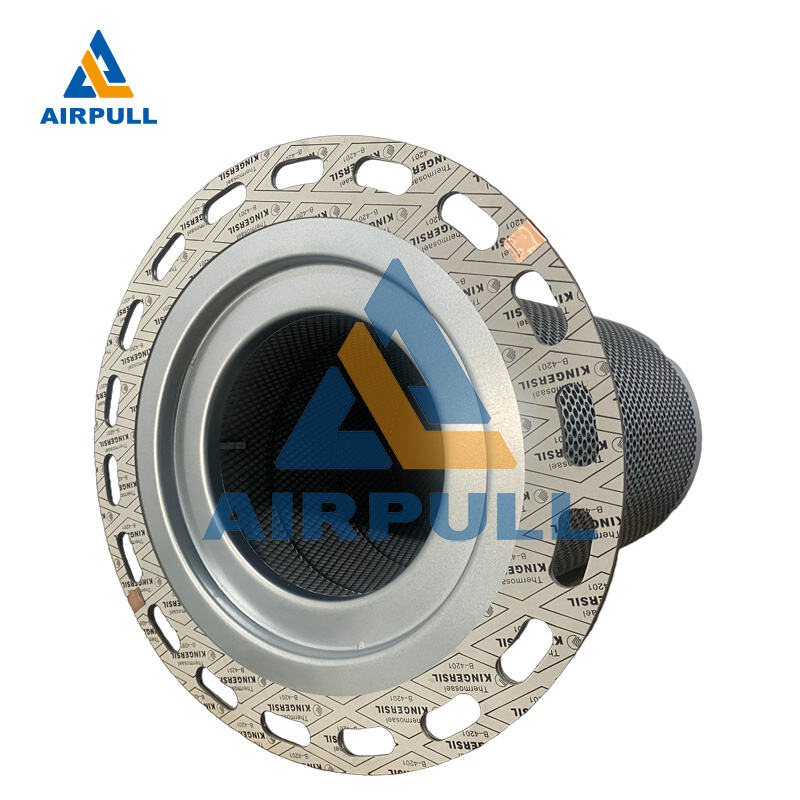
Replacing an air compressor separator element is not just a maintenance task, it is a reliability decision that affects oil carryover, pressure stability, and long-term operating cost. In rotary screw systems, the air compressor separator element controls how effectively oil is removed from compressed air before it moves downstream. When the air compressor separator element is overloaded, damaged, or installed incorrectly, the machine can lose efficiency and force your plant to handle contamination and unplanned downtime.
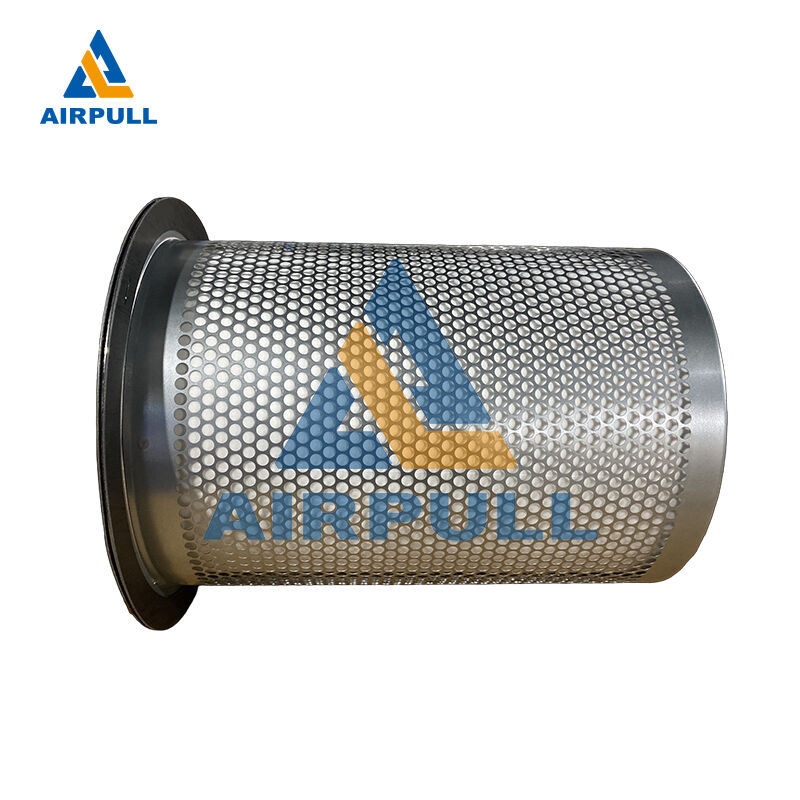
This guide explains exactly how to replace an air compressor separator element in a practical, field-ready sequence. You will see how to prepare, remove, inspect, install, and verify performance so the new air compressor separator element performs as intended from the first startup. The process below is written for B2B maintenance teams that need repeatable execution, clear quality checks, and fewer post-service issues.
Prepare the Compressor and Job Site Before Opening the Separator Housing
Isolate energy sources and depressurize safely
Before touching the air compressor separator element, isolate electrical power using your plant lockout and tagout protocol. Confirm the compressor is fully depressurized and cooled to a safe handling temperature. Never loosen the separator vessel while internal pressure remains, because residual pressure can eject components and damage seals. A safe start protects both technicians and the sealing surfaces needed for the next air compressor separator element installation.
Open the drain points slowly and verify pressure gauges read zero at all relevant points, not only at the main discharge line. In many plants, trapped pressure can stay in connected sections even after shutdown. Taking an extra few minutes here prevents rushed handling and accidental deformation of the air compressor separator element seat area. Good replacement quality begins with controlled shutdown discipline.
Gather correct parts, tools, and verification data
Match the replacement air compressor separator element to the compressor model, rated flow, and vessel design. Confirm gasket material, element dimensions, collapse resistance, and pressure drop specifications align with operating conditions. A mismatch can cause immediate bypassing or early saturation, even if the air compressor separator element appears physically similar. For procurement teams, this is where documentation quality directly affects maintenance outcomes.
Prepare clean lint-free wipes, torque tools, approved lubricant for seals if required, and containers for used oil residue. Record baseline data such as operating pressure, separator differential pressure trend, and oil carryover observations before replacement. These references help you confirm whether the new air compressor separator element corrected the original issue. Strong baseline tracking also helps identify whether the root cause is filtration, oil condition, or operating load behavior.
Remove the Used Element Without Damaging the Vessel or Internal Surfaces
Open housing components in a controlled sequence
Remove external covers and vessel fasteners evenly to avoid warping or uneven stress on the lid. Keep hardware organized by position, especially when bolt lengths vary. Sudden force or angled lifting can scratch seating areas and compromise the next air compressor separator element seal. Controlled disassembly lowers rework risk during final leak checks.
As the assembly opens, observe oil deposits, sludge, varnish, or unusual particulate layers around the used air compressor separator element. These visual signs often explain shortened service life more clearly than operating hours alone. If contamination is heavy, the replacement interval may need adjustment rather than repeating the same schedule. In industrial settings, condition-based maintenance gives better results than calendar-only replacement for the air compressor separator element.
Extract the old element and inspect related components
Lift out the old air compressor separator element carefully to prevent debris from dropping into clean passages. Inspect the element body for collapse, seam splitting, burn marks, or media deformation. These failure patterns can indicate pressure surge events, thermal stress, or improper installation torque from the prior service. Documenting failure mode protects the new air compressor separator element from the same operating mistake.
Check O-rings, anti-static connections where applicable, center tube alignment, and mating surfaces for nicks or corrosion. Even a high-quality air compressor separator element can fail early when installed against damaged sealing faces. Clean vessel internals thoroughly and remove old gasket residue completely. The goal is to provide the incoming air compressor separator element with a stable, contamination-free sealing environment.
Install the New Separator Element With Precision and Cleanliness
Set seals correctly and position the element accurately
Before insertion, verify the new air compressor separator element is clean, undamaged, and packaged correctly up to the point of installation. Confirm seal orientation and lightly condition O-rings only if your maintenance standard permits it. Place the air compressor separator element straight into position without twisting the media body. Misalignment at this stage can create bypass channels that elevate oil carryover immediately after startup.
Use only one planned procurement reference in documentation for consistency, such as air compressor separator element, then confirm final part traceability in your maintenance records. This keeps sourcing clear for future service cycles and avoids mixed part histories. Traceability is especially important in multi-shift facilities where multiple technicians interact with the same compressor asset.
Apply correct tightening practice and close the vessel evenly
Reassemble covers and flanges using a staged, cross-pattern tightening sequence so load is distributed evenly. Over-tightening can deform sealing edges, while under-tightening can produce micro-leaks that mimic separator failure. Follow documented torque values for your machine configuration and verify final pass consistency. Proper clamping helps the air compressor separator element maintain design separation performance under fluctuating load.
Before startup, complete a final cleanliness check around ports, drains, and sensor connections. Confirm no tools, rags, or packaging materials remain inside the service area. Small foreign materials can damage the new air compressor separator element or interfere with differential pressure readings. High-quality installation is defined by detail control, not by speed alone.
Commission the Compressor and Confirm Replacement Quality
Restart in stages and monitor critical indicators
Bring the compressor online gradually and observe pressure behavior, separator differential pressure, and temperature trend during the first operating window. A healthy air compressor separator element should show stable separation behavior without abnormal pressure rise. Listen for leaks around vessel joints and inspect for oil mist at vents or downstream points. Early commissioning checks are the fastest way to catch assembly errors before they become production problems.
Compare post-installation readings against your baseline values. If differential pressure is immediately high, investigate blocked lines, incorrect element fit, or residual contamination rather than assuming the new air compressor separator element is defective. If oil carryover persists, review oil condition, minimum pressure valve function, and operating duty cycle. Effective troubleshooting treats the air compressor separator element as one part of a system, not an isolated component.
Set service intervals based on operating reality
After confirming normal operation, define the next inspection and replacement checkpoint using runtime, load profile, ambient dust level, and oil analysis trends. Fixed intervals are useful, but dynamic scheduling is more accurate for facilities with variable production demand. A correctly managed air compressor separator element program reduces compressed air contamination events and helps protect downstream dryers, filters, and pneumatic tools.
Capture the replacement date, technician notes, part lot details, torque confirmation, and startup readings in your maintenance system. Over time, this record shows how each air compressor separator element behaves under your specific process conditions. That evidence supports better planning, fewer emergency shutdowns, and more predictable lifecycle cost. In B2B operations, documentation quality is often the difference between reactive repair and controlled reliability.
FAQ
How often should an air compressor separator element be replaced?
Replacement frequency depends on operating hours, oil quality, compressor load pattern, and contamination level in the environment. Many plants start with the manufacturer interval and then refine it using differential pressure trend and carryover observations. When an air compressor separator element reaches elevated pressure drop or visible carryover signs, replacement should not be delayed. Condition-based adjustment usually delivers better uptime than rigid calendar timing.
What are common signs that an air compressor separator element is failing?
Typical signs include rising differential pressure, increased oil consumption, oil in downstream air lines, and unstable discharge performance. Some teams also notice more frequent filter fouling after the separator stage. These indicators suggest the air compressor separator element may be saturated, damaged, or bypassing. A quick inspection combined with operating data review confirms the cause more reliably than visual judgment alone.
Can a new air compressor separator element fail soon after installation?
Yes, early failure can occur when root causes are not corrected. Common drivers include wrong part specification, contaminated oil, poor vessel cleanliness, damaged seals, or incorrect torque during assembly. Even a new air compressor separator element needs proper installation and compatible operating conditions to perform correctly. Post-install verification is essential to ensure the replacement delivered real improvement.
Does replacing the air compressor separator element improve energy efficiency?
In many cases, yes, especially when the old element had high pressure drop. A properly functioning air compressor separator element reduces unnecessary restriction and helps the system maintain stable operation. The efficiency gain varies by duty cycle and overall system condition, so it should be validated through before-and-after data. Pairing separator maintenance with oil and intake filtration management produces the most consistent efficiency benefit.