EN
EN



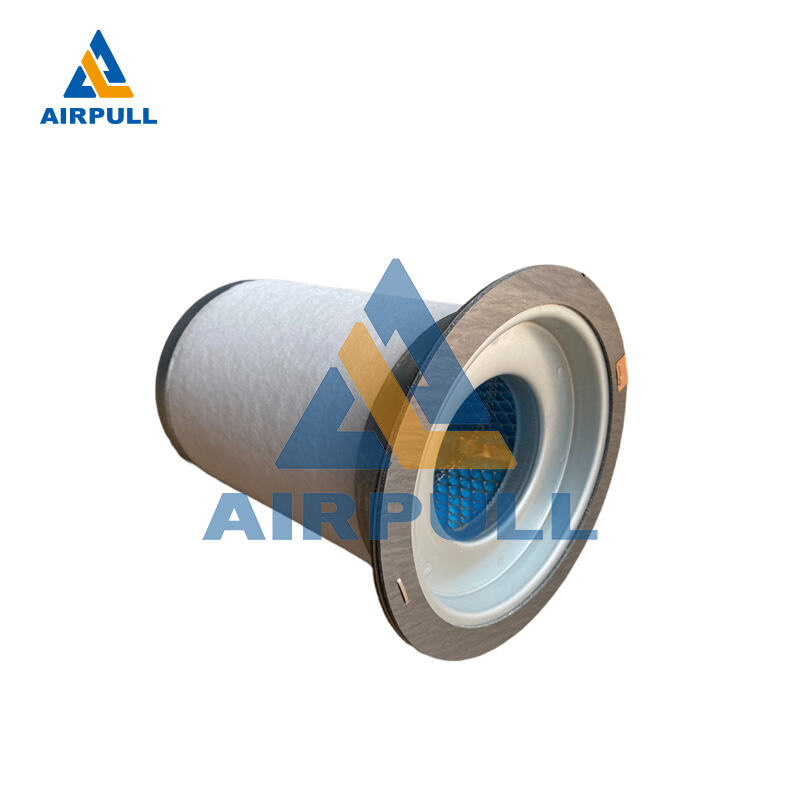
Sizing an industrial lubricating oil filtration element is not a catalog exercise; it is a system decision that protects bearings, controls varnish risk, and stabilizes maintenance cost. In industrial operations, an undersized industrial lubricating oil filtration element can trigger pressure instability and bypass events, while an oversized industrial lubricating oil filtration element may look safe but create avoidable capital and housing constraints. The right sizing method starts with flow, viscosity, contamination profile, and cleanliness targets, then aligns those variables with the pressure and dirt-holding behavior of the industrial lubricating oil filtration element in real duty cycles.
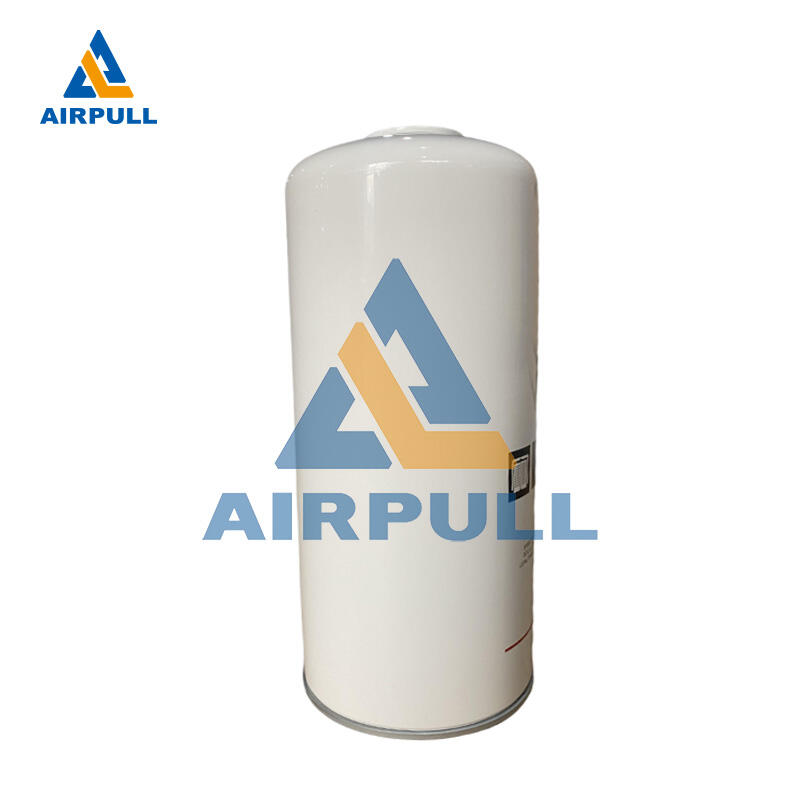
A practical approach to industrial lubricating oil filtration element sizing follows a sequence: define operating envelope, set cleanliness objective, calculate required flow capacity, verify differential pressure at temperature extremes, and confirm service life margin. This process helps engineering and maintenance teams choose an industrial lubricating oil filtration element that performs consistently during startup, steady load, and transient conditions. The outcome is a filtration setup that supports machine reliability instead of reacting to repeated filter alarms and premature element changes.
Define the operating envelope before selecting element size
Map real flow conditions, not nameplate assumptions
The first step in sizing an industrial lubricating oil filtration element is to establish actual flow through the circuit where the element will operate. Pump nominal capacity is only a starting point, because recirculation, control valve position, and branch demand can reduce or spike line flow. A sizing decision based only on nominal pump rating often leads to a mismatched industrial lubricating oil filtration element and unstable differential pressure trends. Use operating data from normal load, low load, and peak load windows to capture realistic flow boundaries.
For inline pressure filtration, the industrial lubricating oil filtration element must tolerate peak flow without crossing unacceptable pressure drop at the highest oil viscosity point. For offline kidney-loop filtration, the industrial lubricating oil filtration element should match dedicated loop pump flow and expected contamination inflow from the reservoir. In both cases, flow variability matters because the element should remain inside a predictable pressure band as conditions change. That is why flow mapping is the foundation of reliable industrial lubricating oil filtration element sizing.
Account for viscosity and temperature swing in pressure-drop behavior
Oil viscosity shifts strongly with temperature, and that shift directly changes pressure loss across the industrial lubricating oil filtration element. Cold starts can create much higher differential pressure than warm steady-state operation, even at identical flow. If sizing is done only at normal running temperature, the chosen industrial lubricating oil filtration element may force bypass opening during startup, allowing unfiltered oil to circulate at the worst moment for wear control.
Build a sizing window using at least three temperature points: minimum startup temperature, typical operating temperature, and maximum expected oil temperature. Then compare pressure-drop curves for the industrial lubricating oil filtration element across those points. This method prevents surprise restriction and extends useful element life because the selected industrial lubricating oil filtration element is verified against true thermal conditions, not average assumptions.
Set cleanliness targets that drive filter fineness and capacity
Translate machine risk into an oil cleanliness objective
A correct industrial lubricating oil filtration element size depends on the cleanliness class the machine needs to maintain. Critical gears, high-speed bearings, and servo-controlled components generally require tighter particle control than low-speed utility equipment. Without a defined target, teams may overfocus on micron rating labels and underfocus on whether the industrial lubricating oil filtration element can sustain the required cleanliness over time. Sizing should therefore begin with a documented cleanliness objective tied to asset criticality.
When contamination generation is high, element capacity and efficiency both matter. A very fine industrial lubricating oil filtration element can capture small particles well, but if dirt-holding capacity is too low for the contamination load, service intervals collapse and pressure alarms increase. A balanced choice combines required capture performance with enough media area for stable operation. This is where lifecycle thinking improves industrial lubricating oil filtration element selection more than a single micron number.
Match beta performance and dirt-holding margin to service interval goals
Sizing an industrial lubricating oil filtration element should include expected contaminant mass over the planned maintenance interval. Dust ingress, wear particles, and maintenance-introduced debris all contribute to loading rate. If the loading estimate is ignored, the industrial lubricating oil filtration element may reach terminal pressure drop long before the intended change window. That creates unplanned intervention and production disruption.
Use a service margin so the industrial lubricating oil filtration element is not operated at the edge of its loading curve. A practical margin reduces emergency replacements and gives maintenance teams predictable scheduling flexibility. In this stage, teams often reference an industrial lubricating oil filtration element specification that includes both efficiency and contaminant capacity data, because both values are required to size for interval stability.
Calculate pressure-drop limits and verify housing compatibility
Use clean and end-of-life differential pressure limits together
A complete sizing method checks differential pressure at two states: clean element and loaded element. The clean state confirms that a new industrial lubricating oil filtration element does not create excessive restriction at worst-case viscosity and maximum flow. The loaded state confirms the element can accumulate contaminants without crossing bypass or alarm thresholds too early. Ignoring either state can misrepresent the true operating window of the industrial lubricating oil filtration element.
Define a maximum allowable differential pressure from system constraints, then back-calculate the acceptable pressure allocation across the housing and the industrial lubricating oil filtration element. This protects pumps and seals while preserving filtration effectiveness. In practice, successful sizing decisions include a buffer between expected loaded pressure and bypass setting so the industrial lubricating oil filtration element continues active filtration instead of frequent bypass operation.
Confirm connection, seal, and structural fit under operating stress
Even when flow and efficiency look correct, mechanical mismatch can undermine industrial lubricating oil filtration element performance. Element dimensions, end-cap style, gasket compatibility, and collapse strength must match the housing and system pressure profile. A physically compatible but structurally weak industrial lubricating oil filtration element can deform under surge conditions, reducing effective filtration area and causing early pressure rise.
Seal material selection is equally important when additive chemistry, oxidation byproducts, or temperature extremes are present. The industrial lubricating oil filtration element should maintain seal integrity across the full chemical and thermal envelope to avoid internal leakage paths. Sizing is therefore both hydraulic and mechanical: the right industrial lubricating oil filtration element must fit, hold shape, and maintain sealing while meeting flow and cleanliness requirements.
Implement, monitor, and refine sizing with operating data
Commission with baseline readings and trend rules
After installation, validate the industrial lubricating oil filtration element size by recording baseline differential pressure at startup and stabilized operating temperature. Baselines provide the reference needed to evaluate loading behavior and identify abnormal contamination events. Without this baseline, teams may replace a still-healthy industrial lubricating oil filtration element too early or miss rapid fouling that signals upstream issues.
Create trend rules that tie pressure-rise rate to inspection actions. A sudden slope increase often indicates contamination spikes, fluid degradation, or process leakage introducing solids. Trend-driven maintenance turns the industrial lubricating oil filtration element into a condition indicator, not just a consumable. This improves reliability and makes future sizing decisions more accurate because real loading data becomes available.
Adjust sizing strategy for changing duty cycles and oil condition
Industrial systems evolve over time through throughput increases, operating temperature shifts, and maintenance practice changes. Those changes can invalidate an earlier industrial lubricating oil filtration element sizing decision that once worked well. Periodic review of cleanliness results, pressure history, and oil analysis helps confirm whether the current industrial lubricating oil filtration element still aligns with system reality.
When contamination load rises or target cleanliness tightens, sizing may require greater media area, modified efficiency, or a parallel filtration arrangement. When duty becomes lighter, the selected industrial lubricating oil filtration element may still be appropriate if interval stability and cleanliness remain controlled. Continuous optimization keeps the industrial lubricating oil filtration element aligned with asset risk, maintenance resources, and production demands.
FAQ
What is the first data point needed to size an industrial lube oil filter element correctly?
The first critical input is real operating flow across the filtration point, including normal and peak conditions. Once flow is confirmed, viscosity at startup and operating temperature can be applied to evaluate differential pressure behavior of the industrial lubricating oil filtration element. This prevents choosing an element that only works under average conditions.
How often should sizing be reviewed after installation?
Sizing should be reviewed whenever duty cycle, oil type, contamination profile, or cleanliness target changes. A periodic technical review using pressure trends and oil analysis also helps confirm whether the industrial lubricating oil filtration element is still delivering stable interval performance. In many plants, an annual review is a practical minimum.
Does finer micron rating always mean better sizing?
Not by itself. A finer industrial lubricating oil filtration element can improve particle capture, but sizing still must include flow, viscosity, pressure limit, and dirt-holding capacity. Without enough capacity, a very fine industrial lubricating oil filtration element may plug early and shorten service intervals.
Can one filter element size be standardized across multiple machines?
Standardization is possible only when machines share similar flow range, oil viscosity behavior, cleanliness requirements, and pressure constraints. In mixed-duty environments, forcing one industrial lubricating oil filtration element size across all assets often creates over- and under-filtered applications. A grouped strategy by duty class is usually more reliable than full standardization.