EN
EN


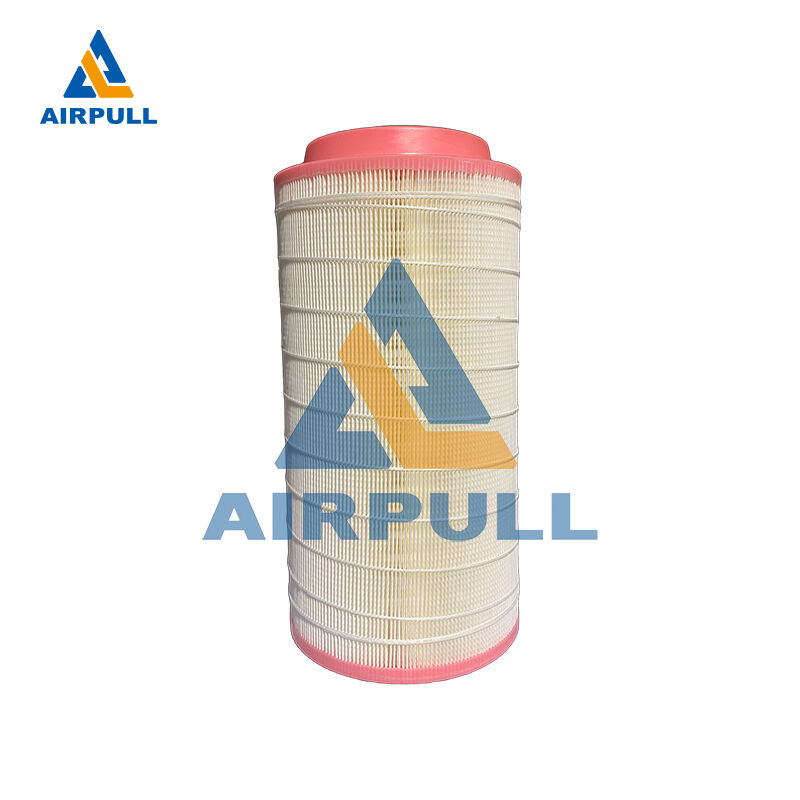
Cleaning a lubricating oil filter element is not just a maintenance task, it is a control point for machine reliability, oil cleanliness, and operating cost. In industrial settings, a poorly cleaned lubricating oil filter filter element can reintroduce trapped debris, accelerate wear, and shorten lubricant life even when oil change intervals look correct on paper. This process matters most when uptime targets are tight and contamination-sensitive components are involved. A correct method keeps the lubricating oil filter filter element effective while protecting seals, media structure, and downstream lubrication circuits.
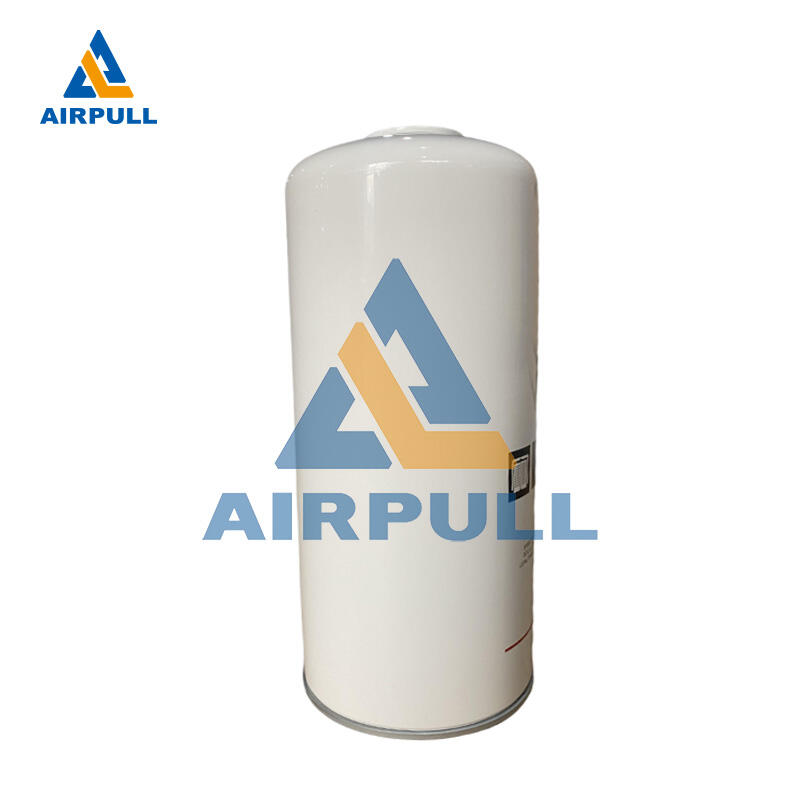
The right way to clean a lubricating oil filter filter element follows a sequence: isolate, inspect, pre-rinse, controlled cleaning, drying, validation, and careful reinstallation. Skipping sequence is where most failures begin, especially when compressed air pressure is too high or incompatible solvents are used. This guide explains how to clean a lubricating oil filter filter element step by step, when cleaning is acceptable, and when replacement is the safer decision. It is written for maintenance managers, reliability engineers, and plant technicians who need repeatable results.
Preparation and suitability checks before cleaning
Confirm whether the element is cleanable or replace-only
Before touching the housing, verify whether your lubricating oil filter filter element is designed for cleaning. Some media structures are reusable under controlled conditions, while others are bonded in a way that degrades after one service cycle. If cleaning is not allowed by the element specification, forcing reuse can collapse media pores and release captured particles during startup. A reusable lubricating oil filter filter element should have clear service guidance for cleaning fluid type, pressure limits, and maximum reuse cycles.
A practical rule in B2B maintenance programs is to classify each lubricating oil filter filter element by criticality and consequence of failure. In low-risk loops, cleaning may be economical if efficiency checks are passed. In high-load compressors or precision gear systems, even a small drop in filtration quality can be expensive. That is why the decision to clean a lubricating oil filter filter element should be tied to reliability impact, not only spare-part cost.
Isolate the system and protect contamination control
Shut down the machine, isolate pressure, and allow oil temperature to drop to a safe handling range before removing the lubricating oil filter filter element. Hot oil can carry suspended contaminants and create handling hazards that compromise cleaning quality. Use clean caps, trays, and lint-free cloth zones so the lubricating oil filter filter element does not contact dirty benches or open floor areas. Many failed cleanings are not caused by chemistry but by poor contamination discipline during disassembly.
At this stage, capture baseline observations that will guide the cleaning process. Note differential pressure trend, visible sludge, varnish tint, and any metallic debris in the housing. These signals help determine whether the lubricating oil filter filter element is only surface loaded or deeply plugged. They also support root-cause review when repeated blockage appears after short run hours.
Step-by-step cleaning workflow for reliable results
Perform controlled pre-cleaning to remove loose contaminants
Start with gravity draining and gentle external wiping so free oil and loose debris leave the lubricating oil filter filter element before wet cleaning begins. A low-pressure flush with compatible cleaning fluid can remove soft deposits without pushing particles deeper into media channels. Avoid aggressive jetting directly into folds, because that can deform pleats and reduce effective area of the lubricating oil filter filter element. The goal in this phase is contaminant release, not forceful stripping.
When deposits are heavy, use staged soaking in approved fluid rather than prolonged high-pressure spraying. Short soak cycles with mild agitation are safer for adhesive joints and end caps of the lubricating oil filter filter element. Between soak cycles, inspect flow-through clarity to see whether contamination is still unloading. A disciplined pre-cleaning routine often determines whether the lubricating oil filter filter element can pass final validation.
Clean from the correct direction and protect media integrity
The cleaning direction should generally reverse normal flow so trapped particles are pushed out of the media rather than driven deeper into it. Apply moderate, even pressure and keep nozzle distance stable across the lubricating oil filter filter element surface. Pressure spikes can create invisible channeling that reduces filtration efficiency in operation. For this reason, technicians should treat each lubricating oil filter filter element as a precision component, not a generic metal part.
After fluid cleaning, use clean, dry compressed air only within manufacturer pressure limits and direct it in short passes. Overdrying at high pressure can damage fine fibers and distort pleats in a lubricating oil filter filter element. Rotate the element gradually and maintain consistent coverage to avoid dead zones where moisture or particles remain. A well-executed pass leaves the lubricating oil filter filter element visibly uniform with no torn media, loose gaskets, or detached seals.
Post-cleaning validation and reinstallation standards
Inspect cleanliness, structure, and sealing condition
A cleaned element is acceptable only when both cleanliness and physical integrity are verified. Check pleat geometry, end cap bonding, center tube stability, and seal elasticity on the lubricating oil filter filter element. Any crack, warp, or adhesive separation is a reject condition regardless of how clean the surface appears. Structural weakness in a lubricating oil filter filter element can trigger bypass events under pressure fluctuation.
Use practical acceptance criteria that can be repeated across shifts and sites. For example, visual light test across pleats, touch check for brittle seals, and residue check in rinse runoff can standardize judgment quality. Documentation should record whether the lubricating oil filter filter element passed, was re-cleaned, or was replaced. This data builds confidence in maintenance consistency and supports audit readiness.
Reinstall with contamination discipline and startup monitoring
Before reinstallation, clean the housing interior, seating surfaces, and adjacent piping interfaces so a clean lubricating oil filter filter element is not contaminated immediately. Lubricate seals with compatible oil film and torque housing components to specified values. Improper torque can cause leakage or bypass around the lubricating oil filter filter element, which defeats the entire cleaning effort. The installation step is as critical as the cleaning step.
On restart, monitor differential pressure rise and oil condition closely during the first operating period. A healthy lubricating oil filter filter element should show stable pressure behavior without sudden spikes. If pressure rises rapidly, stop and investigate potential residual contamination, wrong installation orientation, or media damage. Tracking early performance confirms whether cleaning truly restored the lubricating oil filter filter element to safe service condition.
Operational practices that extend cleaning success
Set cleaning intervals based on condition, not calendar alone
Calendar-based maintenance is easy to schedule but often inefficient for filtration assets. A condition-based approach uses pressure trend, oil analysis, and contamination events to determine when a lubricating oil filter filter element should be cleaned or replaced. This prevents premature handling and reduces the risk of unnecessary disturbance to sealed systems. It also improves lifecycle value from each lubricating oil filter filter element without compromising reliability.
Plants with variable load profiles especially benefit from adaptive intervals because contamination generation is not linear. Heavy startup cycles, humidity shifts, or process upset can saturate a lubricating oil filter filter element faster than expected. Pairing interval decisions with operating context gives maintenance teams better control over failure risk. Over time, this approach builds a more predictable service strategy for every lubricating oil filter filter element in the system.
Standardize tools, training, and approved replacement pathways
Consistency improves when each technician follows the same cleaning kit, solvent specification, air pressure limit, and acceptance checklist. Standard work instructions reduce variation that can quietly degrade lubricating oil filter filter element performance. Training should include examples of acceptable and rejected media conditions so decisions are objective rather than subjective. The result is safer reuse of each lubricating oil filter filter element and fewer avoidable callbacks.
When replacement is required, use a verified source with clear technical compatibility and traceable quality records. For planned maintenance, selecting the right lubricating oil filter filter element helps maintain filtration performance and service continuity. A defined replacement pathway prevents emergency substitutions that may not match pressure, media, or seal requirements. In industrial operations, disciplined sourcing is part of filtration reliability, not just procurement.
FAQ
Can every lubricating oil filter element be cleaned and reused?
No, not every lubricating oil filter filter element is designed for cleaning. Some are strictly replace-only due to media and bonding design, and cleaning can cause hidden structural damage. Always verify service guidance before deciding to clean a lubricating oil filter filter element. When critical equipment is involved, replacement is often safer if reuse criteria are unclear.
How do I know a cleaned element is still effective?
A cleaned lubricating oil filter filter element should pass visual integrity checks, seal inspection, and stable post-start differential pressure behavior. If pleats are distorted, seals are brittle, or pressure rises quickly, the lubricating oil filter filter element should be replaced. Pairing physical inspection with operating data gives the most reliable judgment. Effectiveness is proven in service stability, not visual cleanliness alone.
What are the most common cleaning mistakes in industrial sites?
The most frequent errors are excessive air pressure, wrong cleaning fluid, poor workbench cleanliness, and reinstalling without housing sanitation. Each mistake can reduce lubricating oil filter filter element efficiency or trigger bypass contamination. Another common issue is cleaning an element that has already exceeded safe reuse limits. A controlled method protects both the lubricating oil filter filter element and the equipment it serves.
How often should cleaning be performed in a B2B plant environment?
Frequency depends on load profile, contamination exposure, oil condition, and filtration criticality rather than a fixed calendar date. Use trend data to decide whether a lubricating oil filter filter element should be cleaned, re-cleaned, or replaced at each maintenance window. Sites with strong condition monitoring usually achieve better reliability and lower total cost. The best interval is the one that keeps every lubricating oil filter filter element within validated performance limits.