EN
EN



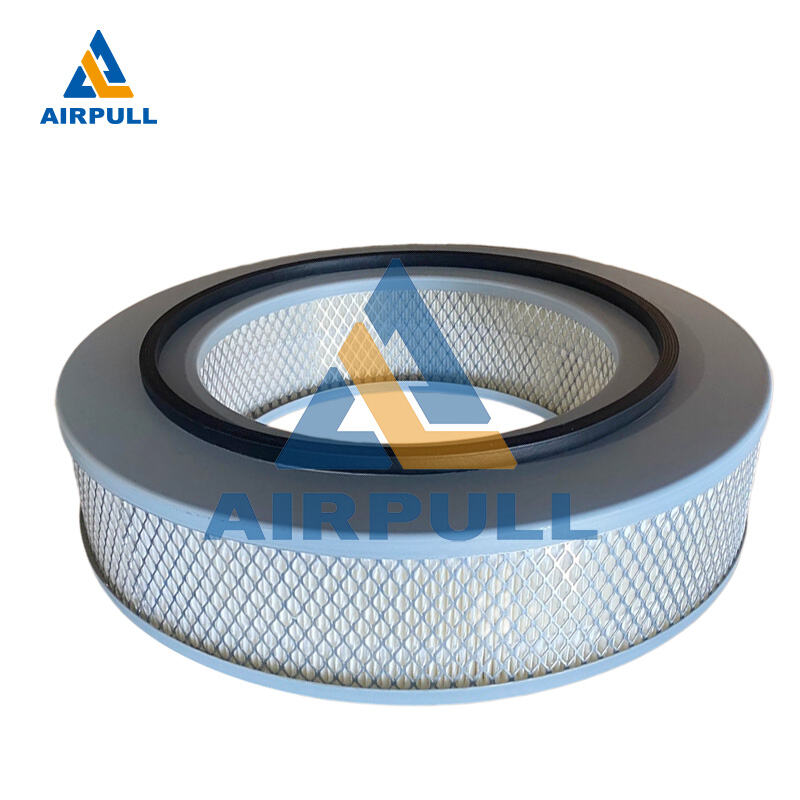
Choosing the right lubricating oil filter element for screw air compressor is not a small maintenance decision. It directly affects oil cleanliness, bearing life, rotor stability, and the total cost of compressed air production. In screw compressor systems, the oil circuit is both a lubricant and a heat transfer path, so filter quality determines how well the machine protects itself under load. If selection is based only on size or price, many plants end up facing early pressure drop, unstable temperature, and avoidable shutdown risk.
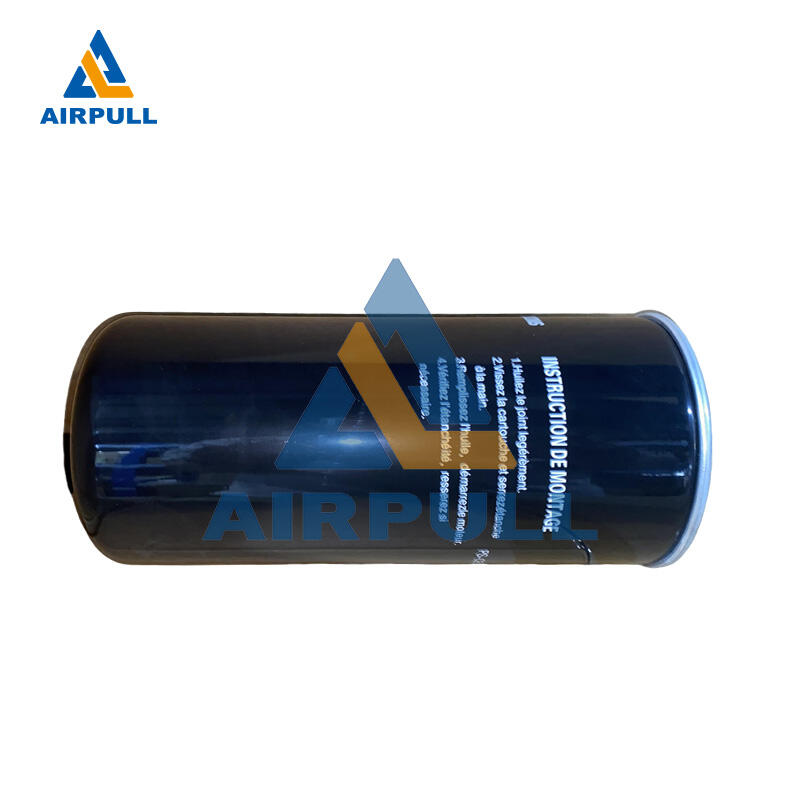
The practical way to choose a lubricating oil filter element for screw air compressor is to follow a technical sequence: define operating conditions, confirm filtration specification, verify mechanical compatibility, and validate service behavior over a real duty cycle. This approach helps maintenance teams avoid trial-and-error replacement and gives procurement a clear standard for consistent purchasing. A good selection decision is the one that keeps contamination under control without creating unnecessary differential pressure or shortened service intervals. The sections below walk through that process in a plant-ready way.
Start with Operating Conditions and Failure History
Map the compressor duty profile before selecting any filter element
Before comparing part numbers, document how the compressor actually runs. A continuously loaded unit in a dusty environment needs a different lubricating oil filter element for screw air compressor strategy than a lightly loaded backup unit in a clean room. Oil temperature swing, start-stop frequency, and ambient particulate load all influence contaminant generation and viscosity behavior. Selection becomes accurate only when the filter is matched to this real operating profile.
In many B2B facilities, the same model compressor behaves differently across departments because process demand and air quality vary by line. That means one universal replacement approach often underperforms. A properly chosen lubricating oil filter element for screw air compressor should be linked to duty class, not only machine model. This reduces the mismatch between expected and actual filter life.
Use historical symptoms to narrow the right filtration direction
Past maintenance records are one of the strongest guides in choosing a lubricating oil filter element for screw air compressor. Repeated high oil temperature alarms, frequent bypass valve events, or darkened oil before planned drain intervals usually indicate contamination control problems. These signs help determine whether the current filtration grade is insufficient or whether flow resistance is becoming excessive too early. Without this history, teams often replace like-for-like and keep the same failure pattern.
Also check whether failures are seasonal or process-linked. If pressure drop across the lubricating oil filter element for screw air compressor rises sharply during certain production periods, contaminant load is likely cyclical. In that case, filter media design and dirt holding behavior become key selection criteria. Historical data turns filter selection from assumption into evidence-based decision making.
Match Filtration Performance to Oil Circuit Requirements
Balance micron efficiency and pressure drop behavior
A common mistake is selecting the finest available media without checking flow impact. The right lubricating oil filter element for screw air compressor must capture damaging particles while maintaining stable oil flow through bearings and rotors. If filtration is too restrictive for the system flow, differential pressure rises and bypass risk increases, especially during cold starts. If filtration is too coarse, wear particles circulate longer and shorten component life.
Ask for efficiency data at realistic operating viscosity, not only reference lab conditions. A reliable lubricating oil filter element for screw air compressor should show consistent capture behavior under the actual oil grade and typical temperature range of your machine. This is where many low-cost alternatives appear acceptable on paper but perform inconsistently in service. Selection should prioritize stable efficiency across the full operating window.
Evaluate dirt holding capacity and service interval stability
Dirt holding capacity determines how long the lubricating oil filter element for screw air compressor can function before pressure drop reaches replacement threshold. In industrial settings with variable contamination, this parameter often matters more than initial clean pressure drop. A filter that starts with low resistance but saturates quickly may increase total downtime and labor cost. Long-term stability is usually more valuable than short-term convenience.
When planning preventive maintenance, align the expected life of the lubricating oil filter element for screw air compressor with your service calendar. If the element consistently expires before scheduled shutdown windows, teams are forced into extra interventions. A better-matched element supports predictable maintenance cycles and improves production planning. The target is controlled contamination with maintenance timing that fits plant operations.
Confirm Mechanical and Material Compatibility
Check dimensional fit, sealing integrity, and structural strength
Mechanical compatibility is non-negotiable when choosing a lubricating oil filter element for screw air compressor. Even slight variation in thread specification, gasket profile, or canister dimensions can create leakage or poor sealing under pulsation. A leak at the seal path can bypass filtration entirely, making media quality irrelevant. Always verify exact installation interface and torque window.
Housing pressure pulses and thermal cycles can deform weak components over time. A durable lubricating oil filter element for screw air compressor needs structural integrity in the shell, end caps, and center tube to avoid collapse or crack initiation. In higher load operations, this stability becomes critical to prevent sudden loss of filtration function. Mechanical verification should be treated as part of reliability engineering, not just spare-parts matching.
Ensure media and seal materials are compatible with compressor oil chemistry
Different compressor oils can interact differently with adhesives, sealing rubbers, and filter media binders. A suitable lubricating oil filter element for screw air compressor must be chemically compatible with your oil type and additive package through the full drain interval. Material incompatibility can lead to swelling, hardening, or fiber degradation that reduces performance before the planned replacement point. This risk is often overlooked during purchasing.
For procurement and maintenance alignment, standardize approved material specifications for each oil family used on site. That way, every lubricating oil filter element for screw air compressor purchased meets baseline chemical and thermal requirements. Standardization reduces emergency substitutions and limits quality variation between batches. It also improves audit traceability in regulated industrial environments.
Validate Supplier Documentation and Real Service Performance
Use technical documentation to verify selection confidence
Selection quality improves when documentation quality improves. A dependable lubricating oil filter element for screw air compressor should come with clear technical data covering filtration behavior, pressure resistance, and material details. Documentation should support maintenance planning rather than forcing teams to infer performance from catalog labels. Clear traceability also helps root-cause analysis when equipment issues occur.
Ask for consistency indicators such as production quality controls and batch identification practices. The same lubricating oil filter element for screw air compressor part reference should deliver repeatable behavior across delivery lots. In B2B operations, consistency is often more important than isolated peak performance. Stable quality protects uptime and lowers troubleshooting effort.
Run field validation with measurable maintenance indicators
A short controlled trial can confirm whether a selected lubricating oil filter element for screw air compressor performs as expected in your actual process conditions. Track differential pressure trend, oil cleanliness indicators, operating temperature stability, and unscheduled intervention frequency. Compare these observations against your baseline element over equivalent duty hours. Measurable improvement confirms that the selection logic is working.
After validation, convert findings into a formal replacement standard. Define when the lubricating oil filter element for screw air compressor should be replaced based on condition and operating hours, not only fixed calendar intervals. This creates a practical framework that maintenance teams can execute consistently across shifts. A documented standard turns one good selection into long-term reliability gains.
FAQ
How often should a lubricating oil filter element for screw air compressor be replaced?
Replacement interval depends on duty cycle, contamination load, and oil condition rather than a single universal number. Most plants begin with the compressor service guideline, then adjust using differential pressure trend and oil analysis behavior. If the lubricating oil filter element for screw air compressor reaches high restriction before scheduled maintenance, interval planning should be revised. Condition-based replacement is usually more accurate than fixed-time replacement alone.
Can a lower-cost lubricating oil filter element for screw air compressor reduce total maintenance cost?
It can, but only when filtration efficiency, structural strength, and service life remain stable in your operating conditions. A low-price option that causes earlier clogging or bypass events often increases labor, oil degradation, and downtime costs. The right way to evaluate a lubricating oil filter element for screw air compressor is total lifecycle impact, not purchase price alone. Field data over several service cycles gives the clearest answer.
What is the most common mistake when selecting a lubricating oil filter element for screw air compressor?
The most common mistake is selecting by dimensions only and ignoring duty profile plus oil chemistry. A part that fits physically may still perform poorly if filtration behavior or materials do not match system needs. Another frequent issue is skipping trend monitoring after installation, so hidden mismatch continues for months. Effective selection of a lubricating oil filter element for screw air compressor combines fit, performance, and verification.
Does oil type affect lubricating oil filter element for screw air compressor choice?
Yes, oil formulation can strongly affect seal compatibility, media durability, and pressure-drop behavior over time. Synthetic and mineral oils with different additive packages may interact differently with filter materials under heat and load. For that reason, each lubricating oil filter element for screw air compressor should be approved against the specific oil used in the compressor fleet. Matching oil chemistry and filter material is essential for stable long-interval operation.
Table of Contents
- Start with Operating Conditions and Failure History
- Match Filtration Performance to Oil Circuit Requirements
- Confirm Mechanical and Material Compatibility
- Validate Supplier Documentation and Real Service Performance
-
FAQ
- How often should a lubricating oil filter element for screw air compressor be replaced?
- Can a lower-cost lubricating oil filter element for screw air compressor reduce total maintenance cost?
- What is the most common mistake when selecting a lubricating oil filter element for screw air compressor?
- Does oil type affect lubricating oil filter element for screw air compressor choice?