EN
EN



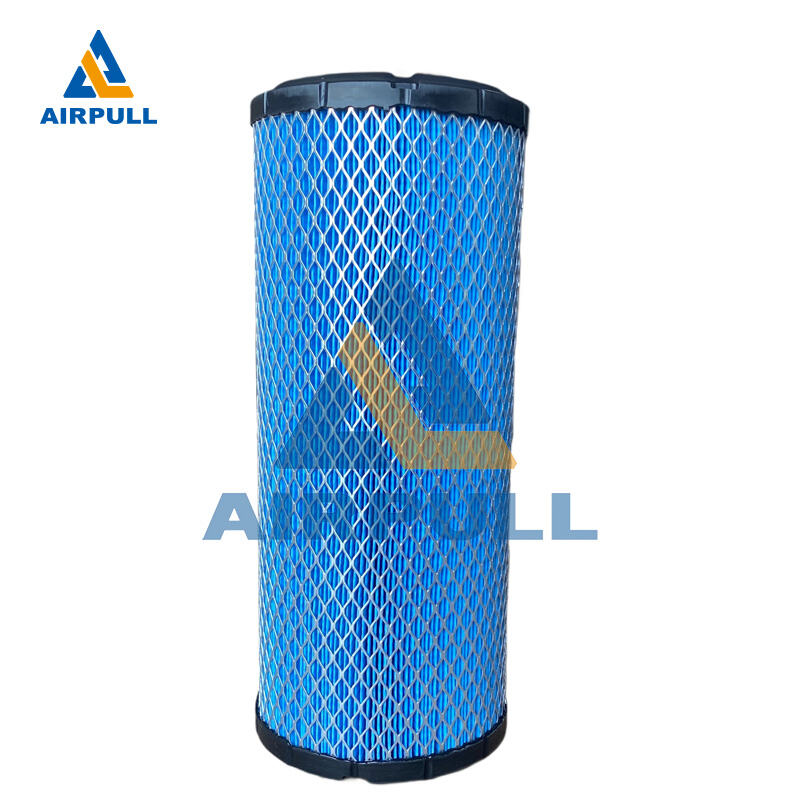
Replacing an oil filter on a compressor is not just a maintenance task, it is a controlled reliability procedure that protects bearings, rotors, and the lubrication circuit from abrasive particles and degraded oil byproducts. In practical plant operation, a correct replacement lubricating oil filter for compressor process reduces pressure drop, stabilizes oil cleanliness, and helps keep discharge temperatures in a safer operating band. This guide explains the full workflow from preparation to restart so technicians can complete the job accurately, safely, and with repeatable results. It is written for maintenance teams that need clear execution steps rather than generic advice.
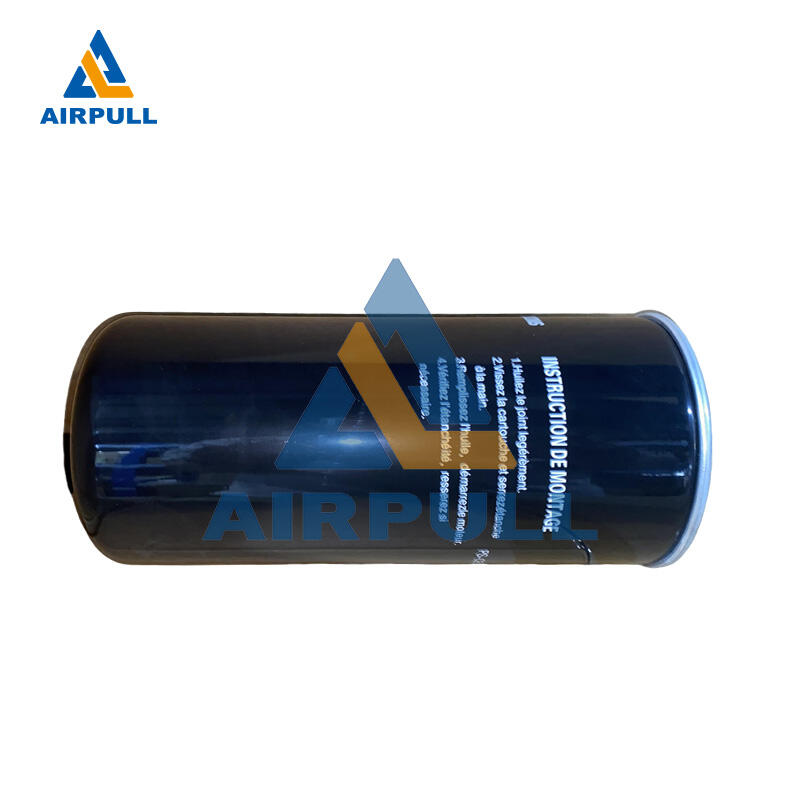
A successful replacement lubricating oil filter for compressor job starts before any wrench touches the housing. You need the correct element specification, proper isolation, a contamination control mindset, and post-change verification steps that confirm oil flow and pressure behavior. Skipping any of these stages can lead to leaks, air ingress, or premature fouling of the new filter. The sections below walk through each stage in sequence so your replacement lubricating oil filter for compressor procedure is technically sound and easy to standardize across shifts.
Plan the Replacement Workflow Before Shutdown
Confirm operating context and filter service trigger
Before scheduling a stop, verify why the change is required and record the trigger condition. A replacement lubricating oil filter for compressor is usually initiated by differential pressure rise, service-hour interval, contamination event, or oil analysis findings that indicate particle load is increasing. Tying the task to real condition data avoids unnecessary downtime and also prevents waiting too long after a filter has entered bypass risk. This step creates traceability for maintenance planning and audit records.
Review recent operating history, especially load profile changes, start-stop frequency, and ambient dust conditions. These factors influence how quickly a replacement lubricating oil filter for compressor reaches end of effective life. If your compressor has recently experienced high thermal cycling, inspect related oil system seals at the same time because hardened seals can mimic filter-related issues through pressure instability. A short pre-job review meeting helps technicians align on scope and responsibilities.
Prepare parts, tools, and contamination controls
Gather the new filter, approved oil for seal wetting or top-up, clean lint-free wipes, proper sockets or filter wrench, drain pan, and tagging materials before shutdown. Verify that the replacement lubricating oil filter for compressor matches thread type, micron rating, collapse strength, and pressure class required by the compressor documentation. Installing a physically compatible but technically mismatched element can degrade filtration performance and shorten component life.
Contamination control is central to this task. Keep the new replacement lubricating oil filter for compressor in sealed packaging until installation, clean the mounting area before removal, and protect open ports from airborne particles. Many premature failures after routine service are linked to dirt introduced during changeout, not to filter quality itself. Preparing a clean work zone around the compressor dramatically improves results.
Execute Safe Isolation and Controlled Filter Removal
Apply lockout and release stored pressure
Shut the compressor down according to site procedure, isolate energy sources, and apply lockout and tagout devices. The replacement lubricating oil filter for compressor process must never begin with residual pressure in the lubrication circuit. Confirm pressure is at zero using installed gauges and carefully vent trapped pressure from the filter housing area where applicable. This protects personnel and prevents sudden oil discharge during loosening.
Allow the system to cool to a safe handling temperature. Warm oil drains better, but excessive temperature increases burn risk and can distort removal torque behavior on some housings. A balanced approach is to begin the replacement lubricating oil filter for compressor after controlled cooldown when oil is still fluid but surfaces are safe to touch with proper gloves. This improves both safety and housekeeping control.
Remove the old filter without introducing debris
Place a drain pan under the filter area and loosen slowly to confirm pressure is fully relieved. During removal, keep the old element upright as much as possible to reduce spillage and avoid backflow of contaminated oil onto surrounding components. This part of the replacement lubricating oil filter for compressor procedure is where many small contamination mistakes happen, especially in tight compressor enclosures with limited access.
After removal, inspect the old gasket to ensure it did not remain stuck on the mounting face. A double-gasket condition can cause immediate leakage after restart, even when the replacement lubricating oil filter for compressor is correctly tightened. Wipe the sealing surface thoroughly and check for scoring, thread damage, or deformation. Clean mating surfaces are essential for stable sealing and pressure integrity.
Install the New Filter Correctly and Restore Oil Circuit Integrity
Prepare the new filter and sealing interface
Open the new element package only when ready to install. Confirm part marking again and visually inspect for dents, damaged threads, or sealing defects. For a spin-on design, lightly lubricate the gasket with approved compressor oil so the replacement lubricating oil filter for compressor seats smoothly and does not bind during tightening. For cartridge housings, inspect O-rings and replace them as required by service instructions.
Where operating design allows, pre-filling can reduce dry-start time, but this must follow equipment guidance and cleanliness standards. Never pour unfiltered oil from open containers directly into a replacement lubricating oil filter for compressor without contamination control. Using clean transfer methods protects downstream components and keeps your maintenance quality consistent. Attention to small handling details has a measurable impact on oil system reliability.
Tighten to specification and verify mechanical fit
Install the filter by hand until gasket contact, then tighten according to manufacturer guidance, either by fractional turn after contact or torque value if specified. Over-tightening a replacement lubricating oil filter for compressor can deform the gasket or make the next service difficult, while under-tightening increases leak risk. Controlled tightening is a precision step, not a guesswork step, especially in high-duty industrial compressors.
Once seated, inspect clearance around the filter body and confirm no vibration-prone line or bracket is touching it. If you are sourcing a new element, this replacement lubricating oil filter for compressor reference can help align fit and application expectations. Mechanical interference can fatigue housings over time, so alignment checks are worth the extra minute during installation.
Restart, Validate Performance, and Standardize the Procedure
Controlled restart and leak observation
Remove lockout devices per site protocol and restart the compressor under observation. Watch the filter area immediately for seepage, misting, or drips while pressure rises. A replacement lubricating oil filter for compressor should stabilize quickly with no external leakage and no abnormal noise from the lubrication circuit. Early observation during the first minutes of operation is the fastest way to catch seal seating problems.
Track oil pressure behavior and differential pressure trend against normal baseline for that unit. If the replacement lubricating oil filter for compressor was installed correctly and the circuit is healthy, you should see improved flow characteristics and stable readings under load. Any sudden pressure fluctuation may indicate trapped air, incorrect element specification, or unrelated pump and valve issues that now require follow-up diagnostics.
Document results and build repeatable maintenance quality
Record date, operating hours, trigger reason, filter part number, technician name, and post-restart readings in your maintenance system. Good documentation turns each replacement lubricating oil filter for compressor event into usable reliability data, helping optimize service intervals and inventory planning. Over time, these records reveal whether interval changes are justified by actual operating conditions rather than fixed calendar assumptions.
Include lessons learned from the job, such as access constraints, tool improvements, or contamination controls that worked well. Standardizing your replacement lubricating oil filter for compressor workflow across teams reduces variability between shifts and sites. Consistent execution lowers leak events, supports cleaner oil, and protects critical compressor components from avoidable wear. That is how a routine service task becomes a reliability lever in industrial operations.
FAQ
How often should a lubricating oil filter be replaced on a compressor?
Interval depends on operating hours, load profile, ambient contamination, and oil condition, so fixed timing alone is rarely ideal. Most plants combine scheduled interval targets with differential pressure and oil analysis to decide replacement timing. In high-dust or high-temperature duty, the replacement lubricating oil filter for compressor may be required sooner than baseline recommendations.
Can I change only the filter without changing compressor oil?
In many maintenance programs, yes, but the decision should follow oil condition data and service policy. If oil analysis is acceptable and contamination is localized to filter loading, a filter-only intervention can be valid. If oxidation, viscosity drift, or high particle contamination is present, replacement lubricating oil filter for compressor should be paired with an oil change for full system protection.
What is the most common mistake during filter replacement?
The most frequent issues are poor isolation, dirty installation practices, and incorrect gasket handling. Double-gasketing or over-tightening can cause immediate leaks after restart, while open handling can introduce new contaminants. Treat every replacement lubricating oil filter for compressor task as a cleanliness-critical procedure, not just a mechanical part swap.
What signs show the new filter installation is successful?
A successful result includes no external leakage, stable oil pressure, normal compressor sound, and improved differential pressure behavior relative to pre-change readings. Logging these checks after startup confirms that the replacement lubricating oil filter for compressor is functioning as intended. Continued stability through the next operating cycle is the practical proof of a correct installation.