EN
EN


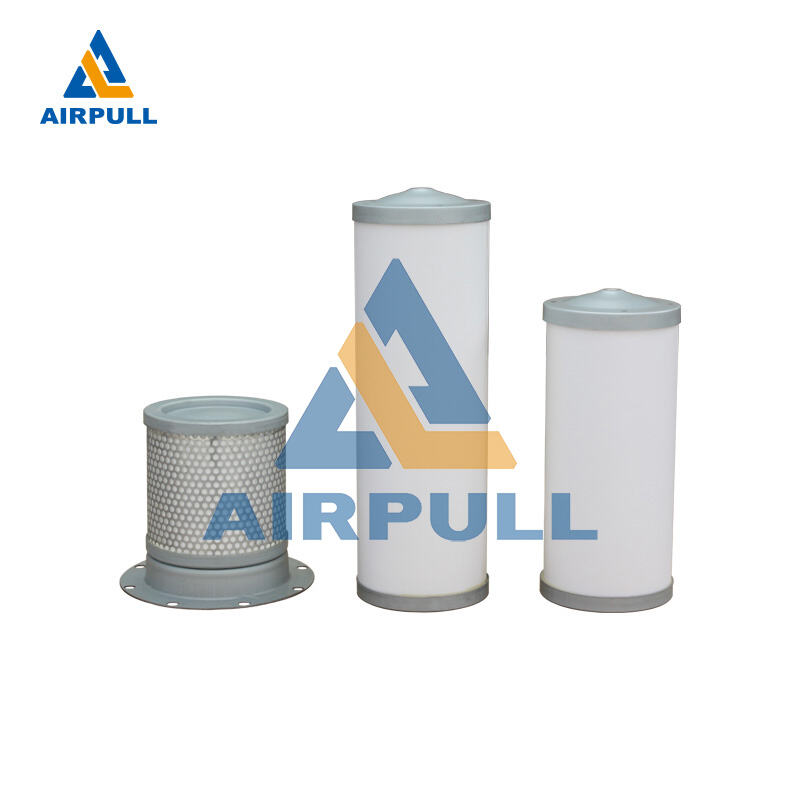
Buying a factory direct lubricating oil filter element is not only a sourcing task, it is an operational decision that affects equipment uptime, lubricant cleanliness, and maintenance cost control. In industrial environments, the wrong filter element can trigger pressure instability, accelerated wear, and avoidable shutdowns. The right buying approach starts with technical clarity, then moves through supplier validation, quality proof, and disciplined order execution. This guide explains how to buy a factory direct lubricating oil filter element step by step, so procurement and maintenance teams can make repeatable, low-risk decisions.
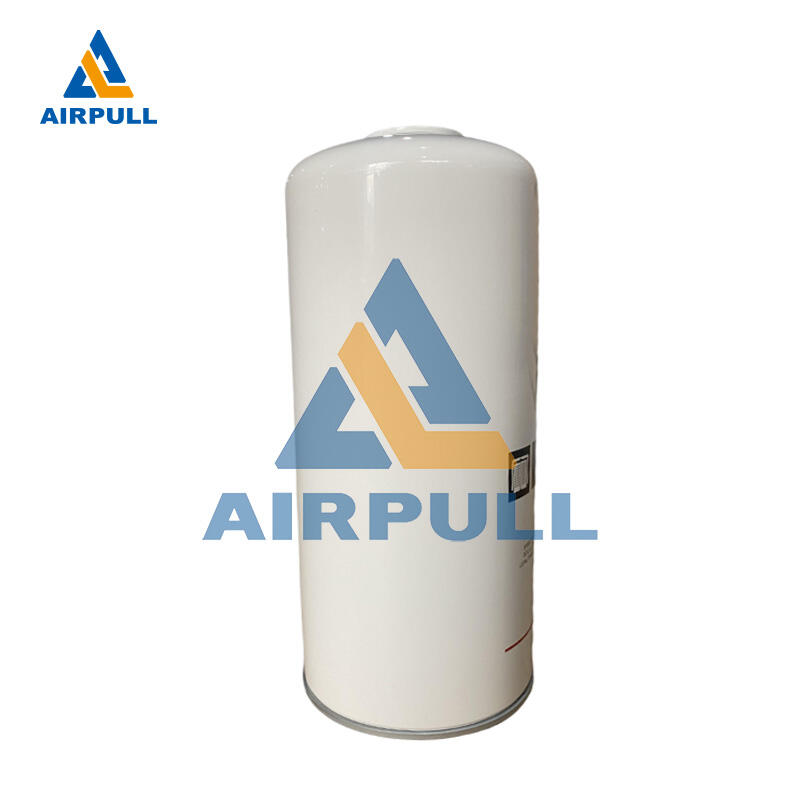
A reliable process for purchasing a factory direct lubricating oil filter element should begin before you request a quote. You need to define application conditions, identify exact fit and filtration performance, and confirm direct factory capabilities instead of relying on assumptions. When buyers skip these steps, even a competitively priced factory direct lubricating oil filter element can become expensive in use. A disciplined method helps you secure consistent quality, predictable lead time, and better lifecycle value from every factory direct lubricating oil filter element you install.
Set Technical Requirements Before You Contact Any Factory
Map operating conditions and filtration targets
The first step to buy a factory direct lubricating oil filter element is documenting your real operating environment. Capture lubricant type, viscosity range, operating temperature, pressure differential limits, contamination profile, and duty cycle. This information determines whether a factory direct lubricating oil filter element will perform steadily in your actual system, not just in a generic specification sheet. Procurement teams that align with maintenance engineers at this stage reduce mismatch risk and improve first-pass success.
You should also define filtration objectives in practical terms, such as cleanliness stability over service interval and acceptable pressure drop behavior. A factory direct lubricating oil filter element must support these objectives without forcing premature replacement. If your system faces variable loads, ask how the media structure in the factory direct lubricating oil filter element handles transient flow and contamination spikes. This avoids buying based on nominal values that do not reflect field conditions.
Confirm dimensional fit and interchange precision
Even a high-grade factory direct lubricating oil filter element fails operationally if dimensional tolerances are off. Confirm outer diameter, inner diameter, seal geometry, thread or end-cap structure, and overall length against your current housing. A factory direct lubricating oil filter element should install without modification and maintain stable sealing under vibration and thermal cycling. Small fit errors often lead to bypass, leakage, or housing stress that shortens service life.
Ask for dimensional drawings and tolerance ranges before order placement. During the buying process, request cross-reference confirmation in writing so the selected factory direct lubricating oil filter element is tied to your internal part code. This written traceability simplifies receiving inspection and future reorders. It also protects your team when multiple plants source the same factory direct lubricating oil filter element under centralized procurement.
Verify That the Source Is Truly Factory Direct
Check production ownership and process control
To buy a true factory direct lubricating oil filter element, validate that the seller controls production rather than only forwarding orders. Ask for evidence of in-house manufacturing stages such as media processing, assembly, sealing, and final inspection. A real factory direct lubricating oil filter element channel usually provides faster technical feedback because engineering and production teams are accessible. This reduces delay when you need specification clarification or corrective action.
Direct-source verification should include quality workflow visibility. You need to understand how each factory direct lubricating oil filter element batch is identified, inspected, and released. Batch-level control helps you isolate issues quickly and maintain consistency between shipments. Without process ownership, it is difficult to guarantee that each factory direct lubricating oil filter element you receive matches approved performance.
Review documents that support direct supply credibility
A structured document review is essential before purchasing a factory direct lubricating oil filter element at scale. Focus on manufacturing certifications, inspection records, material conformity evidence, and product traceability practices. Documentation quality often indicates operational maturity, and mature systems usually deliver more consistent factory direct lubricating oil filter element performance over long supply cycles. This is especially important for plants running continuous operations.
When you evaluate options, use a practical reference point such as this factory direct lubricating oil filter element page to benchmark the level of technical and product clarity you expect. The goal is not just low unit price, but confidence that every factory direct lubricating oil filter element order can be repeated with predictable quality. Clear documentation lowers commercial and technical uncertainty before contract commitment.
Evaluate Product Quality Beyond Basic Specifications
Assess filtration media and structural durability
A dependable factory direct lubricating oil filter element should be evaluated for media stability, contaminant holding behavior, and structural integrity under pressure fluctuations. Ask how media composition supports both filtration efficiency and service life in your operating window. A factory direct lubricating oil filter element with unstable media can show rapid pressure rise and shortened interval even when initial efficiency appears acceptable. Long-term performance matters more than a single test point.
Structural details are equally important. End-cap bonding, center tube strength, and seal material compatibility all affect whether a factory direct lubricating oil filter element can withstand thermal and mechanical stress. Request evidence from routine production checks, not only type-test samples. The factory direct lubricating oil filter element you buy should represent normal production consistency, not an exceptional prototype condition.
Validate consistency through sampling and acceptance criteria
Before large-volume procurement, run a controlled sample evaluation for the factory direct lubricating oil filter element in real operating conditions. Define acceptance criteria upfront, including installation fit, pressure behavior, service interval stability, and post-use condition. A clear pass/fail framework prevents subjective decisions and supports objective supplier qualification. This is a critical part of buying a factory direct lubricating oil filter element responsibly for industrial assets.
Sampling should include multiple units from the same batch and, when possible, from different batches. This reveals whether factory direct lubricating oil filter element performance is consistent over time rather than dependent on isolated units. Record all observations in a qualification file linked to part numbers and batch codes. That record becomes your operational baseline for future factory direct lubricating oil filter element purchase approvals.
Build a Commercial Model That Protects Operations
Set price logic around lifecycle value, not only unit cost
A low quote for a factory direct lubricating oil filter element is attractive, but procurement should evaluate total operating impact. Include replacement frequency, maintenance labor, inventory turnover, and downtime exposure in your cost model. A slightly higher-cost factory direct lubricating oil filter element can deliver lower annual spend when service stability is better. Lifecycle thinking aligns sourcing decisions with production reliability goals.
Use annual demand planning to negotiate price tiers based on realistic consumption, not optimistic estimates. Stable planning helps secure better terms for factory direct lubricating oil filter element supply without overstocking. Tie commercial discussions to technical acceptance criteria so pricing is linked to verified performance. This keeps factory direct lubricating oil filter element procurement disciplined and measurable.
Control lead time, inventory risk, and change management
Lead time risk can disrupt maintenance schedules even when product quality is acceptable. Define replenishment windows, safety stock triggers, and emergency shipment rules for your factory direct lubricating oil filter element program. Clear logistics expectations reduce exposure to sudden shortages. In critical plants, supply continuity is as important as filter performance.
Formal change control is also essential. Require notification before any material, process, or dimensional change affecting the factory direct lubricating oil filter element. This prevents unplanned variation from entering production unnoticed. With documented change governance, your team can revalidate the factory direct lubricating oil filter element before broad deployment and avoid reliability surprises.
Execute Ordering and Post-Purchase Verification
Place purchase orders with technical and quality precision
When placing an order, include full technical identifiers for the factory direct lubricating oil filter element, not only a short commercial description. Purchase orders should reference part code, revision status, dimensional requirements, inspection expectations, and packaging standards. Precision in ordering language reduces interpretation risk across procurement, warehouse, and maintenance teams. It also ensures each factory direct lubricating oil filter element shipment aligns with your approved baseline.
Add receiving inspection instructions to internal workflows before the first shipment arrives. Verify labeling, dimensions, visual condition, and traceability records for each factory direct lubricating oil filter element batch. Early detection of deviations protects operating assets and preserves supplier accountability. A strong receiving process is a practical safeguard in every factory direct lubricating oil filter element buying program.
Track field performance and refine reorder decisions
The buying process is not complete after delivery. Monitor installed factory direct lubricating oil filter element performance through maintenance logs, differential pressure trends, and replacement intervals. Field data helps confirm whether expected benefits are being realized at plant level. This evidence-based feedback loop improves future sourcing and supports continuous reliability improvement.
Use quarterly reviews to compare planned versus actual outcomes for each factory direct lubricating oil filter element application. If performance drifts, investigate root causes across operating conditions, installation practice, and batch consistency. Then adjust technical specs or commercial terms before the next cycle. This is how organizations transform one-time purchasing into a controlled factory direct lubricating oil filter element supply strategy.
FAQ
How do I know whether a factory direct lubricating oil filter element is truly factory supplied?
Confirm production ownership, batch traceability, and quality documentation tied to manufacturing steps. A true factory direct lubricating oil filter element source can explain its internal process controls and provide consistent technical records across orders. You should also verify that engineering feedback is available without long intermediary delays.
How many samples should be tested before full procurement?
For a new factory direct lubricating oil filter element, test multiple units from at least one batch, and preferably across more than one batch when timelines allow. The goal is to confirm repeatability, not just single-unit performance. Acceptance criteria should include fit, pressure behavior, and service interval stability under real operating conditions.
What is the main risk when buying only by lowest price?
The main risk is hidden lifecycle cost. A cheaper factory direct lubricating oil filter element may require shorter service intervals, increase maintenance workload, or create reliability instability that outweighs unit savings. Industrial buyers should evaluate total operational impact, not only invoice price.
How often should purchasing teams review supplier performance?
A quarterly review cycle is practical for most plants using a factory direct lubricating oil filter element at regular volume. Review delivery reliability, quality consistency, and field performance trends together. This cadence helps teams correct issues early and keep the factory direct lubricating oil filter element supply model stable over time.