EN
EN



Maintaining clean air in a welding environment is not optional — it is a critical safety requirement. At the center of that air quality effort is your portable welding fume dust collector with replaceable filter cartridge, a machine that works hard every shift to capture toxic particles, metal oxides, and fine smoke generated during welding operations. Like any high-performance filtration device, however, it can only do its job well when the filter inside it is clean, intact, and functioning at rated capacity. When the filter becomes saturated or damaged, the unit loses its ability to protect workers, and the entire system begins to work against you rather than for you.
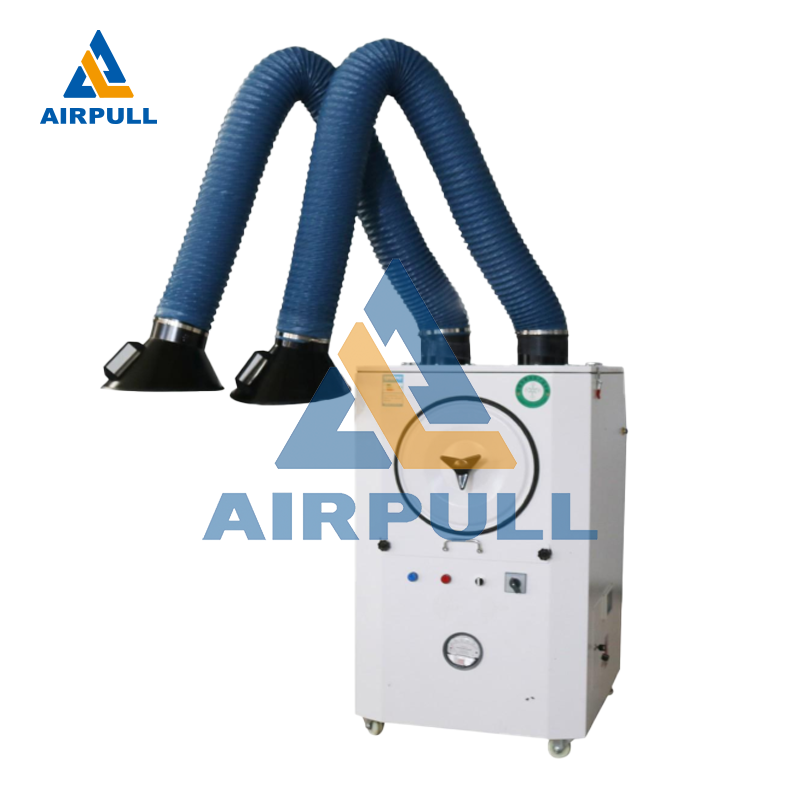
This guide walks you through the complete process of replacing the filter on a portable welding fume dust collector with replaceable filter cartridge. Whether you are a maintenance technician, a workshop supervisor, or a safety officer, understanding this procedure correctly can extend the life of your equipment, reduce downtime, and ensure that your filtration system consistently meets occupational health standards. The steps outlined here apply broadly to cartridge-style portable fume collectors used in industrial, fabrication, and manufacturing environments.
Understanding the Filter Cartridge in a Portable Welding Fume Collector
What a Replaceable Filter Cartridge Actually Does
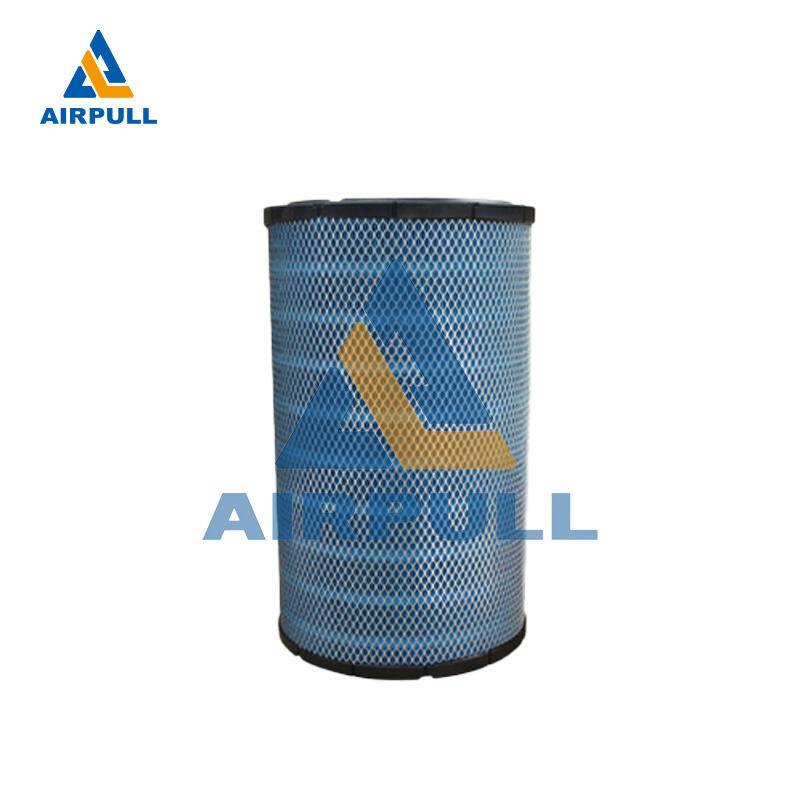
The filter cartridge is the core filtration component inside a portable welding fume dust collector with replaceable filter cartridge. It captures fine particulate matter — including sub-micron metal fume, manganese particles, hexavalent chromium compounds, and other hazardous aerosols — before the cleaned air is recirculated into the workshop. A high-quality cartridge typically uses pleated filter media, which dramatically increases the effective surface area available for dust capture without increasing the physical size of the unit.
Most cartridge-style collectors also incorporate a pulse-jet cleaning mechanism, which uses short bursts of compressed air to knock accumulated dust off the filter surface and into a collection drawer or bag below. This self-cleaning function extends filter life significantly, but it does not eliminate the need for eventual filter replacement. Over time, the filter media becomes permanently blinded by ultra-fine particles that cannot be dislodged by pulse cleaning alone.
Understanding this distinction — between a filter that needs cleaning and a filter that needs replacing — is critical before you begin the replacement process. Checking differential pressure readings, inspecting visual condition, and reviewing operational hours all contribute to making the correct maintenance decision at the right time.
Signs That a Filter Cartridge Needs Replacement
The most reliable indicator that your portable welding fume dust collector with replaceable filter cartridge requires a new filter is a sustained increase in differential pressure across the filter element, even after a full pulse-cleaning cycle. If the pressure drop does not return to baseline levels after cleaning, the filter media has reached the end of its serviceable life. Most units display this reading on a built-in magnehelic gauge or digital pressure monitor.
Reduced suction at the capture arm or hood is another practical sign. If welders begin reporting visible smoke escaping the capture zone, or if ambient air quality measurements in the workspace deteriorate, these are strong operational signals that the filter is no longer performing adequately. In some cases, physical damage such as tears, holes, or deformed end caps may also necessitate immediate replacement regardless of operational hours.
A general maintenance schedule — typically every 1,000 to 2,000 operating hours depending on welding intensity, material type, and ambient dust load — provides a useful baseline. However, pressure-based monitoring is always more accurate than time-based scheduling for a portable welding fume dust collector with replaceable filter cartridge operating in variable conditions.
Safety Preparation Before Starting the Filter Replacement
Personal Protective Equipment and Workspace Setup
Before touching the machine, you must prepare both yourself and the surrounding workspace appropriately. Welding fume dust collected inside a portable welding fume dust collector with replaceable filter cartridge is classified as hazardous waste in most regulatory frameworks. The accumulated particulate includes carcinogenic compounds, heavy metal oxides, and fine respirable particles that pose serious inhalation and dermal exposure risks during handling.
At minimum, technicians should wear a properly fitted N95 or P100 respirator, nitrile or rubber gloves, and safety glasses or a full face shield. A disposable coverall or dedicated work clothing is also recommended to prevent secondary contamination of clean areas. If your facility handles stainless steel or coated material welding fumes, consider the use of a supplied-air respirator due to the elevated hexavalent chromium content in those residues.
Lay down a plastic sheet or containment liner beneath the machine before beginning. This prevents spilled dust from contaminating the floor and makes cleanup significantly easier. Ensure the work area is well-ventilated independently of the fume collector itself, since the unit will be non-operational during the replacement procedure.
Electrical Isolation and System Shutdown
Power down the portable welding fume dust collector with replaceable filter cartridge completely before beginning. Switch off the unit using the main power switch, then disconnect it from its power source entirely. Do not assume that simply switching the unit to standby mode is sufficient — full electrical isolation prevents accidental start-up during the procedure, which could cause injury or disperse hazardous dust into the breathing zone.
If the unit has an integrated compressed air system for pulse-jet cleaning, relieve the pressure in the air reservoir before opening any panels or accessing the filter chamber. Consult the manufacturer's documentation for the specific depressurization procedure relevant to your model. Failure to depressurize the system can result in sudden air release when the filter housing is opened, creating both a safety hazard and a dust dispersal event.
Allow the unit to cool if it has been in operation recently. Some models with high-amperage motors or integrated pre-separators can retain heat in internal components. Waiting 10 to 15 minutes after shutdown is a simple precaution that reduces the risk of burns or discomfort during handling.
Step-by-Step Filter Replacement Process
Removing the Dust Collection Drawer and Old Filter Cartridge
Begin by opening the access panel or lower housing door of your portable welding fume dust collector with replaceable filter cartridge. Most cartridge-style portable units have a side or front access panel secured by quarter-turn fasteners or hand-tightened bolts. Unlock and open this panel carefully, keeping your face turned slightly away to avoid inhaling any residual dust that may be disturbed during opening.
Remove the dust collection drawer first if your unit has one. Slide it out slowly and transfer its contents directly into a sealed, labeled waste bag. Do not tap or shake the drawer aggressively, as this will aerosolize settled dust. Seal and set the drawer aside for later cleaning before reinstallation.
Next, locate the filter cartridge. In most portable welding fume dust collector with replaceable filter cartridge designs, the cartridge is held in place by a central bolt or wing-nut assembly at the top, a snap-ring retainer, or a bayonet-style locking collar. Loosen and remove the retention mechanism, then carefully lower the cartridge out of the housing. The cartridge may be heavy — some industrial-grade units use cartridges weighing between 5 and 15 kilograms when fully loaded with dust. Use both hands and keep the cartridge upright to minimize dust spill during removal.
Inspecting the Housing and Installing the New Cartridge
With the old cartridge removed, take a moment to inspect the inside of the filter housing on your portable welding fume dust collector with replaceable filter cartridge. Use a flashlight to check the sealing surfaces, the tube sheet where the cartridge seats, and the interior walls for dust accumulation, corrosion, or physical damage. Wipe down the sealing surfaces with a clean, dry cloth to remove any residue that might compromise the seal integrity of the new cartridge.
Check that the new replacement cartridge matches the specifications of the original. Key parameters include outer diameter, length, filter media type (polyester, PTFE-coated, nano-fiber), end-cap configuration, and efficiency rating. Installing an incorrect cartridge into a portable welding fume dust collector with replaceable filter cartridge can result in bypass leakage, reduced efficiency, or mechanical incompatibility with the pulse-jet system. Always use replacement cartridges that meet or exceed the original equipment specification.
Carefully lift the new cartridge into position, ensuring that the bottom end-cap seats correctly on the lower support plate or into the collector cone. Thread the retention bolt or engage the locking collar from the top, applying firm but even pressure to create a uniform, airtight seal between the cartridge end-cap and the tube sheet gasket. Do not overtighten — cartridge gaskets are typically made from foam or rubber and can be distorted by excessive clamping force, which paradoxically creates bypass gaps.
Reassembly, Testing, and Leak Verification
After securing the new cartridge in your portable welding fume dust collector with replaceable filter cartridge, reinstall the cleaned dust collection drawer. Close and secure the access panel, ensuring all fasteners are tightened uniformly. Reconnect the compressed air supply if applicable, and verify the air pressure setting against the manufacturer's recommendation — typically between 5 and 7 bar for pulse-jet systems.
Restore power to the unit and perform a test run. Monitor the differential pressure gauge immediately after start-up. A new cartridge should show a low initial pressure drop, which will gradually increase over time as the filter loads with captured dust. If the pressure reading is immediately high or fluctuating erratically, this may indicate an improper cartridge seal or an incorrectly sized replacement — shut down and re-inspect before continuing operation.
Listen and observe the unit during the first few minutes of operation. Suction at the capture arm should feel noticeably stronger than it did with the old filter installed. If you have access to an ambient particulate monitor or have the unit connected to an air quality management system, verify that output readings are within expected parameters. A properly installed new filter in a portable welding fume dust collector with replaceable filter cartridge should restore full rated filtration performance immediately.
Post-Replacement Maintenance and Record-Keeping
Disposal of the Used Filter Cartridge
Used filter cartridges from a portable welding fume dust collector with replaceable filter cartridge must be treated as hazardous waste. They contain concentrated welding fume particulate, which may include carcinogenic metal compounds depending on the base materials and consumables used in your welding operations. Do not dispose of used cartridges in general waste streams.
Place the used cartridge immediately into a heavy-duty plastic bag while still in the controlled work area. Seal the bag tightly and label it clearly with the contents, date of removal, and any relevant hazard classifications per your local regulatory requirements. Coordinate with your facility's waste management contractor for proper disposal, ensuring compliance with environmental protection regulations applicable in your jurisdiction.
Some filter cartridge suppliers offer take-back or recycling programs. If your facility generates a significant volume of used filter cartridges from multiple portable welding fume dust collector with replaceable filter cartridge units, consolidating these returns through a structured program can reduce disposal costs and support sustainability commitments.
Updating Maintenance Logs and Scheduling Future Service
Every filter replacement event should be documented in the maintenance log for the specific unit. Record the date of replacement, the operating hours at time of replacement, the differential pressure reading that triggered the decision, the part number of the replacement cartridge, and the name of the technician who performed the work. This log serves as a critical reference for predicting future maintenance intervals and demonstrates regulatory compliance during facility inspections.
Use the historical data from previous replacements to refine your maintenance schedule. If your portable welding fume dust collector with replaceable filter cartridge consistently requires filter replacement every 800 hours in heavy stainless steel welding applications, adjust your planned maintenance intervals accordingly rather than relying on a generic manufacturer recommendation that may have been developed for lighter-duty use cases.
Set a reminder for the next differential pressure check approximately 200 hours after the new filter installation. Early monitoring confirms that the installation was successful and provides a baseline pressure reading for the new cartridge under your specific operating conditions. This baseline becomes the reference point for all future condition assessments on that portable welding fume dust collector with replaceable filter cartridge unit.
FAQ
How often should I replace the filter cartridge in my portable welding fume collector?
There is no single universal answer because replacement frequency depends on welding intensity, base material type, operating hours per shift, and whether the unit features an effective pulse-jet cleaning system. As a general guideline, most industrial-grade portable welding fume dust collector with replaceable filter cartridge units require filter replacement every 1,000 to 2,000 operating hours. However, differential pressure monitoring is a more accurate method — replace the filter when sustained high pressure drop cannot be corrected by pulse cleaning.
Can I clean and reuse the old filter cartridge instead of replacing it?
Compressed air or manual cleaning of a used welding fume filter cartridge is not recommended and in most cases is not effective. The fine metallic particles generated during welding penetrate deep into the filter media fibers and cannot be dislodged without damaging the media structure. Attempting to clean a clogged cartridge from a portable welding fume dust collector with replaceable filter cartridge also poses serious health risks due to dust dispersal. Once the filter has reached the end of its service life, replacement is the only appropriate course of action.
What happens if I continue operating the unit with an overloaded filter?
Operating a portable welding fume dust collector with replaceable filter cartridge beyond its filter service life has several serious consequences. First, the reduced airflow means fume capture at the source becomes inadequate, exposing workers directly to hazardous welding emissions. Second, the motor works harder to overcome the elevated pressure drop, leading to increased energy consumption and accelerated motor wear. Third, in extreme cases, the filter media may rupture under excessive differential pressure, releasing all accumulated hazardous dust back into the workspace in a single event.
Does the type of welding material affect how quickly the filter needs replacement?
Yes, significantly. Welding on stainless steel, galvanized steel, or coated metals produces fume with much finer particle size distributions and higher concentrations of reactive compounds compared to mild steel welding. These ultra-fine particles blind filter media more rapidly and are harder to remove during pulse-jet cleaning cycles. A portable welding fume dust collector with replaceable filter cartridge used exclusively for stainless steel welding may require filter replacement at half the interval of an identical unit used only for mild steel applications, making material-specific monitoring and scheduling essential.
Table of Contents
- Understanding the Filter Cartridge in a Portable Welding Fume Collector
- Safety Preparation Before Starting the Filter Replacement
- Step-by-Step Filter Replacement Process
- Post-Replacement Maintenance and Record-Keeping
-
FAQ
- How often should I replace the filter cartridge in my portable welding fume collector?
- Can I clean and reuse the old filter cartridge instead of replacing it?
- What happens if I continue operating the unit with an overloaded filter?
- Does the type of welding material affect how quickly the filter needs replacement?