EN
EN


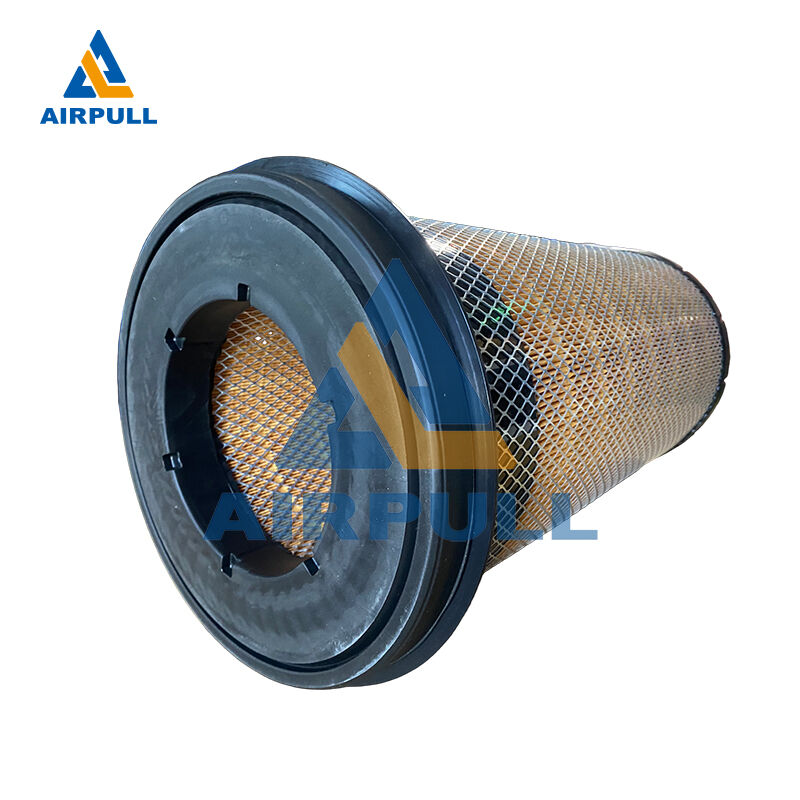
Compressor reliability is built on routine care, and the most overlooked task is often the oil filtration routine. If your goal is stable pressure, lower wear, and fewer unplanned shutdowns, lubricating oil filter for compressor maintenance needs to be handled as a defined operating process rather than a casual periodic check. A disciplined approach protects bearings, rotors, and seals from abrasive particles and varnish buildup that silently reduce efficiency over time.
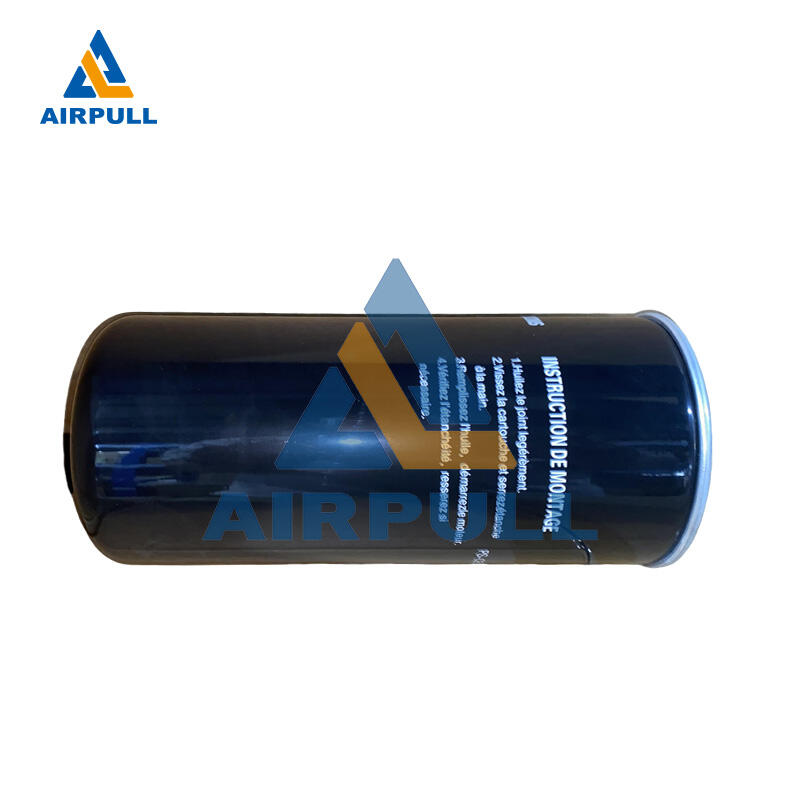
This guide explains how to run lubricating oil filter for compressor maintenance step by step, from interval planning and inspection logic to replacement execution and post-service verification. The focus is practical: what to check, when to act, what warning signs matter, and how to avoid common service errors that shorten filter life. When lubricating oil filter for compressor maintenance is standardized, compressor performance becomes more predictable and maintenance costs become easier to control.
Set the Maintenance Standard Before You Touch the Filter
Define service intervals by operating reality
Effective lubricating oil filter for compressor maintenance starts with interval logic that reflects actual duty conditions, not only generic calendar timing. A compressor running in high dust, high temperature, or long continuous cycles will load the filter faster than a lightly used unit in a clean room. Treat operating hours, ambient contamination, and thermal stress as the core drivers of interval frequency.
A practical schedule for lubricating oil filter for compressor maintenance should combine hourly thresholds with condition-based triggers. If differential pressure rises quickly, oil darkens unusually fast, or startup noise increases, maintenance may be needed before the planned interval. This approach prevents both over-servicing and harmful delay.
Align documentation with maintenance execution
Many teams perform service work but lose value because records are incomplete. For lubricating oil filter for compressor maintenance, each event should capture running hours, filter condition, removed debris observations, oil condition notes, and replacement part details. These records convert maintenance from reactive work into a trend-based reliability system.
When lubricating oil filter for compressor maintenance records are consistent, abnormal patterns become visible earlier. Repeated metal particles in the filter or recurring pressure drop spikes can indicate upstream mechanical wear. Early detection allows corrective action before a major compressor fault develops.
Inspect the System Correctly Before Replacement
Check pressure behavior and oil flow indicators
Before opening the system, lubricating oil filter for compressor maintenance should begin with operating-state observation. Track pressure stability during load transitions and monitor how quickly oil pressure builds after startup. Slow pressure response may signal filter restriction, bypass valve issues, or viscosity problems that require attention beyond a simple filter change.
During lubricating oil filter for compressor maintenance, compare current readings against baseline values recorded after previous service. A single number is less useful than trend direction. Rising restriction over multiple cycles is a stronger warning than one isolated high reading, especially in variable-duty production environments.
Use visual and sensory checks to catch early warning signs
Good lubricating oil filter for compressor maintenance includes controlled visual inspection after safe shutdown and pressure release. Look for housing seepage, thread damage, seal hardening, and discoloration around hot zones. External evidence often reveals internal stress before severe failure appears in performance data.
Oil odor and texture also provide useful context during lubricating oil filter for compressor maintenance. Burnt smell, sticky residue, or unusual darkening can suggest oxidation and thermal overload. In these cases, replacing only the filter is incomplete; oil condition and cooling effectiveness should be reviewed together.
Execute Filter Replacement with Process Discipline
Prepare shutdown, isolation, and clean handling conditions
The replacement stage of lubricating oil filter for compressor maintenance should never start without full isolation and residual pressure verification. Hot oil systems can retain pressure even after shutdown, so lockout practice and controlled depressurization are essential for safe and clean work. Service speed matters less than contamination control.
Clean handling is central to lubricating oil filter for compressor maintenance because new contamination can enter during service. Keep replacement parts sealed until installation, clean mating surfaces thoroughly, and avoid fiber-shedding wipes near open ports. A technically correct replacement can still fail early if dirt enters during the process.
Install correctly and verify sealing integrity
Installation quality determines the outcome of lubricating oil filter for compressor maintenance. Confirm gasket condition, lubricate the seal with appropriate oil film when required, and tighten to specified torque guidance rather than guesswork. Under-tightening risks leakage, while over-tightening can deform the seal and damage future serviceability.
Component selection is also part of lubricating oil filter for compressor maintenance quality control. Use a verified specification match such as lubricating oil filter for compressor maintenance requirements based on pressure class, filtration performance, and compatibility with operating oil. Correct fit and media performance reduce bypass events and extend stable operation between service windows.
Validate Performance After Service and Prevent Repeat Issues
Run startup checks and short-cycle monitoring
After replacement, lubricating oil filter for compressor maintenance is not complete until startup validation confirms normal behavior. Watch oil pressure rise time, verify absence of leaks around the housing, and monitor sound profile during the first loading sequence. Early anomalies often appear within the first operating hour.
Short-cycle review is a practical extension of lubricating oil filter for compressor maintenance. Recheck key indicators after several load and unload cycles to confirm that the system remains stable under dynamic conditions. This reduces the risk of hidden installation errors progressing into larger mechanical problems.
Build a prevention loop from findings
The strongest lubricating oil filter for compressor maintenance programs treat each service event as feedback for process improvement. If filters consistently load too fast, investigate root causes such as intake contamination, oil degradation rate, or overheating zones. Correcting the cause is more valuable than simply shortening replacement intervals.
Cross-functional review improves lubricating oil filter for compressor maintenance outcomes in industrial settings. Maintenance, operations, and reliability teams should align on run patterns, shutdown constraints, and inspection observations. This coordination helps balance production continuity with asset protection.
FAQ
How often should lubricating oil filter for compressor maintenance be performed?
Frequency depends on operating hours, environmental contamination, thermal load, and oil condition trends. A fixed interval is a starting point, but the best lubricating oil filter for compressor maintenance schedule combines planned hours with condition triggers such as differential pressure rise, abnormal oil appearance, or repeated startup pressure delay.
Can I change only the filter and skip oil checks?
That approach is risky because filter condition and oil condition are linked. Strong lubricating oil filter for compressor maintenance includes both filter replacement and oil assessment, especially when signs of oxidation, varnish, or overheating are present. Ignoring oil quality can shorten the life of the new filter and the compressor internals.
What is the most common mistake in lubricating oil filter for compressor maintenance?
A frequent error is treating replacement as a quick mechanical task without contamination control and post-start validation. Effective lubricating oil filter for compressor maintenance requires clean handling, proper sealing method, correct specification match, and startup monitoring. Skipping any of these steps can lead to leaks, bypass issues, or early restriction.
How do I know lubricating oil filter for compressor maintenance is improving reliability?
Look for trend improvements rather than one-time results: fewer pressure instability events, more consistent oil pressure response at startup, reduced leak incidents, and longer stable operating periods between interventions. When lubricating oil filter for compressor maintenance is managed with records and follow-up checks, reliability gains become measurable over successive service cycles.
Table of Contents
- Set the Maintenance Standard Before You Touch the Filter
- Inspect the System Correctly Before Replacement
- Execute Filter Replacement with Process Discipline
- Validate Performance After Service and Prevent Repeat Issues
-
FAQ
- How often should lubricating oil filter for compressor maintenance be performed?
- Can I change only the filter and skip oil checks?
- What is the most common mistake in lubricating oil filter for compressor maintenance?
- How do I know lubricating oil filter for compressor maintenance is improving reliability?