EN
EN


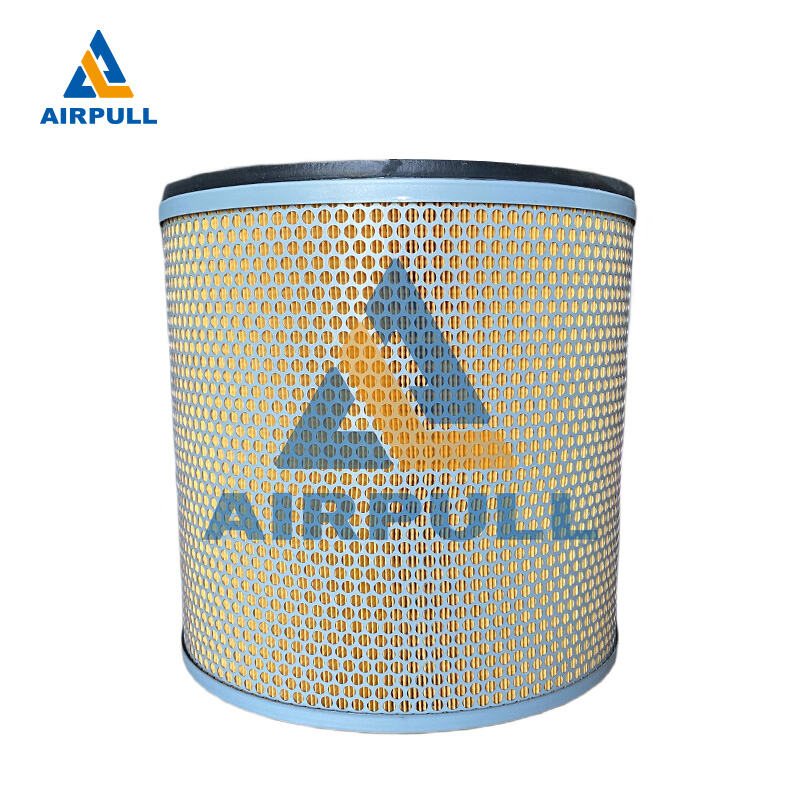
Choosing the right replacement air filter is not a minor maintenance detail in compressed air systems. In most plants, the filter decision directly affects pressure stability, energy consumption, contamination risk, and service intervals for downstream components. When buyers select a replacement air compressor filter based only on shape or price, they often inherit hidden costs through unplanned shutdowns and frequent change-outs. A better approach is to treat replacement selection as a technical matching process tied to operating conditions, filtration targets, and lifecycle economics.
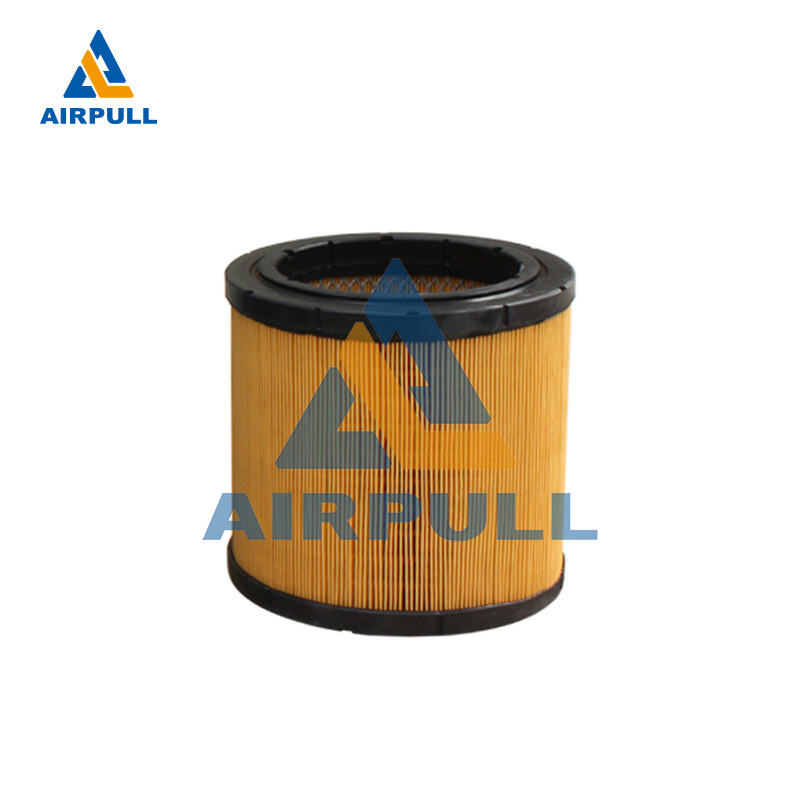
This guide explains how to pick a replacement air compressor filter in a practical sequence that maintenance managers, procurement teams, and reliability engineers can use immediately. Instead of broad theory, it focuses on the exact decisions that determine fit, performance, and total cost over time. By following a clear workflow, your team can choose a replacement air compressor filter that protects equipment, supports production quality, and avoids recurring procurement mistakes.
Start With the Operating Profile Before Checking Part Numbers
Map the compressor duty and environmental load
The first step is to document how the compressor actually runs across a full production cycle. Record average load, peak load duration, ambient dust concentration, humidity swings, and intake air temperature. A replacement air compressor filter that performs well in clean, climate-controlled areas may fail early in facilities with heavy particulate exposure. Matching the filter to real duty conditions is what separates stable filtration from constant troubleshooting.
In industrial settings, environmental variation can be more important than nominal compressor capacity. If intake air quality changes by shift, season, or process activity, the replacement air compressor filter must be selected with enough contamination handling margin. This reduces pressure drop growth between service intervals and prevents premature element collapse. Good selection starts with the air your system breathes, not with catalog assumptions.
Confirm system role and downstream sensitivity
Not every compressed air line has the same cleanliness requirement. Air used for general pneumatic tools tolerates broader contamination levels than air feeding precision valves, coatings, packaging, or dry process instruments. The right replacement air compressor filter depends on what sits downstream and how sensitive that equipment is to dust and oil carryover. Selection should reflect the final application, not only the compressor model.
When downstream processes are quality-critical, a conservative replacement air compressor filter specification often pays for itself. Higher-quality media and tighter construction can lower contamination events that trigger rework or equipment calibration drift. This does not mean choosing the most restrictive filter in every case. It means balancing filtration efficiency with acceptable pressure drop for your production objective.
Match Technical Specifications in a Structured Sequence
Verify dimensions, sealing geometry, and structural compatibility
A replacement air compressor filter must first match physical dimensions and sealing interfaces exactly. Even small deviations in inner diameter, outer diameter, end cap profile, or gasket compression can create bypass paths that invalidate the filtration rating. During qualification, confirm all mating dimensions against the installed housing rather than relying on memory from prior orders. Mechanical fit is the baseline for every performance claim.
Structural integrity matters just as much as dimensional fit. Under pulsation, vibration, and thermal cycling, a weak replacement air compressor filter may deform and lose seal contact over time. Review cage support, media bonding, and end cap adhesion as part of incoming inspection criteria. A properly built replacement air compressor filter should hold shape and sealing stability through the full service window.
Align airflow capacity, efficiency grade, and pressure drop behavior
After confirming fit, evaluate whether the replacement air compressor filter can support required airflow without excessive initial restriction. An undersized element can force higher compressor effort and increase energy draw from the first day of operation. A correctly selected replacement air compressor filter balances particle capture with manageable differential pressure across expected load ranges. This balance is critical for both reliability and operating cost.
Ask for performance data that describes efficiency and pressure drop progression as dust loading increases. A replacement air compressor filter should not only test well when new but also maintain stable behavior through service life. For many industrial users, predictable pressure-rise curves are more useful than a single nominal efficiency value. That predictability enables better maintenance planning and fewer surprise shutdowns.
Evaluate Service Life Economics Instead of Unit Price Alone
Calculate lifecycle cost per operating hour
Procurement teams often compare filter options by unit price, but the better metric is total cost per operating hour. A low-cost replacement air compressor filter can become expensive when shorter life, higher pressure drop, and added labor are included. Include energy impact, replacement frequency, disposal effort, and downtime risk in your cost model. This method usually reveals which replacement air compressor filter delivers real value.
Lifecycle costing also helps standardize decisions across sites and teams. When every buyer uses the same framework, filter selection becomes evidence-based rather than preference-based. Plants with strict uptime targets should assign financial weight to disruption risk caused by unstable filtration performance. That makes replacement air compressor filter decisions consistent with broader operational KPIs.
Set replacement intervals using condition trends
Fixed calendar replacement is simple, but it can lead to premature swaps or delayed changes. A better practice is to monitor differential pressure, contamination trend indicators, and performance deviations to define optimal replacement timing. This approach helps each replacement air compressor filter stay in service long enough to maximize value while avoiding unsafe extension. Condition-based intervals also improve maintenance resource planning.
When trend data is collected consistently, teams can identify how each replacement air compressor filter responds to seasonal conditions and process fluctuations. Over time, this supports smarter stocking levels and fewer emergency purchases. For multi-line operations, condition-led scheduling reduces simultaneous maintenance peaks and improves labor utilization. The result is cleaner air management with lower operational friction.
Build a Reliable Procurement and Validation Workflow
Use controlled sourcing criteria and documentation
Once technical requirements are defined, lock them into a controlled specification sheet for purchasing. Every order should reference dimensions, media type, efficiency target, pressure limits, and acceptance checks for the replacement air compressor filter. This prevents drift in quality when different buyers place orders under time pressure. Clear documentation transforms repeat buys into a stable reliability process.
For teams preparing a qualified source, review a production-ready replacement air compressor filter listing against your internal criteria before onboarding. The key is not to rush onboarding based on appearance alone. Require dimensional evidence and performance consistency across batches. A disciplined sourcing method reduces variance that can damage compressor reliability.
Validate in operation and close the feedback loop
Initial installation should be treated as a controlled validation period, not as final proof. Track pressure behavior, contamination indicators, and service life from the first cycle to confirm the selected replacement air compressor filter performs as expected in your environment. Record findings in a shared maintenance log so engineering and purchasing can adjust specifications together. This cross-functional loop improves each subsequent buy.
If actual results diverge from expected performance, diagnose root causes before changing specification. Housing condition, installation practice, and abnormal intake events can all influence replacement air compressor filter outcomes. Structured review prevents unnecessary redesign of your filter standard and keeps corrective actions focused. Over multiple cycles, this method builds a dependable filter program rather than one-off fixes.
FAQ
How often should a replacement air compressor filter be changed in industrial use?
There is no universal interval that fits every site. A replacement air compressor filter should be changed based on differential pressure trend, contamination loading, and production criticality rather than calendar alone. In stable, clean environments, service windows can be longer, while dusty operations may require tighter intervals. Condition-based triggers usually deliver the best balance between protection and cost.
Can I use a replacement air compressor filter with similar dimensions but a different media type?
Using similar dimensions is not enough when media behavior differs. A replacement air compressor filter with different media may change efficiency, pressure drop profile, and service life under your duty cycle. That can affect energy use and downstream cleanliness even when fit appears correct. Always validate media compatibility against your airflow, contamination load, and application sensitivity.
What is the most common mistake when selecting a replacement air compressor filter?
The most common mistake is selecting only by part number cross-reference or price without confirming operating context. A replacement air compressor filter must be matched to real intake conditions, airflow demand, and downstream risk tolerance. Teams that skip this step often face short life, unstable pressure behavior, and repeat emergency purchases. A structured selection workflow prevents those recurring failures.
Does a higher efficiency replacement air compressor filter always improve system performance?
Not always, because higher efficiency can come with higher restriction depending on design. The best replacement air compressor filter is the one that meets cleanliness requirements while maintaining acceptable pressure drop across service life. Overspecifying efficiency without airflow consideration can increase compressor energy demand. Performance improves when efficiency, capacity, and lifecycle economics are balanced together.
Table of Contents
- Start With the Operating Profile Before Checking Part Numbers
- Match Technical Specifications in a Structured Sequence
- Evaluate Service Life Economics Instead of Unit Price Alone
- Build a Reliable Procurement and Validation Workflow
-
FAQ
- How often should a replacement air compressor filter be changed in industrial use?
- Can I use a replacement air compressor filter with similar dimensions but a different media type?
- What is the most common mistake when selecting a replacement air compressor filter?
- Does a higher efficiency replacement air compressor filter always improve system performance?