EN
EN



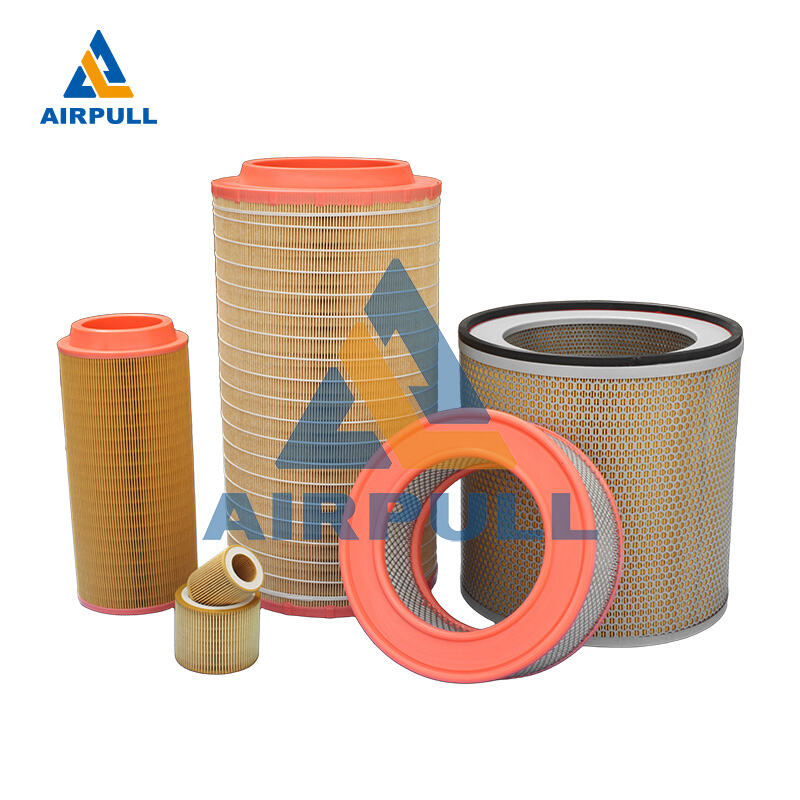
Fitting a standard size air compressor filter is a practical maintenance task that directly affects airflow stability, compressor efficiency, and downstream equipment protection. In industrial environments, the process is not just about swapping one part for another; it is about matching fitment, preserving seal integrity, and restarting the system without introducing contamination. When a standard size air compressor filter is installed correctly, intake resistance stays predictable and the compressor can run within its designed pressure and temperature range.
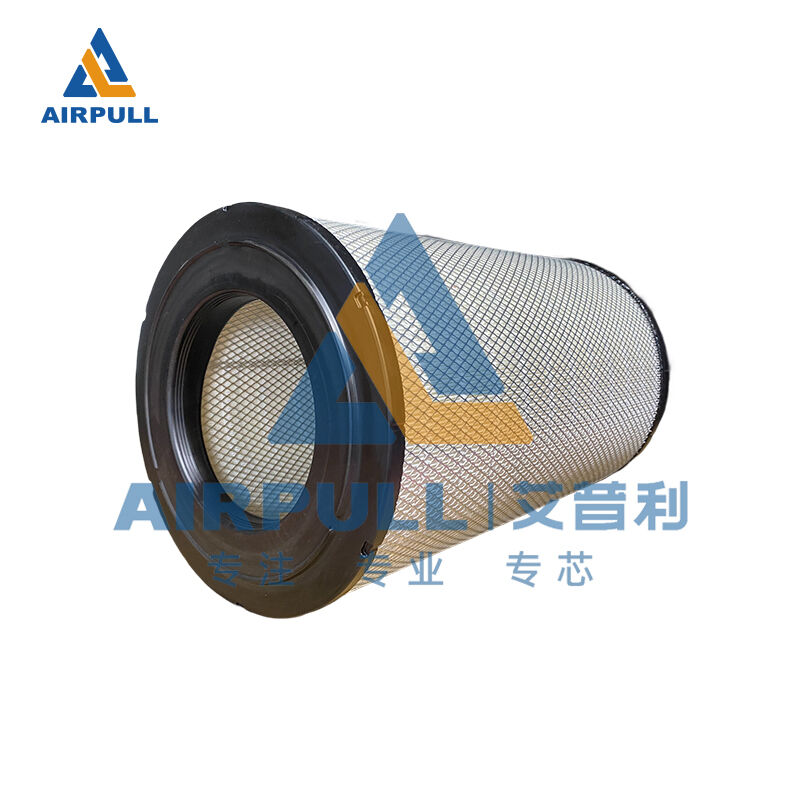
This guide explains how to fit a standard size air compressor filter through a clear workflow used in B2B maintenance settings. It covers preparation, removal, installation, and post-fit checks so technicians can reduce unplanned stops and avoid recurring fitment errors. The goal is simple: install each standard size air compressor filter in a way that protects equipment life, supports consistent output, and keeps service records reliable for future maintenance cycles.
Preparation and Safety Framework
Confirm compatibility before opening the housing
Before touching the unit, verify that the replacement is the correct standard size air compressor filter for the compressor model and housing geometry. A filter that looks close in diameter can still fail if gasket profile, end-cap depth, or media height differs from the required specification. In industrial operations, one incorrect standard size air compressor filter can cause bypass leakage that is hard to detect during a quick visual check.
Use the maintenance record, part cross-reference, and housing label together rather than relying on memory. Confirm outside diameter, inside diameter where applicable, element length, and seal material compatibility with local temperature and humidity conditions. This precheck prevents forced installation, which is one of the most common reasons a standard size air compressor filter fails earlier than expected.
At this stage, many teams also inspect intake duct condition to ensure the new standard size air compressor filter is not being installed into a compromised path. Cracked ducts, loose clamps, or damaged pre-cleaners can overload the element quickly. The best fitting method starts with a clean mechanical context, not only a new part.
Prepare tools, shutdown sequence, and clean handling conditions
A controlled shutdown matters as much as the filter itself. Isolate power, depressurize as required by site procedure, and wait until rotating and thermal hazards are eliminated. Fitting a standard size air compressor filter while the area is still turbulent with dust or hot airflow increases contamination risk during handling.
Prepare lint-free wipes, a non-residue cleaner approved for the housing surface, and gloves suitable for clean assembly work. Keep the new standard size air compressor filter in packaging until the housing and seating lip are ready. Exposing the element too early lets airborne particles settle onto media and seal surfaces before installation.
Good preparation also includes documenting baseline data. Record operating hours, prior differential behavior if available, and reason for changeout. Over time, this helps maintenance planners determine whether each standard size air compressor filter is being replaced on condition, on fixed interval, or too late for local operating dust load.
Step-by-Step Installation Workflow
Remove the old element without contaminating the intake path
Open the housing carefully to avoid dropping debris into the clean side. Remove the used standard size air compressor filter slowly, keeping it upright where possible so captured dust is not released back into the compartment. In high-dust environments, this single handling habit can reduce secondary contamination events during servicing.
After removal, inspect the old standard size air compressor filter for clues about system condition. Uneven dust loading may indicate airflow channeling, while oily deposits can suggest upstream mist carryover. These signs help explain why a filter reached end of life and whether installation technique or process conditions need correction before the next cycle.
Clean the housing interior and the gasket seat thoroughly. Even a small particle trapped under the seal can create a bypass line around the standard size air compressor filter. This is why housing cleanliness is treated as part of installation, not as optional housekeeping.
Seat and secure the new element with correct alignment pressure
Unpack the new element only when the compartment is ready, then inspect for shipping damage. Confirm the gasket is continuous and the media is intact before placing the standard size air compressor filter into position. Never compress or twist the element to force fitment, because deformation can compromise sealing and structural stability.
Guide the standard size air compressor filter into the housing along its natural axis and apply even pressure until it seats fully. If resistance feels irregular, remove and recheck the guide path and sealing lip rather than tightening harder. Correct fitment is firm and uniform, not forced.
Close and secure the housing according to torque or latch procedure. Over-tightening can distort the shell, while under-tightening can allow vibration leakage around the standard size air compressor filter. For procurement and maintenance teams reviewing options, a properly specified standard size air compressor filter simplifies this final seating step because dimensions and seal behavior remain predictable.
Validation After Fitting
Run startup checks focused on airflow and seal performance
Restart the compressor under normal startup protocol and observe for abnormal intake noise, vibration, or pressure fluctuation. A correctly installed standard size air compressor filter should not produce whistling or pulsing sounds at the housing. Those signals often indicate partial seal bypass or misalignment.
Where instrumentation is available, compare early differential behavior against expected baseline for a clean element. The value should be consistent with a new standard size air compressor filter under current load and ambient conditions. A reading that is unexpectedly high can point to blocked intake path or incorrect element geometry.
Document startup observations immediately, including date, operating hour count, and technician notes. Repeated tracking of each standard size air compressor filter cycle allows maintenance teams to separate normal wear from installation-related anomalies and improve reliability planning.
Monitor the first operating window and verify stability
The first shift after replacement is a critical validation window. Check that the housing remains sealed and that no dust trails appear around joints. A stable standard size air compressor filter installation should maintain steady compressor behavior without sudden loading changes.
If the site has variable duty cycles, review performance across both low and high demand periods. Some fitting issues only appear at peak airflow when the standard size air compressor filter experiences maximum face velocity. Early detection prevents longer exposure of downstream components to contaminated air.
Close the task only after post-start observations confirm normal operation. In B2B service contexts, formal closeout with traceable records ensures the next technician understands which standard size air compressor filter was installed, how it was fitted, and what baseline performance looked like at handover.
Common Fitting Errors and How to Prevent Them
Avoid seal damage, orientation mistakes, and forced fitment
One recurring mistake is touching or scraping the gasket during insertion. A damaged seal can make a new standard size air compressor filter perform like a worn element because unfiltered air bypasses the media. Keep insertion controlled and avoid contact with sharp housing edges.
Another error is reversing orientation in housings where flow direction matters. Even when dimensions match, a standard size air compressor filter installed backward may reduce structural support under load. Always check arrows, seating shoulders, and service documentation before securing the cover.
Forced fitment should be treated as a stop condition, not a normal adjustment. If a standard size air compressor filter does not seat smoothly, re-verify part code and housing condition. Persistent force typically means mismatch or obstruction, both of which undermine filtration integrity.
Match replacement intervals to real operating conditions
Interval errors are often linked to assumptions rather than data. Replacing every standard size air compressor filter on a fixed calendar without considering dust load can be either wasteful or risky. High-particulate processes may require earlier changeouts, while cleaner environments can support longer stable runs.
Use observed differential trend, runtime profile, and process changes to set practical maintenance windows. The value of a standard size air compressor filter is highest when replacement timing reflects real conditions instead of generic intervals. This approach lowers emergency downtime and improves consumable planning.
Finally, protect stored inventory from moisture and packaging damage. A standard size air compressor filter that absorbs humidity before installation may show reduced service consistency. Proper storage and first-in, first-out handling help preserve element condition until the moment of fitting.
FAQ
How tight should the housing be after fitting a standard size air compressor filter?
It should be secured to the specified latch or torque condition, with even closure around the perimeter and no visible gasket pinch. The standard size air compressor filter must stay fully seated without housing distortion. Uneven tightening can compromise sealing and should be corrected before startup.
Can I clean and reuse a standard size air compressor filter instead of replacing it?
In most industrial maintenance programs, replacement is preferred because media structure and seal integrity are difficult to restore reliably after loading. A reused standard size air compressor filter can carry hidden damage that reduces filtration consistency. Follow your equipment maintenance standard and documented site policy.
What is the fastest way to confirm I have the right standard size air compressor filter?
Cross-check part code, key dimensions, and gasket profile against the housing specification before opening packaging. The right standard size air compressor filter will seat smoothly and align with the cover without force. A quick dimensional check prevents installation delays and repeat work.
Why does pressure behavior matter right after installing a standard size air compressor filter?
Early pressure behavior verifies whether the standard size air compressor filter is sealed and flowing as expected under real demand. Abnormal readings can reveal misfit, intake blockage, or housing leakage before extended operation. Catching this early protects compressor efficiency and downstream equipment health.
Table of Contents
- Preparation and Safety Framework
- Step-by-Step Installation Workflow
- Validation After Fitting
- Common Fitting Errors and How to Prevent Them
-
FAQ
- How tight should the housing be after fitting a standard size air compressor filter?
- Can I clean and reuse a standard size air compressor filter instead of replacing it?
- What is the fastest way to confirm I have the right standard size air compressor filter?
- Why does pressure behavior matter right after installing a standard size air compressor filter?