EN
EN



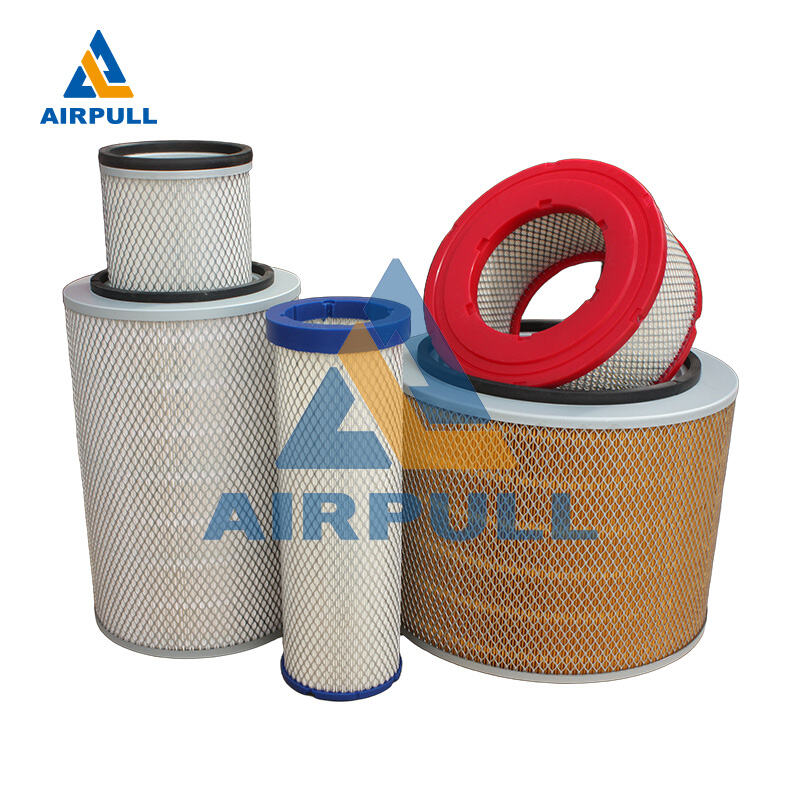
Choosing a filtration component for high-demand compressed air systems is a purchasing decision that affects reliability, maintenance cost, and downstream product quality. In industrial settings, a wrong choice can create pressure instability, moisture carryover, and unplanned shutdowns that interrupt production. When buyers ask how to choose a large capacity air compressor filter, they are really asking how to match filtration performance with operating reality. The right approach starts with process requirements, not just dimensions or price.
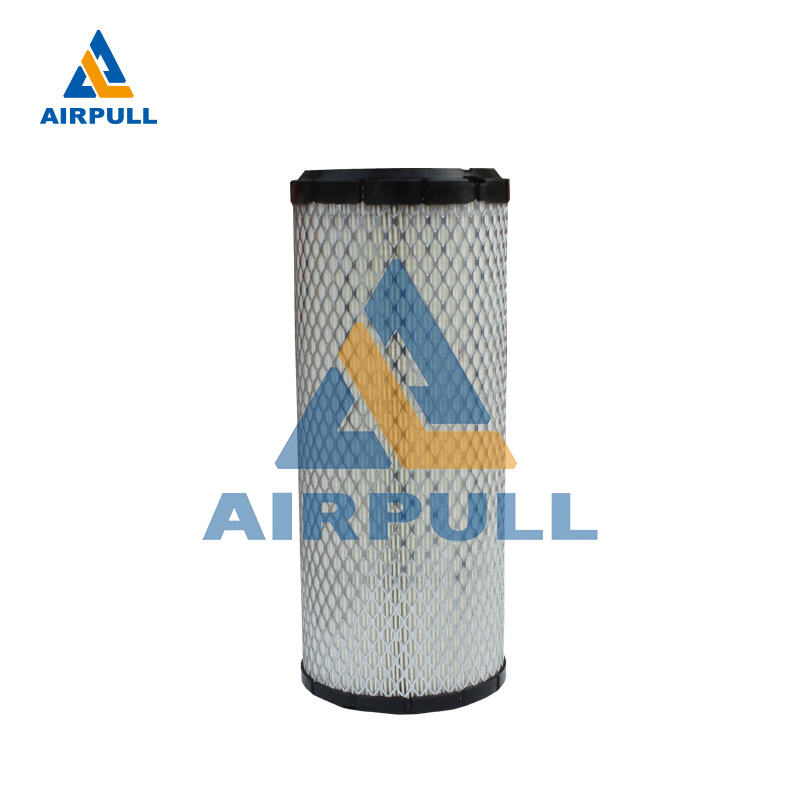
A dependable selection method combines flow analysis, contamination risk assessment, and lifecycle planning. This is especially true for a large capacity air compressor filter, because high-flow systems magnify small specification errors into major operational issues. The sections below explain a practical buying framework that engineers, plant managers, and procurement teams can use to evaluate options with confidence. By the end, you can verify whether a large capacity air compressor filter is truly fit for your process, duty cycle, and maintenance strategy.
Define Process Requirements Before Comparing Filter Models
Map actual airflow demand and operating envelope
The first step in choosing a large capacity air compressor filter is to map real airflow demand across shifts, not just nominal compressor output. Many facilities run at variable loads, where peak demand periods create temporary surges that can overwhelm undersized filtration. A practical specification should include normal flow, peak flow, and surge duration. This protects the large capacity air compressor filter from chronic overload and helps maintain stable differential pressure.
Operating envelope also includes inlet conditions, ambient dust levels, and seasonal temperature variation. A large capacity air compressor filter performing well in mild conditions may behave differently in hot, humid, or heavily contaminated environments. Capturing those conditions early makes supplier data more meaningful and reduces specification gaps. It also prevents costly redesign after installation.
Clarify compressed air quality targets by application
Different production processes tolerate different contamination levels, so filter selection must begin with quality targets at point of use. If compressed air touches packaging, coatings, instrumentation, or precision tools, particulate and oil carryover limits become tighter. A large capacity air compressor filter should be selected to meet the strictest critical-use line, not the average line. That approach avoids quality drift and rework.
It is useful to define acceptable particulate size range, residual oil threshold, and moisture control expectations before requesting quotations. With clear criteria, each large capacity air compressor filter candidate can be evaluated against the same technical baseline. This turns the decision from opinion to measurable fit. Procurement can then align commercial terms without compromising performance.
Evaluate Core Technical Criteria That Determine Real Performance
Balance filtration efficiency with pressure drop behavior
In high-flow systems, efficiency alone is not enough; pressure drop behavior across service life is equally important. A large capacity air compressor filter with excellent initial capture but rapid pressure rise may increase energy consumption and shorten service intervals. Buyers should review both initial differential pressure and end-of-life differential pressure at relevant flow rates. This helps estimate total operating cost, not only purchase cost.
Media structure, pleat design, and airflow distribution influence how stable a large capacity air compressor filter remains under continuous duty. Even small improvements in airflow path can reduce turbulence and improve dust-holding performance. Stable pressure drop supports compressor efficiency and predictable downstream pressure. That stability becomes a strategic advantage in multi-shift operations.
Check contamination handling capacity and media durability
A practical selection process must assess how much particulate load a large capacity air compressor filter can handle before replacement is required. In dusty environments, low holding capacity can trigger frequent changeouts and labor interruption. Look for data on dust loading behavior under representative industrial conditions. The more realistic the test profile, the more reliable the maintenance forecast.
Media durability is just as important, especially where pulse fluctuations, high humidity, or oil aerosol can stress filter layers. A resilient large capacity air compressor filter should maintain structural integrity without collapse, channeling, or premature degradation. Consistent media performance preserves filtration quality throughout the service interval. That consistency lowers risk to sensitive equipment and final product quality.
Verify material compatibility with temperature and chemical exposure
Not every large capacity air compressor filter is suitable for every process atmosphere. Elevated intake temperature, oil mist chemistry, and cleaning agents can all affect seals, end caps, and bonding materials. Compatibility checks should include both steady-state conditions and upset conditions such as temporary overheating. A well-matched material set prevents leaks and bypass that are hard to detect early.
When specification sheets seem similar, material details often reveal long-term reliability differences. Choosing a large capacity air compressor filter with proven compatibility reduces emergency replacements and unplanned downtime. For B2B users, this translates into better maintenance planning and fewer production disruptions. It is a technical choice with direct commercial impact.
Match the Filter to System Design and Installation Reality
Confirm housing fit, sealing geometry, and connection standards
A high-performing element can still fail in service if mechanical fit is not exact. Every large capacity air compressor filter should be checked against housing dimensions, gasket profile, and seating depth to prevent bypass and vibration issues. Small tolerance mismatches may not be obvious during installation but can degrade filtration quickly. Mechanical compatibility is a non-negotiable screening step.
Connection type and installation orientation also affect long-term behavior. Some large capacity air compressor filter designs depend on correct alignment to maintain uniform loading and effective drainage. Site teams should validate installation constraints in advance, including access clearance and safe removal path. This reduces maintenance time and lowers risk of installation errors.
Plan for maintenance accessibility and service interval consistency
Selection should account for how technicians will actually inspect and replace the unit during routine operations. A large capacity air compressor filter that is difficult to access can extend maintenance windows and increase safety exposure. Good design is not only about lab performance but also about field serviceability. Faster, safer replacement supports higher equipment availability.
Service interval consistency matters for planning labor and spare inventory. If one large capacity air compressor filter option shows highly variable life under similar load, it creates uncertainty for production scheduling. Preference should go to solutions with predictable pressure rise trends and stable replacement cycles. Predictability is often more valuable than marginal gains in initial metrics.
Use a Lifecycle Cost Lens for Final Selection and Procurement
Compare total cost of ownership instead of unit price
The lowest purchase price does not always deliver the lowest operating cost. A large capacity air compressor filter with longer life and lower pressure drop can reduce energy use, labor frequency, and disposal volume over time. Buyers should evaluate annualized cost using expected runtime, local energy rates, and planned change intervals. This method aligns technical performance with financial accountability.
A lifecycle model should also include downtime risk and process quality impact. If an unstable large capacity air compressor filter contributes to pressure fluctuation or contamination events, hidden costs can exceed any upfront savings. Framing procurement decisions around total system value leads to better cross-functional alignment. Engineering and purchasing teams can then justify decisions with shared metrics.
Build qualification criteria for consistent future purchasing
Once the right specification is validated, document it as a repeatable qualification standard. Define acceptance criteria for each large capacity air compressor filter lot, including dimensional checks, pressure performance indicators, and material conformity records. Standardized qualification reduces variability across purchase cycles. It also strengthens quality control in multi-site operations.
A documented standard supports better supplier communication and faster issue resolution. When performance drift appears, teams can trace whether the large capacity air compressor filter changed in media, construction, or process conditions. This shortens root-cause analysis and protects production continuity. Over time, disciplined qualification becomes a strategic reliability practice rather than a one-time buying task.
FAQ
How often should a large capacity air compressor filter be replaced in industrial use?
Replacement frequency depends on particulate load, operating hours, and acceptable pressure drop limits. Many facilities replace a large capacity air compressor filter based on differential pressure trend rather than fixed calendar dates. This condition-based approach avoids early replacement while preventing overloaded operation. In dusty environments, inspection intervals should be tighter to keep service planning accurate.
Can one large capacity air compressor filter specification fit every production line?
A single specification may work for similar duty conditions, but mixed processes usually need tailored criteria. A large capacity air compressor filter sized for general pneumatic tools may not meet the cleanliness needs of sensitive applications. The best practice is to define the strictest air quality requirement and verify flow compatibility line by line. That prevents underperformance in critical zones.
What is the biggest mistake when selecting a large capacity air compressor filter?
The most common mistake is choosing by dimensions or price without evaluating lifecycle performance. A large capacity air compressor filter must be assessed for pressure behavior, holding capacity, material compatibility, and maintenance practicality. Ignoring these factors often leads to unstable air quality and higher long-term cost. A structured technical review prevents that outcome.
Does a higher-rated large capacity air compressor filter always improve system results?
Not always, because higher efficiency can increase pressure drop if the design is not matched to system flow and contamination profile. The right large capacity air compressor filter is the one that balances cleanliness targets with energy efficiency and service life. Selection should be based on actual operating data, not rating values in isolation. Balanced specification delivers better reliability and cost control.
Table of Contents
- Define Process Requirements Before Comparing Filter Models
- Evaluate Core Technical Criteria That Determine Real Performance
- Match the Filter to System Design and Installation Reality
- Use a Lifecycle Cost Lens for Final Selection and Procurement
-
FAQ
- How often should a large capacity air compressor filter be replaced in industrial use?
- Can one large capacity air compressor filter specification fit every production line?
- What is the biggest mistake when selecting a large capacity air compressor filter?
- Does a higher-rated large capacity air compressor filter always improve system results?