EN
EN



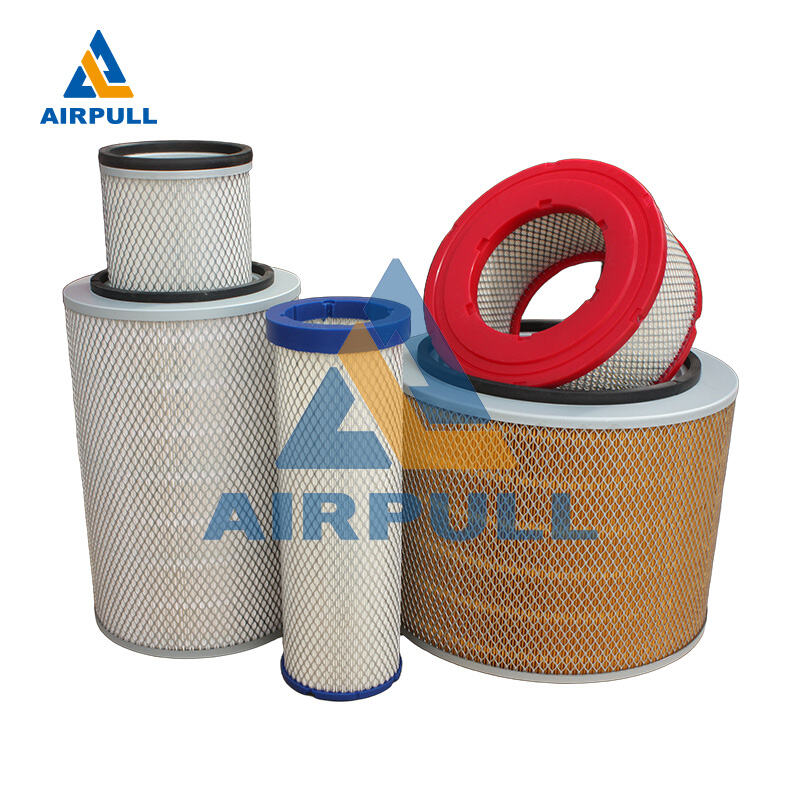
Finding the right filter for a compressed air system is less about buying a part that looks similar and more about controlling risk, airflow stability, and service life. In industrial operations, a wrong match can increase pressure drop, raise energy cost, and expose downstream equipment to contamination. That is why selecting a brand compatible air compressor filter should be treated as a technical sourcing process, not a quick replacement decision. The goal is to confirm functional compatibility, material quality, and performance consistency before installation.
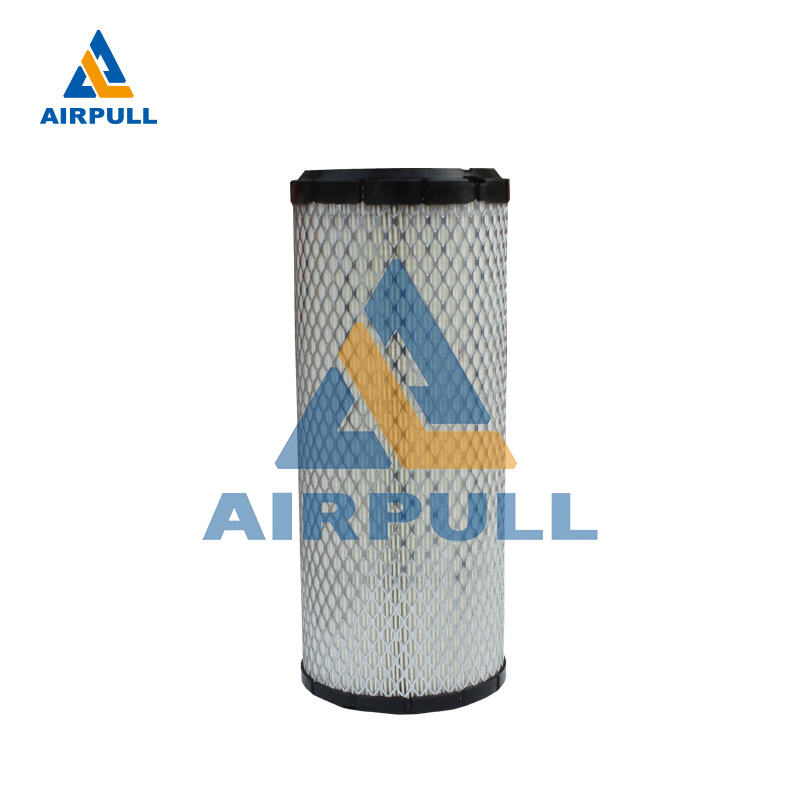
A practical method starts with identification, then verification, then controlled trial use. When buyers skip those stages, they often discover fitment issues or unstable filtration only after production is affected. A reliable brand compatible air compressor filter must fit the housing precisely, maintain designed flow characteristics, and hold structural integrity across the full maintenance interval. This guide explains how to find the correct brand compatible air compressor filter step by step so your procurement decision is technically sound and operationally safe.
Define Compatibility Requirements Before You Source
Map the exact operating profile of the compressor line
Before requesting quotes, document operating pressure range, flow demand, duty cycle, ambient dust load, and temperature variation. These conditions determine what level of filtration media and structural strength your brand compatible air compressor filter must provide. A filter used in intermittent, clean indoor conditions may fail early in continuous, high-particulate production environments. Compatibility is therefore not only dimensional but also environmental and workload based.
It also helps to record any history of pressure drop increase, frequent clogging, or early collapse from previous replacements. Those field symptoms often indicate that the prior brand compatible air compressor filter matched the housing but not the real process burden. By connecting operating data to filter requirements, procurement teams avoid purchasing parts that meet catalog descriptions but miss plant reality. This first step narrows the search to technically valid options.
Capture OEM cross-reference details without guessing
A dependable search starts with the original part number, model designation, and revision details from equipment documentation or removed elements. Many buyers rely on visual similarity, but small differences in seal geometry or media pack depth can make a brand compatible air compressor filter unreliable under load. Cross-reference data should be treated as preliminary evidence, not final proof. Always verify every code against current technical sheets.
When records are incomplete, collect dimensions from the used element with calibrated tools and compare them to supplier drawings. Include inner diameter, outer diameter, end-cap type, gasket profile, and total element height. A brand compatible air compressor filter can appear correct while still creating bypass paths if sealing interfaces are slightly off. Accurate identification at this stage prevents most installation and performance errors later.
Verify Technical Fit Beyond Part Number Equivalence
Confirm critical dimensions and sealing interfaces
Dimensional checks should focus on tolerance, not only nominal size. A high-quality brand compatible air compressor filter should provide repeatable seating force and stable contact at the gasket interface throughout vibration and thermal cycling. Ask for manufacturing tolerance ranges and quality inspection methods from the supplier. If tolerance control is vague, long-term fit reliability is uncertain.
Sealing material is equally important because incompatible elastomers can harden, swell, or crack in specific lubricant and temperature conditions. Even when media quality is good, seal failure turns the brand compatible air compressor filter into a contamination risk. Verify gasket and seal material specifications directly and compare them with your operating environment. This is often the difference between short service life and predictable maintenance cycles.
Evaluate filtration media design and structural durability
Media type, fiber structure, and pleat geometry determine how a brand compatible air compressor filter handles dust retention while maintaining airflow. A technically compatible filter should balance filtration efficiency with controlled pressure drop growth over time. Request data on initial restriction and expected loading behavior under standardized conditions. Consistent performance curves are stronger evidence than broad marketing language.
Structural components such as end caps, center tube strength, and adhesive systems must also be assessed. Under pulsation and continuous duty, weak structures can deform and reduce effective filtration area. A durable brand compatible air compressor filter keeps pleat spacing stable and resists collapse across the full replacement interval. Mechanical integrity and media performance should always be reviewed together, since one without the other does not protect system reliability.
Assess Supplier Evidence and Validation Discipline
Use documentation quality as a reliability signal
A professional supplier should provide clear specifications, traceable quality records, and transparent compatibility statements for each brand compatible air compressor filter. When documents are incomplete or inconsistent, technical risk shifts to the buyer. Look for stable data formatting, revision control, and inspection references that can be audited by engineering or maintenance teams. Strong documentation usually reflects mature manufacturing control.
It is also useful to verify how the supplier handles change management. If media source, adhesive type, or seal compound changes, your brand compatible air compressor filter performance can shift even when the part number stays the same. Ask how design changes are validated and communicated. Procurement confidence increases when technical consistency is managed, not assumed.
Validate with a controlled pilot instead of full-line rollout
Even after technical review, the safest adoption path is a controlled pilot in one compressor line or one production zone. Monitor pressure differential trend, discharge cleanliness indicators, and service interval behavior for the trial brand compatible air compressor filter. A pilot period reveals real-world interactions that specification sheets cannot fully capture. It also limits business exposure if unexpected issues appear.
During the pilot, keep installation method and maintenance timing consistent to avoid distorted results. Compare observations to historical baseline from your previous brand compatible air compressor filter usage. If data confirms stable operation, scaling to additional units becomes a low-risk decision. This method creates objective internal proof for both engineering and purchasing stakeholders.
Build a Repeatable Selection Workflow for Procurement Teams
Create a qualification checklist tied to plant risk
A repeatable process reduces dependency on individual experience and helps new buyers make sound decisions. Your checklist should cover identification, dimensional verification, seal material confirmation, media specification review, and pilot validation for every brand compatible air compressor filter candidate. Each checkpoint should include pass or fail criteria aligned with production criticality. This turns filter sourcing into a controlled quality activity.
For high-impact compressor lines, include escalation steps that require engineering approval before purchase release. The same brand compatible air compressor filter may be acceptable for general utility air but insufficient for sensitive downstream applications. A risk-based checklist prevents overgeneralized decisions and keeps procurement aligned with process requirements. Standardization improves both reliability and purchasing efficiency.
Integrate approved parts into maintenance and reorder systems
Once a candidate is validated, register the approved brand compatible air compressor filter in your CMMS or internal spare parts database with revision-controlled metadata. Include installation notes, torque or seating guidance, and expected service interval observations. This prevents accidental substitution by look-alike parts during urgent maintenance events. Data discipline is what protects gains made during qualification.
For sourcing continuity, connect procurement records to the exact approved product reference, such as brand compatible air compressor filter, so buyers and technicians refer to one verified standard. A unified reference reduces ordering errors and shortens review time during replenishment. Over time, this creates a stable lifecycle approach where every brand compatible air compressor filter purchase is traceable and repeatable.
Common Mistakes That Delay Correct Filter Selection
Prioritizing price before compatibility proof
One frequent mistake is treating the brand compatible air compressor filter as a commodity and choosing only by unit price. Lower upfront cost can be erased quickly by higher pressure drop, unplanned shutdowns, or shorter replacement intervals. In many plants, energy and downtime costs exceed the purchase price difference by a wide margin. Technical fit should be confirmed first, then commercial terms optimized.
Another issue appears when teams assume all cross-referenced parts are functionally identical. A brand compatible air compressor filter may share a code match but differ in media loading behavior or seal resilience. Without verification, those differences emerge in operation, not during purchase review. Price-first decisions often move hidden risk into maintenance and production budgets.
Ignoring installation and monitoring discipline
Even a correctly selected brand compatible air compressor filter can underperform when installation practices are inconsistent. Improper seating, damaged gasket surfaces, or contaminated housing interiors can cause bypass and false conclusions about filter quality. Technicians should follow a defined installation protocol and document each changeout condition. Process control is essential for fair performance assessment.
Post-install monitoring is equally important because early trend data confirms whether the brand compatible air compressor filter is behaving as expected. Track differential pressure progression and inspect removed elements for loading pattern and structural stability. These feedback loops improve future selection accuracy and prevent repeated errors. Finding the right brand compatible air compressor filter is not a single event but a managed operational practice.
FAQ
How many times should a new filter model be tested before full adoption?
Most operations should run at least one controlled maintenance cycle under normal production load before expanding usage. For critical lines, two cycles provide better confidence in trend stability. The key is consistent monitoring, not just elapsed time. A brand compatible air compressor filter is ready for broader use when pressure behavior, cleanliness outcomes, and physical condition remain within expected limits.
Can dimensional matching alone confirm a correct replacement?
No, dimensional alignment is necessary but not sufficient. A valid brand compatible air compressor filter also needs suitable media performance, seal material compatibility, and structural durability for your exact duty cycle. Parts that fit physically can still fail functionally. Full compatibility always combines geometry, materials, and operating behavior.
What data should procurement request from suppliers during evaluation?
Procurement should request technical drawings, material specifications, filtration performance indicators, tolerance ranges, and quality inspection evidence. Change-control practices and revision history are also important for long-term consistency. This documentation helps confirm that each brand compatible air compressor filter meets the same validated standard over repeated orders. Strong data transparency reduces sourcing risk and speeds internal approval.
How often should approved filter references be reviewed?
A practical cycle is to review approved records during annual maintenance planning or after major process changes. Any shift in operating pressure, contaminant load, or compressor duty can alter suitability. Regular review ensures each brand compatible air compressor filter remains aligned with current plant conditions. This keeps your filter strategy proactive rather than reactive.