EN
EN



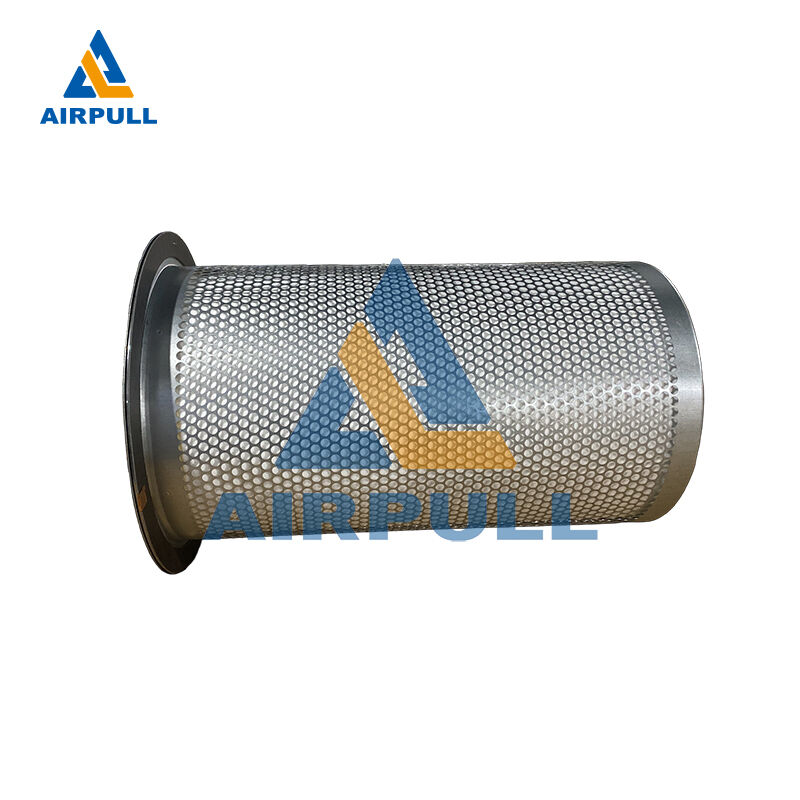
Changing an oil separator element is not just a routine task; it is a reliability control step that protects air quality, compressor efficiency, and downstream equipment. In practical plant conditions, the right method for replacing an oil separator air compressor filter reduces pressure loss, stabilizes oil carryover, and prevents unplanned shutdowns caused by contamination or incorrect installation. This guide explains the full workflow in operational order so maintenance teams can perform the change safely and consistently.
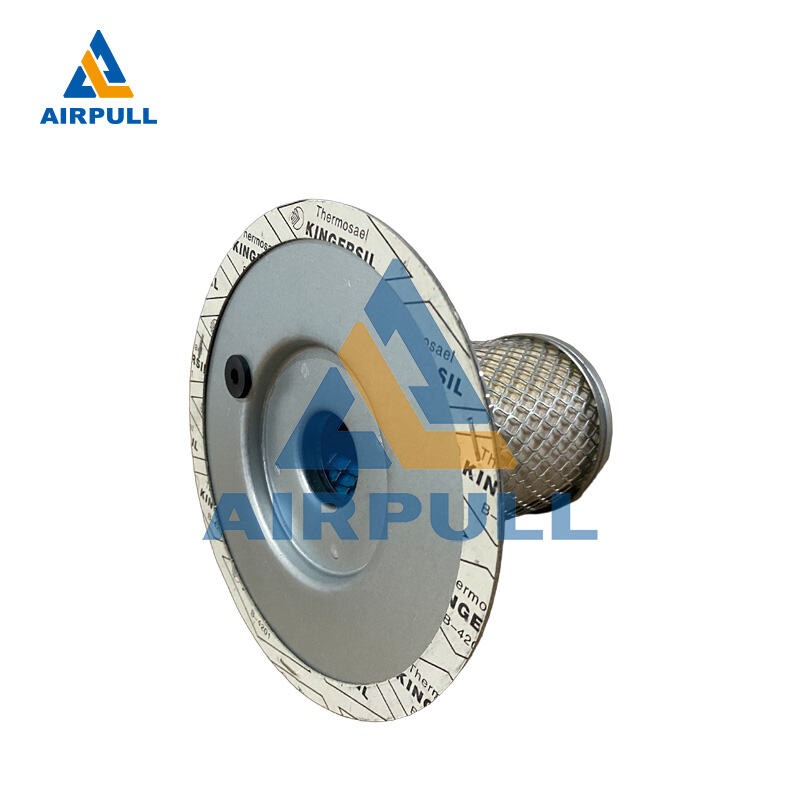
The key point is that an oil separator air compressor filter must be treated as part of a system, not an isolated spare part. Service timing, shutdown procedure, housing cleanliness, gasket seating, and restart checks all affect final performance. When each step is controlled, the new oil separator air compressor filter delivers lower differential pressure, cleaner compressed air, and longer service life for both the separator and lubricant circuit.
Prepare for a Controlled Filter Change
Confirm service trigger points
Start by validating why the change is needed before opening the machine. Typical signals include rising differential pressure across the oil separator air compressor filter, increased oil consumption, visible oil mist in the discharge line, or a service-hour threshold recommended in your maintenance standard. A replacement based on measured condition is usually more effective than changing only by calendar time.
Review operating logs for load profile, ambient temperature, and recent upset events. A compressor running at high load in dusty or hot conditions will stress the oil separator air compressor filter faster than one in stable, clean indoor duty. If pressure drop has been climbing rapidly, include a contamination root-cause check so the new element does not fail early for the same reason.
Before service, verify the replacement element matches the required dimensions, media class, and sealing arrangement for your separator vessel. Using the wrong oil separator air compressor filter can create immediate bypass leakage or abnormal pressure loss. Confirm gasket condition and confirm all required tools are clean and available at the work point.
Plan shutdown isolation and cleanliness
A successful change begins with safe isolation. Follow your lockout and tagout protocol, stop the compressor, and confirm internal pressure is fully relieved before opening any separator cover. Never attempt to remove the oil separator air compressor filter under pressure, because even residual pressure can release oil and debris forcefully.
Prepare a clean work area around the vessel opening. Dirt introduced during service often becomes the hidden cause of short separator life and unstable pressure drop. Wipe external surfaces, use lint-controlled cloths, and stage the new oil separator air compressor filter in sealed packaging until the moment of installation.
Check related consumables at the same time, including cover seals, O-rings, and any recommended anti-static or grounding contact points. A new oil separator air compressor filter installed with worn seals can still leak or bypass. Pre-job discipline here prevents rework after restart.
Remove the Used Element Without Contamination
Depressurize and open separator housing
After confirmed isolation, open the separator vessel according to the machine procedure, keeping parts arranged in removal order. Avoid dropping fasteners or introducing fragments into the vessel. Mechanical damage during opening is a common reason a new oil separator air compressor filter does not seat properly.
As the cover lifts, inspect for heavy varnish, sludge, or unusual oil odor that could indicate lubricant degradation. If these signs are present, replacing only the oil separator air compressor filter may not fully solve carryover problems. Document observations so lubrication and cooling checks can be completed during the same maintenance cycle.
Use controlled handling techniques when touching internal surfaces. Keep gloves clean and avoid wiping debris into the center outlet path. The goal is to remove the old oil separator air compressor filter while keeping the separator chamber cleaner than it was found.
Extract and inspect the old filter
Remove the used element slowly and keep it upright to reduce oil spill and particulate release. As soon as it is out, inspect pleat condition, end caps, and sealing edges. Damage patterns on the old oil separator air compressor filter often reveal whether failure came from overload, oil chemistry issues, vibration, or installation error.
Check for collapsed media, torn seams, or carbon buildup. A collapsed oil separator air compressor filter can indicate excessive differential pressure or poor oil condition, while wet heavy deposits may suggest temperature control problems. Recording these details helps set better service intervals for future shutdowns.
Before installing the replacement, clean the housing seating surface and remove residue from gasket contact points. Do not leave fibers or abrasive particles behind. Even a high-quality oil separator air compressor filter cannot perform as intended if the sealing plane is contaminated.
Install the New Element and Restore Operation
Seat the new filter correctly
Unpack the new element only when the chamber is ready. Confirm part orientation and gently place the oil separator air compressor filter onto its seat without forcing alignment. Forcing can deform seals and create bypass paths that are difficult to detect immediately.
During placement, verify that all contact points are even and that no gasket section is twisted. The most reliable performance from an oil separator air compressor filter comes from uniform compression around the full circumference. Uneven seating typically appears later as rising oil carryover or unstable pressure behavior.
For sourcing consistency, many teams standardize on approved parts and traceability records such as this oil separator air compressor filter reference. Stable specifications across service cycles simplify troubleshooting and improve maintenance repeatability.
Reassemble torque and restart checks
Reinstall the cover and tighten hardware in a controlled sequence to the specified torque pattern. Uneven tightening can distort cover geometry and compromise the oil separator air compressor filter seal. Always use calibrated tools where torque values are defined in your maintenance document.
After reassembly, restore the compressor to service gradually and monitor for leaks during warm-up. Watch for abnormal vibration or noise near the separator vessel. A properly installed oil separator air compressor filter should allow smooth pressure build without sudden differential pressure spikes.
Record installation date, running hours, initial differential pressure, lubricant condition, and operator notes. This data converts each oil separator air compressor filter change into a measurable reliability event, not a disconnected maintenance task.
Verify Performance After Replacement
Track differential pressure and oil carryover
Post-change verification determines whether the job truly solved the problem. Compare new readings with baseline values for discharge quality and pressure drop across the oil separator air compressor filter. Early tracking over the first operating shifts is important because installation or sealing issues usually appear quickly.
Observe downstream filters, dryers, and process points for signs of oil mist. If carryover remains high after installing the new oil separator air compressor filter, investigate related causes such as overfilling lubricant, incorrect oil grade, return line restrictions, or internal vessel faults. Treat separator performance as a system output.
When readings remain stable, document the trend and lock in the current maintenance method. Consistency in handling, cleanliness, and startup checks is what keeps each oil separator air compressor filter delivering predictable service life.
Build a repeatable maintenance interval
Use operating data to refine change intervals by real duty rather than fixed assumptions. A compressor under variable load may need a different schedule than one under constant load, even when both use the same oil separator air compressor filter. Condition-based timing reduces waste and prevents premature failures.
Train technicians on the exact sequence and inspection points used during successful changes. Repeatable technique improves outcomes more than any single adjustment. Over time, disciplined handling of the oil separator air compressor filter lowers total maintenance cost by reducing emergency interventions and secondary contamination events.
Finally, connect separator maintenance to broader reliability planning, including inlet filtration, oil analysis, cooling performance, and operator practices. The oil separator air compressor filter performs best when upstream and downstream controls are aligned to protect air-end health and compressed air quality.
FAQ
How often should an oil separator air compressor filter be changed?
Change frequency depends on running hours, load profile, ambient conditions, and lubricant quality. Instead of relying only on calendar intervals, combine manufacturer guidance with differential pressure trend data and oil carryover observations. This approach keeps each oil separator air compressor filter change tied to real operating condition.
Can I change the filter without a full compressor shutdown?
In standard industrial practice, the separator vessel should be fully isolated and depressurized before service. Attempting to remove an oil separator air compressor filter under pressure creates serious safety risk and raises contamination probability. Controlled shutdown is the correct method for safe, consistent replacement.
Why does oil carryover continue after replacement?
Persistent carryover can result from issues outside the element itself, including poor gasket seating, incorrect oil level, degraded lubricant, blocked return line, or vessel internal defects. A new oil separator air compressor filter solves only one part of the system, so follow-up diagnostics are often required.
What is the most common mistake during installation?
The most frequent issue is contamination or uneven sealing at the contact surface. Even a correct oil separator air compressor filter can underperform when installed in a dirty chamber or with misaligned gaskets. Cleanliness, orientation checks, and correct torque sequence are the highest-impact controls.