EN
EN



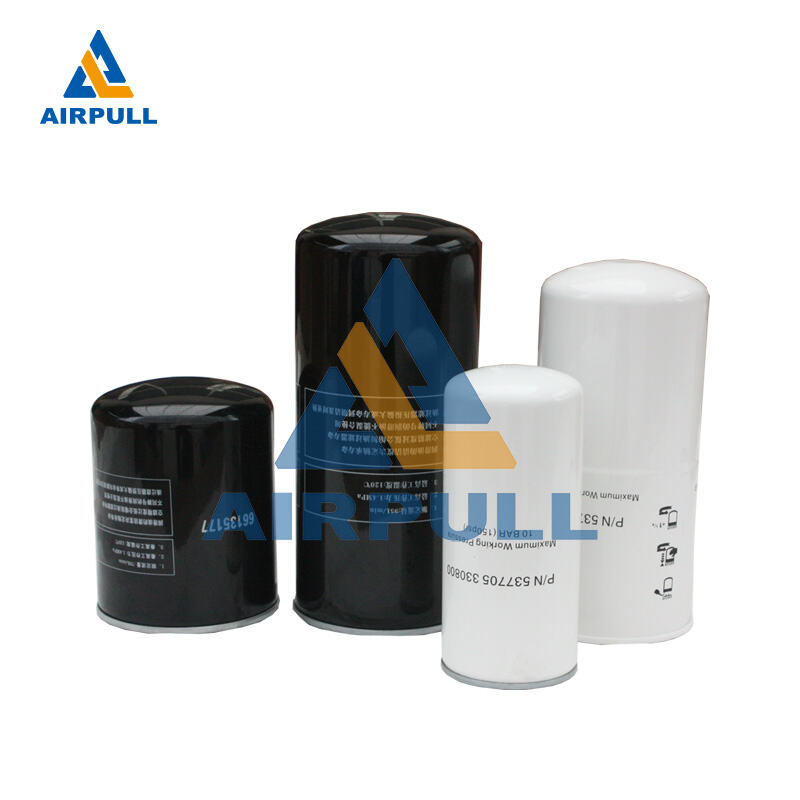
Changing the oil filter air compressor filter is a practical maintenance task, but it has to be done in the right order. The core idea is simple: shut the system down cleanly, remove the worn filter, install the new part without introducing dirt, and verify that the compressor returns to stable operation.
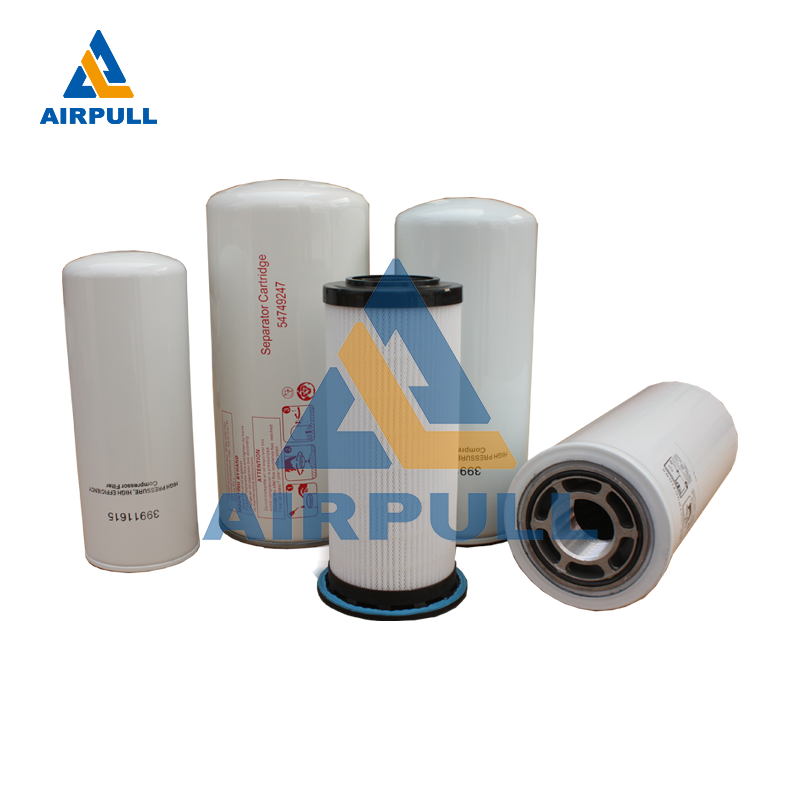
In industrial service, the oil filter air compressor filter affects more than cleanliness. It influences lubricant flow, pressure stability, heat control, and long-term wear, which is why a careful change matters for uptime as much as for maintenance compliance. Done well, the job is quick and controlled; done poorly, it can introduce leaks, contamination, and avoidable downtime.
Safe Preparation Before The Change
Confirm the service window and the exact replacement parts
Before opening the machine, confirm that the oil filter air compressor filter is actually due for service based on run hours, pressure behavior, and the condition of the last service record. A scheduled change is easier to manage than a reactive one because you can prepare parts, tools, and a clean workspace in advance.
Check the housing type, seal style, and fitment details before you begin. The oil filter air compressor filter should match the compressor configuration, because a poor match can lead to bypass leakage, thread damage, or a seal that never seats correctly.
Isolate the compressor and control contamination
Shut the compressor down, isolate the power source, and wait for the unit to cool and depressurize fully. This is the point where discipline matters, because the oil filter air compressor filter job becomes risky if pressure remains in the circuit or if hot surfaces are still present.
Clean the surrounding area before you open anything. Dust, loose lint, and metal grit can enter the oil filter air compressor filter path very easily, so a clean bench, clean gloves, and a sealed replacement package reduce the chance of contamination during the change.
Prepare the tools that keep the job controlled
Gather the correct wrench, a drain pan, absorbent material, and the manufacturer service reference before you start. The oil filter air compressor filter change is faster when the tools are ready, and you avoid the common mistake of pausing mid-job while exposed components sit open.
Keep the new filter in its packaging until the last possible moment. The oil filter air compressor filter should enter the machine in a clean state, and the easiest way to protect that condition is to limit how long the open element sits in the work area.
Removing The Old Filters Cleanly
Drain or isolate the oil circuit before loosening the housing
Once the system is safe to touch, drain the oil as required by the compressor design and service procedure. A controlled drain protects the work area and helps the oil filter air compressor filter come off without spilling residue into nearby passages or onto electrical surfaces.
Open access panels only as far as needed, and keep removed fasteners in a clean tray. The oil filter air compressor filter assembly often holds dirt around the mounting point, so slow removal is better than forcing the part free and shaking debris into the housing.
Remove the old element without damaging the sealing surface
Loosen the filter carefully and note the orientation before you remove it. A worn oil filter air compressor filter may release a small amount of oil, so keep the drain pan positioned correctly and inspect the gasket area as soon as the element is off.
If the old filter resists removal, avoid puncturing or crushing it in a way that could scar the mounting face. The oil filter air compressor filter seat must remain smooth and intact, because even a minor nick can create a leak that appears only after the compressor returns to pressure.
Inspect the old filter for clues about system condition
Look at the removed element before discarding it. Excess sludge, dark oil, or abnormal debris can tell you that the oil filter air compressor filter was dealing with contamination, overheating, or a longer-than-recommended service interval.
That inspection matters because the filter is not only a wear item, it is also a diagnostic signal. When the oil filter air compressor filter shows heavy loading, the compressor may need a broader review of operating temperature, intake cleanliness, or oil quality.
Installing The New Filters Correctly
Prepare the replacement part and sealing surfaces
Before installation, wipe the mounting face until it is clean and dry, then check for old gasket material or thread debris. The oil filter air compressor filter should never be forced against a dirty seat, because the smallest particle can create a leak path that shows up during the first pressure cycle.
A replacement part such as oil filter air compressor filter should match the compressor's thread, seal, and media specification before it is installed. Lightly lubricate the gasket if the service procedure calls for it, then position the filter squarely so the first contact is even.
Seat and tighten the filter without overdoing it
Hand-tighten the filter first, then apply the specified final tightening method. The oil filter air compressor filter should seal firmly, but over-tightening can deform the gasket or make the next service much harder than it needs to be.
Once it is seated, verify that no part of the filter is cross-threaded, tilted, or pinched. The oil filter air compressor filter must sit true to the housing so the oil path remains stable when the compressor starts and pressure begins to rise again.
Confirm fitment on both the oil side and the air side
Because the maintenance task touches both the lubrication side and the intake side of the machine, check the surrounding components before closing the enclosure. The oil filter air compressor filter service is only complete when the adjacent lines, covers, and connections are also secure.
At this stage, tidy the work area and verify that no tools or rags remain inside the enclosure. The oil filter air compressor filter can perform properly only when the system is reassembled cleanly and nothing interferes with airflow, oil circulation, or panel closure.
Restarting And Setting A Maintenance Rhythm
Watch the restart carefully and confirm stable readings
After the machine is reassembled, restore power and start it under normal operating conditions while you watch closely for leaks, pressure irregularities, and unusual sound. The oil filter air compressor filter should settle into operation without visible seepage or unstable gauge behavior during the first minutes of runtime.
Check oil level after the first run if the service procedure requires it, and inspect the filter area again once the compressor has warmed up. If the oil filter air compressor filter shows any sign of seepage, the machine should be stopped and the seal checked before the issue grows into a larger fault.
Use operating conditions to set the next service interval
Service timing should reflect the actual load, not just the calendar. A compressor running in heat, dust, or long duty cycles will place more stress on the oil filter air compressor filter than a lightly used unit in a controlled environment.
Keep a maintenance log that records the date, run hours, and condition of the old part. Over time, the oil filter air compressor filter history gives your team a clearer picture of when wear accelerates and when the interval should be adjusted to protect uptime.
Reduce repeat issues with cleaner operating habits
A good change procedure matters, but so does the environment around it. Dust control, oil quality checks, and regular inspection all help the oil filter air compressor filter last as long as the machine's operating profile allows without letting contamination build up.
When the routine is consistent, the service becomes predictable instead of urgent. The oil filter air compressor filter is then part of a planned maintenance rhythm that supports stable compression, fewer shutdowns, and more reliable production planning.
FAQ
How often should the oil filter air compressor filter be changed?
The right interval depends on run hours, ambient dust, heat, and how heavily the compressor is loaded. The oil filter air compressor filter should be changed based on the service schedule and the machine's actual condition, not only when a problem appears.
Can the compressor be restarted immediately after the change?
Yes, but only after the housing is closed, the oil level is checked, and the area is inspected for leaks. The oil filter air compressor filter change is not complete until the first restart shows stable pressure, normal sound, and no seepage.
What signs show that the oil filter air compressor filter was installed incorrectly?
Common signs include oil seepage, pressure instability, unusual vibration, or a filter that sits unevenly in the housing. If the oil filter air compressor filter was cross-threaded, over-tightened, or fitted with a damaged seal, the problem usually appears quickly after startup.
Should the oil and air filters be changed at the same time?
In many maintenance routines, yes, because both parts influence cleanliness and operating efficiency. Changing the oil filter air compressor filter together helps reduce contamination transfer and makes the service window more efficient for the maintenance team.