EN
EN



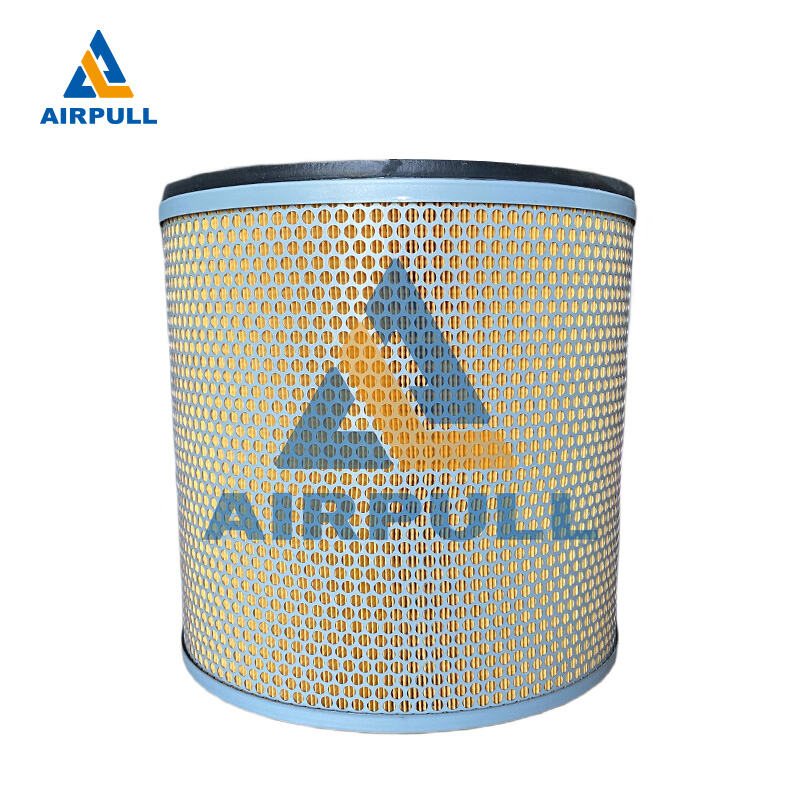
Ordering a custom air compressor filter is easiest when you treat it as a specification exercise, not a guess. The right order begins with the compressor's operating profile, the space the part must fit, and the performance you expect from the custom air compressor filter. When those details are clear, the custom air compressor filter request moves faster and needs fewer revisions.
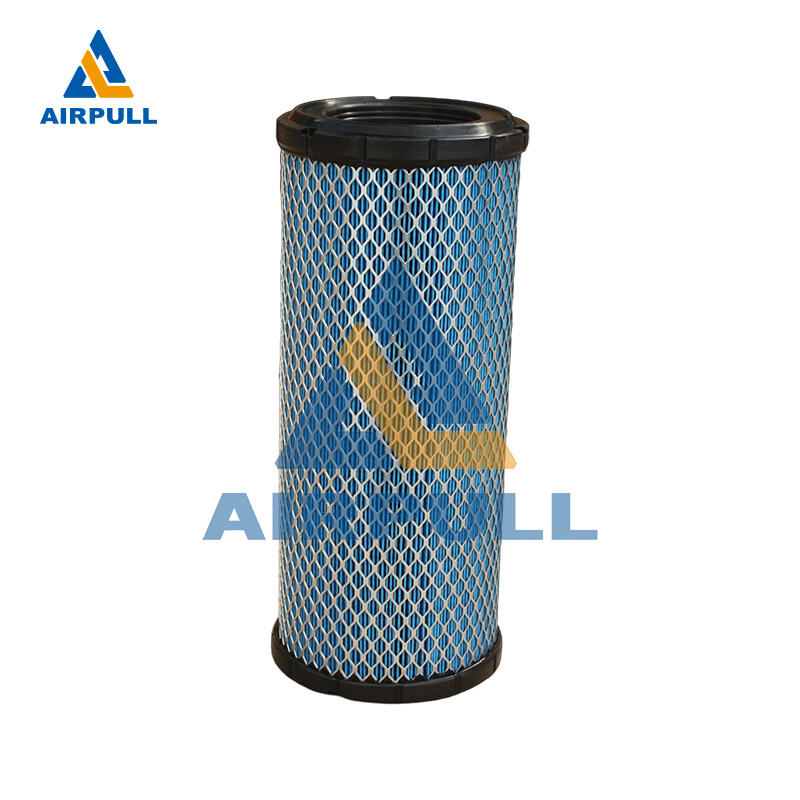
That matters because a custom air compressor filter is not only a replacement part; it is a fit, seal, and service-life decision. A careful order helps you avoid unnecessary downtime, reduce back-and-forth, and specify a custom air compressor filter that matches the machine rather than forcing the machine to adapt to the part.
Start With the Operating Profile
Describe the Duty Cycle Clearly
The first step in ordering a custom air compressor filter is to describe how the compressor actually runs. Note whether it loads continuously, cycles often, or works in short bursts under changing demand. A custom air compressor filter for a high-duty system needs different media and sealing logic than a custom air compressor filter for an intermittent unit.
Ambient dust, oil mist, humidity, and inlet temperature all shape the order. If the compressor sits near machining, cutting, or packaging activity, the custom air compressor filter must handle heavier particulate loading and a shorter service window. That context helps the supplier size the custom air compressor filter correctly the first time.
Set the Service-Life Target Early
A useful order is not just about dimensions; it also defines how long the custom air compressor filter should perform before changeout. If you know whether the plant wants monthly, quarterly, or longer intervals, that target guides media selection and pleat depth. The custom air compressor filter can then be built around maintenance reality instead of a vague preference.
In industrial settings, a longer interval is only useful when pressure drop stays acceptable and sealing remains stable. Tell the team what matters more, longer life or lower restriction, because the custom air compressor filter design should reflect that tradeoff. A clear maintenance target keeps the custom air compressor filter aligned with production uptime.
Turn the Existing Part Into a Custom Air Compressor Filter Spec
Measure the Housing and Interface Points
Once the application is clear, move to the physical fit. Measure the housing diameter, height, thread, gasket land, and any end-cap features that affect installation. A custom air compressor filter order becomes much easier when those measurements are written down before the quote request goes out, and a custom air compressor filter that is a few millimeters off can create leaks or delays.
If you already have a reference part, photograph it from several angles and note any markings that identify the interface. A product reference like the custom air compressor filter page can help you confirm how the element is described, but your own measurements should still drive the order. That is the safest way to make a custom air compressor filter match the actual machine.
Record Media, Seal, and Temperature Limits
Not every custom air compressor filter needs the same media grade. Tell the order team whether the air stream contains fine dust, oil aerosol, moisture, or higher temperature discharge air, because each condition changes the media choice. A custom air compressor filter that survives one environment may fail early in another if the sealing and media are not matched to the load.
Seal material matters as much as media. If the compressor sees temperature swings or frequent maintenance cycles, the custom air compressor filter should use a seal that keeps compression stable without making removal difficult. Those details protect the custom air compressor filter from leakage, collapse, and short service life.
Review the Drawing and Sample Before Production
Confirm the Drawing Details
A drawing review is where many custom orders are saved. Look closely at dimensions, flow direction, gasket placement, and any notes about pleat count or end-cap style. The custom air compressor filter should match the drawing exactly, because a small mismatch can change fit, efficiency, or installation time.
If the drawing includes labeling or part identification, confirm what should appear on the final unit. Plant teams often need traceability, and a custom air compressor filter order should say whether labels, lot codes, or packaging marks are required. That kind of detail avoids confusion when the custom air compressor filter arrives at the storeroom.
Approve the Sample Before Production
A sample is valuable when the existing part is worn, undocumented, or inconsistent between machines. Testing a sample lets you see whether the custom air compressor filter seats correctly, seals under load, and clears nearby components. It also lets maintenance crews compare the custom air compressor filter against the old part before production starts.
For high-value equipment, sample approval reduces risk more than guesswork ever can. Ask for the sample only after the technical details are stable, because the custom air compressor filter should be evaluated against the same requirements that will govern the production order. That keeps the final custom air compressor filter from drifting away from the original need.
Place the Custom Air Compressor Filter Order with Confidence
Set Lead Time, Quantity, and Packaging
When the specification is settled, place the order with the quantity, delivery date, and packaging method stated plainly. A custom air compressor filter can be packed for shelf storage, immediate install, or line-side use, and each choice affects handling after arrival. The better the order note, the less likely the custom air compressor filter is to be delayed by avoidable clarifications.
If the plant needs staged deliveries, say so early. That helps production scheduling and keeps the custom air compressor filter available when maintenance windows open, rather than after the compressor is already waiting. A well-timed custom air compressor filter order supports uptime because it arrives in the sequence the plant can actually use.
Track Approval and Incoming Inspection
After the order is placed, keep one contact thread for approvals, invoice questions, and delivery updates. That makes it easier to confirm that the custom air compressor filter is built to the approved spec and shipped on the agreed schedule. A tidy communication trail also helps if the custom air compressor filter needs a minor revision on the next run.
When the shipment arrives, inspect the fit, seal, labeling, and packaging before putting the part into service. If the custom air compressor filter performs as expected, save the drawing, measurements, and approval notes so the next order is faster. That record turns the custom air compressor filter from a one-off request into a repeatable procurement process.
FAQ
What information should I prepare before I order a custom air compressor filter?
Prepare the compressor model, housing measurements, operating conditions, maintenance target, and any old-part photos. The more complete the starting data, the easier it is to order a custom air compressor filter that fits correctly on the first try. If a drawing exists, include it with the custom air compressor filter request.
How long does a custom air compressor filter order usually take?
Lead time depends on how complete the specification is, whether a sample is needed, and how much revision the custom air compressor filter requires before production. A clear order often moves faster than one built on assumptions. The custom air compressor filter process stays shorter when dimensions and media requirements are settled early.
Can a custom air compressor filter match an existing part?
Yes, when the existing part is measured carefully and the sealing, height, and interface details are confirmed. A custom air compressor filter can be built to mirror an installed element closely, but worn parts should be checked against the housing before approval. That is the safest route for a custom air compressor filter replacement.
What should I do if the first sample needs changes?
Treat the sample as a verification step, not a final failure. Review the fit, pressure drop, seal contact, and installation behavior, then update the specification so the next custom air compressor filter reflects the corrected data. A small revision at this stage usually saves time later.