EN
EN



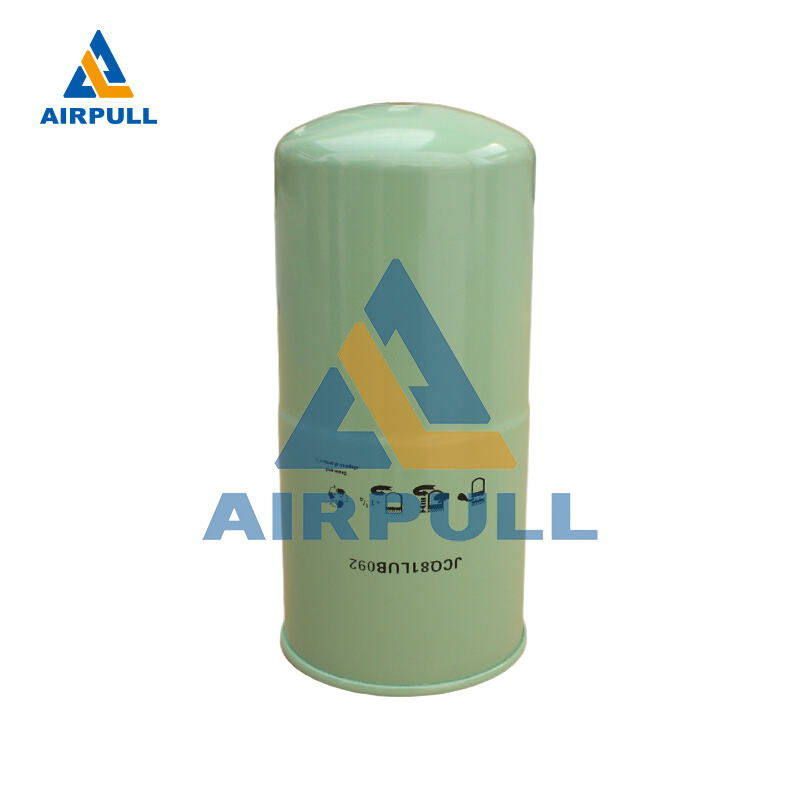
A slow compressor filter supply usually means the system is losing air where it should be moving it freely. In an industrial plant, the first job is to find the restriction, not to keep raising pressure and hoping the line catches up. When the compressor filter supply slows down, the result is often longer cycle times, weaker tool performance, and unstable downstream pressure.
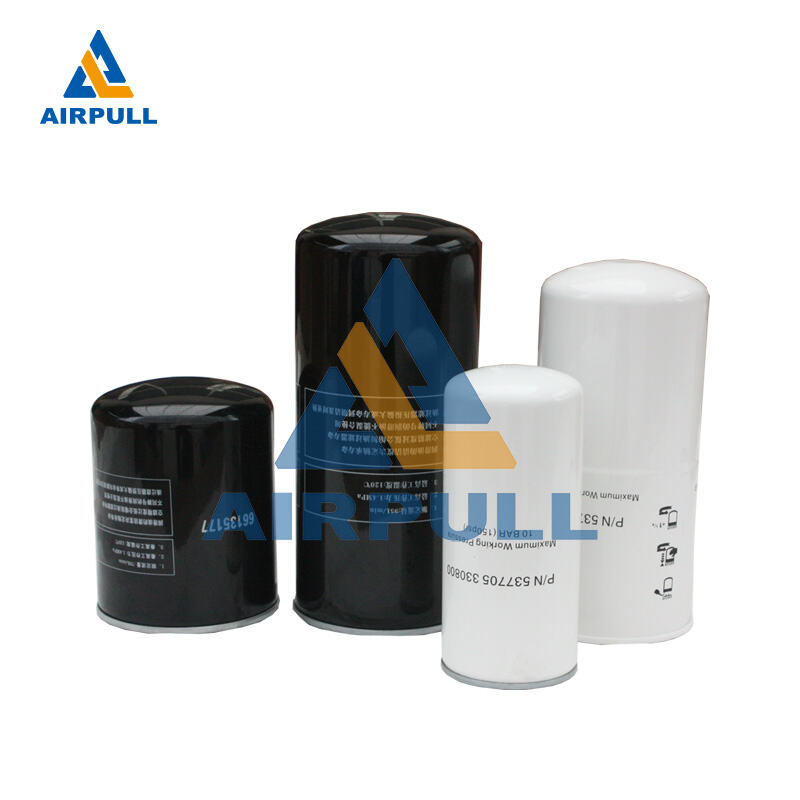
The fix usually starts with measurement. A filter housing, line, or element that once handled the load may now be creating a hidden pressure drop, and the compressor filter supply falls behind even when the compressor itself still sounds normal. This guide shows how to isolate the cause, correct it, and verify that the compressor filter supply is back to the expected rate.
Identify the Bottleneck
Check pressure drop across the filter train
Start by reading inlet and outlet pressure at the filter assembly under normal load, not at idle. A healthy compressor filter supply should show a small and steady drop, not a sharp fall that grows as demand rises. If the differential climbs quickly, the filter path is the first place to inspect.
Move through the system one section at a time so you can see where the pressure is disappearing. This matters because a weak compressor filter supply can come from the filter itself, a receiver line, a dryer, or a valve that is only partly open. Isolating the section with the largest loss gives you a real fix instead of a guess.
Inspect supply-side restrictions and contamination
Moisture, oil mist, and dust all shorten element life and load the media faster than many teams expect. When that loading happens, the compressor filter supply slows even if the compressor output setting has not changed. A saturated drain, a collapsed element, or a dirty housing can all create the same symptom.
Check the line ahead of the filter for kinks, residue, and damaged seals that may be narrowing the passage. Also look for signs that the filter has been installed in a way that bypasses part of the media, because that can hide the real reason the compressor filter supply feels weak. The goal is to find the physical restriction, not just the visible dirt.
Correct the Cause at the Source
Replace clogged elements and verify fit
Replace a plugged element with the correct size, media, and end-cap design for the housing, then confirm that the gasket seats cleanly. A properly specified compressor filter supply replacement keeps the housing sealed and restores the intended flow path. If the element is even slightly off in length or seal geometry, the compressor filter supply can remain slow after service.
Do not assume that every weak unit is dirty; some are simply the wrong match for the system. A loose seal, a warped housing ring, or a bypass valve stuck open can make the compressor filter supply behave as if the filter is clogged when the real issue is fit. Confirm the installation carefully before moving on.
Restore upstream flow conditions
Once the filter is corrected, inspect the air path that feeds it. A partially closed valve, a restricted aftercooler, excess condensate, or an undersized line can all keep the compressor filter supply from recovering fully. These upstream limits often appear only when the system is under real production load.
Review the demand side as well, because a compressor filter supply problem may show up when the plant asks for more air than the branch can carry. If receivers are not holding pressure or dryers are adding too much drop, the filter section is blamed for a larger system issue. Restoring the full path gives the compressor filter supply the chance to perform at design flow.
Tune the System After Service
Confirm differential pressure and flow recovery
After the repair, measure pressure again and compare the reading with the pre-service baseline. A corrected compressor filter supply should recover smoothly, hold steady under load, and avoid the fast pressure collapse that triggered the concern. Watch the system through a full cycle, not just during the first few minutes after startup.
Listen for changes in compressor load and unload behavior, because unstable cycling can reveal a hidden restriction that pressure alone does not show. If the compressor filter supply only looks normal at light demand, test it during the busiest part of the shift. That is the moment when a weak path becomes obvious.
Set inspection intervals around operating reality
The right inspection interval depends on dust, humidity, oil carryover, temperature, and run hours. A plant with clean intake air may keep a stable compressor filter supply longer than a facility with abrasive dust or high moisture, so the schedule should follow conditions rather than habit. A calendar-only approach usually waits too long.
Keep short notes on pressure drop, element condition, and drain performance so you can see patterns before a failure becomes visible. Over time, those notes show whether the compressor filter supply is weakening because of environment, process changes, or maintenance gaps. That record makes the next service faster and more precise.
Prevent Recurrence in Industrial Service
Match filtration to duty cycle
The filter setup has to match how the system is actually used, not how it was designed on paper years ago. If demand has increased, temperature has changed, or air quality has gotten harsher, the compressor filter supply may now be undersized for the job. Rechecking flow, pressure drop, and media loading keeps the system aligned with current production needs.
In many industrial plants, the difference between steady service and repeated restriction is the match between the element and the duty cycle. A filter that works in a light duty area may not protect a process line that runs hotter, dirtier, or longer. When the match is wrong, the compressor filter supply slows and the rest of the system pays for it.
Build a maintenance routine that protects output
Create a routine that includes drain checks, housing cleaning, seal inspection, and spare element readiness. Small issues in these areas can quietly narrow the compressor filter supply until production teams notice the drop at the point of use. A short visual check during shutdown often prevents a much longer interruption later.
Train technicians to treat the filter path as part of the air delivery system, not as a disposable afterthought. That mindset helps them catch leaks, distortion, and contamination before the compressor filter supply becomes a recurring complaint. The result is steadier air, fewer surprises, and cleaner service records.
FAQ
Why is compressor filter supply slow after a filter change?
The most common cause is a seal, fit, or bypass issue rather than the new element itself. If the compressor filter supply is still slow after replacement, inspect the gasket seat, housing debris, and any valve that may be altering flow. A small installation error can create the same symptom as a plugged element.
How do I know whether the filter element or line is causing the slowdown?
Compare pressure before and after each section while the system is loaded. The place with the largest drop is usually the section limiting compressor filter supply, which narrows the repair to a specific housing, line, or accessory. That method is faster than replacing parts at random.
How often should compressor filter supply components be inspected?
Inspection timing should follow dust, humidity, oil carryover, and operating hours. In harsher service, the compressor filter supply needs more frequent checks because the filter path loads faster and the signs of restriction appear earlier. A plant with cleaner air can often extend intervals, but only after confirming stable pressure drop.
Can I restore compressor filter supply without replacing the whole housing?
Yes, as long as the housing is sound and not cracked or warped. In many cases, the compressor filter supply returns to normal after replacing the element, seals, drains, and damaged lines, then verifying the pressure drop again. Housing replacement is usually the last step, not the first.