EN
EN


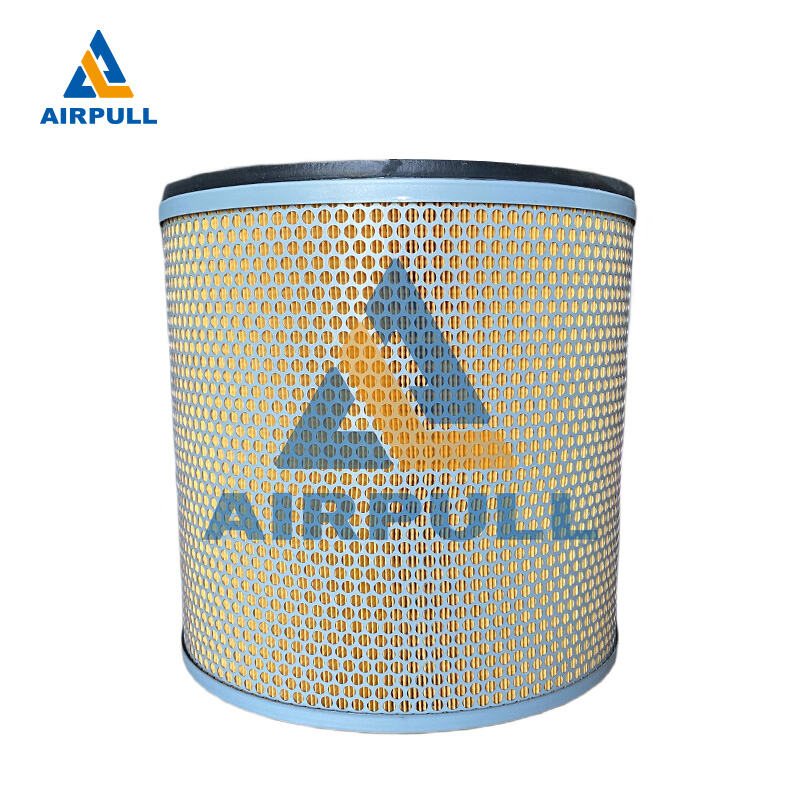
Choosing a filter cartridge maker is a risk decision, not just a purchasing decision. In most industrial systems, one weak cartridge can increase pressure drop, raise energy use, contaminate downstream equipment, and trigger avoidable maintenance. That is why the right filter cartridge manufacturer must be evaluated through process fit, material discipline, quality consistency, and support capability rather than brochure claims.
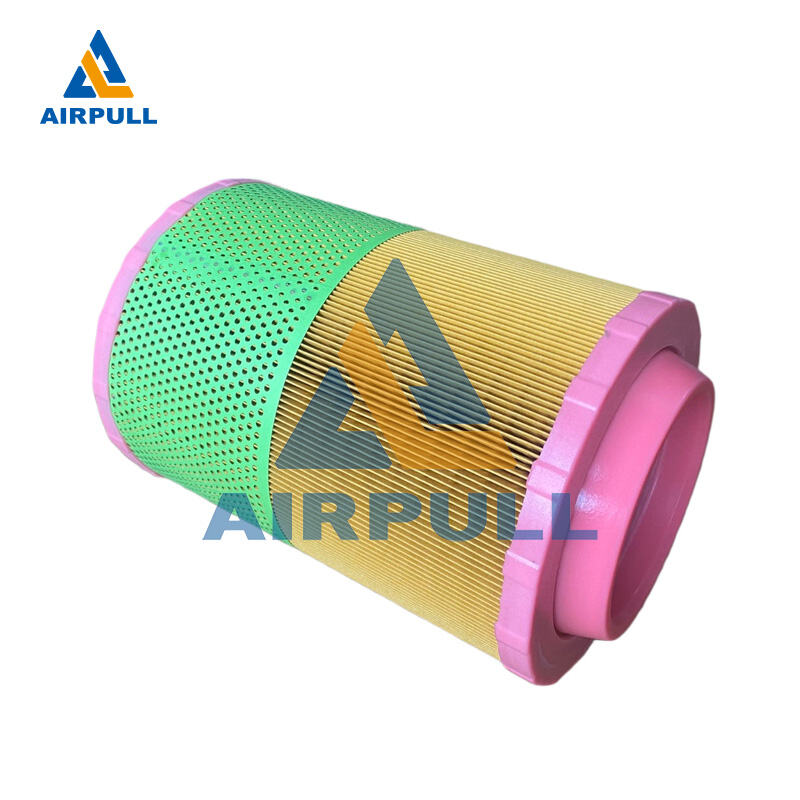
A practical selection method starts with your operating reality, then screens each filter cartridge manufacturer against measurable requirements. The goal is to identify a partner that can repeatedly deliver cartridge performance under your real duty cycle, not only under lab conditions. This guide breaks down how to evaluate a filter cartridge manufacturer step by step so your team can make a stable, defensible, and cost-effective decision.
Define Application Requirements Before Contacting Any Maker
Translate process conditions into cartridge specifications
Before comparing options, document your fluid type, contamination profile, flow range, pressure envelope, and operating temperature. A qualified filter cartridge manufacturer will immediately ask for these parameters because media choice and structural design depend on them. When your requirements are vague, even a capable filter cartridge manufacturer cannot guarantee reliable outcomes.
Include upset conditions, not just normal operation. Start-stop cycles, short-term pressure spikes, and variable viscosity often expose weak cartridge construction. A strong filter cartridge manufacturer uses this data to recommend collapse strength, seal compatibility, and end-cap bonding that match your process reality.
Define your target filtration objective clearly: equipment protection, product purity, regulatory compliance, or all three. Different objectives change micron rating strategy and replacement interval planning. The right filter cartridge manufacturer aligns design choices with your objective instead of pushing a one-size-fits-all cartridge.
Set acceptance criteria your procurement and engineering teams share
Many buying failures happen when engineering and procurement evaluate different things. Engineering may focus on retention and differential pressure, while procurement emphasizes initial unit price. A reliable filter cartridge manufacturer should be judged using a shared scorecard that balances performance, lifecycle cost, and delivery reliability.
Define pass-fail thresholds before quotation review, such as maximum initial pressure drop, minimum structural integrity, required test documentation, and lot-to-lot consistency limits. This prevents subjective decisions later. Any filter cartridge manufacturer unwilling to commit to objective acceptance criteria is a long-term risk.
Also establish service expectations, including lead time windows, communication response, and traceability depth. When filtration issues occur, slow or incomplete support can cost more than the cartridges themselves. A dependable filter cartridge manufacturer treats technical support as part of product quality.
Evaluate Technical Capability and Manufacturing Discipline
Check media engineering, construction quality, and compatibility depth
A serious filter cartridge manufacturer explains why a specific media structure fits your contaminant type and flow behavior. You should hear clear reasoning about fiber structure, porosity control, dirt-holding behavior, and chemical compatibility. If explanations are generic, that filter cartridge manufacturer may be reselling standard formats without true application engineering.
Review physical construction details closely, including pleat stability, seam integrity, end-cap bonding, and seal material selection. These elements often determine real service life more than micron label alone. A capable filter cartridge manufacturer can provide construction drawings or detailed technical sheets that go beyond marketing language.
Compatibility errors are expensive and preventable. A qualified filter cartridge manufacturer should discuss not only fluid compatibility but also cleaning chemicals, temperature cycling, and pressure fatigue behavior. That level of detail signals process understanding and lowers failure probability.
Validate process control, repeatability, and quality evidence
The same cartridge design can perform very differently depending on production control. Ask how the filter cartridge manufacturer manages incoming material verification, in-process inspection, and final integrity checks. Repeatability matters because your plant depends on consistent behavior across batches, not occasional high-performing lots.
Look for documented test methods and traceable records tied to batch numbers. A mature filter cartridge manufacturer can show how deviations are identified, contained, and corrected. This discipline is critical when your operations require predictable pressure drop and stable contaminant retention.
It is also useful to request a sample specification package and certificate format before trial orders. Strong documentation quality usually reflects strong process quality. When evaluating options, many buyers use a reference point like this filter cartridge manufacturer page to confirm whether technical detail is clear, relevant, and actionable.
Compare Commercial Fit Through Total Operating Cost
Move beyond purchase price to lifecycle economics
The cheapest unit cost can be the most expensive choice once downtime, energy, and replacement frequency are included. A strategic filter cartridge manufacturer helps you estimate lifecycle cost from pressure drop trend, service life, labor needs, and disposal volume. This gives leadership a decision model tied to plant economics instead of simple line-item price.
Ask each filter cartridge manufacturer to provide expected performance assumptions transparently. When assumptions are explicit, you can compare proposals on equal terms and run sensitivity analysis for your operating range. Hidden assumptions often explain why one quote appears low but fails in service.
Include risk cost in your comparison model. Emergency procurement, unplanned shutdown, and product quality incidents often overshadow small price differences. A stable filter cartridge manufacturer with predictable output can reduce these hidden costs significantly.
Assess supply reliability and responsiveness under real constraints
Even a technically strong cartridge is a weak solution if supply is inconsistent. Evaluate whether the filter cartridge manufacturer can support your forecast pattern, safety stock strategy, and urgent replenishment scenarios. Reliability includes production capacity, lead-time realism, and communication discipline.
Review how the filter cartridge manufacturer handles demand spikes and spec changes. Industrial operations rarely stay static, so adaptability matters. A partner-oriented filter cartridge manufacturer will define escalation paths and provide practical alternatives when constraints arise.
Payment terms and contract structure should also support long-term continuity. The right filter cartridge manufacturer is not only a component source but an operational continuity partner. This perspective improves resilience across procurement, maintenance, and production teams.
Run a Structured Qualification and Implementation Workflow
Use pilot testing to reduce technical and operational uncertainty
After shortlisting, run controlled pilot trials with clear success metrics. A competent filter cartridge manufacturer will help define test duration, sampling intervals, and acceptance thresholds tied to your process. Trials should measure not only filtration efficiency but also pressure stability and maintenance workload.
Test under representative operating conditions, including load variation where possible. A filter cartridge manufacturer that performs well only in steady-state trials may underperform in real production. Structured pilot design protects your team from false positives and premature scaling decisions.
Document baseline and trial results in one evaluation template so cross-functional teams can review objectively. This creates internal alignment and speeds decision approval. A professional filter cartridge manufacturer usually supports this documentation workflow with technical commentary.
Standardize onboarding for long-term performance control
Once selected, formalize technical specifications, change control rules, and acceptance testing routines. Without onboarding discipline, even a good filter cartridge manufacturer relationship can degrade over time. Standardization preserves the performance level that justified selection.
Create a feedback loop using field data such as replacement interval variance, pressure drop trend, and failure mode records. Share this data periodically with your filter cartridge manufacturer to drive continuous improvement. Data-based collaboration is often the difference between average and exceptional filtration outcomes.
Set review checkpoints at defined intervals after deployment. These reviews should verify commercial assumptions, technical performance, and support responsiveness. A reliable filter cartridge manufacturer welcomes structured reviews because they strengthen long-term operational fit.
FAQ
How many suppliers should be in the final evaluation stage?
For most B2B industrial teams, two to three qualified options are enough for a meaningful comparison without delaying decisions. The key is depth of evaluation, not quantity of quotes. A smaller shortlist allows each filter cartridge manufacturer to be tested against identical technical and commercial criteria.
How long should a cartridge pilot test run before final approval?
The right duration depends on contamination load variability and maintenance cycle length, but the test should be long enough to capture pressure drop progression and service-life behavior. Many teams align test duration with at least one full expected replacement cycle. Your chosen filter cartridge manufacturer should help define a timeline that reflects your duty cycle complexity.
What is the biggest mistake buyers make when selecting a maker?
The most common mistake is choosing on unit price without validating repeatability and support quality. Short-term savings can quickly disappear through downtime, higher energy use, and unstable replacement intervals. A strong filter cartridge manufacturer decision balances technical fit, supply reliability, and lifecycle cost from the start.
Can one cartridge specification work across multiple production lines?
Sometimes, but only when fluid properties, contamination profile, and operating conditions are truly similar. Standardization can simplify inventory, yet over-standardization can reduce performance on specific lines. A capable filter cartridge manufacturer will confirm where harmonization is safe and where line-specific configuration is necessary.