EN
EN



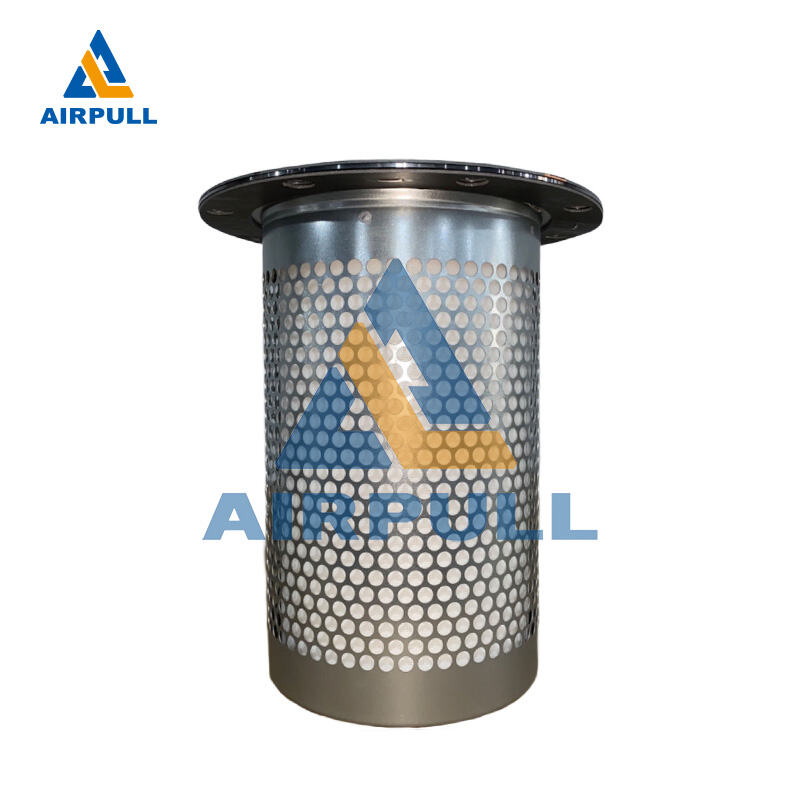
In industrial compressor systems, effective air oil separator filter maintenance is one of the most important routines for keeping compressed air quality stable and operating costs predictable. When this task is delayed, separators load up faster, pressure drop increases, and the compressor works harder to deliver the same output. That translates directly into higher energy consumption, more oil carryover risk, and avoidable stress on downstream equipment. A practical approach to air oil separator filter maintenance protects uptime, safeguards product quality, and reduces unplanned maintenance events.
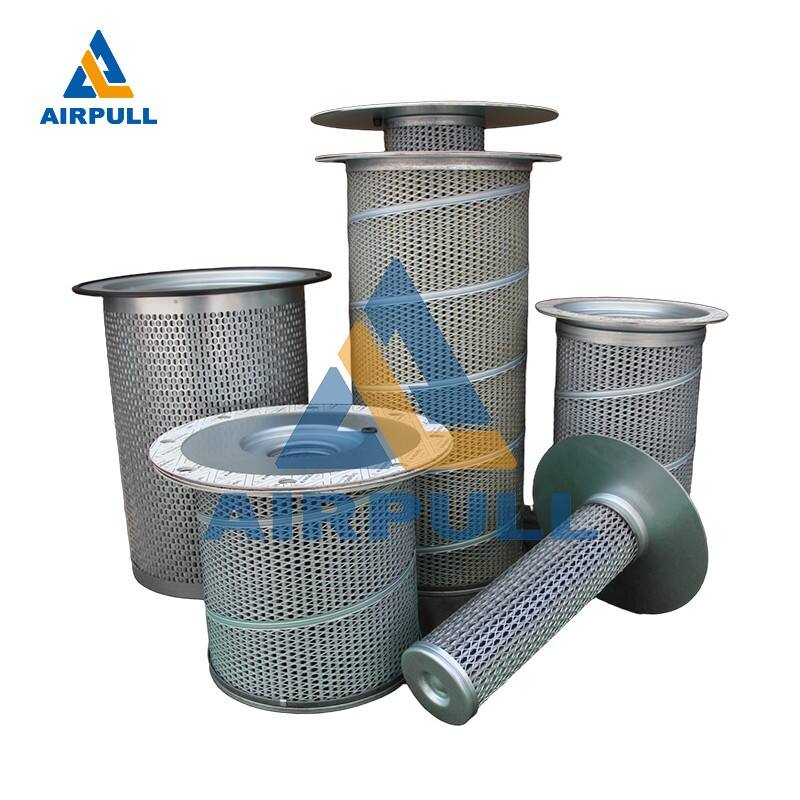
The right way to run air oil separator filter maintenance is not to treat it as a single replacement task, but as a controlled workflow that includes baseline setup, periodic inspection, condition tracking, and clean installation practices. This article explains that workflow in operational detail so maintenance managers, plant engineers, and reliability teams can turn air oil separator filter maintenance into a repeatable standard. The focus is on practical steps, decision signals, and execution discipline that fit real factory conditions.
Build a Maintenance Baseline Before Service Intervals Drift
Define Operating Reference Points for the Compressor Train
Every successful air oil separator filter maintenance program starts with accurate reference data. Teams should record normal separator differential pressure, lubricant condition, discharge temperature, and average load profile at stable operation. Without this baseline, it is hard to detect gradual deterioration because change appears normal over time. Air oil separator filter maintenance becomes far more reliable when technicians can compare today’s readings against a known healthy state.
In B2B production environments, load fluctuation is common across shifts, product types, and seasonal demand. That is why air oil separator filter maintenance intervals should be tied to measured operating conditions, not only calendar assumptions. A plant with dusty intake air, long loaded runtimes, or thermal cycling will need tighter monitoring frequency. By establishing reference points early, teams can adapt air oil separator filter maintenance timing before pressure loss becomes expensive.
Set Inspection Cadence Around Risk, Not Habit
Routine cadence should reflect production criticality and failure consequence. For high-availability lines, air oil separator filter maintenance checks may be weekly for trend review and monthly for detailed inspection. For less critical duty, a longer cycle may be acceptable if trend stability is proven. The key is consistency, because irregular checks hide early warning signs.
A structured cadence also improves communication across operations and maintenance. When air oil separator filter maintenance checkpoints are built into shift logs and planning meetings, small anomalies are discussed before they become shutdown events. This creates an accountability loop where technicians, planners, and supervisors share the same condition picture. Over time, the maintenance cycle becomes proactive rather than reactive.
Run Condition Monitoring That Triggers Action at the Right Time
Track Differential Pressure and Oil Carryover Together
Differential pressure across the separator element is a primary indicator for air oil separator filter maintenance decisions. Rising differential pressure usually signals element loading, flow restriction, or contamination that can reduce compressor efficiency. However, pressure trend alone is not enough for high-confidence action. Teams should pair it with oil carryover observations and downstream cleanliness to confirm separator condition.
When pressure drop rises while oil carryover also increases, air oil separator filter maintenance should be prioritized immediately because both performance and air quality are affected. If pressure rises but carryover remains stable, investigate flow profile, viscosity behavior, and possible sensing error before replacement. This two-signal method helps avoid unnecessary parts use while still protecting reliability. It turns air oil separator filter maintenance into evidence-based decision making.
Use Temperature and Runtime Context to Interpret Trends
Compressor discharge temperature and loaded runtime strongly influence separator stress. If thermal conditions are higher than normal, separator media aging can accelerate and shorten the practical window for air oil separator filter maintenance. In these cases, fixed interval replacement may be too late, even when historical practice says otherwise. Condition trends must be interpreted within thermal and duty-cycle context.
A useful method is to review trend snapshots after production changes, such as new shift schedules or altered process air demand. These changes can quietly compress the interval required for air oil separator filter maintenance. Plants that update maintenance triggers after operating changes typically prevent sudden pressure spikes and emergency replacement work. The result is smoother planning and more stable compressor performance.
Execute Replacement Work With Contamination Control Discipline
Prepare the Work Zone and Components Before Opening the System
Execution quality determines whether air oil separator filter maintenance solves the problem or introduces new failure risk. Before opening the separator vessel, isolate energy sources, relieve pressure safely, and clean the surrounding area to reduce contamination entry. Prepare all required consumables, seals, and tools in advance so the system is not left open longer than necessary. Clean handling practices are essential because fine debris can quickly undermine separator life.
Technicians should verify element compatibility, seal integrity, and lubricant suitability before installation. Using a trusted part specification such as air oil separator filter maintenance requirements helps avoid fitment and performance mismatch. This step reduces rework risk and preserves planned downtime windows. Strong preparation standards make air oil separator filter maintenance repeatable across teams and shifts.
Control Installation Torque, Sealing, and Restart Checks
During installation, uneven tightening and damaged sealing surfaces are frequent causes of leakage and carryover instability. Air oil separator filter maintenance should therefore include controlled torque sequence and visual confirmation of gasket seating. Any skipped detail at this stage can produce symptoms that look like separator failure but are actually installation defects. Precision during fitment protects both filter life and compressor stability.
After restart, confirm pressure behavior, leak status, and short-term trend stabilization under normal load. Early post-service validation is a core part of air oil separator filter maintenance, not an optional extra. Capture final readings in the maintenance log to reset the baseline for the next cycle. This closes the work order with data, making future diagnostics faster and more accurate.
Strengthen Long-Term Reliability Through Program-Level Controls
Standardize Documentation and Technician Decision Rules
Program maturity comes from standardization, not isolated good jobs. Air oil separator filter maintenance should be supported by clear work instructions, acceptance criteria, and trigger thresholds that are easy to follow on the plant floor. When decision rules are standardized, different technicians reach similar conclusions from the same trend data. That consistency lowers variation in maintenance outcomes.
Documentation should include baseline values, inspection dates, observed anomalies, replacement details, and post-start readings. Over multiple cycles, this history reveals whether air oil separator filter maintenance intervals are appropriate for actual operating duty. It also helps identify recurring root causes like intake contamination or thermal stress. Reliable records convert maintenance from task execution to reliability engineering.
Connect Separator Care With Energy and Production KPIs
In industrial budgeting, maintenance value is strongest when linked to measurable business outcomes. Air oil separator filter maintenance affects specific energy consumption, compressor loading behavior, and process air quality consistency. Tracking these KPIs before and after maintenance events provides objective proof of program impact. This is especially important in multi-line facilities where air demand and reliability expectations are high.
When management sees the relationship between disciplined air oil separator filter maintenance and reduced unplanned downtime, support for planned service windows improves. Teams can then schedule work at low-impact production periods rather than responding to emergency alarms. Over time, the maintenance function shifts from cost center perception to performance enabler. That shift is one of the most practical advantages of a well-governed air oil separator filter maintenance strategy.
FAQ
How often should air oil separator filter maintenance be performed in industrial service?
Frequency depends on duty cycle, air cleanliness, temperature profile, and compressor loading pattern. A condition-based approach is usually better than fixed calendar intervals because it reflects real operating stress. Most plants combine regular inspections with trend thresholds so air oil separator filter maintenance happens at the right point between too early and too late. This protects both cost control and reliability.
Can delayed air oil separator filter maintenance increase energy costs?
Yes, delayed service commonly raises differential pressure, which forces the compressor to work harder for the same air delivery. That extra effort appears as higher power consumption and can also increase thermal stress in the system. Timely air oil separator filter maintenance helps keep pressure losses controlled and supports stable energy performance. It is often one of the quickest maintenance actions to influence utility efficiency.
What are the clearest warning signs that air oil separator filter maintenance is due?
The most useful signs are rising separator differential pressure, evidence of oil carryover, unstable discharge behavior, and trend changes after load or temperature shifts. One isolated reading should not drive replacement by itself, but consistent movement across multiple indicators should trigger action. Effective air oil separator filter maintenance relies on trend interpretation, not guesswork. Early response prevents avoidable production disruption.
Is installation quality really as important as replacement timing in air oil separator filter maintenance?
Yes, installation quality is equally important because poor sealing, contamination entry, or incorrect tightening can create immediate performance issues. Many recurring separator complaints are linked to execution errors rather than element quality alone. Air oil separator filter maintenance should always include clean handling, proper fitment checks, and post-restart verification. This combination is what delivers consistent service life and dependable compressor operation.
Table of Contents
- Build a Maintenance Baseline Before Service Intervals Drift
- Run Condition Monitoring That Triggers Action at the Right Time
- Execute Replacement Work With Contamination Control Discipline
- Strengthen Long-Term Reliability Through Program-Level Controls
-
FAQ
- How often should air oil separator filter maintenance be performed in industrial service?
- Can delayed air oil separator filter maintenance increase energy costs?
- What are the clearest warning signs that air oil separator filter maintenance is due?
- Is installation quality really as important as replacement timing in air oil separator filter maintenance?