EN
EN


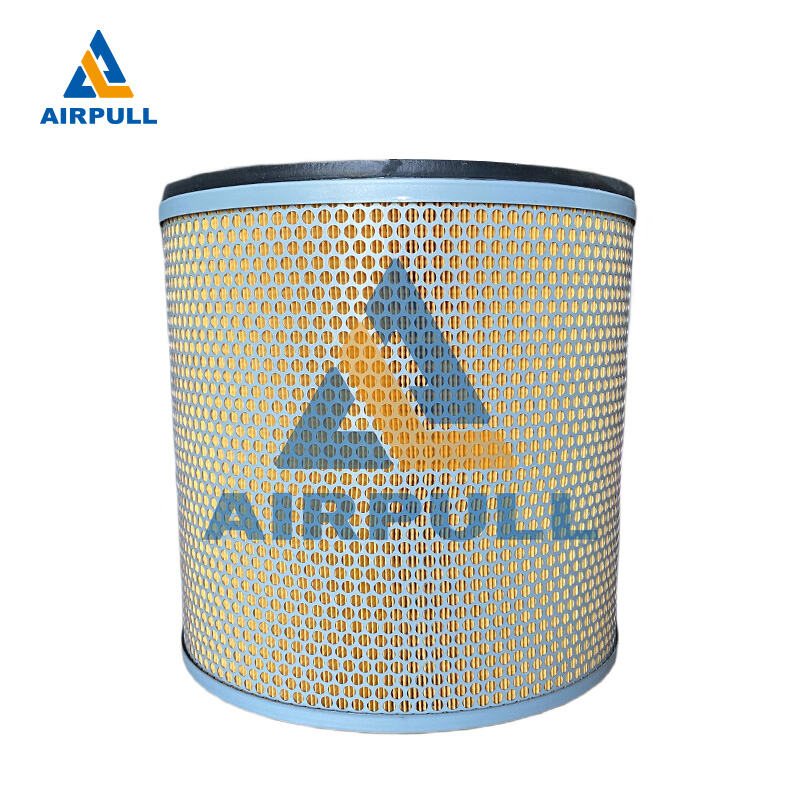
Choosing the best high flow filter in 2026 is less about marketing language and more about fit, stability, and total operating value. In industrial air and process systems, a high flow filter must maintain consistent throughput while protecting downstream equipment from particulate loading, oil carryover, and pressure-related inefficiencies. This review focuses on what actually determines performance in day-to-day operations, not just what looks strong on a product sheet. The best high flow filter is the one that keeps flow reliable under real contamination patterns, variable demand, and long service cycles.
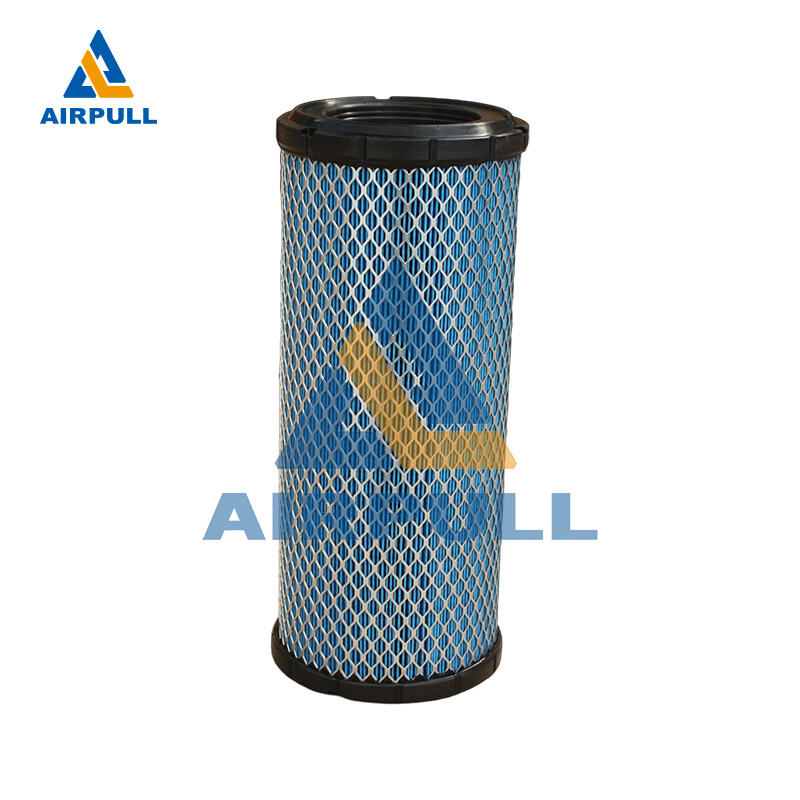
This 2026 review is written for B2B buyers, plant engineers, and maintenance teams who need a clear decision framework for high flow filter selection. Instead of treating every high flow filter as equivalent, we examine flow behavior, pressure stability, media durability, serviceability, and lifecycle cost under industrial conditions. The conclusion is direct: the best high flow filter is defined by system compatibility and operating discipline, not by nominal size alone. When a high flow filter is matched correctly, it reduces unplanned downtime, supports energy efficiency, and improves process confidence.
Review Framework for the Best High Flow Filter in 2026
Performance criteria that matter in real operations
A meaningful high flow filter review starts with measurable operational outcomes. The first criterion is stable differential pressure across the service interval, because rising restriction forces systems to consume more energy to maintain output. The second is contamination retention consistency, since a high flow filter that performs well only in clean startup conditions is not dependable in production. The third is structural durability under pulsation, temperature shifts, and vibration. Together, these criteria separate a routine high flow filter from the best high flow filter for industrial duty.
In 2026, evaluation standards are stricter because many facilities run tighter tolerances and higher uptime targets. A high flow filter is now judged by how it performs near peak demand, not only at nominal flow. Procurement teams are also looking at service predictability, because replacement planning has become central to maintenance strategy. For this reason, the best high flow filter is one that holds performance through the full cycle without sudden pressure spikes. Any high flow filter that degrades abruptly creates operational risk even if its initial data appears strong.
Why design details are central to a credible review
The geometry of the media pack, end-cap integrity, sealing precision, and flow distribution architecture all influence how a high flow filter behaves after installation. A poorly balanced internal path can create localized loading, which shortens life and increases pressure drop faster than expected. The best high flow filter uses design features that spread load more evenly and prevent premature channeling. In practical terms, that means the high flow filter can sustain cleaner output for longer without sacrificing flow continuity. These details are often the difference between acceptable and excellent field performance.
Installation environment also affects whether a high flow filter reaches its rated value. Systems with frequent start-stop cycling, high humidity, or intermittent contamination peaks place extra stress on the filter element. The best high flow filter is not just technically capable; it is resilient under fluctuating plant conditions. A rigorous review therefore looks beyond catalog values and asks how the high flow filter reacts to real operating profiles. This approach makes the selection outcome useful for engineering, operations, and finance at the same time.
Performance Findings from 2026 Industrial Use Conditions
Flow stability and pressure behavior under load
Across typical industrial scenarios, the strongest indicator of high flow filter quality is pressure behavior as contamination accumulates. A reliable high flow filter shows gradual, predictable differential pressure growth rather than erratic jumps. That predictability allows maintenance teams to plan change intervals before performance losses affect production. In contrast, an unstable high flow filter can appear efficient early and then decline quickly, creating surprise downtime. For 2026 operations focused on reliability, that pattern is unacceptable.
When flow demand shifts throughout a shift cycle, the best high flow filter maintains output integrity without frequent correction from operators. This is especially important in compressed air systems where pressure consistency influences tool performance and process repeatability. A well-matched high flow filter supports system balance by reducing turbulence-related losses and limiting bypass risk. In practical review terms, this means less intervention and more predictable daily production. That operational calm is a strong sign of a top-tier high flow filter choice.
Contaminant handling and filtration reliability
A high flow filter should not be judged by flow alone, because contamination control is the core reason it exists. Under mixed particulate and aerosol exposure, the best high flow filter preserves separation efficiency while keeping pressure growth controlled. If a high flow filter captures aggressively but clogs too quickly, lifecycle cost rises and service windows become unstable. If it flows easily but allows too much pass-through, downstream equipment absorbs the cost. The best high flow filter balances these two demands without forcing compromises in production quality.
In many 2026 industrial settings, contamination profiles are less uniform than in earlier years due to variable duty cycles and flexible production planning. That makes media stability and seal reliability more important for every high flow filter decision. The best high flow filter handles these shifts with consistent performance, not short-term peaks followed by decline. Teams that track outlet cleanliness and differential pressure together usually identify this difference quickly. A dependable high flow filter is therefore a process protection component, not a routine consumable.
Application Fit and Decision Logic for B2B Buyers
Matching system conditions to the right filtration profile
The best high flow filter for one plant may be the wrong high flow filter for another, even in the same industry segment. Flow range, compressor behavior, contaminant type, duty cycle, and required downstream cleanliness all influence fit. A good 2026 review places application compatibility at the center of the decision. When a high flow filter is selected with these variables in mind, replacement intervals become more stable and maintenance planning improves. That alignment is what turns a high flow filter from a cost center into an operational control point.
B2B teams should define expected flow windows rather than relying on one nominal value when evaluating high flow filter options. Real systems move through low, medium, and high demand periods, and each zone affects filtration stress differently. The best high flow filter keeps acceptable pressure behavior across this full operating envelope. A high flow filter that is optimized for only one point can underperform during routine variation. Decision quality improves significantly when engineering and maintenance evaluate range behavior together.
Serviceability, downtime exposure, and maintenance workflow
In high-utilization facilities, serviceability is a core part of high flow filter quality. The best high flow filter should allow clean, fast replacement with low error risk during maintenance windows. If access is awkward or sealing steps are overly sensitive, even a strong high flow filter design can produce inconsistent results in practice. Review outcomes in 2026 increasingly include maintenance execution realities, not just filtration theory. This shift reflects the real cost of technician time and line interruption.
Downtime exposure often comes from variability rather than average performance, so a predictable high flow filter is usually preferred over one with inconsistent peaks. When replacement intervals can be forecast with confidence, planners can synchronize a high flow filter change with other scheduled tasks. That reduces disruption and avoids emergency stops. The best high flow filter therefore supports workflow discipline as much as technical filtration. In B2B environments, this operational predictability carries major value.
Total Cost Perspective in the 2026 High Flow Filter Review
From purchase price to lifecycle economics
A low upfront price does not automatically mean a better high flow filter decision. Lifecycle evaluation should include energy impact from pressure drop, replacement frequency, labor time, and the financial effect of contamination-related incidents. The best high flow filter often delivers value by reducing volatility in these cost drivers rather than by being the cheapest unit at purchase. In 2026 procurement models, cost stability is increasingly weighted alongside unit price. This is why a disciplined high flow filter review must account for total ownership behavior.
When teams quantify long-horizon cost, a consistent high flow filter frequently outperforms lower-cost alternatives that require shorter service cycles. Every additional intervention adds labor load, planning friction, and process risk. The best high flow filter lowers those hidden penalties by extending usable life under realistic contamination conditions. A high flow filter that maintains performance longer also helps preserve energy efficiency at the system level. That combination is central to strong business cases in industrial procurement.
Risk control and implementation confidence
For critical operations, risk reduction is a major reason to prioritize a proven high flow filter specification. Filtration inconsistency can trigger cascading problems in valves, actuators, instrumentation, and process quality. The best high flow filter reduces this exposure by keeping contaminant control and pressure behavior inside predictable boundaries. In review terms, that means less reactive maintenance and fewer unexpected performance events. Reliability teams increasingly treat high flow filter selection as a resilience decision, not just a spare-parts decision.
Implementation confidence also depends on clear operating parameters and disciplined monitoring after installation. Even the best high flow filter performs best when teams track differential pressure trends, outlet quality indicators, and service interval adherence. This data-driven routine validates whether the selected high flow filter is delivering the expected outcome. In 2026, organizations that manage filtration this way tend to see better uptime consistency and cleaner maintenance forecasting. The review conclusion is practical: the best high flow filter is the one matched correctly, monitored consistently, and maintained on schedule.
FAQ
What defines the best high flow filter in 2026 industrial applications?
The best high flow filter is defined by stable flow under load, predictable pressure behavior, reliable contaminant control, and manageable service intervals. A high flow filter that only performs in ideal startup conditions is not enough for modern B2B operations. The right choice supports uptime, energy stability, and maintenance planning in real plant environments.
How often should a high flow filter be replaced in continuous-duty systems?
Replacement timing depends on contamination load, duty cycle, and acceptable pressure limits, not just calendar intervals. A high flow filter should be changed based on monitored differential pressure trends and outlet quality requirements. In most industrial settings, the best high flow filter strategy is condition-based scheduling supported by routine inspection data.
Can one high flow filter model fit all process conditions?
No single high flow filter model is optimal for every scenario because system dynamics vary across facilities. Flow range, contaminant type, humidity, and operational cycling all affect filtration behavior. The best high flow filter is selected by matching technical characteristics to the actual process profile rather than relying on a universal assumption.
Does a higher-rated high flow filter always lower operating cost?
Not always, because operating cost depends on total lifecycle behavior, including pressure drop, service frequency, labor, and reliability impact. A premium high flow filter can reduce cost when it delivers longer stable performance and fewer disruptions. The best high flow filter decision comes from total cost analysis under real operating conditions, not rating level alone.