EN
EN



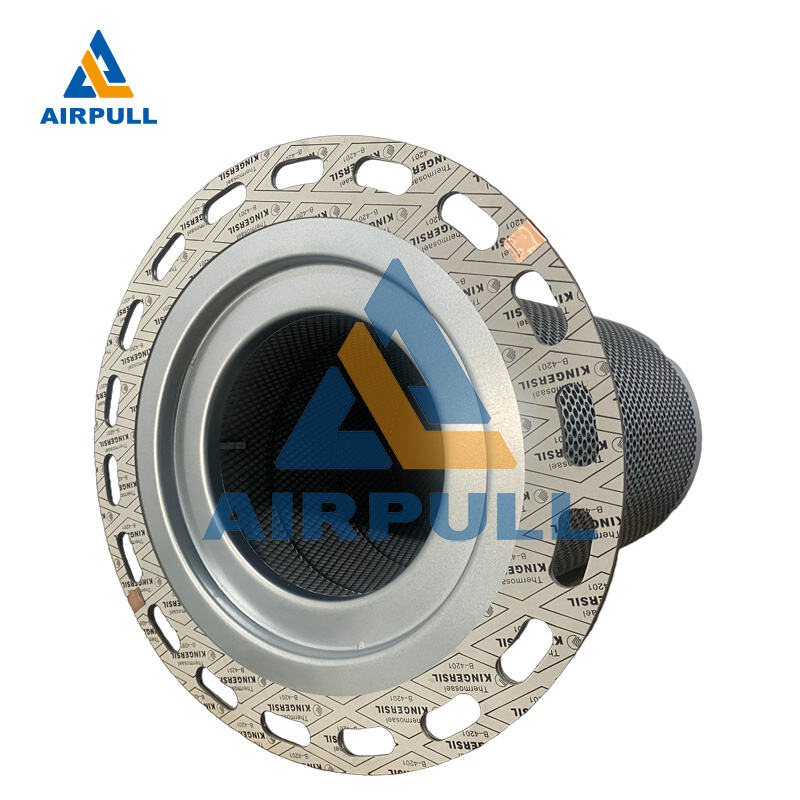
Testing a separator is not only a lab exercise; it is a direct control point for compressor reliability, oil carryover risk, and operating cost. If your goal is to confirm whether a durable air oil separator filter can hold performance under real plant stress, you need a method that tracks efficiency, pressure behavior, and structural stability over time, not a single snapshot reading. In industrial operations, a durable air oil separator filter is considered proven only when it keeps separation efficiency stable while resisting heat, pulsation, and contamination loading across a full duty cycle.
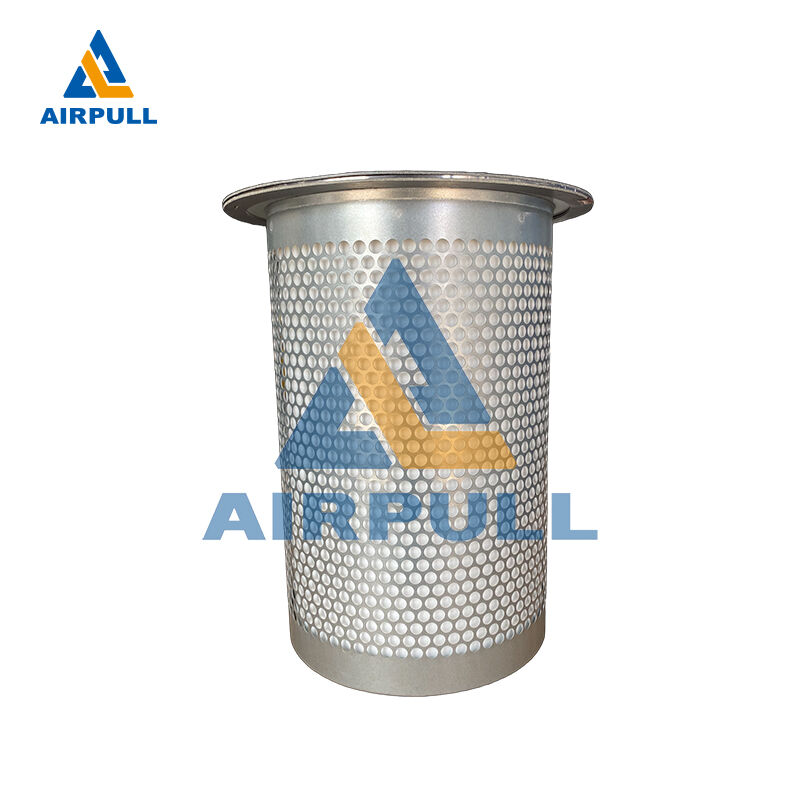
The practical way to test a durable air oil separator filter is to run a controlled workflow: define pass criteria, stabilize operating conditions, execute baseline and endurance phases, then validate internal media condition after the run. This approach helps maintenance, quality, and procurement teams decide whether a durable air oil separator filter truly supports long service intervals and predictable compressor performance in production environments.
Build a Test Plan That Matches Real Durability Risk
Define failure modes before running the bench
A reliable durability test starts with clear failure definitions. For a durable air oil separator filter, common failure modes include rising differential pressure, declining separation efficiency, glue joint fatigue, pleat deformation, and media cracking after thermal cycling. When these are defined up front, the test can measure what actually matters to plant uptime.
Many teams test only initial pressure drop and call it complete, but that misses long-run behavior. A durable air oil separator filter may look acceptable at startup and then degrade quickly once oil aerosol concentration, vibration, and temperature swings increase. By mapping failure modes first, you prevent false positives and avoid approving a part that performs well only in short, low-stress conditions.
Set acceptance thresholds tied to operations
Testing is useful only when pass and fail limits are measurable. Set thresholds for maximum allowable oil carryover, upper differential pressure limit, and acceptable change in performance from beginning to end of the endurance run. A durable air oil separator filter should stay within these limits through the full test window, not just at early checkpoints.
It is also important to align thresholds with your maintenance model. If the business expects long replacement intervals, then the durable air oil separator filter must maintain stable flow resistance at higher contaminant loading, not merely satisfy a short qualification cycle. Connecting limits to real service policy makes the test directly useful for decisions.
Prepare Controlled Conditions Before Any Performance Reading
Stabilize compressor operating parameters
Before testing a durable air oil separator filter, lock down key variables: flow rate, discharge pressure, oil type, oil temperature, and ambient conditions around the skid. If these drift, your results become difficult to interpret because pressure and carryover changes may come from system instability rather than filter behavior.
Use calibrated instruments and record data continuously. A stable test rig allows you to attribute changes in performance to the durable air oil separator filter itself. That distinction is critical when your goal is to validate durability instead of troubleshooting the compressor package.
Introduce realistic contamination and thermal stress
Durability claims should be challenged under realistic stress. A proper protocol exposes the durable air oil separator filter to controlled particulate loading and repeated temperature variation that reflect your operating profile. Constant mild conditions may hide weakness that appears only during start-stop cycles or high-load shifts.
Thermal and contamination stress should be repeatable and documented so results can be compared across batches. When the same stress profile is used consistently, you can determine whether each durable air oil separator filter design is genuinely stable, or if performance depends too heavily on favorable conditions.
Run the Validation Sequence in a Defined Order
Capture baseline efficiency and clean pressure drop
Start with a baseline phase at normal operating temperature and target flow. Measure initial differential pressure, oil carryover, and flow consistency for the durable air oil separator filter. This first dataset establishes the reference point for all later comparisons and helps detect early manufacturing irregularities.
During baseline, hold conditions long enough to remove transient effects from startup. A durable air oil separator filter that settles quickly and maintains steady readings at baseline generally indicates sound media packing and stable sealing, both of which are essential for long-cycle operation.
Execute endurance cycling and trend analysis
After baseline, move into endurance operation with defined cycle blocks. Track differential pressure growth rate, not just absolute value, because trend slope reveals whether the durable air oil separator filter is loading normally or clogging prematurely. Include checkpoints at fixed runtime intervals for carryover verification.
A stable slope and controlled carryover over repeated cycles are strong indicators that the durable air oil separator filter can manage prolonged duty without rapid efficiency loss. Sudden pressure spikes or uneven trend behavior usually signal media compaction issues, channeling, or seal instability under dynamic stress.
Perform post-run teardown and media integrity checks
Endurance data should always be paired with physical inspection. After test completion, open and inspect the durable air oil separator filter for pleat deformation, delamination, adhesive breakdown, and metal component distortion. Structural condition explains why performance shifted and improves root-cause accuracy.
A durable air oil separator filter that passes numeric thresholds but shows internal cracking or seam weakness still presents field risk. Post-run teardown prevents this blind spot and gives engineering teams confidence that measured stability reflects true mechanical durability rather than temporary behavior.
Turn Test Results Into Maintenance and Purchasing Decisions
Convert performance data into service interval policy
Test outputs should feed directly into maintenance planning. When a durable air oil separator filter demonstrates predictable pressure growth and stable carryover through the target endurance period, you can define replacement intervals with less uncertainty. This reduces emergency swaps and improves shutdown planning accuracy.
Use trend thresholds as early warning triggers in operation. If in-field differential pressure on the durable air oil separator filter rises faster than the validated test curve, maintenance can investigate upstream oil condition, loading shifts, or installation issues before separation performance declines sharply.
Apply test evidence to incoming quality control
Durability testing also supports incoming inspection and supplier quality consistency. Keep a reference signature for approved durable air oil separator filter performance, then run periodic verification on received batches under reduced but comparable conditions. This approach helps detect drift before parts reach critical compressors.
For industrial buyers, a documented test protocol creates alignment across engineering, maintenance, and procurement. Instead of relying on broad claims, teams can approve a durable air oil separator filter based on repeatable evidence tied to plant operating reality, lifecycle cost control, and uptime objectives.
Common Mistakes That Weaken Durability Conclusions
Overweighting startup performance
A frequent error is approving a durable air oil separator filter from early clean-condition readings only. Startup results are useful but incomplete, because many failure mechanisms emerge after prolonged thermal exposure and contaminant accumulation. Durability is a time-based characteristic, not a single-point measurement.
To avoid this mistake, enforce minimum endurance runtime and compare beginning, midpoint, and endpoint behavior. A durable air oil separator filter should demonstrate continuity of performance, not just a good initial profile under low loading.
Ignoring system-level variables during interpretation
Another common issue is treating all pressure changes as filter failure without checking system context. Oil viscosity shifts, separator vessel condition, and load fluctuations can influence readings around the durable air oil separator filter. Interpretation must separate filter-driven effects from equipment-driven effects.
Maintain a full test log that includes operating states, temperature bands, and contamination inputs. With this context, teams can judge whether a durable air oil separator filter failed due to intrinsic weakness or external abnormality, leading to better corrective action and more reliable qualification decisions.
FAQ
How long should a durability test run for an industrial separator?
The test duration should match your expected service interval and operating stress profile. For a durable air oil separator filter, the run must be long enough to show trend stability in pressure and carryover, including thermal and load cycling phases. A short steady-state run is not enough to validate long-cycle reliability.
Can I validate a separator without teardown inspection?
You can collect performance data without teardown, but conclusions will be weaker. A durable air oil separator filter may meet numerical limits while hiding internal media or adhesive damage that appears later in field use. Teardown closes that gap and improves confidence in final acceptance.
What is the most useful indicator during endurance testing?
The most decision-useful indicator is differential pressure trend over time, interpreted alongside oil carryover checkpoints. For a durable air oil separator filter, a stable slope with controlled carryover is a strong sign of durable separation performance under continuous duty.
How often should validation be repeated after initial qualification?
Repeat validation on a scheduled basis or when there are changes in process load, oil type, or part batch characteristics. Ongoing checks confirm that each durable air oil separator filter continues to meet the same durability profile established during original approval and protects long-term operating consistency.