EN
EN



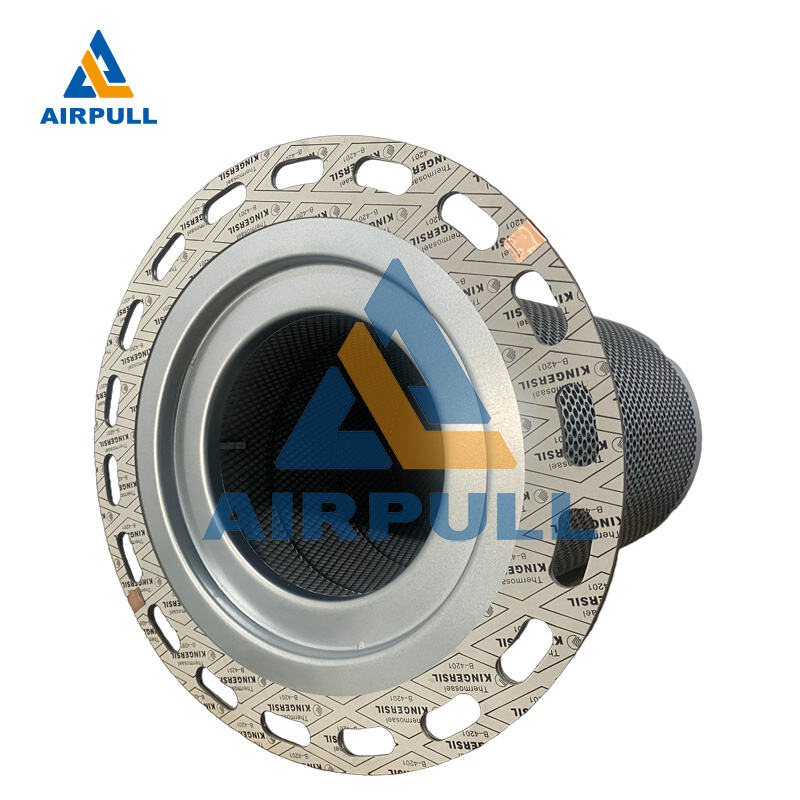
Ordering the right custom size air oil separator filter is less about buying a part and more about controlling compressor performance, oil carryover, and maintenance cost across the full operating cycle. In industrial environments, a small sizing mismatch can create pressure instability, early saturation, and unplanned shutdowns that affect production targets. This is why a structured ordering process matters: you need accurate dimensions, material fit, operating data, and validation checkpoints before release. When you follow a clear method, your custom size air oil separator filter becomes a reliability decision, not a trial-and-error purchase.
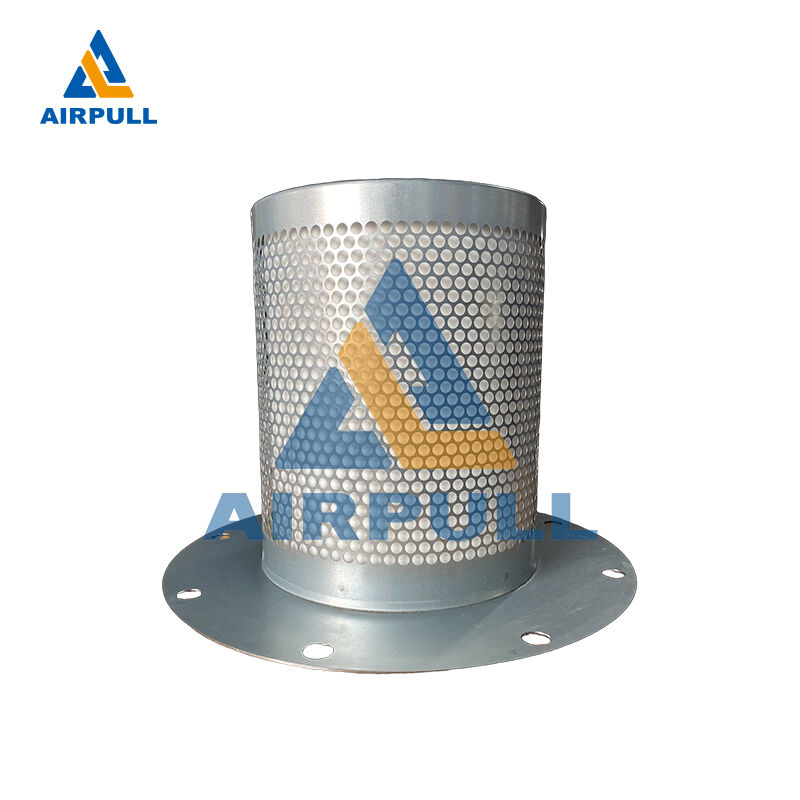
This guide explains exactly how to order a custom size air oil separator filter for B2B and industrial use, from initial data capture to final approval. The focus is practical: what information procurement teams must collect, what engineering teams must verify, and what acceptance criteria should be documented before production starts. By the end, you will have a repeatable workflow that reduces ordering mistakes, shortens lead-time friction, and improves first-fit success for every custom size air oil separator filter project.
Define Technical Requirements Before Requesting a Quote
Capture dimensional data with manufacturing-level precision
The first step in ordering a custom size air oil separator filter is dimensional accuracy. Record outer diameter, inner diameter, overall height, gasket profile, flange geometry, and any mounting interface details directly from drawings or measured samples. In many plants, dimensions are copied from old purchase notes, but that often carries hidden errors from previous substitutions. A true custom size air oil separator filter order should always begin with verified measurements in consistent units and clear tolerance ranges.
It also helps to identify critical-to-fit dimensions versus flexible dimensions. For example, seat depth and sealing surface position may be non-negotiable, while outer shell height may allow minor variation. Marking these distinctions avoids over-constraining the part and simplifies production feasibility. This approach improves communication and reduces redesign loops during custom size air oil separator filter quotation and review.
Document operating conditions that drive filter design
A custom size air oil separator filter is selected by operating context, not size alone. Include compressor type, flow range, working pressure, discharge temperature, oil type, and expected contamination load in your RFQ package. These inputs influence media selection, pleat density, separator efficiency behavior, and structural stability under pressure pulsation. Without this data, suppliers can only estimate performance, which increases risk after installation.
Duty cycle is equally important. Continuous heavy-load operations demand different design margins than intermittent use, even when two systems share similar dimensions. Include runtime patterns, ambient temperature variation, and service interval targets so the custom size air oil separator filter can be engineered for realistic field conditions. The more complete your operating profile, the stronger your first-pass specification quality.
Build a Clear RFQ Package for Faster, Safer Ordering
Standardize the technical submission checklist
A reliable RFQ for custom size air oil separator filter sourcing should combine mechanical data, performance expectations, and quality documentation requirements in one package. Attach dimensional drawing files, photos of installation orientation, and any legacy part references for cross-checking. Define your acceptance parameters such as initial pressure drop range, allowable oil carryover trend, and visual workmanship criteria. This prevents conflicting assumptions between procurement and engineering teams.
Add required compliance documents early, including material declarations, inspection reports, and traceability expectations. Many delays happen after commercial alignment because technical documentation was not defined upfront. When your checklist is complete, each custom size air oil separator filter quotation becomes easier to compare on technical equivalence, not price alone. That is critical in industrial purchasing where failure cost can exceed part cost by a wide margin.
Set commercial terms without weakening technical control
Commercial clarity should support technical outcomes. Specify lead time expectations for prototype and batch phases, minimum order quantity logic, packaging standards, and delivery labeling requirements tied to your internal receiving process. For a custom size air oil separator filter, packaging quality affects storage stability and contamination risk before installation. Good commercial terms should protect handling integrity, not just shipping dates.
Use revision control language in the purchase order so the approved drawing and specification version are legally tied to supply. This avoids silent design drift over repeated shipments of the same custom size air oil separator filter. A controlled PO structure also simplifies supplier audits and incoming quality investigations if field performance deviates from expectation.
Validate Sample Performance Before Full-Scale Production
Run fitment and sealing verification in real equipment
Before approving mass production, install a trial custom size air oil separator filter in operating equipment under normal load. Confirm seating alignment, gasket compression behavior, and ease of replacement in the actual service envelope. Lab checks are useful, but field fitment reveals practical issues such as access limitations, vibration effects, and thermal expansion mismatch. Early detection here saves expensive corrections later.
During sample validation, document torque windows, installation time, and any technician feedback that may indicate geometric friction or handling difficulty. A custom size air oil separator filter that performs well but is difficult to install consistently can still raise lifecycle cost. Operational usability should be treated as part of technical acceptance, especially in plants with high maintenance frequency.
Track performance signals over an agreed observation window
Set a fixed observation period and monitor pressure behavior, oil carryover trend, and separator stability throughout the run. The goal is to confirm that the custom size air oil separator filter maintains consistent performance rather than only passing an initial startup check. Record baseline and periodic readings using the same instrumentation method to avoid false variance. Consistent data collection strengthens approval decisions and future troubleshooting.
If results show minor deviation, define corrective action by category: dimensional revision, media adjustment, sealing material change, or process control improvement. This structured response keeps the custom size air oil separator filter project moving without restarting from zero. Once sample data meets your acceptance limits, freeze the specification and release controlled production.
Control Reorders and Lifecycle Performance After Approval
Create a repeatable reorder specification system
Long-term success with a custom size air oil separator filter depends on repeatability. Build an internal item master that includes approved drawing ID, material references, test parameters, and packaging requirements. Reorders should cite this controlled record rather than informal emails or legacy invoices. A disciplined system minimizes variation between lots and supports predictable maintenance planning.
Version control is essential when equipment conditions evolve. If compressor settings change, oil type changes, or service intervals are extended, review whether the same custom size air oil separator filter remains appropriate. Treat each operational change as a trigger for specification revalidation. This practice prevents gradual mismatch between current duty and historical part definition.
Use field feedback loops to improve future orders
Collect maintenance observations after each service cycle and connect them to purchase records. Track signs such as premature pressure rise, abnormal residue, or shortened operating intervals. These signals can indicate that your custom size air oil separator filter design needs refinement for actual site conditions. Continuous feedback turns procurement into a performance improvement cycle rather than a transactional process.
A mature feedback loop also improves forecasting and supplier coordination. When data shows stable performance, you can optimize reorder timing and reduce emergency procurement events. Over time, the custom size air oil separator filter becomes a controlled reliability asset in your compressed air system strategy, with fewer disruptions and more predictable operating cost.
FAQ
What information is mandatory before ordering a custom size air oil separator filter?
At minimum, provide verified dimensions, compressor operating pressure, temperature range, flow profile, oil type, and target service interval. Include installation orientation and sealing details so the custom size air oil separator filter is designed for correct fit and performance. Adding acceptance criteria for pressure behavior and oil carryover makes supplier evaluation more objective.
How many samples should be tested before releasing batch production?
For most industrial programs, one initial sample plus a small pilot batch is a practical path, provided each unit is tested under representative operating conditions. The key is not only sample count but data quality and consistency during the observation period. Your custom size air oil separator filter should be approved only after repeatable fitment and stable performance are confirmed.
Can procurement place an order without engineering involvement?
Procurement can manage commercial steps, but engineering input is critical for technical accuracy and risk control. A custom size air oil separator filter affects compressor efficiency, maintenance interval, and contamination behavior, so specification decisions should be cross-functional. Joint ownership between procurement and engineering delivers better first-pass success and fewer corrective cycles.
How often should a custom size air oil separator filter specification be reviewed?
Review the specification whenever operating conditions change, and run a scheduled audit at least annually in stable environments. Changes in load pattern, oil formulation, or service targets can alter suitability even if dimensions remain the same. Regular review keeps each custom size air oil separator filter aligned with current production reality and lifecycle expectations.
Table of Contents
- Define Technical Requirements Before Requesting a Quote
- Build a Clear RFQ Package for Faster, Safer Ordering
- Validate Sample Performance Before Full-Scale Production
- Control Reorders and Lifecycle Performance After Approval
-
FAQ
- What information is mandatory before ordering a custom size air oil separator filter?
- How many samples should be tested before releasing batch production?
- Can procurement place an order without engineering involvement?
- How often should a custom size air oil separator filter specification be reviewed?