EN
EN


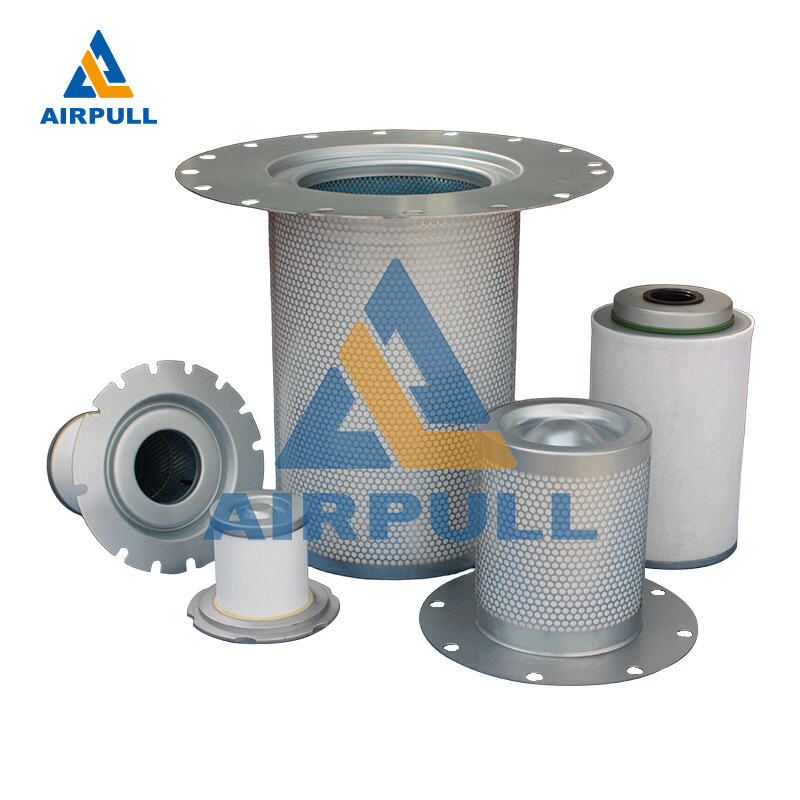
Purchasing the right filtration components for your air compressor system is a decision that directly impacts operational efficiency, maintenance costs, and equipment longevity. When you source a factory direct air oil separator filter, you eliminate unnecessary supply chain markups, gain direct access to technical specifications, and ensure that the component meets the exact performance standards your compressor demands. Understanding how this procurement process works is essential for any procurement manager, maintenance engineer, or business owner who depends on compressed air systems.
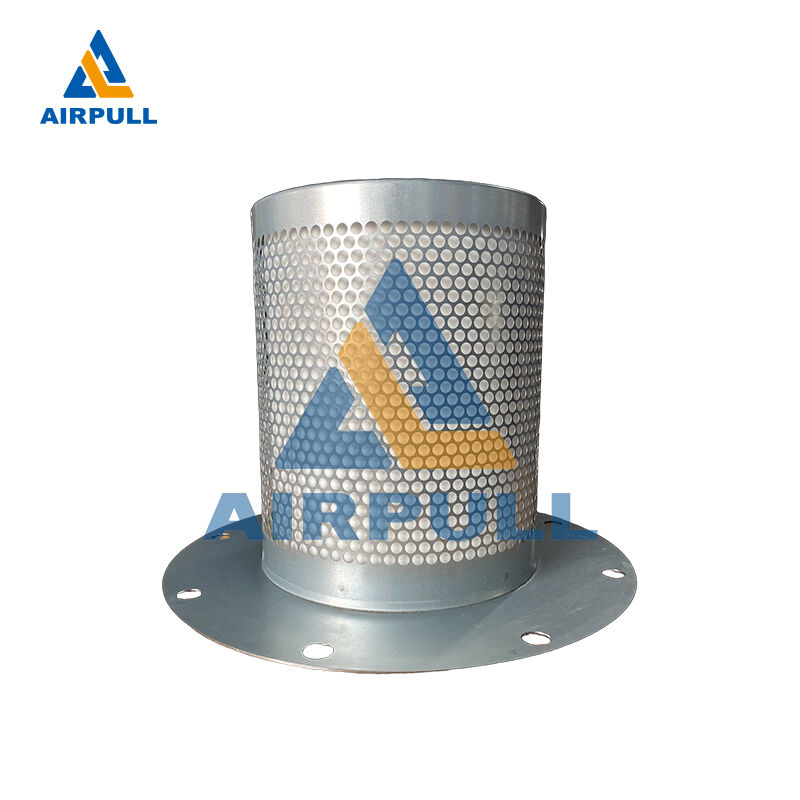
The factory direct air oil separator filter market has matured considerably, and buyers today have more options and more information at their disposal than ever before. However, with more options comes more complexity. Knowing how to evaluate quality, verify supplier credentials, confirm compatibility, and negotiate pricing are all skills that determine whether your purchase delivers long-term value or becomes a recurring problem. This guide walks you through every critical stage of buying a factory direct air oil separator filter with confidence and precision.
Understanding the Role of an Air Oil Separator Filter
What This Component Actually Does Inside Your Compressor
An air oil separator filter is the component responsible for removing entrained oil droplets from compressed air before it exits the compressor system. In rotary screw compressors, oil is injected into the compression chamber to cool the air, seal internal clearances, and lubricate moving parts. Without an effective factory direct air oil separator filter, this oil would carry over into your downstream equipment, contaminating processes and clogging pneumatic tools and valves.
The separator works through a combination of inertial impaction, coalescing filtration, and gravity drainage. As compressed air passes through the filter media, oil droplets collide with fibers, coalesce into larger droplets, and drain back into the sump. A high-quality factory direct air oil separator filter can reduce oil carry-over to as low as 1–3 parts per million, protecting your system and your downstream processes simultaneously.
Understanding this core function helps buyers make better purchasing decisions. When a factory direct air oil separator filter underperforms, the consequences are visible: elevated oil consumption, contaminated compressed air, increased compressor temperatures, and accelerated wear on downstream components. This is why sourcing quality directly from the manufacturer matters so much.
Why Factory Direct Sourcing Changes the Equation
When you buy through distributors or resellers, each layer in the supply chain adds cost and, in some cases, reduces accountability. A factory direct air oil separator filter purchase connects you directly to the entity that controls quality, materials, and manufacturing standards. You can ask technical questions and receive authoritative answers. You can request documentation that confirms filter media specifications, collapse pressure ratings, and oil removal efficiency.
Factory direct procurement also opens the door to volume pricing, custom compatibility options, and faster lead times because there are no intermediaries managing inventory buffers between you and the source. For facilities that run multiple compressors or operate in high-demand production environments, these advantages translate directly into measurable cost savings and supply chain resilience.
How to Verify Supplier Credentials Before You Buy
Confirming Manufacturing Capability and Quality Standards
Before committing to any factory direct air oil separator filter purchase, you need to verify that the supplier is genuinely a manufacturer and not a trading company presenting itself as one. Request a factory audit report, ISO certification documentation, or third-party inspection records. A legitimate manufacturer of factory direct air oil separator filter elements will have traceable quality management systems and should be willing to provide evidence of their production capabilities.
Look for certifications such as ISO 9001 for quality management and, where applicable, industry-specific compliance documentation. These are not merely formalities. They indicate that the manufacturer operates with documented processes, consistent incoming material inspection, and defined testing protocols for finished products. A factory direct air oil separator filter from a certified manufacturer is backed by systemic quality controls, not just good intentions.
You should also investigate how long the manufacturer has been producing air compressor filtration components. Experience in this field matters because filter design involves material science knowledge, airflow dynamics, and compatibility engineering that improves significantly over years of application feedback. Established manufacturers of factory direct air oil separator filter products have refined their designs through real-world performance data.
Evaluating Technical Documentation and Product Data Sheets
A credible supplier of factory direct air oil separator filter elements will readily provide detailed technical data sheets for every product. These documents should specify filter dimensions, flange or thread configurations, pressure differential ratings, maximum operating pressure and temperature, recommended service intervals, and oil removal efficiency. If a supplier cannot provide this information promptly or clearly, that is a significant warning signal.
Cross-reference the technical data against your compressor's original equipment manufacturer (OEM) specifications. The factory direct air oil separator filter you purchase must match the housing dimensions and operating parameters of your specific machine. A filter that is technically sound but dimensionally incompatible will fail to seat correctly, causing bypass leakage and defeating its own purpose entirely.
Ask about the filter media composition as well. High-quality factory direct air oil separator filter elements typically use borosilicate glass fiber media layered in a gradient density structure. This construction maximizes coalescing efficiency while minimizing pressure drop. Suppliers who can speak knowledgeably about their media selection and construction methods demonstrate genuine manufacturing expertise.
Matching the Right Filter to Your Compressor Model
Using OEM Part Numbers and Cross-Reference Data
One of the most practical steps in buying a factory direct air oil separator filter is identifying the correct part number for your compressor model. Most reputable manufacturers maintain comprehensive cross-reference databases that map OEM part numbers from major compressor brands to their compatible replacement filters. Start by locating the part number stamped on your existing filter element or listed in your compressor's service manual.
With that number in hand, you can request a direct cross-reference from your chosen factory direct air oil separator filter supplier. A responsible manufacturer will confirm not just dimensional compatibility but also functional equivalence, ensuring that the replacement filter meets or exceeds the original performance specifications. Never rely on visual similarity alone when establishing cross-reference compatibility.
If your compressor model is older or less common, reach out directly to the supplier's technical team. Experienced manufacturers of factory direct air oil separator filter products often maintain legacy cross-reference records and can guide you toward the correct match even when the original part has been discontinued or relabeled under a new number.
Understanding Operating Conditions That Affect Filter Selection
Not all compressed air environments are the same, and your specific operating conditions should influence your factory direct air oil separator filter selection. High ambient temperatures, aggressive duty cycles, and extended service intervals all demand filters engineered with higher-performance media and more robust structural components. Communicate your operating environment details clearly when placing an inquiry with a manufacturer.
For example, if your compressor operates in a foundry, chemical plant, or other environment with elevated temperatures or airborne contaminants, you need a factory direct air oil separator filter rated for those conditions. Using a standard-grade filter in an extreme environment leads to premature media saturation, accelerated pressure differential increase, and potential filter collapse under high differential pressure loads.
Some manufacturers offer application-specific variants of their factory direct air oil separator filter lineup designed for high-temperature synthetic oil systems, high-humidity environments, or extended change interval programs. Asking for application guidance during your sourcing process ensures you receive a filter that performs correctly throughout its intended service life rather than one that technically fits but underperforms in practice.
Evaluating Price, Quality, and Total Cost of Ownership
Why Lowest Price Is Not Always the Best Value
When evaluating factory direct air oil separator filter options, price comparison is important but must be contextualized within total cost of ownership. A filter priced significantly below market rate may use inferior media, thinner end caps, or weaker center tubes that fail under normal operating pressure. A single filter failure event can result in oil contamination throughout your downstream system, requiring extensive cleaning, parts replacement, and production downtime that far exceeds any initial savings.
Calculate cost per service interval rather than unit cost alone. A slightly more expensive factory direct air oil separator filter that achieves a longer service life, maintains lower pressure differential throughout its service period, and delivers consistent oil removal efficiency will cost less per operating hour than a budget alternative that requires more frequent replacement or causes collateral damage.
Also factor in shipping and logistics costs when buying factory direct, especially for international sourcing. A competitive per-unit price may be offset by freight, import duties, and minimum order quantity requirements. Request full landed cost estimates from your supplier before finalizing your comparison. A transparent factory direct air oil separator filter supplier will help you model these numbers clearly.
Negotiating Terms and Building a Long-Term Supply Relationship
One significant advantage of buying factory direct air oil separator filter products is the ability to negotiate favorable terms directly with the source. Volume commitments, blanket purchase orders, and long-term supply agreements can unlock better pricing, priority production scheduling, and dedicated account support. These benefits are rarely available through distribution channels where pricing is more rigid and relationships are more transactional.
When opening a new supplier relationship for factory direct air oil separator filter procurement, start with a sample evaluation order. Request a small quantity of filter elements for testing and inspection before committing to larger volumes. Reputable manufacturers will accommodate this because they are confident in their product quality and understand that building trust takes evidence, not just promises.
Document your agreed specifications, quality standards, and delivery terms in a formal purchase agreement. This protects both parties and establishes a clear baseline for quality expectations. A factory direct air oil separator filter supplier who refuses to commit to documented specifications should be viewed with skepticism regardless of their price point.
Installation, Maintenance, and Post-Purchase Considerations
Proper Installation Practices for Maximum Filter Performance
Even the highest quality factory direct air oil separator filter will underperform if installed incorrectly. Before installation, depressurize and isolate the compressor completely. Remove the old filter element and inspect the housing for damage, debris, or worn sealing surfaces. Clean the housing thoroughly before inserting the new factory direct air oil separator filter to prevent contamination of the fresh filter media from the start.
Follow the torque specifications provided by the filter manufacturer for end cap connections and housing cover bolts. Over-tightening can distort sealing surfaces, while under-tightening allows bypass leakage that renders the filter ineffective. Record the installation date and compressor hours at the time of installation so you can accurately track service intervals for future replacements of your factory direct air oil separator filter.
After installation, perform a controlled restart and monitor the differential pressure indicator during the initial pressurization cycle. A new factory direct air oil separator filter should show minimal differential pressure initially, with gradual increase over its service life as the media loads with separated oil. Any sudden spike in differential pressure on startup may indicate improper installation or a compatibility issue worth investigating.
Establishing a Preventive Maintenance Schedule
The service life of a factory direct air oil separator filter is directly tied to how diligently you manage the broader compressor maintenance program. Oil quality, inlet air cleanliness, and operating temperature all influence how quickly the separator filter reaches its end-of-life differential pressure. Maintain a log of differential pressure readings at regular intervals to track the filter's loading rate and anticipate replacement timing proactively rather than reactively.
Most manufacturers of factory direct air oil separator filter elements recommend replacement based on either elapsed operating hours or differential pressure threshold, whichever comes first. Do not extend service intervals beyond recommended limits to reduce costs. An overloaded filter creates elevated back pressure on the compressor, increasing energy consumption and mechanical stress on the compressor drive train.
Keeping a stock of replacement factory direct air oil separator filter elements on hand ensures you can perform timely maintenance without incurring costly production delays waiting for parts. Work with your supplier to establish a replenishment schedule aligned with your maintenance calendar, particularly if you operate multiple compressors on similar service cycles.
FAQ
How do I confirm a supplier is truly factory direct rather than a reseller?
Ask for factory audit documentation, ISO certification records, and detailed production process information. A genuine manufacturer of factory direct air oil separator filter elements can provide facility information, show production equipment, and give authoritative technical answers without needing to consult a third party. Trading companies typically lack this depth of product and process knowledge.
Can a factory direct air oil separator filter work as a direct replacement for my OEM part?
Yes, provided the factory direct air oil separator filter has been engineered and tested to match the original dimensional and performance specifications. Always request a formal cross-reference confirmation from the manufacturer and verify that pressure rating, media efficiency, and physical dimensions are equivalent to or better than the OEM part before installation.
What is the typical service interval for an air oil separator filter?
Most factory direct air oil separator filter elements are rated for 2,000 to 4,000 operating hours under normal conditions. However, this varies based on oil type, operating temperature, inlet air quality, and duty cycle. Always follow the differential pressure monitoring guidance provided by your filter manufacturer and replace the filter when the pressure differential exceeds the specified maximum threshold.
Is it safe to use a factory direct filter on a compressor that is still under warranty?
In most jurisdictions, equipment warranties cannot legally require the exclusive use of OEM parts, provided the replacement factory direct air oil separator filter meets equivalent specifications. However, you should review your specific warranty terms and maintain documentation showing that the replacement filter meets OEM performance standards to protect your warranty rights in case of a service claim.
Table of Contents
- Understanding the Role of an Air Oil Separator Filter
- How to Verify Supplier Credentials Before You Buy
- Matching the Right Filter to Your Compressor Model
- Evaluating Price, Quality, and Total Cost of Ownership
- Installation, Maintenance, and Post-Purchase Considerations
-
FAQ
- How do I confirm a supplier is truly factory direct rather than a reseller?
- Can a factory direct air oil separator filter work as a direct replacement for my OEM part?
- What is the typical service interval for an air oil separator filter?
- Is it safe to use a factory direct filter on a compressor that is still under warranty?