EN
EN



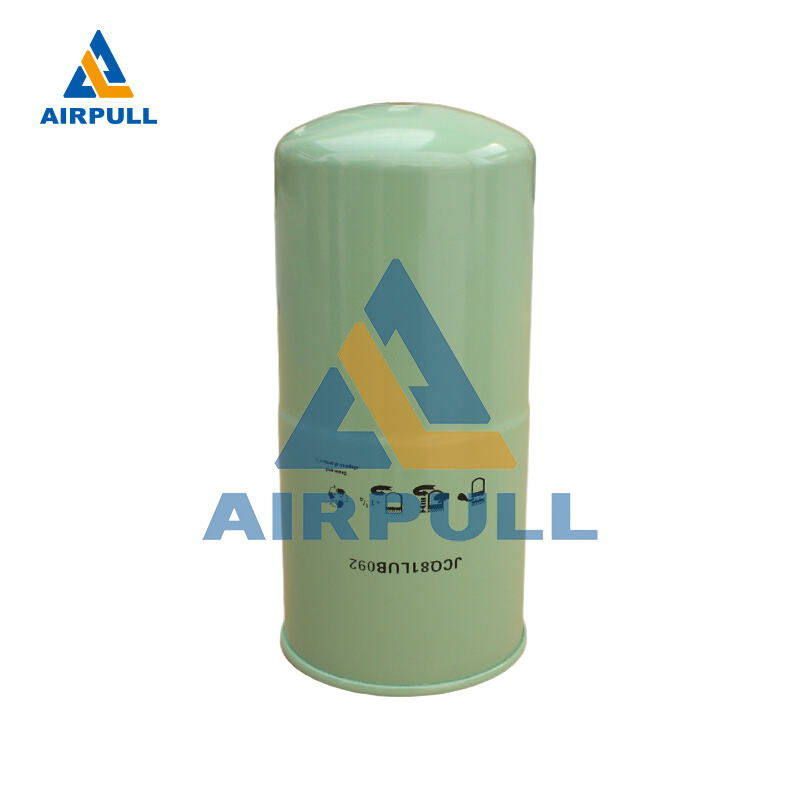
Knowing how to change a compressor oil filter element is one of the most practical maintenance skills any equipment technician or facility manager can develop. This relatively simple procedure has a direct impact on the longevity of your screw air compressor, the quality of compressed air output, and the overall efficiency of your production line. Skipping or delaying this service step is one of the leading causes of premature compressor wear, increased energy consumption, and costly unplanned downtime in industrial settings.
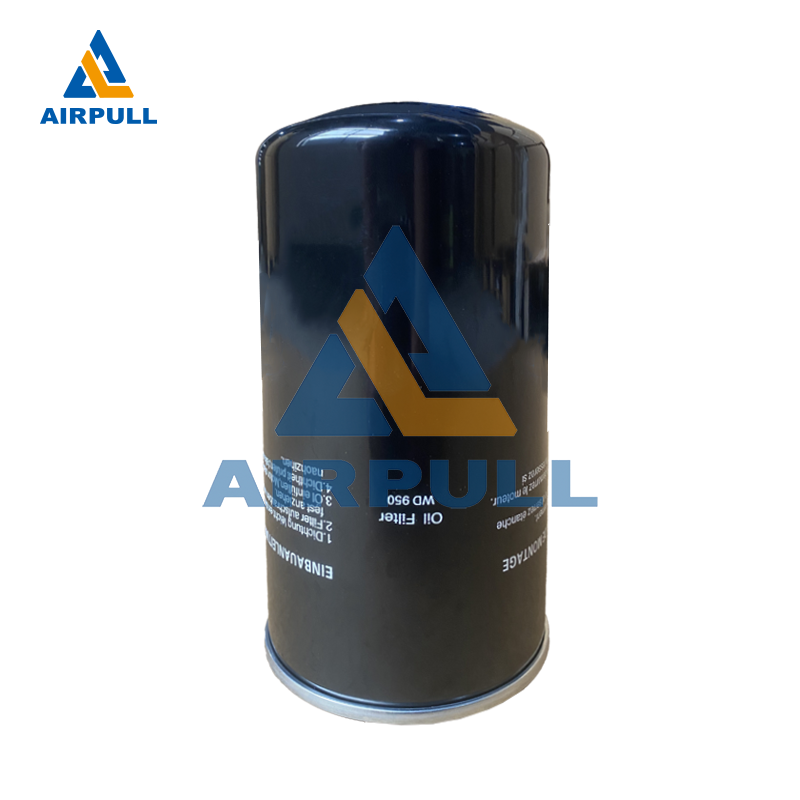
Replacing a compressor oil filter element is not a complex task, but it must be done correctly and systematically to avoid introducing contaminants into the lubrication circuit or damaging sealing surfaces. This guide walks through the full process step by step — from preparation and safety measures to installation and post-change verification — so that maintenance personnel at any level can perform the job with confidence and precision.
Understanding the Role of the Compressor Oil Filter Element
What the Filter Does Inside the System
The compressor oil filter element sits within the lubrication circuit of a rotary screw air compressor, positioned to intercept contaminants before lubricating oil reaches the bearings, rotors, and other precision components. As the compressor operates, fine metallic particles, oxidation byproducts, dust ingress, and carbon deposits accumulate in the oil. The filter element captures these particles, preventing abrasive wear on critical moving parts.
Over time, the filter media becomes saturated with contaminants and begins to restrict oil flow. This restriction increases the differential pressure across the element, which can trigger a bypass valve to open, allowing unfiltered oil to circulate through the system. At that point, the protective function of the filter is completely lost, and component damage can begin rapidly.
Understanding this mechanism helps technicians appreciate why timely replacement of the compressor oil filter element is not optional maintenance — it is protective maintenance. Every hour of operation beyond a clogged filter is an hour of accelerated component degradation.
Recommended Replacement Intervals
Most manufacturers recommend replacing the compressor oil filter element every 2,000 to 4,000 operating hours, though the actual interval depends heavily on the working environment and the type of lubricant used. In dusty, high-humidity, or chemically aggressive environments, the filter may need replacement more frequently. Premium synthetic lubricants typically extend both oil change and filter change intervals compared to mineral-based oils.
Relying solely on a time-based interval without monitoring differential pressure can be misleading. A high-quality compressor management system will log pressure differential data, giving you a more accurate picture of actual filter condition. When differential pressure across the compressor oil filter element reaches the manufacturer's upper limit — typically around 1.5 to 2.0 bar — replacement is immediately warranted regardless of hours elapsed.
Tools and Materials You Need Before Starting
Gathering the Right Replacement Parts
Before beginning any work, confirm that you have the correct replacement compressor oil filter element for your specific machine model. Using a filter with incorrect dimensions, incorrect filtration rating, or mismatched end-cap geometry can lead to oil bypass, poor sealing, or physical damage to the housing. Always cross-reference the part number on the existing element with an approved replacement specification.
A high-quality replacement compressor oil filter element should meet or exceed the OEM specification for filtration efficiency, burst pressure rating, and thermal stability. Confirm that new O-rings or sealing gaskets are included or available separately, as these should always be replaced simultaneously to prevent leaks after reassembly.
You will also need a suitable quantity of fresh compressor lubricant to top off or refill after the filter change, since some oil will drain from the filter housing during removal. Pre-fill or pre-wet the new filter element with clean lubricant before installation to reduce dry-start risk during initial restart.
Tools and Safety Equipment Required
The practical tools needed for replacing a compressor oil filter element are minimal but must be appropriate for the job. A filter strap wrench or dedicated oil filter removal tool is essential for loosening spin-on style elements. For cartridge-style elements housed inside a bowl, you may need specific socket tools to remove the filter cap without damaging threads or sealing surfaces.
Personal protective equipment should include oil-resistant gloves, safety glasses, and appropriate foot protection. Compressor lubricant can reach temperatures above 90°C during operation, so always confirm the machine has been cooled down sufficiently before removing filter components. An oil drain pan with adequate capacity should be placed beneath the filter housing to catch residual oil during removal.
Step-by-Step Process for Changing the Filter Element
Shutting Down and Preparing the Compressor
The first and most important step is a controlled shutdown of the compressor. Allow the machine to run unloaded for two to three minutes before pressing the stop button, which helps purge pressure from the system. Once stopped, switch off the main power isolator and apply a lockout/tagout device to prevent accidental restart during the maintenance procedure. This is a non-negotiable safety measure.
After de-energizing the machine, allow sufficient time for the system to cool and for residual air pressure to dissipate. Verify that the system pressure gauge reads zero before opening any oil circuit component. Attempting to remove a compressor oil filter element while the system is still pressurized can result in hot oil ejection and serious injury.
Position your oil drain pan beneath the filter housing. Some compressor models have a drain plug at the base of the filter bowl — use this to drain the majority of oil from the housing before unscrewing the filter, which significantly reduces spillage and simplifies cleanup.
Removing the Used Filter Element
For spin-on type filters, apply the filter strap wrench to the body of the old compressor oil filter element and rotate counterclockwise. The initial resistance is usually the greatest, especially if the filter has been in service for a long time or was over-tightened during the previous installation. Once broken loose, continue unscrewing by hand while keeping the drain pan in position below.
For cartridge-type elements, unscrew the filter housing cap using the appropriate tool. Carefully lift the cap away from the housing body and set it on a clean surface. The filter cartridge will either slide out with the cap or remain seated inside the bowl. Remove the used cartridge element by hand and dispose of it according to local environmental regulations, as it will contain saturated lubricant.
Inspect the sealing surfaces on both the filter housing and the mating flange or bowl threads. Any visible corrosion, scratching, or debris on these surfaces should be cleaned thoroughly before installing the new compressor oil filter element. Contaminated sealing surfaces are a common cause of post-maintenance oil leaks.
Installing the New Filter Element
Before fitting the new compressor oil filter element, lightly coat the rubber sealing ring or O-ring with clean compressor oil. This lubrication helps the seal compress evenly during tightening and reduces the risk of the ring twisting or rolling out of position. Never use grease or incompatible lubricants on filter seals, as this can cause swelling or degradation of the elastomer material.
For spin-on elements, thread the new filter onto the mounting base by hand, rotating clockwise. Once the seal makes contact with the mounting flange, tighten by an additional three-quarter turn — no more. Over-tightening a spin-on filter is one of the most common mistakes technicians make, and it can distort the sealing ring, crack the filter housing, or make future removal extremely difficult.
For cartridge-type elements, place the new cartridge into the clean filter bowl, ensuring any positioning tabs or alignment features are correctly seated. Reinstall the filter cap and tighten to the torque specification listed in the compressor service manual. Using a torque wrench for this step is strongly recommended to achieve accurate clamping force without overtightening.
Checking Oil Level and Restarting the System
After the new compressor oil filter element is installed, check the oil level in the separator tank and top up with the correct grade of compressor lubricant if necessary. Some oil will have been lost during the filter change procedure, and starting the machine with insufficient oil can cause immediate damage to the air end. Refer to the level indicator on the oil sight glass and fill to the midpoint of the recommended range.
Remove the lockout/tagout device, restore power, and start the compressor. Allow it to run at low load for the first two to three minutes while monitoring for any signs of oil leaks around the new filter. Inspect the filter sealing area carefully during this initial run period, as this is when any installation errors will manifest as visible seepage or dripping.
Once confirmed leak-free and running normally, allow the compressor to reach operating temperature. Re-check the oil level after about ten minutes of operation, as the new filter element will absorb oil during initial wetting. Log the filter change in your maintenance records, including the operating hours, part number used, and technician name.
Common Mistakes and How to Avoid Them
Installation Errors That Lead to Leaks or Failures
One of the most frequently encountered problems after a compressor oil filter element change is an oil leak at the filter seating area. This almost always traces back to one of three causes: a twisted or damaged O-ring, a dirty or corroded sealing surface, or incorrect tightening torque. Taking a few extra minutes to clean sealing surfaces and lubricate new seals before installation eliminates most of these issues entirely.
Another common mistake is installing the wrong compressor oil filter element entirely. Visually similar filters from different product families can have marginally different thread sizes, sealing ring diameters, or bypass valve settings. Always verify the part number against the compressor's service documentation, not just physical appearance. A filter that fits loosely but doesn't fully engage the thread is a catastrophic leak risk.
Neglecting Associated Components During Filter Changes
The oil filter change is an ideal opportunity to inspect related components that are accessed during the same service interval. The oil separator element, which removes residual oil droplets from compressed air, often shares the same maintenance window as the compressor oil filter element. Replacing both during the same service visit reduces total downtime and ensures the lubrication and separation systems are refreshed simultaneously.
Inspect oil hoses, connectors, and clamps in the vicinity of the filter housing for signs of cracking, softening, or abrasion. These components age in the same thermal environment as the filter and can develop leaks independently of filter condition. Addressing them while the system is already shut down and partially drained is far more efficient than scheduling separate service visits.
FAQ
How often should I replace the compressor oil filter element?
The standard recommendation for replacing a compressor oil filter element is every 2,000 to 4,000 operating hours, depending on the compressor model, operating environment, and lubricant type. However, always monitor differential pressure across the filter as the primary indicator of actual service life. If the pressure differential reaches the manufacturer's limit before the scheduled interval, replace the element immediately.
Can I reuse a compressor oil filter element after cleaning it?
No. A used compressor oil filter element should never be cleaned and reused. The filter media — typically pleated cellulose or synthetic fiber — traps contaminants deep within its structure, and these cannot be adequately removed by washing or blowing with air. Attempting to clean and reinstall a used filter risks releasing trapped particles into the oil circuit, which can cause immediate damage to bearings and precision components.
What happens if I run the compressor with a clogged compressor oil filter element?
Running a compressor with a fully clogged compressor oil filter element causes the filter bypass valve to open, routing unfiltered oil directly to the air end. This allows abrasive particles to circulate through bearings and rotor clearances, causing accelerated wear. In severe cases, this leads to bearing failure, rotor contact damage, and complete air end seizure — repairs that typically cost many times the price of a timely filter replacement.
Does oil type affect how frequently I need to change the compressor oil filter element?
Yes, lubricant type significantly influences how quickly the compressor oil filter element becomes saturated. Mineral-based oils tend to oxidize more rapidly and generate more sludge and varnish deposits, which load the filter faster. Full synthetic lubricants maintain better oxidative stability over extended intervals, allowing both the oil and the filter to serve longer between changes. Always match the filter service interval to the lubricant specification recommended by the compressor manufacturer.