EN
EN


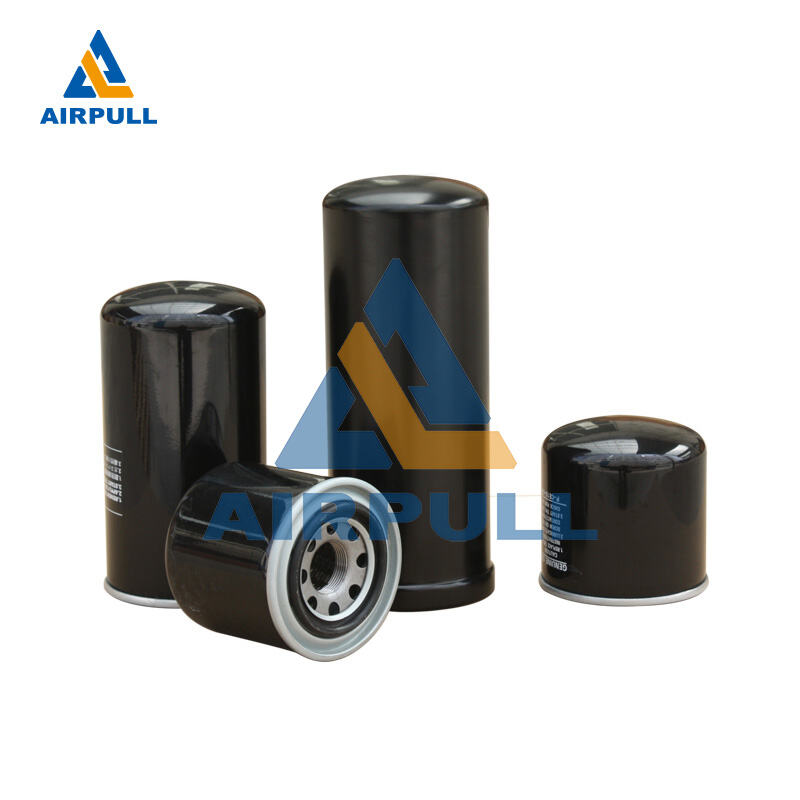
Effective compressor reliability depends heavily on disciplined compressor oil filter maintenance, because the filter is the control point that keeps abrasive particles, oxidation residue, and varnish precursors out of the lubrication circuit. If compressor oil filter maintenance is delayed or treated as a routine checkbox, bearing wear accelerates, separator loading increases, and heat rejection efficiency drops. In practical plant terms, that means unstable discharge temperatures, unplanned shutdown risk, and higher lifecycle cost per operating hour. A strong compressor oil filter maintenance program is therefore less about replacing one part and more about protecting the entire compression system.
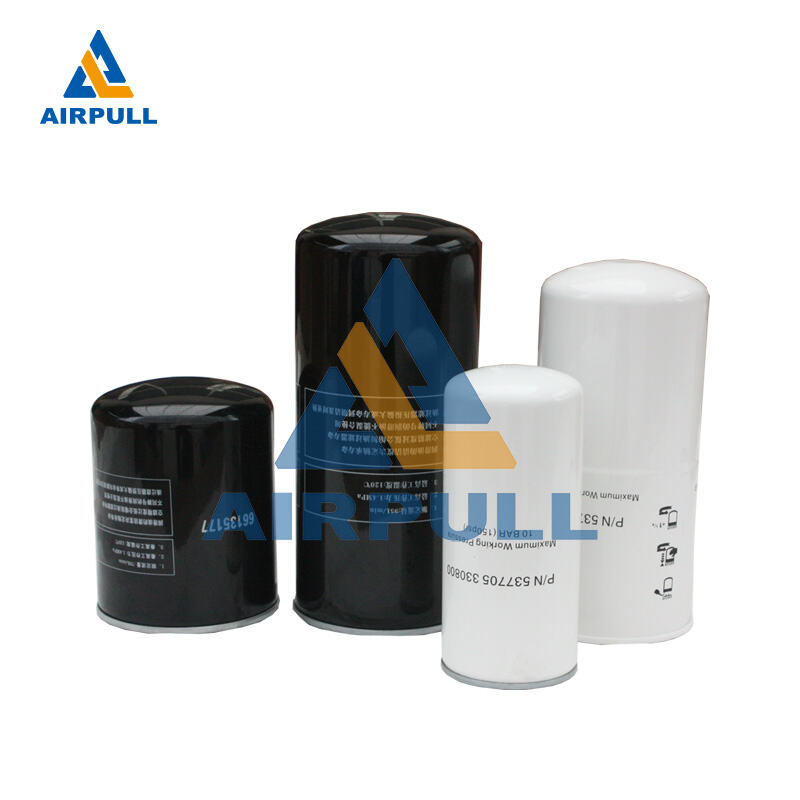
To maintain a filter correctly, technicians need a clear sequence, operating thresholds, and contamination controls that match real duty conditions. Good compressor oil filter maintenance starts with baseline data, continues with a controlled service workflow, and ends with verification after restart. This guide explains how to perform compressor oil filter maintenance step by step so each service event reduces risk instead of introducing it. The objective is repeatable compressor oil filter maintenance that supports uptime, oil life, and predictable maintenance planning.
Build a Maintenance Baseline Before Any Service
Define operating conditions and risk profile
High-quality compressor oil filter maintenance begins before tools are opened. Record average load, daily runtime, ambient dust level, inlet air quality, and historical alarm trends. These factors determine contamination rate and directly influence compressor oil filter maintenance frequency. A compressor running in hot, dusty production zones will require tighter compressor oil filter maintenance intervals than a unit in a clean utility room.
Use oil analysis history and previous filter cut-open observations to classify risk as stable, moderate, or aggressive. This classification helps align compressor oil filter maintenance with actual failure mechanisms rather than calendar-only habits. When risk is aggressive, treat compressor oil filter maintenance as a reliability control task, not a consumable swap. That shift in mindset prevents deferred work and reduces expensive secondary damage.
Set inspection intervals by duty cycle
Interval design is central to compressor oil filter maintenance. Instead of one fixed replacement interval for all machines, set an inspection cadence tied to operating hours and thermal load cycles. For example, machines with frequent start-stop behavior often need closer compressor oil filter maintenance monitoring because transient flow events can redistribute contamination. Units running continuously at stable load may support longer intervals with condition checks.
Define two layers: inspection interval and replacement trigger. Inspection supports compressor oil filter maintenance decisions using pressure differential trends, oil condition, and temperature behavior. Replacement is then executed when limits are reached, not guessed. This approach turns compressor oil filter maintenance into a measurable process and avoids both premature replacement and risky overextension.
Execute the Core Service Workflow
Isolate, drain, and remove safely
Every compressor oil filter maintenance event should follow a controlled lockout and depressurization routine. Isolate electrical and pneumatic energy sources, verify zero pressure, and allow oil temperature to fall into a safe handling window. Skipping this stage in compressor oil filter maintenance increases injury risk and raises the chance of introducing debris during rushed handling. Safety discipline and cleanliness discipline are tightly linked.
Before removal, clean the surrounding area to prevent external particles from entering open ports. During compressor oil filter maintenance, use lint-free materials and capped containers for any drained oil. Remove the old element carefully and inspect gasket seating surfaces for scratches or residue. Surface defects compromise sealing and can invalidate even well-planned compressor oil filter maintenance.
Install, prime, and restart with control
Select the correct replacement specification and confirm compatibility with oil viscosity, pressure range, and housing design. Many teams treat this as procurement detail, but it is a core part of compressor oil filter maintenance quality. Using a properly rated element supports stable flow and contamination capture across varying load points. A reliable option for planned replacement is compressor oil filter maintenance tasks where consistent fit and filtration behavior are required.
Lubricate the seal lightly with clean oil, tighten according to specification, and avoid over-torque that can deform gaskets. After installation, complete priming steps where applicable so dry-start conditions do not undermine compressor oil filter maintenance outcomes. Restart at controlled load, then monitor differential pressure, oil pressure stability, and abnormal noise. Immediate post-service checks are essential because compressor oil filter maintenance success is confirmed by operating behavior, not by installation alone.
Control Contamination and Extend Filter Life
Manage oil cleanliness at every touchpoint
The most effective compressor oil filter maintenance programs reduce contamination entry, not just contamination capture. Keep transfer containers sealed, dedicate funnels to compressor service, and store replacement elements in dry, protected packaging until use. Poor handling can negate careful compressor oil filter maintenance by introducing particulates before startup. Clean practices during routine service often deliver larger gains than changing interval numbers.
Moisture is another hidden driver that complicates compressor oil filter maintenance. Condensation encourages additive depletion and sludge development, which loads filters quickly and increases pressure drop. Control room humidity where possible and inspect cool-down behavior after shift changes. When moisture risk is high, compressor oil filter maintenance should include more frequent oil condition checks and closer pressure trend review.
Watch differential pressure and thermal stress
Differential pressure trending is a direct performance signal for compressor oil filter maintenance. Rising differential pressure over time is normal, but accelerated rise indicates contamination surge, viscosity change, or potential bypass risk. Technicians should define alert and action thresholds so compressor oil filter maintenance decisions are data-led. Waiting for a hard alarm can allow avoidable wear to progress.
Thermal stress also affects compressor oil filter maintenance outcomes. Persistent high operating temperatures oxidize oil faster, creating fine byproducts that challenge filtration efficiency. If high temperature patterns continue, root-cause correction must accompany compressor oil filter maintenance, including cooler inspection, ventilation review, and load balance evaluation. Without thermal control, filter replacement alone will not stabilize performance.
Create a Repeatable Plant Standard
Document tasks, limits, and escalation triggers
Standardized documentation makes compressor oil filter maintenance consistent across teams and shifts. Define each step clearly: pre-checks, isolation, cleanliness controls, installation torque, restart monitoring, and acceptance criteria. Include threshold values for pressure differential, oil appearance, and temperature variance so compressor oil filter maintenance decisions are objective. Written limits reduce dependence on personal habit and improve auditability.
Escalation logic is equally important in compressor oil filter maintenance. When repeated early loading occurs, technicians should trigger deeper diagnostics instead of repeating replacement cycles. Escalation may include oil sampling, internal inspection, or review of inlet filtration performance. This structure ensures compressor oil filter maintenance acts as an early warning system for broader reliability threats.
Train technicians and verify quality
Training should focus on failure modes, not only procedural steps. Teams that understand why compressor oil filter maintenance matters tend to execute with better cleanliness and tighter verification discipline. Practical coaching on seal damage, contamination pathways, and restart indicators improves first-time quality. Better execution quality means each compressor oil filter maintenance event produces measurable reliability benefit.
Quality verification closes the loop in compressor oil filter maintenance. Supervisors can review service records, compare post-maintenance pressure trends, and inspect removed filters for unusual debris signatures. This feedback refines interval planning and strengthens predictive maintenance logic. Over time, consistent verification turns compressor oil filter maintenance from reactive routine into a controlled reliability process with clear operational value.
FAQ
How often should compressor oil filter maintenance be performed in industrial operation?
Compressor oil filter maintenance should follow operating hours, environmental contamination level, and temperature profile rather than a single universal calendar. A baseline interval can be set from equipment guidance, then adjusted with differential pressure trend data and oil condition results. Facilities with heavy dust, moisture exposure, or high load variability usually require tighter compressor oil filter maintenance cycles.
Can compressor oil filter maintenance be delayed if the compressor still runs normally?
Delaying compressor oil filter maintenance because the machine appears normal is risky, since filtration degradation often develops before obvious alarms. Apparent normal operation can hide growing pressure drop, bypass behavior, and micro-wear in bearings. Planned compressor oil filter maintenance based on condition indicators is safer and generally less expensive than corrective intervention after performance decline.
What are the most common mistakes in compressor oil filter maintenance?
Frequent errors include poor area cleaning before removal, incorrect element specification, over-tightening, and limited restart monitoring. Another common issue is weak documentation that prevents trend-based compressor oil filter maintenance decisions. Correcting these gaps improves consistency, extends oil life, and reduces repeat service caused by preventable contamination or sealing defects.
How does compressor oil filter maintenance affect total operating cost?
Strong compressor oil filter maintenance lowers total cost by reducing wear-related failures, stabilizing efficiency, and minimizing unplanned downtime. It also supports better planning because service events become predictable and evidence-based. When compressor oil filter maintenance is integrated with monitoring and documentation, plants typically see fewer emergency interventions and more reliable production continuity.
Table of Contents
- Build a Maintenance Baseline Before Any Service
- Execute the Core Service Workflow
- Control Contamination and Extend Filter Life
- Create a Repeatable Plant Standard
-
FAQ
- How often should compressor oil filter maintenance be performed in industrial operation?
- Can compressor oil filter maintenance be delayed if the compressor still runs normally?
- What are the most common mistakes in compressor oil filter maintenance?
- How does compressor oil filter maintenance affect total operating cost?