EN
EN


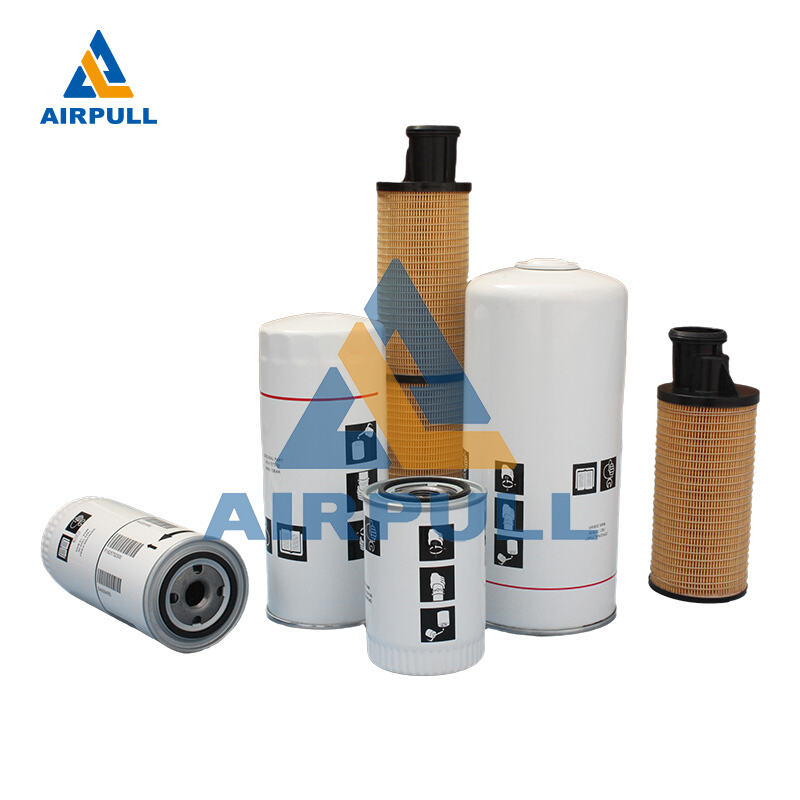
Verifying a compressor oil filter manufacturer is not a branding exercise; it is a risk-control process that protects uptime, oil cleanliness, and maintenance budgets. In industrial air systems, a weak filter source can trigger varnish buildup, pressure instability, and premature component wear, even when service intervals look correct on paper. The practical answer is to validate the maker through evidence: technical traceability, process discipline, and repeatable quality outcomes. A reliable verification method helps procurement, maintenance, and engineering teams align on facts instead of relying on price or promises.
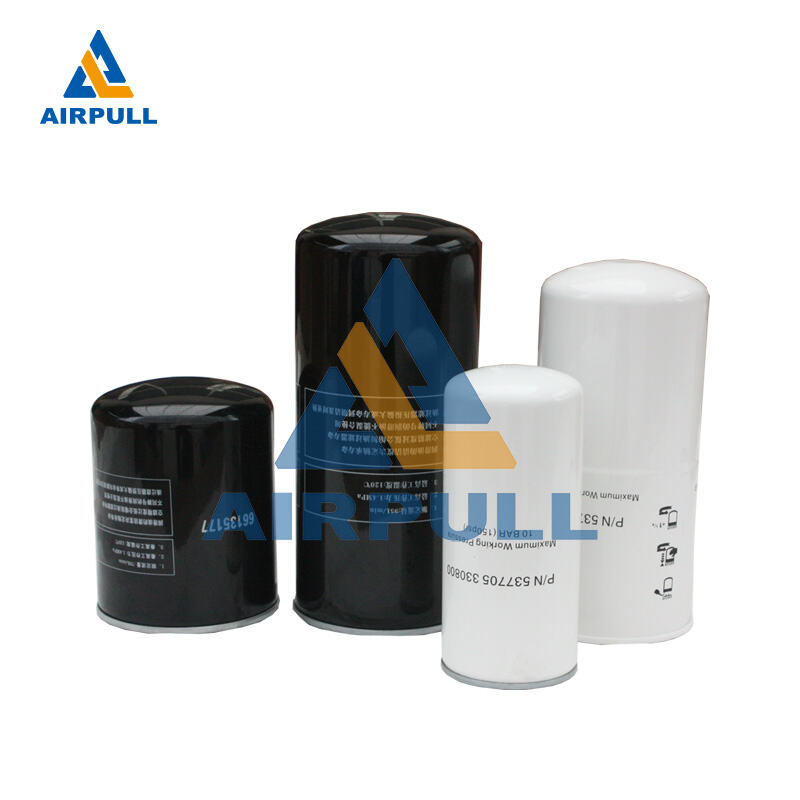
To verify a compressor oil filter manufacturer correctly, use a structured workflow: confirm legal and production identity, audit engineering capability, check quality controls, validate test data, and run controlled field trials. This sequence gives you decision-grade confidence before long-term supply commitments. It also reveals whether a compressor oil filter manufacturer can support your operating conditions over time, not only deliver acceptable parts in a single batch. In B2B environments where downtime is expensive, disciplined verification is the fastest route to dependable sourcing.
Build a Verification Baseline Before Technical Review
Confirm legal identity and manufacturing scope
Start by confirming that the compressor oil filter manufacturer you are reviewing is the actual production entity, not only a trading office. Legal registration records, tax information, and factory address consistency should match across all formal documents. Ask for declared production scope to confirm the company really manufactures oil filter elements and related compressor filtration parts. This first check prevents a common procurement mistake: evaluating a seller while assuming it is the same as the real compressor oil filter manufacturer.
A mature compressor oil filter manufacturer can also provide clear process ownership from incoming materials through final inspection. You should see documented responsibility by function, including engineering, quality, and lot release authority. If organizational ownership is vague, escalation handling during failures becomes slow and unclear. Verification at this stage reduces contract risk before deeper technical effort begins.
Review product traceability and document discipline
Traceability is a defining signal of a dependable compressor oil filter manufacturer. Each filter lot should be linked to material batches, production dates, operator records, and inspection results. This linkage allows root-cause analysis when pressure drop or contamination issues appear in the field. Without complete traceability, even a cooperative compressor oil filter manufacturer cannot investigate failures efficiently.
Document discipline matters as much as physical production. Controlled drawings, revision history, and approved process parameters should be available and current. During verification, ask for examples showing how engineering changes are released and communicated to production. A serious compressor oil filter manufacturer treats document control as a quality system backbone, not as administrative overhead.
Validate Engineering Capability and Product Fit
Check media design, structural integrity, and compatibility logic
A competent compressor oil filter manufacturer should explain media selection logic in relation to oil viscosity, contaminant profile, and expected differential pressure window. You are not only buying a part number; you are buying filtration behavior under dynamic load. Request clear rationale for media grade, pleat geometry, end-cap bonding, and seal material compatibility. If the compressor oil filter manufacturer cannot connect design choices to compressor operating realities, long-term performance risk increases.
Structural reliability is another core checkpoint when assessing any compressor oil filter manufacturer. Confirm burst strength margin, collapse resistance, and adhesive thermal stability against your actual operating envelope. Evaluate how the maker handles vibration and pulsation stress common in industrial compressor rooms. A technically sound compressor oil filter manufacturer will present design verification data instead of generic statements.
Assess application engineering support for your use case
Verification should include how well the compressor oil filter manufacturer supports site-specific application mapping. Ask whether the team reviews compressor model, duty cycle, ambient conditions, and maintenance rhythm before confirming filter selection. This step helps avoid mismatch between catalog equivalence and field requirements. An experienced compressor oil filter manufacturer usually provides pre-order technical checks that reduce commissioning surprises.
Look for responsiveness in technical communication quality, not just response speed. Good support includes clear tolerances, installation cautions, and service-life influencing factors. One practical reference point is the technical context around this compressor oil filter manufacturer product page, where application relevance is central to procurement decisions. The right compressor oil filter manufacturer treats engineering dialogue as part of product value.
Audit Process Control and Quality Assurance in Production
Inspect incoming material control and in-process checkpoints
Process credibility is where many sourcing decisions are won or lost for a compressor oil filter manufacturer. Incoming material inspection should include media integrity checks, adhesive validation, and seal component verification before release to production. Ask how nonconforming materials are quarantined and how disposition decisions are documented. A disciplined compressor oil filter manufacturer prevents defects early rather than sorting them at final inspection.
In-process controls should be measurable and consistent across shifts. Confirm whether pleat spacing, bond curing conditions, and dimensional tolerances are tracked with defined acceptance criteria. Rework policy is another critical indicator of control maturity inside a compressor oil filter manufacturer. Stable in-process governance is often the strongest predictor of batch-to-batch consistency.
Verify final inspection, lot release, and nonconformance handling
Final quality gates should cover visual integrity, dimensional accuracy, sealing performance, and relevant pressure behavior indicators. Ask the compressor oil filter manufacturer to show how lot release is approved and who has authority to stop shipment. You should also verify retention policy for records and samples, because delayed field issues are common in industrial maintenance cycles. A reliable compressor oil filter manufacturer can reconstruct quality history quickly when required.
Nonconformance management separates reactive suppliers from controlled manufacturers. Review how the compressor oil filter manufacturer performs root-cause analysis, corrective actions, and effectiveness verification. Evidence should show closed-loop improvement rather than repeated issue recurrence under new lot numbers. This is a decisive trust signal when qualifying any compressor oil filter manufacturer for ongoing contracts.
Prove Performance with Data and Controlled Field Validation
Request meaningful test evidence tied to operating conditions
A trustworthy compressor oil filter manufacturer provides test evidence that reflects real compressor service conditions, not abstract lab claims. Ask for pressure drop behavior across flow ranges, particle retention trends, and structural durability data under temperature variation. Review the test method context so your team can interpret relevance, repeatability, and boundary limits. Verification is stronger when the compressor oil filter manufacturer can explain both strengths and operating constraints clearly.
Data quality also depends on how consistently tests are run and recorded. Confirm sample size logic, acceptance bands, and treatment of outliers. A transparent compressor oil filter manufacturer will provide enough detail for engineering review without overloading your team with irrelevant paperwork. Good data practice allows better life-cycle cost forecasting and fewer emergency replacements.
Run pilot lots and monitor field KPIs before scale-up
Before full approval, use pilot procurement from the compressor oil filter manufacturer and track clear KPIs in operation. Monitor differential pressure trend, oil cleanliness pattern, service interval stability, and any anomaly in compressor behavior. Keep installation and maintenance variables controlled so results reflect filter performance, not procedural noise. This stage confirms whether the compressor oil filter manufacturer performs reliably in your environment, not only in documented tests.
After pilot completion, hold a technical closeout with procurement, maintenance, and reliability teams. Compare findings against baseline expectations and quality commitments from the compressor oil filter manufacturer. Approve scale-up only when evidence supports repeatable outcomes and acceptable risk. This final gate turns verification from a paperwork exercise into a practical sourcing decision.
FAQ
How long does it usually take to verify a compressor oil filter manufacturer?
For most industrial buyers, verification of a compressor oil filter manufacturer takes several weeks when done properly. Time depends on document readiness, technical review depth, and field pilot duration. Fast decisions are possible for urgent supply, but skipping traceability or pilot evidence increases operational risk. A phased approval model helps balance urgency and control.
What is the biggest mistake when choosing a compressor oil filter manufacturer?
The biggest mistake is treating price as the primary filter while assuming all technical performance is equivalent. A compressor oil filter manufacturer should be judged by process stability, engineering clarity, and verifiable quality records. Cost savings disappear quickly when inconsistent filtration drives unplanned downtime or shorter maintenance intervals. Evidence-based selection protects both budget and reliability.
Can one successful trial batch fully qualify a compressor oil filter manufacturer?
One good batch is useful but not enough to fully qualify a compressor oil filter manufacturer. You still need repeatability checks across multiple lots and clear nonconformance response capability. Long-term confidence comes from consistent quality behavior, not isolated success. Qualification should always combine documents, process audit findings, test data, and controlled field results.
Which teams should be involved in verifying a compressor oil filter manufacturer?
Verification works best when procurement, maintenance, reliability engineering, and quality functions review the same evidence together. Each team sees different risk signals from a compressor oil filter manufacturer, and cross-functional alignment prevents one-sided decisions. Procurement validates supply discipline, while engineering and maintenance validate operational fit. This shared approach shortens approval cycles and improves decision confidence.
Table of Contents
- Build a Verification Baseline Before Technical Review
- Validate Engineering Capability and Product Fit
- Audit Process Control and Quality Assurance in Production
- Prove Performance with Data and Controlled Field Validation
-
FAQ
- How long does it usually take to verify a compressor oil filter manufacturer?
- What is the biggest mistake when choosing a compressor oil filter manufacturer?
- Can one successful trial batch fully qualify a compressor oil filter manufacturer?
- Which teams should be involved in verifying a compressor oil filter manufacturer?