EN
EN



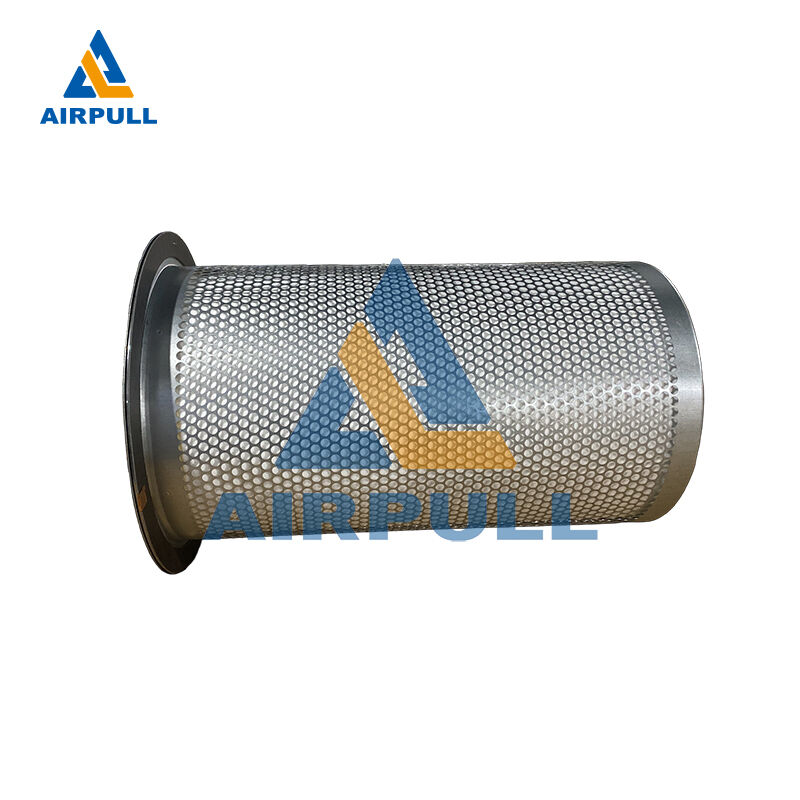
Replacing a screw compressor oil filter is not just routine maintenance; it is a precision task that protects compression efficiency, lubricant quality, and downstream air purity. In most industrial systems, the air oil separator filter for screw compressor works under high thermal and pressure stress, so replacement quality directly affects pressure drop, oil carryover, and machine stability. This guide explains the full workflow in practical, plant-floor language so maintenance teams can perform each step correctly, reduce avoidable shutdowns, and extend service life for both the filter and the compressor package.
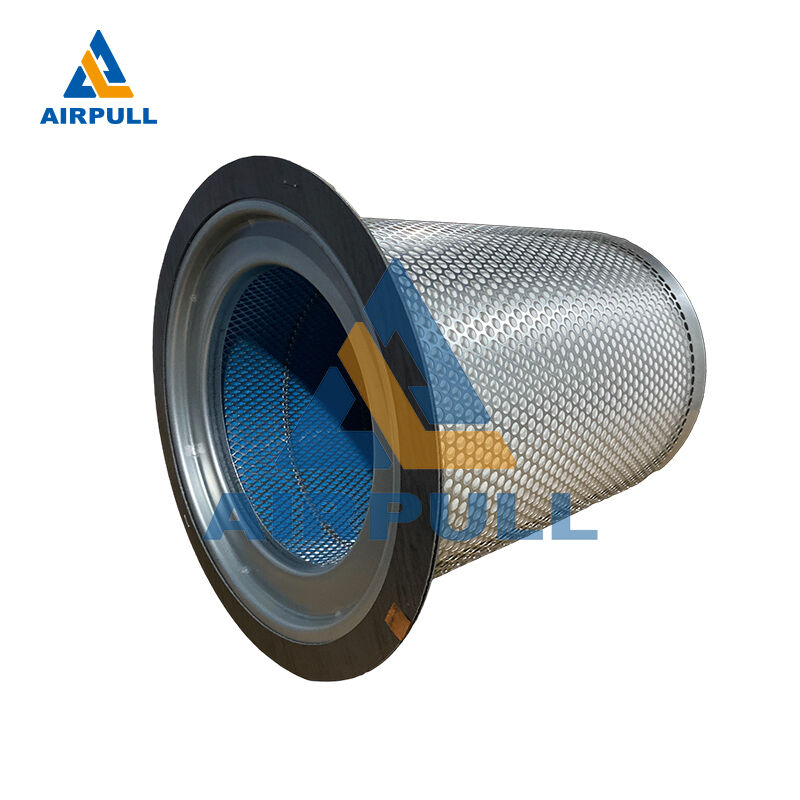
The key to a successful replacement is understanding sequence and control points before opening the unit. A new air oil separator filter for screw compressor can fail early when installation is rushed, sealing surfaces are contaminated, or restart checks are skipped. By following a clear process, you can replace the air oil separator filter for screw compressor safely, confirm correct seating, verify pressure behavior after startup, and prevent common mistakes that cause repeat maintenance.
Prepare the Compressor and Work Area for Controlled Replacement
Confirm shutdown condition and isolate energy sources
Begin with a planned shutdown window and confirm the compressor is off under normal control logic, not emergency stop only. Lockout and tagout all relevant energy sources, then verify zero-energy state according to site procedure. Before touching the vessel, inspect current operating logs to check whether the existing air oil separator filter for screw compressor showed unusual differential pressure trends. This baseline helps validate whether replacement timing is routine or related to another system issue.
Allow pressure and temperature to normalize fully before opening any housing or service port. Residual pressure can release forcefully and oil at elevated temperature can cause injury or contamination. A safe, depressurized unit also prevents damage to gaskets when removing the old air oil separator filter for screw compressor. Never accelerate this stage, because most replacement incidents happen before the actual filter swap begins.
Gather correct parts, seals, and cleaning materials
Prepare the replacement element, matching O-rings, and any recommended sealing components for your compressor model. Even when dimensions look similar, an incorrect air oil separator filter for screw compressor can alter flow path behavior and compromise separation performance. Keep lint-free cloths, approved cleaning fluid, and torque-capable tools ready near the work area. This reduces interruptions and lowers the chance of contamination during open-equipment handling.
Check packaging and handling condition before installation. A damaged air oil separator filter for screw compressor should never be installed, even if damage appears cosmetic. End-cap deformation or media compression can raise pressure drop early in service. Document part code, batch information, and replacement date so future troubleshooting can connect maintenance records with operating performance.
Remove the Old Filter Without Introducing Contamination
Open the separator section in a clean and methodical sequence
After confirming zero pressure, remove fasteners in a controlled cross pattern to avoid cover distortion. Keep removed hardware organized and protected from dirt. As the housing opens, prevent debris from entering the vessel where the air oil separator filter for screw compressor sits. Any contamination left inside can travel into the lubricant circuit and reduce the benefit of installing a new element.
Observe the condition of the old element before lifting it out. Oil saturation pattern, discoloration, and seal deformation can reveal overtemperature episodes, oil oxidation, or bypass events. This visual check often explains why the previous air oil separator filter for screw compressor reached end-of-life sooner than expected. Capture photos for maintenance history if your reliability program supports failure pattern analysis.
Inspect sealing surfaces, internals, and oil condition
Once the old air oil separator filter for screw compressor is removed, inspect the seating face and vessel interior carefully. Look for hardened gasket residue, scoring, sludge deposits, or corrosion marks that could prevent full seal contact. Clean all mating surfaces with approved methods and keep wiping direction consistent so debris is pulled away, not pushed inward. Avoid abrasive techniques that can create microscopic leaks around the new seal.
Evaluate oil quality at this stage because filter replacement and lubricant condition are tightly linked. If the oil shows heavy varnish, burnt odor, or unusual color, replacing only the air oil separator filter for screw compressor may not restore expected performance. In that case, include oil circuit checks and consider broader service actions to avoid loading the new element with unstable contaminants immediately after startup.
Install the New Filter Correctly and Protect Seal Integrity
Seat the new element with proper alignment and sealing practice
Before installation, confirm the new air oil separator filter for screw compressor matches specification, connection style, and dimensional tolerance. Lightly lubricate sealing surfaces only when recommended, then position the element squarely to avoid twisting the gasket. Uneven seating is a common cause of early leakage and carryover. The objective is uniform compression and stable contact around the entire perimeter.
During placement, avoid touching filter media surfaces with contaminated gloves. A clean installation protects the internal path where the air oil separator filter for screw compressor performs coalescence and separation. Replace all associated O-rings with new components from the same service kit where possible. Reusing aged seals can undermine even a perfectly selected filter element.
Close the housing with controlled torque and sequence
Reinstall covers and fasteners using a progressive cross-tightening method to maintain even load distribution. Where torque values are provided, apply calibrated torque tools rather than estimating by feel. Proper clamping supports stable operation of the air oil separator filter for screw compressor under pressure cycles. Over-tightening can deform housings, while under-tightening can create micro-leaks that only appear at load.
At this stage, verify that no tools, cloth fibers, or foreign material remain inside the service zone. A final cleanliness check is essential because startup flow can pull debris directly toward the new air oil separator filter for screw compressor. Good closure discipline reduces immediate post-maintenance faults and helps achieve predictable filter life from day one.
Commission the Compressor and Validate Replacement Quality
Start in controlled mode and monitor early operating signals
Restart the compressor according to standard commissioning steps and keep initial loading gradual when possible. Watch pressure, temperature, and differential behavior closely during the first run period. A correctly installed air oil separator filter for screw compressor should show stable trends without abrupt pressure rise or unusual carryover indications. Early monitoring is where installation quality is proven in real operating conditions.
Inspect all service joints externally for seepage once the unit reaches normal temperature. Some sealing issues appear only after thermal expansion. If any leak is detected, stop and correct immediately rather than continuing operation. Running with a compromised air oil separator filter for screw compressor can contaminate downstream equipment and accelerate oil degradation.
Record maintenance data and optimize next replacement interval
Document operating hours, observed differential pressure, oil condition notes, and restart behavior in your maintenance system. These records help refine replacement intervals for the air oil separator filter for screw compressor based on real plant duty rather than fixed calendar assumptions. In variable-load environments, data-based timing is usually more reliable than generic schedules. It also supports better spare planning and fewer urgent interventions.
For teams sourcing replacement parts, verify specification fit and traceability before stocking. One useful reference point for procurement and technical review is air oil separator filter for screw compressor documentation that includes application-relevant product details. The practical value is consistency: matching design intent each cycle reduces variability in pressure drop and oil carryover outcomes.
Finally, connect filter replacement quality with broader reliability practices. The air oil separator filter for screw compressor performs best when cooling performance, oil cleanliness, and duty cycle are managed together. When those conditions are controlled, service intervals become more predictable and shutdown planning becomes less disruptive to production commitments.
FAQ
How often should an air oil separator filter for screw compressor be replaced?
Replacement interval depends on operating temperature, oil quality, ambient contamination, and load profile rather than a single universal hour value. Many facilities combine runtime targets with differential pressure trends to decide timing. If the compressor runs hot or in dusty conditions, the air oil separator filter for screw compressor can reach replacement threshold earlier. A condition-based approach usually gives better reliability than calendar-only maintenance.
Can I replace only the filter element and keep old seals?
Keeping old seals increases leakage risk and can undermine the new installation quickly. A new air oil separator filter for screw compressor should be paired with compatible new sealing components to ensure proper compression and joint integrity. Aged O-rings often harden from thermal cycling and may not recover shape after reopening. Replacing seals at the same time is a low-cost step with high reliability impact.
What signs indicate incorrect installation after startup?
Common signs include abnormal pressure behavior, visible oil mist carryover, unexplained oil consumption, and seepage around service joints. These symptoms suggest the air oil separator filter for screw compressor may be misaligned, inadequately sealed, or exposed to contamination during installation. Immediate shutdown and inspection are recommended to prevent secondary damage. Fast correction protects both compressor internals and downstream air systems.
Does oil condition affect the life of an air oil separator filter for screw compressor?
Yes, oil condition is one of the strongest life drivers for the air oil separator filter for screw compressor. Oxidized or contaminated oil can load the media faster, increase pressure drop, and reduce separation efficiency. Maintaining oil health through proper cooling, filtration, and timely oil service supports stable filter performance. When oil quality is controlled, filter life and compressor efficiency are usually more consistent.