
 EN
EN


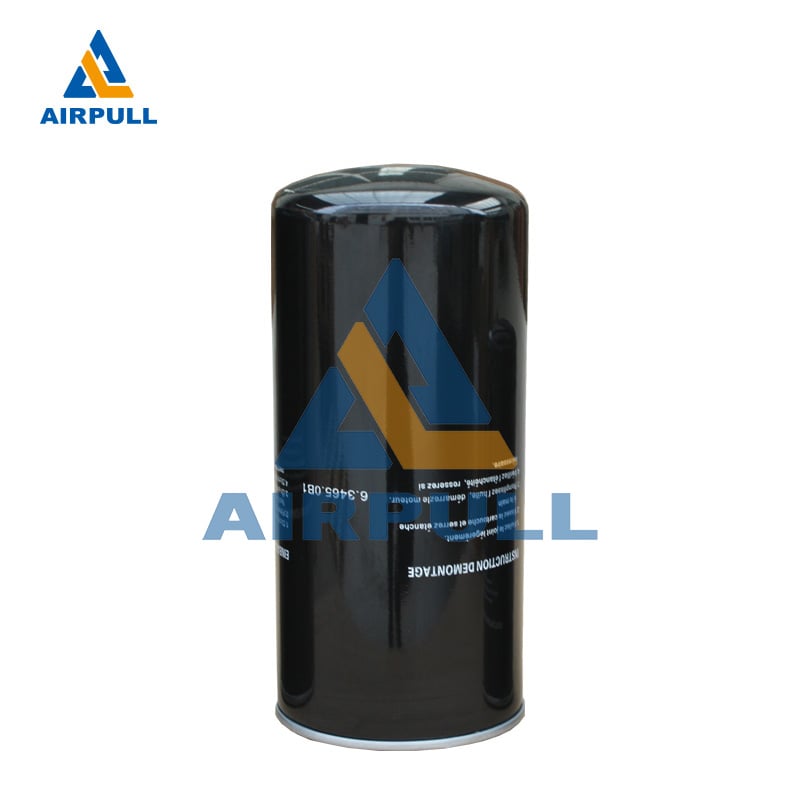
In industrial operations, maintaining clean oil flow is not optional — it is a fundamental requirement for equipment longevity and process reliability. The lubricating oil filter filter element is the core component responsible for removing contaminants from oil circuits, preventing particle-induced wear, and sustaining consistent lubrication across rotating and reciprocating machinery. Without a properly functioning lubricating oil filter filter element, even the highest-grade lubricating oil will degrade rapidly under operational stress.

Choosing the right lubricating oil filter filter element for your specific industry application directly impacts maintenance intervals, equipment uptime, and total cost of ownership. This article explores what makes a lubricating oil filter filter element effective, how to identify the right specification for industrial use, and what factors separate a high-performance lubricating oil filter filter element from an inferior substitute. Whether you manage compressors, hydraulic systems, or large-scale industrial engines, understanding the lubricating oil filter filter element is essential to your maintenance strategy.
What a Lubricating Oil Filter Filter Element Actually Does
Filtration Mechanism and Contaminant Removal
A lubricating oil filter filter element works by forcing oil through a porous filtration media that traps solid particles, metallic debris, oxidation byproducts, and other contaminants. The media construction of a lubricating oil filter filter element typically combines cellulose fibers, synthetic glass fibers, or multi-layer composite materials, each offering different efficiency ratings. The efficiency of a lubricating oil filter filter element is measured in micron rating, which defines the smallest particle size the element can reliably capture. A lubricating oil filter filter element with a lower micron rating delivers finer filtration but must be balanced against flow resistance to avoid pressure drop issues.
Role in System Pressure and Oil Viscosity Control
Beyond particle removal, a lubricating oil filter filter element plays a passive role in maintaining oil pressure stability. When a lubricating oil filter filter element becomes clogged with accumulated debris, differential pressure across the element increases, which can trigger bypass valves and allow unfiltered oil to circulate. This scenario is precisely why scheduled replacement of the lubricating oil filter filter element is critical. A clean lubricating oil filter filter element maintains the designed pressure differential and ensures oil viscosity characteristics remain within specification throughout the oil circuit.
Key Performance Criteria for Industrial Applications
Filtration Efficiency and Beta Ratio Standards
Industrial environments demand that a lubricating oil filter filter element meet recognized efficiency benchmarks, often expressed through the beta ratio derived from multi-pass testing protocols. A higher beta ratio at a given micron level indicates that the lubricating oil filter filter element captures a greater proportion of particles at that size. For compressor systems, turbines, and gearboxes, selecting a lubricating oil filter filter element with the appropriate beta ratio prevents accelerated bearing wear and extends component service intervals. The right lubricating oil filter filter element specification depends on system cleanliness targets defined by the equipment manufacturer.
Structural Integrity Under Pressure and Temperature
A lubricating oil filter filter element used in demanding industrial settings must resist collapse under elevated differential pressure and maintain media integrity at high operating temperatures. Premium lubricating oil filter filter element designs incorporate reinforced end caps, sturdy inner cores, and bonded media packs that resist deformation. When a lubricating oil filter filter element fails structurally, unfiltered oil bypasses the media entirely, negating all filtration benefit and potentially introducing debris into critical machine components. Specifying a lubricating oil filter filter element rated for your system's peak pressure and temperature is non-negotiable in heavy industrial contexts.
Compatibility With Oil Types and Additive Packages
Not every lubricating oil filter filter element is chemically compatible with all lubricant formulations. Synthetic oils, ester-based fluids, and oils with aggressive additive packages can degrade certain filter media materials over time. Selecting a lubricating oil filter filter element explicitly validated for use with your lubricant type ensures that the media does not shed fibers, swell, or chemically interact with the oil. This compatibility verification is especially important when upgrading to a synthetic lubricant without simultaneously reviewing whether the existing lubricating oil filter filter element specification remains appropriate.
Selecting the Right Lubricating Oil Filter Filter Element for Your Industry
Matching Element Specifications to Equipment Requirements
Every industrial machine has defined oil cleanliness targets, and the lubricating oil filter filter element selection must align with those targets. Compressor manufacturers typically specify a lubricating oil filter filter element with defined flow rates, collapse pressure ratings, and micron efficiency levels. Using an undersized or incompatible lubricating oil filter filter element risks voiding equipment warranties and accelerating wear on bearings, seals, and valve assemblies. Cross-referencing OEM part numbers and verifying third-party lubricating oil filter filter element equivalence through documented testing data is the safest approach for procurement teams.
Replacement Intervals and Condition-Based Monitoring
A lubricating oil filter filter element should be replaced based on a combination of time-based schedules and condition indicators such as differential pressure readings. Many industrial systems include differential pressure gauges or sensors that signal when a lubricating oil filter filter element has reached its loading capacity. Waiting beyond this threshold risks forced bypass and contamination of the oil system. In environments with high dust loads or rapid oil contamination, the lubricating oil filter filter element may require replacement more frequently than the standard maintenance interval suggests. Tracking lubricating oil filter filter element service life against actual operating conditions prevents costly unplanned downtime.
FAQ
How often should a lubricating oil filter filter element be replaced in industrial compressors?
The replacement interval for a lubricating oil filter filter element in industrial compressors typically ranges from 1,000 to 2,000 operating hours, depending on operating environment and lubricant condition. However, differential pressure monitoring is a more reliable indicator. When the pressure differential across the lubricating oil filter filter element exceeds the manufacturer's specified limit, replacement should occur immediately regardless of elapsed hours.
What happens if an incorrect lubricating oil filter filter element is installed?
Installing an incorrect lubricating oil filter filter element can lead to insufficient filtration efficiency, premature clogging, structural failure under system pressure, or chemical incompatibility with the lubricant. Each of these outcomes exposes internal machine components to contaminated oil. Always verify that the replacement lubricating oil filter filter element matches the OEM specification or has been tested to equivalent performance standards before installation.
Can a lubricating oil filter filter element be cleaned and reused in industrial settings?
Most industrial lubricating oil filter filter element designs are intended for single use and should not be cleaned or reused. Attempting to clean a used lubricating oil filter filter element risks damaging the filtration media, compromising the seal integrity, and reintroducing concentrated contaminants into the system. Reusable filter elements exist in some specialized applications, but they require specific media construction and validated cleaning procedures. Always consult the manufacturer's guidance before attempting to service a lubricating oil filter filter element beyond its designed service life.
