
 EN
EN


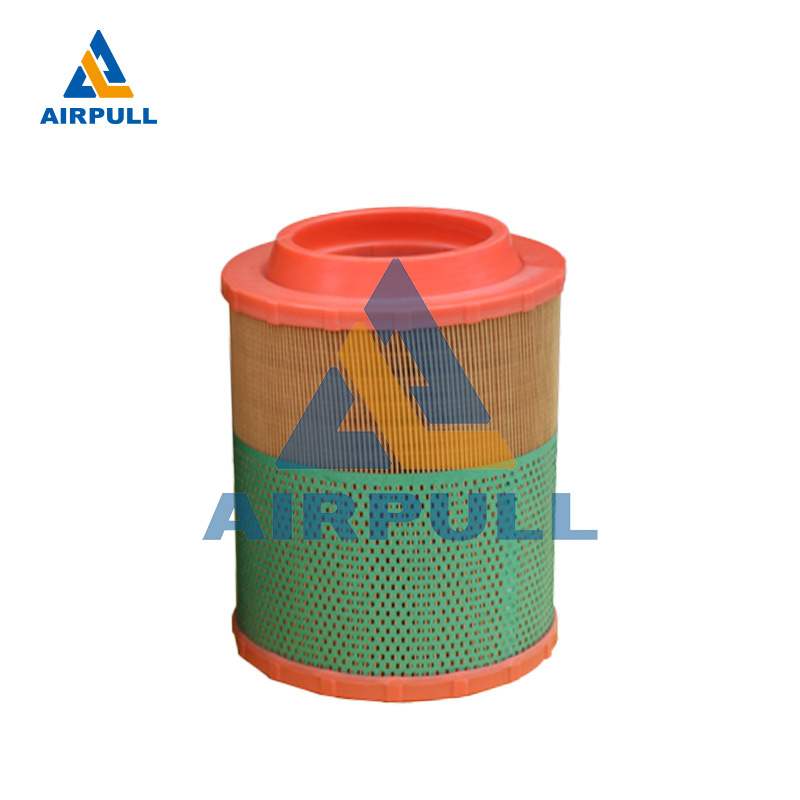
When purchasing industrial filtration equipment, the tension between cost and quality is one of the most persistent challenges plant managers and procurement teams face. Industrial filtration equipment represents a critical investment in operational continuity, worker safety, and environmental compliance. Choosing based solely on upfront price often leads to higher total costs, more frequent failures, and compromised process outcomes. Understanding how cost and quality interact is essential for making smarter purchasing decisions.

Industrial filtration equipment comes in many forms, including air filters, liquid filters, dust collectors, and self-cleaning filtration systems. Each type serves a specific function within manufacturing, energy, food processing, pharmaceutical, and heavy industrial environments. The cost of industrial filtration equipment varies significantly depending on materials, filtration efficiency ratings, design complexity, and service life expectations. Quality, by contrast, determines how well the equipment performs under real operating conditions, how long it lasts, and how much maintenance it demands over time.
The Real Cost of Industrial Filtration Equipment
Upfront Price vs. Total Cost of Ownership
The purchase price of industrial filtration equipment is just one component of total cost. Facility operators who focus only on acquisition cost frequently encounter higher expenses in replacement filters, unplanned downtime, labor for maintenance, and energy consumption. Industrial filtration equipment with poor filtration efficiency forces systems to work harder, increasing energy bills and reducing the lifespan of downstream machinery. A unit that costs thirty percent less at purchase may cost significantly more within two years of operation.
Total cost of ownership for industrial filtration equipment includes installation, routine maintenance, consumable replacement cycles, energy draw, and eventual disposal or system upgrades. High-quality industrial filtration equipment typically delivers lower cost-per-operating-hour over its service life. When procurement teams evaluate industrial filtration equipment using lifecycle cost models rather than initial price alone, the value of quality becomes far more quantifiable and defensible to budget stakeholders.
Hidden Costs That Erode Savings
Low-cost industrial filtration equipment often conceals several hidden expenses that emerge during operation. Frequent filter replacements, accelerated corrosion in harsh environments, and substandard sealing components are common issues. Industrial filtration equipment that fails to meet rated filtration efficiency allows contaminants to pass through, potentially damaging sensitive equipment or triggering regulatory violations. Compliance failures in regulated industries can result in production shutdowns and substantial fines that far exceed any initial savings from choosing cheaper industrial filtration equipment.
Quality Indicators in Industrial Filtration Equipment
Materials, Ratings, and Build Standards
Quality in industrial filtration equipment is reflected through several measurable attributes. Filter media quality determines how effectively particles are captured across different size ranges. Industrial filtration equipment rated to recognized standards, such as ISO filtration classifications or MERV ratings for air filtration, gives buyers a verified benchmark for comparing performance across products. Housing materials and weld quality affect resistance to pressure, temperature, and chemical exposure, all of which directly influence how long the industrial filtration equipment remains functional in demanding conditions.
High-quality industrial filtration equipment typically incorporates robust sealing mechanisms to prevent bypass leakage, pressure gauges or differential pressure indicators for maintenance scheduling, and modular designs that allow component replacement without replacing the entire system. These design features reduce long-term operational costs and make industrial filtration equipment easier to maintain. Industrial filtration equipment that supports predictive maintenance practices gives facilities a measurable advantage in uptime and process consistency.
Performance Under Real Operating Conditions
The true measure of industrial filtration equipment quality is how it performs under actual plant conditions rather than controlled test environments. Industrial filtration equipment must handle variable flow rates, temperature fluctuations, humidity, and the specific contaminant profiles of each application. Equipment that is only optimized for ideal conditions degrades rapidly in real-world industrial environments. Selecting industrial filtration equipment with conservative performance margins relative to your actual operating parameters is a reliable quality strategy that protects both equipment and processes.
Making the Right Cost-Quality Decision
Defining Acceptable Quality Thresholds
Not every application demands the highest-tier industrial filtration equipment available. The right quality threshold depends on the criticality of the process, the regulatory environment, the acceptable maintenance frequency, and the consequences of filtration failure. For mission-critical applications such as pharmaceutical production, semiconductor manufacturing, or gas turbine inlet systems, industrial filtration equipment quality should take clear precedence over initial cost. For lower-criticality utility applications, mid-tier industrial filtration equipment with verified performance ratings may represent the most rational economic choice.
Defining minimum acceptable performance standards before evaluating industrial filtration equipment prevents quality drift during procurement. When specifications are clearly documented, procurement teams can objectively compare industrial filtration equipment options without being swayed by price alone. Industrial filtration equipment that meets defined minimum standards at a lower price point is genuinely cost-effective, while industrial filtration equipment that only appears cheaper by sacrificing key performance criteria is a false economy.
Partnering with Reliable Suppliers
The supplier relationship is an often-overlooked dimension of the cost-quality equation for industrial filtration equipment. Reliable suppliers provide verified technical documentation, responsive after-sales support, and consistent product quality across production batches. Industrial filtration equipment sourced from suppliers with strong engineering support enables facilities to optimize their systems over time. In contrast, sourcing industrial filtration equipment from purely price-driven channels often results in inconsistent quality, limited technical support, and difficulty obtaining compatible replacement components when the original product line changes.
FAQ
Why does higher-quality industrial filtration equipment justify a greater upfront investment?
Higher-quality industrial filtration equipment delivers lower total cost of ownership through extended service life, reduced maintenance frequency, better energy efficiency, and fewer process disruptions. The upfront premium is typically recovered within the first operating cycle through measurable savings in replacement parts, labor, and downtime avoidance. For critical industrial processes, industrial filtration equipment quality also reduces compliance risk, which carries financial and operational consequences far exceeding any initial price difference.
How can I compare industrial filtration equipment quality across different suppliers?
Comparing industrial filtration equipment quality requires reviewing third-party performance test data, filtration efficiency ratings, material specifications, pressure drop characteristics, and warranty terms. Request documentation aligned with recognized standards so you can make objective comparisons. Evaluating industrial filtration equipment based on verified specifications rather than marketing claims ensures your selection is grounded in measurable performance rather than assumptions.
What are the most common mistakes when buying industrial filtration equipment on a tight budget?
The most common mistake is prioritizing acquisition price while ignoring total cost of ownership. Buyers of industrial filtration equipment who focus on the lowest upfront cost frequently overlook replacement filter costs, energy consumption increases, and accelerated wear on downstream equipment. Another frequent error is selecting industrial filtration equipment without verifying that its rated performance matches the actual operating conditions of the facility, which leads to underperformance, early failure, and unplanned capital expenditure well above the original budget savings.
