EN
EN


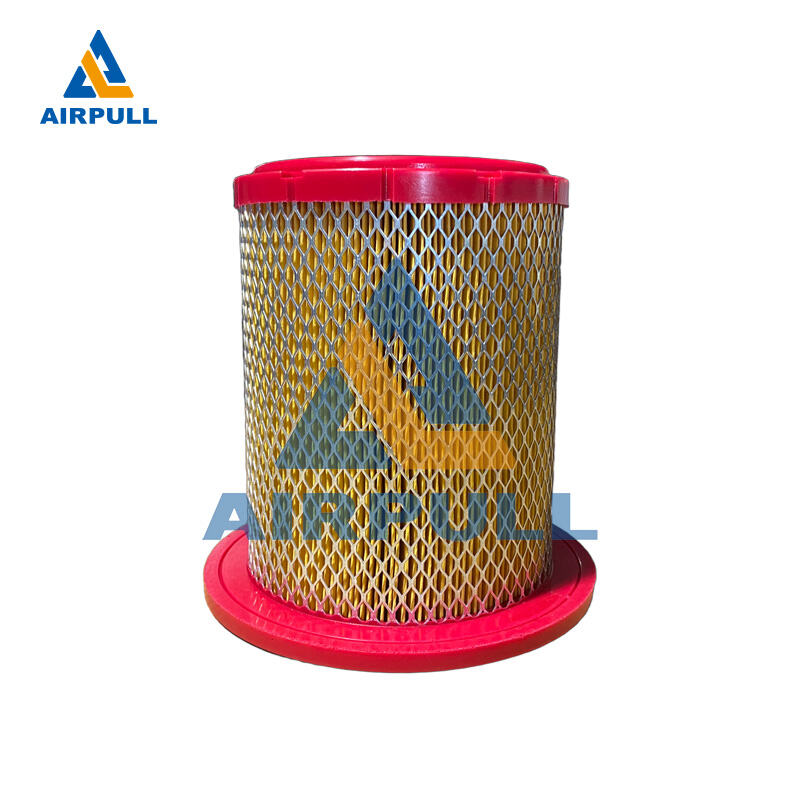
Selecting the best high efficiency self cleaning air filter is not about finding a single universal model. In industrial operations, the best high efficiency self cleaning air filter is the one that matches dust characteristics, airflow demand, cleaning logic, and maintenance capacity without creating hidden operating costs. Buyers often focus on rated filtration numbers first, but long-term value comes from fit-to-process performance. A high efficiency self cleaning air filter should protect downstream equipment, stabilize production quality, and reduce unplanned shutdowns under real working conditions.
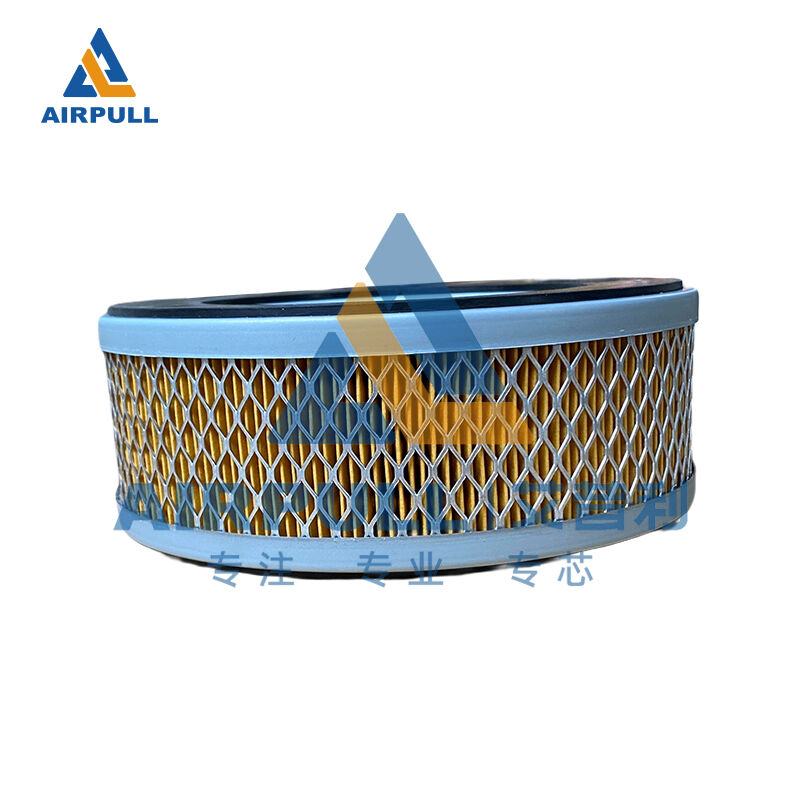
When teams evaluate a high efficiency self cleaning air filter, the decision should be framed as a lifecycle decision rather than a purchase-price decision. The best high efficiency self cleaning air filter delivers stable differential pressure, predictable cleaning cycles, and measurable protection for compressors, burners, turbines, or precision process lines. This is why technical buyers increasingly prioritize system compatibility, media durability, and cleaning control strategy. A practical selection process makes the difference between a high efficiency self cleaning air filter that performs on paper and one that performs every shift.
Defining What Best Means in Industrial Filtration Context
Performance Fit Is More Important Than Peak Specification
The best high efficiency self cleaning air filter is defined by operational fit, not by the highest advertised capture rating alone. A high efficiency self cleaning air filter must maintain airflow while controlling contaminants across varying dust loads, humidity levels, and duty cycles. If filtration is excellent but pressure drop rises too quickly, energy cost and process instability can erase the benefit. In practice, the best high efficiency self cleaning air filter balances capture efficiency, airflow continuity, and cleanability in one integrated design.
Industrial environments rarely stay constant, so a high efficiency self cleaning air filter should perform consistently during load spikes and seasonal changes. Stable behavior over time is a core marker of quality because real operations are dynamic, not laboratory-static. The best high efficiency self cleaning air filter keeps performance predictable even when particle concentration shifts through the day. That predictability supports production planning, quality assurance, and equipment health management.
Lifecycle Economics Determines Real Value
A high efficiency self cleaning air filter can seem similar at the quotation stage, yet lifecycle cost differences can be significant. Cleaning energy demand, pulse frequency, compressed air consumption, and media replacement intervals all affect total ownership cost. The best high efficiency self cleaning air filter typically reduces intervention frequency while maintaining filtration stability. This means maintenance teams spend less time correcting pressure-drop issues and more time on planned reliability work.
Decision-makers should evaluate how each high efficiency self cleaning air filter behaves after months of operation, not just after commissioning. Media fatigue resistance, seal integrity, and cleaning effectiveness under partial loading matter more than initial appearance. A well-matched high efficiency self cleaning air filter can extend service windows and lower risk of secondary equipment fouling. Over time, these factors create measurable financial impact beyond the unit price.
Technical Criteria That Identify the Best Option
Filtration Media and Particle Profile Matching
The best high efficiency self cleaning air filter starts with proper media selection for actual particle characteristics. Dust size distribution, shape, stickiness, and moisture interaction determine whether a high efficiency self cleaning air filter can release captured particles effectively during cleaning. When media is mismatched, cake buildup accelerates and cleaning pulses become less effective. Correct media design helps a high efficiency self cleaning air filter sustain low resistance while preserving high capture performance.
Industrial buyers should verify performance across both fine and coarse fractions, since many processes generate mixed particulate profiles. A high efficiency self cleaning air filter that handles only one fraction well may struggle in mixed-load reality. Surface structure and substrate strength influence how well cleaning cycles restore permeability. In many cases, the best high efficiency self cleaning air filter is the one engineered for your true contamination profile, not a generic dust assumption.
Cleaning Mechanism Stability and Control Logic
Self-cleaning performance depends on control strategy as much as mechanical design. The best high efficiency self cleaning air filter uses cleaning logic that responds to differential pressure trends rather than relying only on fixed-time pulses. Adaptive control can reduce unnecessary cleaning events while preserving filtration efficiency. This makes a high efficiency self cleaning air filter more energy-aware and less stressful on media over long service periods.
Valve response, pulse energy consistency, and manifold design also affect results. Even a high quality high efficiency self cleaning air filter can underperform if pulse delivery is uneven across elements. Reliable cleaning restores flow uniformly and prevents localized loading that causes premature failure. For many facilities, choosing a high efficiency self cleaning air filter with robust cleaning architecture is the turning point for stable operation.
System Integration and Operational Envelope
The best high efficiency self cleaning air filter must be sized and integrated for the real airflow envelope of the system. Oversizing and undersizing both carry penalties, including unstable velocities, inefficient cleaning, or excessive pressure drop. A high efficiency self cleaning air filter should align with transient demand, startup conditions, and upset scenarios. Integration details such as duct layout, sealing interfaces, and sensor placement determine whether theoretical performance becomes practical performance.
When evaluating options, teams should model normal and peak operating windows rather than relying on one nominal point. A high efficiency self cleaning air filter that remains stable across this envelope usually provides better asset protection and fewer control alarms. This is where engineering detail separates average choices from the best high efficiency self cleaning air filter for industrial use. Good integration planning protects both energy efficiency and filtration reliability.
Application-Driven Selection for B2B Decision Makers
Process-Critical Industries Need Reliability First
In process-critical operations, the best high efficiency self cleaning air filter is the one that prevents contamination-driven disruption. Sectors with continuous production or sensitive downstream equipment require a high efficiency self cleaning air filter that can sustain stable cleanliness without frequent manual intervention. Reliability under variable loading is often more important than headline efficiency claims. A dependable high efficiency self cleaning air filter supports throughput consistency and reduces quality drift.
Where shutdown costs are high, filtration failure becomes a business risk rather than a maintenance inconvenience. The best high efficiency self cleaning air filter lowers that risk by combining strong capture performance with repeatable cleaning recovery. This protects process continuity and extends equipment service life. In these environments, filtration strategy is directly linked to financial resilience.
High Dust and Variable Dust Environments Need Cleaning Resilience
Facilities with variable particulate loading should focus on how a high efficiency self cleaning air filter responds to changing dust stress. The best high efficiency self cleaning air filter in these conditions is resilient, meaning it can recover permeability repeatedly without rapid degradation. Cleaning resilience prevents gradual performance collapse that often appears after initial commissioning success. A resilient high efficiency self cleaning air filter supports consistent airflow and reduces emergency maintenance.
Evaluation should include cleaning recovery trend data, not just single-point filtration metrics. A high efficiency self cleaning air filter with strong recovery behavior can maintain performance during peak contamination periods and return to baseline faster. This improves operational confidence and planning accuracy. In variable environments, recovery stability is a defining trait of the best high efficiency self cleaning air filter.
Implementation Priorities That Improve Real-World Results
Commissioning Discipline and Baseline Tracking
Even the best high efficiency self cleaning air filter needs proper commissioning to deliver expected value. Teams should establish baseline differential pressure, airflow, and cleaning cycle intervals at startup. These benchmarks help detect drift early and guide optimization. A high efficiency self cleaning air filter managed with baseline discipline typically performs more consistently over time.
Commissioning should also verify control setpoints, sensor calibration, and cleaning sequence integrity. Small setup errors can make a high efficiency self cleaning air filter appear weak when the issue is actually control alignment. Structured startup validation protects investment and reduces false troubleshooting cycles. Strong commissioning practices are part of choosing the best high efficiency self cleaning air filter, not separate from it.
Maintenance Strategy Focused on Predictability
A predictive maintenance approach helps a high efficiency self cleaning air filter sustain high performance across long operating windows. Monitoring pressure trends, cleaning frequency changes, and abnormal valve behavior provides early warning before major degradation. The best high efficiency self cleaning air filter supports this approach with stable, interpretable operating signals. Predictability allows teams to plan interventions without disrupting production.
For buyers seeking a proven industrial option, this high efficiency self cleaning air filter example reflects the type of design focus that aligns with lifecycle performance goals. The key is to align product configuration with your contamination profile, airflow envelope, and maintenance workflow. When those factors align, a high efficiency self cleaning air filter becomes a reliability asset rather than a recurring problem point. That alignment is the practical definition of best in B2B filtration decisions.
FAQ
How often should a high efficiency self cleaning air filter be serviced in industrial use?
Service frequency depends on dust load, operating hours, and cleaning cycle effectiveness, not on a fixed calendar alone. A high efficiency self cleaning air filter in stable low-dust operation may run long intervals, while high-load environments require tighter monitoring. Differential pressure trend analysis is usually the most reliable service trigger. The best practice is condition-based maintenance supported by operating data.
Can a high efficiency self cleaning air filter reduce energy consumption?
Yes, when properly selected and controlled, a high efficiency self cleaning air filter can lower energy waste linked to excessive pressure drop and inefficient cleaning cycles. Stable filtration resistance helps fans and compressors operate closer to intended efficiency ranges. Poorly matched filtration can do the opposite by increasing resistance over time. Energy outcomes therefore depend on sizing, media match, and cleaning control quality.
What is the most important specification when choosing a high efficiency self cleaning air filter?
There is no single standalone metric that guarantees success. The most decision-useful approach is evaluating how a high efficiency self cleaning air filter performs as a system across capture efficiency, pressure stability, cleaning recovery, and lifecycle durability. Buyers should compare operating behavior under realistic dust and airflow conditions. System fit is more important than any isolated headline number.
Is one high efficiency self cleaning air filter design suitable for every industry?
No, because particle behavior, humidity exposure, airflow patterns, and reliability priorities vary significantly by process. A high efficiency self cleaning air filter must be configured for the specific industrial environment to deliver consistent value. The best outcomes come from application-specific matching of media, cleaning logic, and system integration. This is why title-level claims about best performance should always be interpreted through use-case context.
Table of Contents
- Defining What Best Means in Industrial Filtration Context
- Technical Criteria That Identify the Best Option
- Application-Driven Selection for B2B Decision Makers
- Implementation Priorities That Improve Real-World Results
-
FAQ
- How often should a high efficiency self cleaning air filter be serviced in industrial use?
- Can a high efficiency self cleaning air filter reduce energy consumption?
- What is the most important specification when choosing a high efficiency self cleaning air filter?
- Is one high efficiency self cleaning air filter design suitable for every industry?