EN
EN


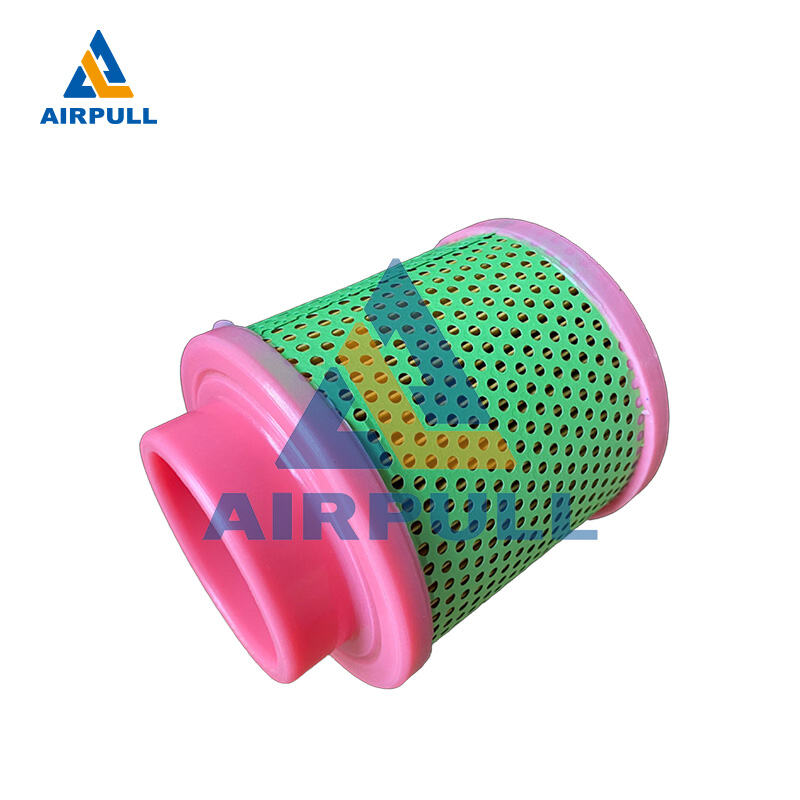
Choosing the best compressed air filtration system is not about buying the highest micron rating or the most expensive housing. In industrial operations, the best compressed air filtration system is the one that protects product quality, keeps pneumatic assets stable, and controls energy cost under real production conditions. A strong compressed air filtration system strategy starts by defining contamination risk at each process stage, then aligning filtration depth with operational targets. When decision-makers treat the compressed air filtration system as a production control asset rather than a maintenance accessory, reliability improves across the entire plant.
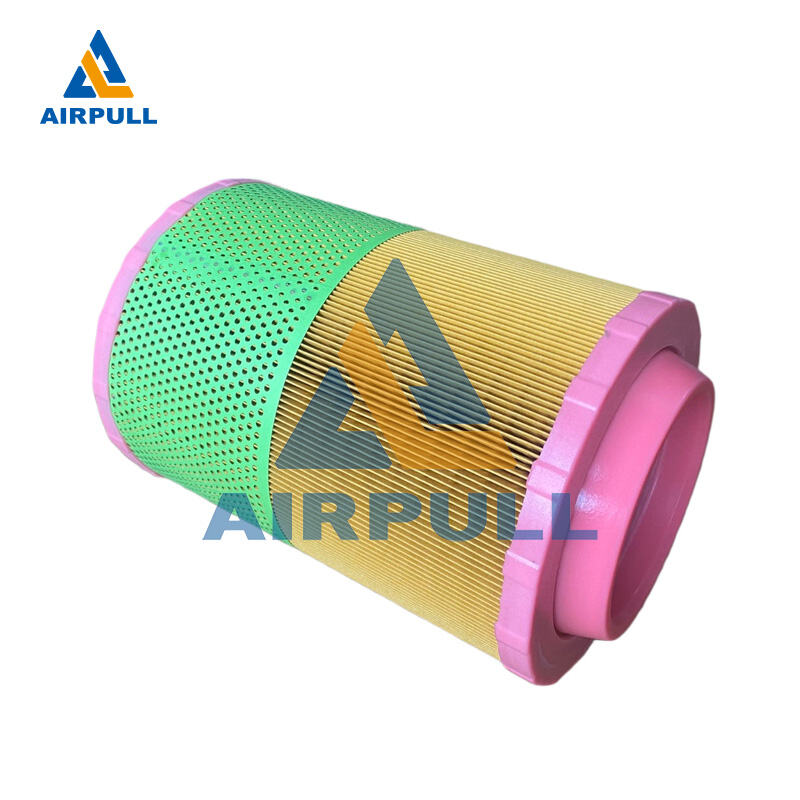
The practical way to identify the best compressed air filtration system is to evaluate performance in context: compressor type, ambient conditions, moisture profile, oil carryover, and downstream sensitivity. A plant handling packaging lines has different compressed air filtration system priorities than a site running precision actuators or coating equipment. This is why selecting a compressed air filtration system should follow decision criteria, not assumptions. The sections below break down how to judge what truly qualifies as the best compressed air filtration system for industrial use.
Defining Best in Industrial Air Quality Control
Performance Criteria That Matter on Production Floors
The best compressed air filtration system is defined first by outcome consistency, not marketing language. It must remove particles, condensed water, and oil aerosols at levels appropriate for the actual process, while maintaining stable line pressure. If a compressed air filtration system delivers clean air on day one but creates rapid pressure loss over time, it may increase compressor workload and reduce net efficiency. In B2B environments, the best compressed air filtration system balances purity and pressure performance over long duty cycles.
Industrial buyers should also assess how the compressed air filtration system behaves under load changes. Many facilities run variable shifts, cycling tools, and mixed process demand, which can expose weak filtration design. A reliable compressed air filtration system should maintain separation efficiency when flow rises and should recover quickly after transient surges. This dynamic stability is often the real difference between an average setup and the best compressed air filtration system.
Risk Reduction Across Pneumatic Equipment
Another defining feature of the best compressed air filtration system is risk containment across downstream equipment. Contaminants in compressed air can foul valves, damage seals, and create intermittent motion faults that are difficult to diagnose. A properly selected compressed air filtration system reduces these failures by removing harmful load before it reaches critical components. That means fewer unplanned shutdowns and more predictable maintenance windows.
From a quality perspective, the best compressed air filtration system also helps protect end-product integrity where air contacts materials directly or indirectly. Even small oil mist carryover can disrupt coating adhesion, packaging cleanliness, or pneumatic tool precision. A high-performing compressed air filtration system reduces defect risk and protects process repeatability. For operations leaders, that reliability is a measurable business value, not just a technical specification.
Matching Filtration Stages to Contamination Load
Particle, Oil, and Water Removal Roles
The best compressed air filtration system usually works as a staged architecture rather than a single filter element. Pre-filtration captures larger solids and bulk liquid, coalescing stages remove fine aerosols, and final polishing controls residual contamination for sensitive applications. This layered compressed air filtration system model prevents early-stage overload and supports better element life. It also improves total protection consistency under varying inlet conditions.
Water management is especially important when defining the best compressed air filtration system. Moisture not only corrodes lines but also transports particles and oil deeper into the network. A compressed air filtration system that combines effective condensate control with correct drain behavior can prevent recurring contamination cycles. Without that control, even high-grade filter media may struggle to hold downstream quality levels.
Point-of-Use and Centralized Configuration Logic
In many plants, the best compressed air filtration system is a hybrid of centralized treatment and point-of-use refinement. Central filters handle bulk contamination near generation, while local filters protect high-sensitivity tools close to consumption. This approach allows the compressed air filtration system to match cleanliness grade by process criticality. It avoids over-treating every branch while still protecting the most vulnerable operations.
Configuration decisions should also reflect piping distance, pressure zones, and branch-specific exposure. A centralized compressed air filtration system alone may not fully control contamination introduced by older pipe sections or localized condensate pockets. Adding targeted point filtration creates defensive layers and helps the compressed air filtration system maintain stable quality at the final application point. For complex facilities, this architecture is often what makes the solution genuinely best.
Operational Factors That Separate Average from Best
Pressure Drop Stability and Energy Efficiency
A practical test for the best compressed air filtration system is pressure drop behavior over time. Every filter creates resistance, but poorly matched elements increase differential pressure too quickly, forcing compressors to work harder. An efficient compressed air filtration system keeps pressure loss within acceptable limits across service life, protecting both energy consumption and output capacity. Over months of operation, this can significantly influence operating cost.
Energy-aware teams should review not only initial pressure drop but also loading curve characteristics. The best compressed air filtration system offers predictable performance decay, making maintenance timing easier to plan. Sudden pressure degradation can destabilize processes and create hidden utility cost spikes. A stable compressed air filtration system supports smoother production control and better KPI forecasting for operations managers.
Service Intervals, Monitoring, and Lifecycle Cost
The best compressed air filtration system is maintainable in real plant conditions, not just in ideal test environments. Easy access for element replacement, clear service indicators, and reliable drain function all affect actual uptime. A compressed air filtration system that is difficult to service often gets delayed maintenance, increasing contamination risk. The result is usually higher lifecycle cost despite lower initial purchase price.
Lifecycle economics should include element consumption, labor, energy impact, and potential quality losses from contamination events. When evaluated this way, the best compressed air filtration system often provides better total value even if its upfront cost is higher. Consistent monitoring makes this value visible by linking filtration condition to process outcomes. In mature facilities, compressed air filtration system performance is tracked as part of core reliability strategy.
Implementation Framework for Reliable Results
Sizing and Integration with Existing Compressors
Selecting the best compressed air filtration system starts with accurate flow profiling and peak demand mapping. Oversized units can reduce efficiency at low load, while undersized units accelerate pressure loss and contaminant breakthrough. The right compressed air filtration system should be matched to realistic operating bands, not nameplate assumptions. Integration planning must also consider compressor type, aftercooling behavior, and dryer placement.
Connection design matters as much as media selection when deploying a compressed air filtration system. Poor piping layout, inadequate bypass planning, or incorrect drain routing can degrade performance even with quality components. The best compressed air filtration system is therefore an engineered installation, not just a procurement decision. Plants that align mechanical layout with filtration intent usually achieve faster and more stable commissioning results.
Validation and Continuous Optimization
After installation, the best compressed air filtration system should be validated through routine checks such as differential pressure trends, condensate behavior, and downstream air quality indicators. Validation confirms whether the compressed air filtration system is meeting actual process requirements under daily load patterns. This stage often reveals opportunities to optimize stage placement or service intervals. Data-backed tuning helps keep quality and energy targets aligned.
Continuous optimization is what keeps a compressed air filtration system in the best category over time. Production changes, seasonal humidity shifts, and equipment upgrades can alter contamination load significantly. Reviewing system performance quarterly helps ensure the compressed air filtration system remains fit for current conditions rather than historical assumptions. That discipline turns filtration from a reactive task into a strategic operational control point.
FAQ
What makes a compressed air filtration system the best for industrial plants?
The best compressed air filtration system is the one that consistently meets required air quality while controlling pressure loss, maintenance burden, and lifecycle cost. It should match contamination profile, flow range, and process sensitivity rather than relying on one headline specification. In most facilities, staged filtration with validated performance delivers better long-term reliability than single-stage setups.
How often should a compressed air filtration system be serviced?
Service timing depends on contamination load, operating hours, humidity conditions, and differential pressure behavior. A compressed air filtration system should be maintained based on condition trends and manufacturer guidance, not fixed calendar intervals alone. Plants that monitor pressure drop and condensate function usually avoid premature replacement and reduce contamination risk.
Can one compressed air filtration system design fit every production line?
A single design rarely fits all lines because process criticality and exposure conditions differ across applications. The most effective compressed air filtration system strategy combines central treatment with targeted point-of-use protection where needed. This approach maintains control where risk is highest without overcomplicating lower-sensitivity branches.
Why does pressure drop matter so much in a compressed air filtration system?
Pressure drop directly affects compressor energy demand and available pressure at tools and machines. A compressed air filtration system with unstable or excessive pressure loss can increase operating cost and reduce process consistency. Keeping pressure drop predictable is a core requirement for selecting and maintaining the best compressed air filtration system.