EN
EN


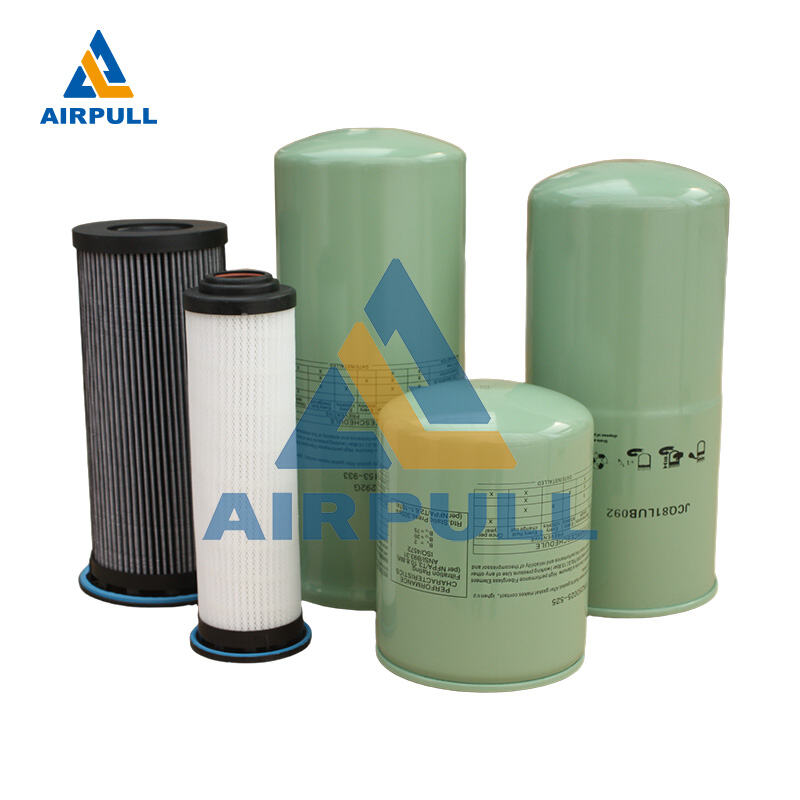
Choosing the best filter for an industrial lubrication circuit is not about picking the most expensive part or the one with the widest catalog description. The best choice is the one that keeps oil cleanliness stable under your real duty cycle, protects critical components from wear, and maintains predictable pressure behavior over service life. In practical terms, the best option is a high efficiency lubricating oil filter element that matches your contamination profile, flow requirements, and maintenance strategy. For B2B operations, that decision directly affects uptime, energy use, and long-term reliability.
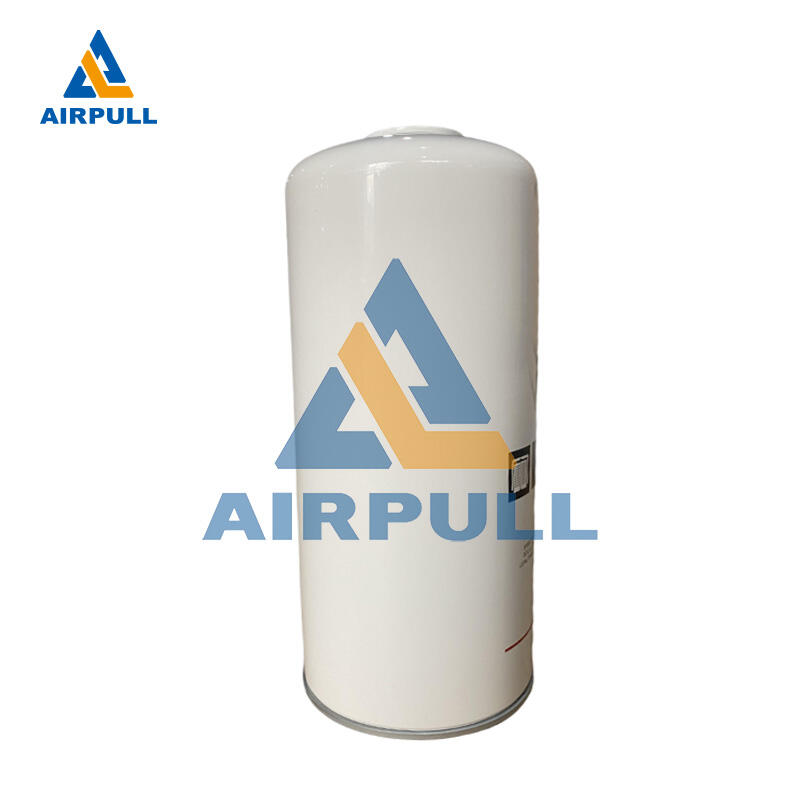
When buyers ask for the best high efficiency lube oil filter element, they are really asking which technical features create dependable performance in their specific plant conditions. That means looking beyond nominal micron ratings and focusing on efficiency curves, media stability, collapse resistance, and compatibility with lubricant chemistry. A high efficiency lubricating oil filter element should perform consistently from startup through peak load, not just in ideal test conditions. This article gives a decision-focused framework to identify the right high efficiency lubricating oil filter element for industrial service.
Performance Standards That Define the Best Option
Contamination capture efficiency in real operating ranges
The strongest starting point is particle control performance across the size range that actually damages your equipment. A high efficiency lubricating oil filter element should demonstrate stable fine-particle removal, especially in the range where bearing surfaces, servo clearances, and precision valves are vulnerable. In industrial environments, contamination loads fluctuate with maintenance activity, ambient dust, and system aging, so consistency matters more than a single lab value. The best high efficiency lubricating oil filter element maintains capture efficiency even as differential pressure rises during the service interval.
Procurement teams should ask for test context, not only headline ratings. A high efficiency lubricating oil filter element that performs well under controlled flow may behave differently under viscosity swings and transient spikes. The best candidates show predictable filtration behavior across expected operating windows. This is why the best high efficiency lubricating oil filter element is defined by performance stability, not marketing language.
Flow behavior and pressure stability under load
Filtration quality and hydraulic stability must work together. A high efficiency lubricating oil filter element that captures very fine particles but creates unstable pressure behavior can create operational risk in systems with variable load. The best designs balance filtration efficiency with controlled flow resistance so lubrication reaches critical points without delay. This balance is central when selecting a high efficiency lubricating oil filter element for continuous industrial duty.
Pressure drop trends over time are especially important for maintenance planning. If differential pressure climbs unpredictably, replacement intervals become reactive, and downtime exposure increases. A high efficiency lubricating oil filter element with stable loading characteristics supports planned shutdown windows and cleaner lifecycle forecasting. In B2B operations, that predictability is a key reason one high efficiency lubricating oil filter element can be objectively better than another.
Construction Features That Separate Average from Best
Media architecture and dirt-holding capacity
Media design determines how long a filter can protect oil cleanliness before restriction becomes unacceptable. A high efficiency lubricating oil filter element with well-structured depth media can retain contaminants throughout the media thickness instead of overloading the outer layer too quickly. This increases dirt-holding capacity and helps preserve efficiency over the run cycle. The best high efficiency lubricating oil filter element uses media architecture that supports both fine capture and service-life stability.
In industrial lubrication loops, contaminant profiles are rarely uniform. Larger particles, oxidation byproducts, and fine abrasive material can appear together, especially in mature systems. A high efficiency lubricating oil filter element should handle mixed contamination without premature plugging or channeling. Buyers evaluating the best high efficiency lubricating oil filter element should therefore prioritize performance over full lifecycle, not only clean-start behavior.
Structural integrity, sealing, and collapse resistance
Mechanical strength is often underestimated until a pressure event exposes weaknesses. A high efficiency lubricating oil filter element must withstand differential pressure excursions, startup surges, and vibration without media deformation or end-cap separation. Structural integrity directly influences whether filtration performance remains intact at high stress points. That is a core criterion for the best high efficiency lubricating oil filter element in heavy-duty settings.
Seal quality is equally important because bypass leakage can negate high media efficiency. Even a premium high efficiency lubricating oil filter element cannot protect a system if sealing interfaces allow unfiltered oil paths. The best specification process includes dimensional tolerance checks and material compatibility checks for gaskets and seal interfaces. In practice, the best high efficiency lubricating oil filter element is one that filters effectively and seals reliably for the full intended interval.
Application Fit Across Industrial Operating Scenarios
Duty cycle alignment and contamination generation patterns
No single configuration is universally best without context. A high efficiency lubricating oil filter element for steady baseload operation may not be ideal for stop-start systems with frequent temperature swings and transient debris release. Selection should be tied to duty pattern, equipment criticality, and expected contamination ingress rates. This is how teams identify the best high efficiency lubricating oil filter element for their own process realities.
Plants with high particulate exposure from surrounding processes usually benefit from a high efficiency lubricating oil filter element with strong dirt-holding reserve and stable pressure behavior. Facilities with tight cleanliness targets for precision controls may prioritize finer capture consistency. In both cases, the best high efficiency lubricating oil filter element is defined by fit to risk profile, not generic claims. Matching filter behavior to operating context prevents both over-specification and under-protection.
Lubricant chemistry and temperature-dependent behavior
Oil formulation affects filtration performance more than many buyers expect. Viscosity, additive chemistry, and oxidation state can change how contaminants move and how media loads over time. A high efficiency lubricating oil filter element should be selected with attention to the actual lubricant family and thermal operating band. The best high efficiency lubricating oil filter element remains stable when oil properties shift across startup, normal operation, and high-temperature periods.
Compatibility also matters at the materials level. Media binders, seal materials, and support components in a high efficiency lubricating oil filter element should tolerate the lubricant environment without softening or degradation. In long-interval programs, this becomes a major reliability factor. A best-in-class high efficiency lubricating oil filter element is one that keeps both filtration performance and physical integrity under the specific chemistry of your system.
B2B Selection and Lifecycle Evaluation Framework
Qualification data, consistency, and sourcing confidence
Industrial buyers need repeatable quality, not one-time performance. A dependable sourcing process for a high efficiency lubricating oil filter element includes verification of test methodology, production consistency, and dimensional control. Documentation quality often indicates whether field performance will match technical sheets. For teams assessing options, reviewing a qualified high efficiency lubricating oil filter element in context of operating requirements supports better risk control.
Consistency from batch to batch is essential in multi-site operations. If one high efficiency lubricating oil filter element behaves differently from the next, maintenance planning and cleanliness control become unstable. The best procurement outcome is achieved when technical criteria are standardized and incoming quality checks are aligned with system criticality. That is how organizations keep a high efficiency lubricating oil filter element strategy reliable at scale.
Total cost of clean oil ownership
The best decision is rarely based on purchase price alone. A high efficiency lubricating oil filter element should be evaluated by its impact on component wear, oil life, maintenance labor, unplanned stoppages, and inventory strategy. A lower-cost element that clogs early or permits higher contaminant circulation can create a much higher system cost. The best high efficiency lubricating oil filter element lowers total ownership cost by protecting assets and stabilizing maintenance cycles.
Lifecycle evaluation should combine technical and operational metrics. Track cleanliness outcomes, pressure trends, interval adherence, and failure events before and after specification changes. This turns filter selection into a measurable reliability program rather than a catalog choice. In this framework, a high efficiency lubricating oil filter element becomes a performance control component, not just a consumable.
FAQ
How often should a high efficiency lubricating oil filter element be replaced in industrial service?
Replacement timing depends on contamination load, oil condition, duty cycle, and allowable differential pressure limits. Many facilities use condition-based replacement supported by pressure monitoring and oil analysis rather than fixed calendar intervals. A high efficiency lubricating oil filter element should be changed before restriction or bypass risk threatens lubrication quality. The most reliable approach combines manufacturer guidance with site-specific performance data.
Can one high efficiency lubricating oil filter element specification fit every machine in a plant?
A single specification can work across similar equipment classes, but full plant standardization is not always optimal. Different machines may have different flow demands, cleanliness targets, and contamination generation behavior. A high efficiency lubricating oil filter element should be matched to operating criticality and lubricant circuit design. Standardization is useful when technical fit is validated, not when it is assumed.
What is the biggest mistake when selecting the best high efficiency lube oil filter element?
The most common mistake is choosing by nominal micron rating alone without considering full operating context. A high efficiency lubricating oil filter element must be assessed for efficiency stability, pressure behavior, dirt-holding capacity, and structural reliability. Ignoring these factors can lead to short service life or incomplete contamination control. The best outcomes come from lifecycle-based evaluation rather than single-parameter comparison.
Does a higher-efficiency filter always improve equipment reliability?
Higher efficiency often helps, but only when flow stability and service life remain compatible with the system. A high efficiency lubricating oil filter element that is too restrictive for the application can create pressure management issues even while capturing fine particles. Reliability improves most when efficiency, permeability, and mechanical strength are balanced for the duty cycle. The best high efficiency lubricating oil filter element is the one that delivers clean oil consistently without operational side effects.
Table of Contents
- Performance Standards That Define the Best Option
- Construction Features That Separate Average from Best
- Application Fit Across Industrial Operating Scenarios
- B2B Selection and Lifecycle Evaluation Framework
-
FAQ
- How often should a high efficiency lubricating oil filter element be replaced in industrial service?
- Can one high efficiency lubricating oil filter element specification fit every machine in a plant?
- What is the biggest mistake when selecting the best high efficiency lube oil filter element?
- Does a higher-efficiency filter always improve equipment reliability?