EN
EN



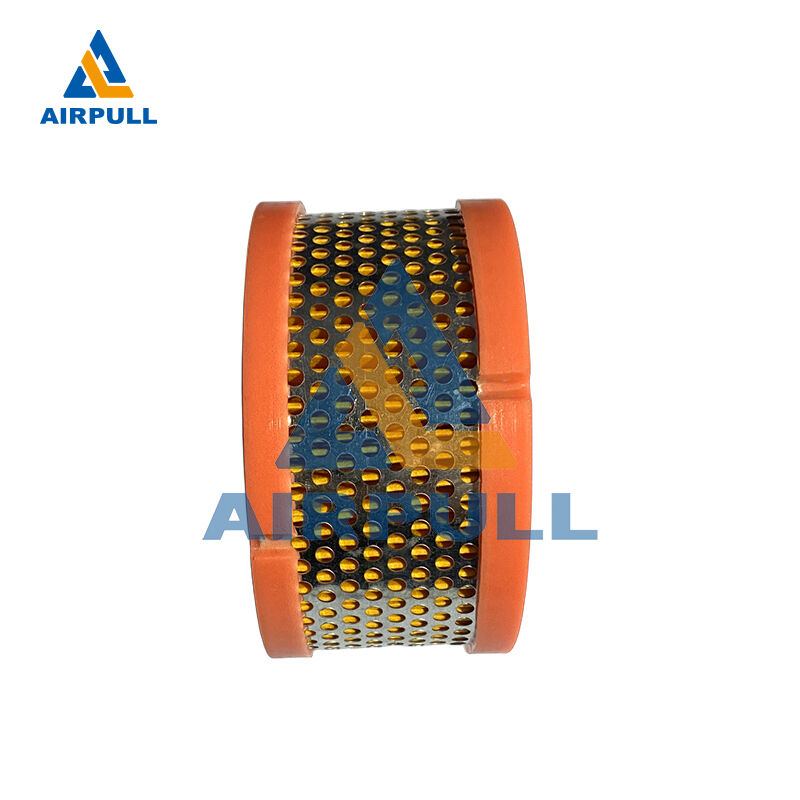
Choosing the best filter element is not about picking the most expensive option or the one with the most technical jargon on a datasheet. In industrial systems, the best choice is the one that keeps process gas clean under real operating stress, protects equipment life, and holds stable performance across maintenance cycles. That is why the search for the best filter element for gas filtration must start with operating conditions, contamination profile, and reliability targets. A well-matched filter element for gas filtration improves uptime, lowers unplanned shutdown risk, and keeps downstream quality consistent.
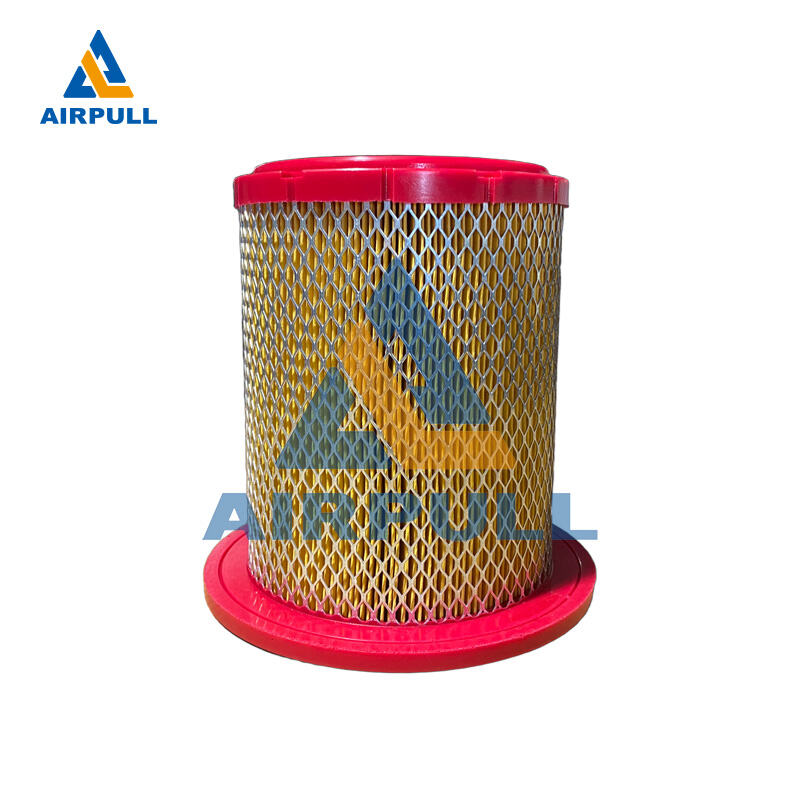
For B2B buyers, maintenance managers, and engineering teams, the word "best" should mean measurable fit, not broad marketing language. The right filter element for gas filtration aligns with pressure, flow, temperature, particle load, and service interval expectations at the same time. When these factors are balanced correctly, the filter element for gas filtration becomes a performance component, not a consumable afterthought. This article breaks down how to define, evaluate, and implement the best filter element for gas filtration for industrial duty.
How to Define "Best" in a Gas Filtration Context
Performance fit over generic specification claims
The best filter element for gas filtration is the one that delivers required cleanliness at your real process flow, not just in ideal lab conditions. Many systems run with variable loads, start-stop cycles, and seasonal temperature shifts, so stable performance matters more than peak brochure values. A strong procurement decision connects filtration efficiency with pressure drop behavior over time. In practice, the best filter element for gas filtration is the one that stays effective through the full service interval without causing energy penalties.
Engineering teams should evaluate whether the filter element for gas filtration can maintain media integrity when differential pressure increases before replacement. If media structure collapses early, filtration quality can drift and downstream assets become exposed. A good selection process therefore reviews holding capacity, structural design, and compatibility with expected contamination type. This is where a purpose-built filter element for gas filtration often outperforms a broadly marketed but poorly matched alternative.
Total lifecycle value rather than purchase price alone
A low-cost cartridge may look attractive at order stage, but repeated changeouts, unstable pressure drop, and contamination-related failures can quickly erase that initial saving. The best filter element for gas filtration should be assessed on lifecycle impact: labor time, shutdown frequency, energy draw, and protection of downstream components. When buyers evaluate these factors together, they usually reach a different conclusion than with unit price alone. In industrial operation, the right filter element for gas filtration is a cost-control tool as much as a filtration device.
Lifecycle thinking also improves budget predictability. If a filter element for gas filtration performs consistently across cycles, maintenance planning becomes cleaner and spare strategy becomes easier to forecast. That reduces emergency purchases and unplanned intervention costs. Over time, this is one of the clearest signals that the selected filter element for gas filtration is truly the best fit.
Critical Technical Criteria for Selecting the Best Element
Filtration rating, contamination profile, and stability
The best filter element for gas filtration must match the actual particle-size distribution and contamination behavior in your gas stream. A nominal rating without context can mislead buyers when contaminant shape, adhesion, or moisture interaction differs from test assumptions. It is important to evaluate not only capture efficiency but how quickly the media loads and how that loading shifts pressure drop. A reliable filter element for gas filtration keeps efficiency predictable while resisting premature plugging.
In many plants, contamination is mixed rather than uniform, combining fine particles with intermittent larger debris. Under those conditions, media gradient design and dirt-holding capacity are often more important than a single quoted micron figure. The best filter element for gas filtration supports depth capture where needed while preserving flow stability. That balance helps keep process continuity without sacrificing protection margin.
Pressure drop behavior and mechanical durability
Pressure drop is not only a filtration metric; it is also an operating cost signal. An unsuitable filter element for gas filtration can create unnecessary resistance, increasing energy demand and reducing system responsiveness. What matters most is the pressure-drop curve across the full operating range, including part-load and peak-load conditions. The best filter element for gas filtration delivers controlled resistance at startup and acceptable rise as contamination accumulates.
Mechanical durability is equally important in gas systems with pulsation, vibration, or rapid pressure shifts. End caps, core strength, and seal quality should be verified against real operating stress rather than nominal service assumptions. A durable filter element for gas filtration protects against bypass risk and media damage during transient events. When structural reliability is high, the filter element for gas filtration can sustain filtration quality until planned replacement, not early failure.
Application Matching Across Industrial Operating Conditions
Process environment, temperature window, and material compatibility
No single media type is best for every gas service condition, which is why application matching determines success. The most effective filter element for gas filtration is compatible with process temperature, chemical exposure, and moisture behavior over the full duty cycle. If compatibility is ignored, media degradation can occur silently before obvious pressure or quality alarms appear. Selecting a matched filter element for gas filtration reduces that hidden risk and improves long-term confidence.
Material compatibility should include seals and support components, not only filter media. Even when capture efficiency looks excellent at installation, mismatch in gasket or adhesive performance can reduce reliability under thermal cycling. A properly engineered filter element for gas filtration maintains sealing and structure through those shifts. That is a core requirement when defining the best filter element for gas filtration for industrial duty.
Flow regime and service interval alignment
A common selection mistake is evaluating a filter only at nominal flow while daily operation swings well above or below that point. The best filter element for gas filtration should be chosen with real flow regime data, including transient spikes and partial load periods. That approach reveals whether capture and pressure behavior remain stable in practical operation. It also prevents over-sizing or under-sizing the filter element for gas filtration relative to process reality.
Service interval alignment is just as important. If the replacement window is too short, maintenance burden rises; if pushed too long, risk of bypass or performance drift increases. The right filter element for gas filtration supports your planned interval with a safety margin based on contamination variability. This makes the selected filter element for gas filtration operationally predictable and easier to integrate into plant routines.
Procurement and Implementation Strategy for Reliable Results
Specification discipline and validation workflow
Buying the best component requires writing the right specification first. Teams should define target cleanliness, allowable pressure drop range, expected contaminant load, operating temperature span, and replacement criteria before sourcing decisions. With this framework, evaluating each filter element for gas filtration becomes objective and repeatable. A disciplined process prevents subjective decisions and supports stronger long-term outcomes.
During validation, compare baseline system data against trial performance using the same operating window. The selected filter element for gas filtration should demonstrate stable differential pressure progression and consistent downstream cleanliness results. Documenting these indicators across at least one complete service cycle gives stronger confidence than short-term spot checks. This is the practical path to confirming that a chosen filter element for gas filtration is truly best for the application.
Supply continuity and quality consistency
Even a technically strong part can become a weak point if supply quality varies between lots. The best filter element for gas filtration program includes consistent manufacturing controls, traceable quality checks, and stable replacement planning. Buyers should prioritize repeatability because filtration systems depend on predictable behavior over many cycles. A consistent filter element for gas filtration reduces variation risk and protects maintenance planning integrity.
For teams looking to standardize sourcing, this filter element for gas filtration reference can support technical review and specification alignment. The goal is not generic substitution but performance continuity under your defined duty profile. When procurement, engineering, and maintenance use the same criteria, the chosen filter element for gas filtration delivers stronger and more durable business value.
FAQ
How often should a filter element for gas filtration be replaced in industrial service?
Replacement should be driven by differential pressure trend, cleanliness requirements, and process criticality rather than fixed calendar dates alone. A properly selected filter element for gas filtration often supports predictable intervals, but contamination variability can shift actual life. Monitoring trend data helps prevent both premature replacement and delayed changeout. The most reliable practice combines condition monitoring with a defined maximum operating limit.
Can one filter element for gas filtration specification work across all gas systems in a plant?
In most facilities, one universal specification is rarely optimal because gas composition, flow dynamics, and contamination patterns differ by process line. A single design may work acceptably in one area but underperform in another. The best approach is creating a controlled specification family where each filter element for gas filtration is matched to a defined duty class. That preserves standardization benefits while maintaining technical fit.
What is the most important indicator that a filter element for gas filtration is not the best fit?
A recurring pattern of early pressure-drop escalation with unstable downstream cleanliness is one of the clearest warning signs. This combination usually indicates mismatch between media behavior and real contaminant profile. If maintenance teams see frequent unplanned changeouts, the current filter element for gas filtration is likely not aligned with operating conditions. Revalidating flow range, contamination load, and material compatibility typically resolves the issue.
Does a higher efficiency rating always mean a better filter element for gas filtration?
Not always, because higher initial efficiency can come with higher resistance or shorter service life in certain duty conditions. The best filter element for gas filtration balances capture performance, pressure stability, and replacement interval for your specific process goals. A rating in isolation does not show full operational impact. True "best" performance appears when efficiency and lifecycle behavior are both optimized together.
Table of Contents
- How to Define "Best" in a Gas Filtration Context
- Critical Technical Criteria for Selecting the Best Element
- Application Matching Across Industrial Operating Conditions
- Procurement and Implementation Strategy for Reliable Results
-
FAQ
- How often should a filter element for gas filtration be replaced in industrial service?
- Can one filter element for gas filtration specification work across all gas systems in a plant?
- What is the most important indicator that a filter element for gas filtration is not the best fit?
- Does a higher efficiency rating always mean a better filter element for gas filtration?