EN
EN



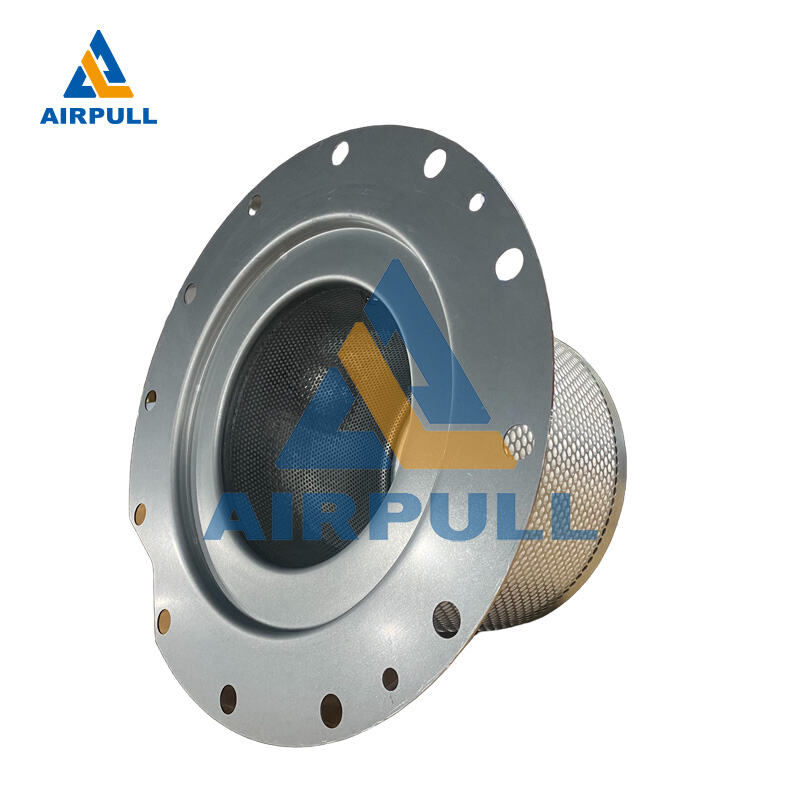
Testing oil separator filters is not just a maintenance task; it is a reliability control step that protects compressor efficiency, air quality, and downstream equipment life. In industrial plants, oil separator filters operate under heat, pressure, and contamination stress, so performance can decline before obvious failure appears. A structured test method helps teams detect pressure loss, carryover risk, and saturation trends early. This guide explains how to test oil separator filters in a practical sequence, from safety setup to final decision criteria, so maintenance teams can act with confidence rather than guesswork.
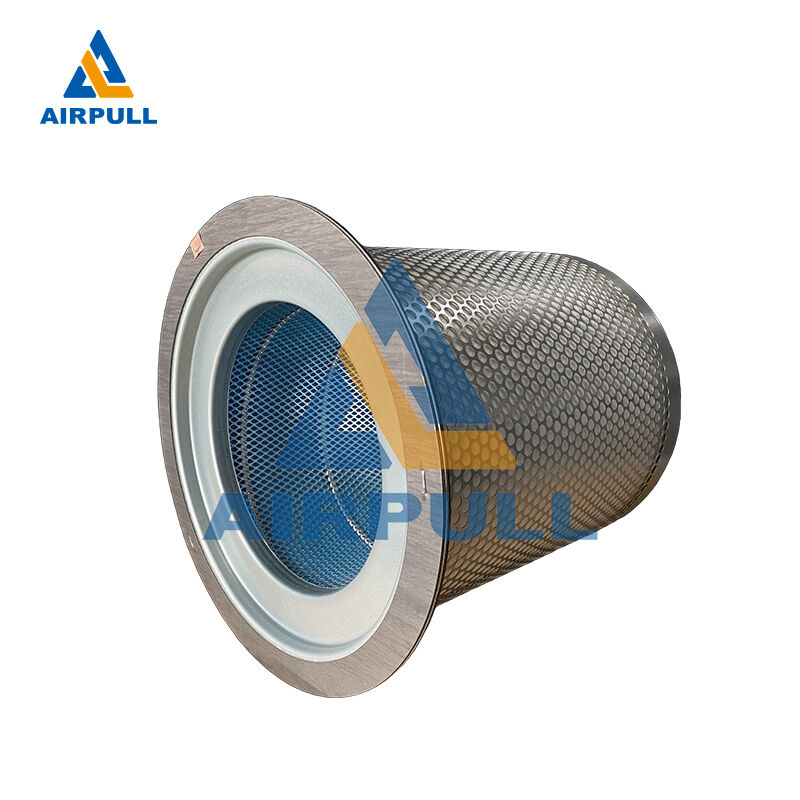
The most effective way to test oil separator filters combines operating data, visual inspection, pressure analysis, and oil carryover validation under real load. Many teams replace oil separator filters on schedule alone, but schedule-only replacement can waste service life or miss early damage caused by upset conditions. By applying repeatable checks, you can separate normal aging from abnormal failure and align replacements with actual risk. The sections below provide a field-ready workflow you can use during routine service windows or troubleshooting events.
Build a Controlled Test Baseline Before Measurement
Stabilize operating conditions for accurate test results
Before you evaluate oil separator filters, run the compressor at a stable load long enough to normalize temperature and pressure. Test readings taken during startup, rapid load shifts, or shutdown transitions are often misleading because separator behavior changes with flow dynamics. Record inlet pressure, discharge pressure, oil temperature, and ambient conditions at the start of each test. Consistent test windows make oil separator filters easier to compare across different maintenance cycles.
A clean baseline also requires checking for unrelated faults that can distort oil separator filters performance data. Intake restriction, wrong lubricant viscosity, or a stuck minimum pressure valve can mimic separator degradation. If these issues are not filtered out first, teams may replace oil separator filters unnecessarily while the root problem remains. Baseline discipline is what turns testing from observation into diagnosis.
Confirm instrumentation quality and sampling points
Testing oil separator filters depends on trustworthy instruments, so verify gauge calibration and sensor response before relying on values. Differential pressure across oil separator filters is one of the most important indicators, but poor gauge accuracy can create false alarms. Use fixed sampling points where possible, and keep probe positions consistent between tests. Consistent measurement architecture improves trend clarity for oil separator filters over time.
When permanent sensors are not installed, use portable calibrated tools and document connection method, adapter type, and reading time. Even small changes in method can shift readings enough to misclassify oil separator filters condition. A good practice is to capture three readings at short intervals and use the average for the log. This reduces noise and supports better maintenance decisions.
Run Core Performance Tests on Differential Pressure and Carryover
Measure pressure drop behavior across load ranges
The primary functional test for oil separator filters is differential pressure evaluation under realistic operating states. Measure at low, medium, and high load conditions and compare results to your internal acceptance range. Healthy oil separator filters show predictable, moderate pressure increase with load, while blocked or damaged elements often show steep rise or unstable behavior. Pressure trends are usually more useful than a single snapshot value.
Compare current readings with previous service records to estimate aging rate of oil separator filters. If differential pressure increased faster than historical pattern, investigate contamination events, lubricant condition, and duty cycle changes. Rapid deviation is often a warning that oil separator filters are being stressed beyond normal design assumptions. Early intervention reduces energy penalty and prevents unplanned shutdown risk.
Validate downstream oil carryover in compressed air
Pressure data alone is not enough, because oil separator filters can fail by carryover even before extreme pressure drop appears. Collect downstream air samples and assess oil content using your plant's approved method, keeping test timing and load condition consistent. If oil content rises while pressure drop is still moderate, the media or sealing integrity of oil separator filters may be compromised. This finding usually indicates replacement rather than extended run time.
During carryover checks, distinguish separator performance from lubricant volatility effects at high temperature. Elevated oil temperature can increase vapor phase contribution, which may look like oil separator filters failure if interpretation is too narrow. Correlate carryover with temperature and pressure history to avoid misjudgment. A combined view of carryover and differential pressure gives the most reliable pass or fail outcome for oil separator filters.
Inspect Physical Condition to Confirm Failure Mechanisms
Check seals, housing interfaces, and installation integrity
Visual and physical inspection explains why oil separator filters pass or fail measured tests. Examine gasket seating, end cap condition, and housing contact surfaces for deformation, hardening, or installation damage. Even high-quality oil separator filters can underperform if torque, alignment, or sealing contact was incorrect during installation. A leakage path around the element can cause carryover without obvious media blockage.
Document any signs of bypass marks, uneven compression, or surface scoring around sealing zones. These indicators help maintenance teams decide whether the issue sits in oil separator filters themselves or in the housing and assembly process. Corrective action may include procedure updates, torque control, and technician retraining. Testing becomes far more effective when physical evidence is linked to instrument data.
Assess media condition and contamination pattern
When safe and practical, inspect retired oil separator filters to identify contamination type and loading pattern. Dark sludge, varnish deposits, metallic fines, and water-related emulsions each point to different upstream causes. Reading these patterns helps predict how quickly new oil separator filters may degrade under current conditions. This is valuable for adjusting maintenance intervals based on real process stress.
Look for collapsed media structure, channeling, or localized burn marks, as these can indicate pressure spikes or thermal events. If repeated damage appears across multiple oil separator filters, shift focus to system-level controls rather than element-only replacement. Root-cause correction protects compressor reliability and lowers lifecycle cost. Condition-based insight is the difference between repetitive fixes and durable improvement.
Decide Pass, Monitor, or Replace Using Practical Criteria
Set clear acceptance thresholds and trend rules
A strong test program for oil separator filters ends with explicit decision logic, not subjective judgment. Define internal thresholds for differential pressure, carryover level, and trend acceleration, then classify each test as pass, monitor, or replace. This makes decisions repeatable across shifts and sites. It also prevents unnecessary replacement of oil separator filters that still have stable performance margin.
Trend rules should include both absolute limits and rate-of-change triggers, because oil separator filters can transition from stable to critical quickly after saturation. A moderate value that is rising fast may be riskier than a slightly higher but stable value. Include operating context such as production criticality and downtime cost in the final call. Decision quality improves when data and business impact are evaluated together.
Integrate replacement quality and post-install verification
When replacement is required, use verified components and controlled installation practices so new oil separator filters start with full performance potential. Teams that source inconsistent elements often struggle with unstable pressure behavior and variable service life. For planned replacements, many facilities standardize procurement through qualified specifications such as oil separator filters that match system requirements and maintenance protocols. Component consistency makes test interpretation cleaner in the next cycle.
Always run a short post-install test after startup to confirm oil separator filters are seated correctly and operating within expected pressure range. Capture baseline values immediately after stabilization and store them as the new reference set. This simple step catches installation errors early and strengthens long-term trend analysis. Reliable verification closes the loop between testing and operational performance.
FAQ
How often should oil separator filters be tested in industrial compressor service?
Most plants test oil separator filters during each preventive maintenance interval and add extra checks after abnormal events such as overheating, contamination ingress, or pressure instability. Frequency should reflect duty severity, production criticality, and historical failure pattern. High-load or variable-load systems generally benefit from tighter test intervals. The key is consistency in method so trend data remains meaningful.
Can oil separator filters pass pressure tests but still need replacement?
Yes, oil separator filters can show acceptable differential pressure while already allowing elevated oil carryover due to media or seal damage. That is why carryover validation is essential in the test workflow. A pass decision should require both stable pressure behavior and acceptable downstream oil content. Using only one indicator can miss early functional failure.
What are common mistakes when testing oil separator filters?
The most common errors include testing during unstable load conditions, relying on uncalibrated gauges, and skipping environmental context such as temperature. Another frequent issue is replacing oil separator filters without checking housing seals and installation torque. Inconsistent sampling methods also weaken trend reliability. Standardized procedure and documentation eliminate most of these problems.
Which data points should be logged every time oil separator filters are tested?
At minimum, log differential pressure, compressor load state, oil temperature, ambient temperature, operating hours, and downstream carryover result. Include technician name, instrument ID, and sampling method to preserve traceability. These records make oil separator filters trend analysis much stronger and support better maintenance timing. Good logs convert individual tests into a dependable reliability program.