EN
EN



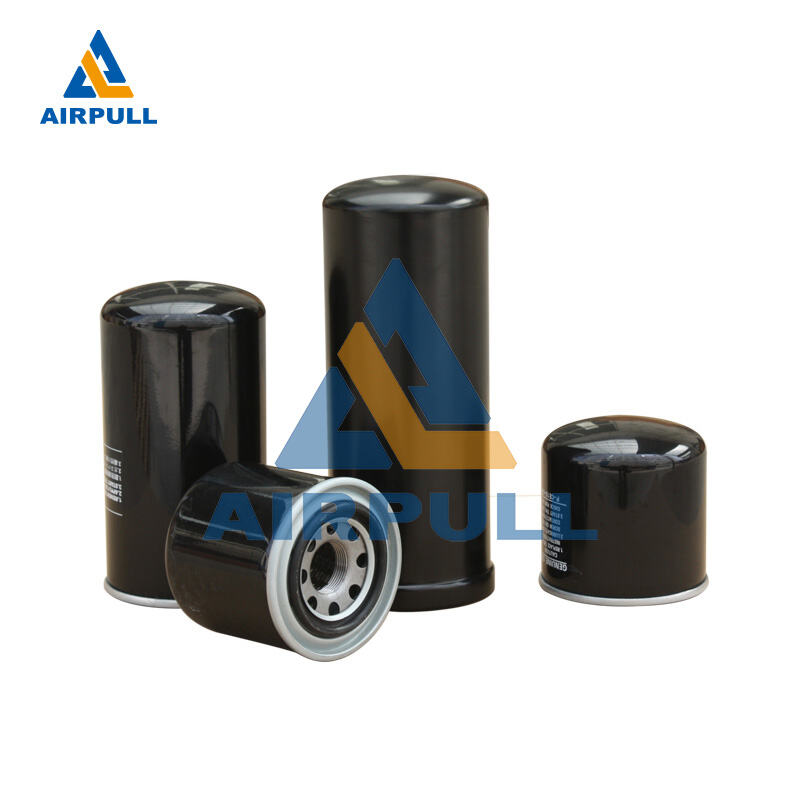
A proper lube oil filter change is a controlled maintenance task, not just a quick parts swap. In industrial equipment, the quality of a lube oil filter change directly affects bearing life, rotor stability, and long-term efficiency. The correct method starts with safe shutdown, continues through clean removal and installation, and ends with restart validation and recordkeeping. When teams standardize each stage of a lube oil filter change, they reduce contamination risk and avoid preventable failures.
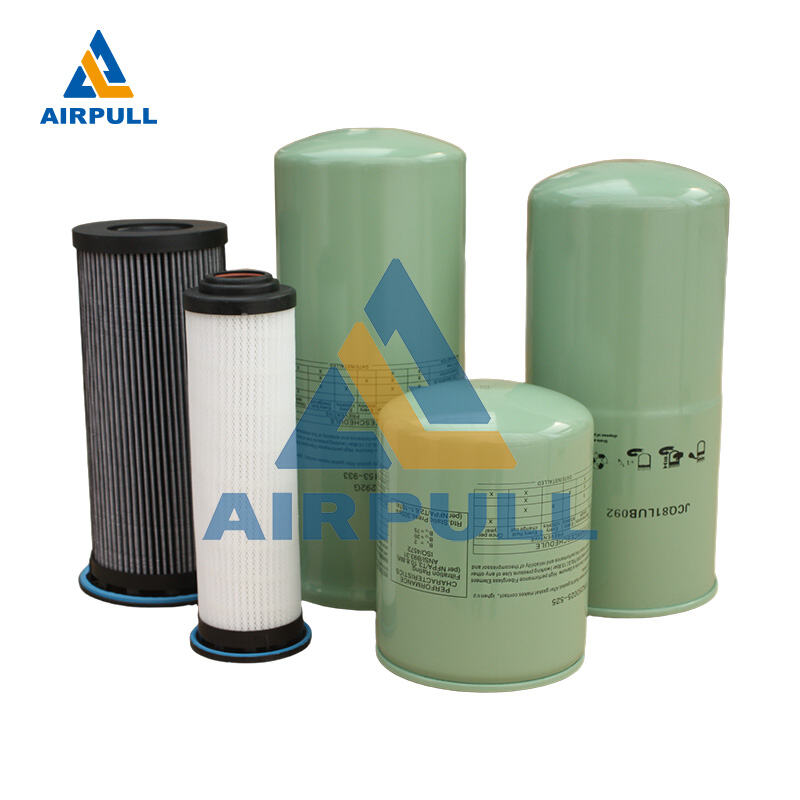
If you are asking how to do a lube oil filter change, the practical answer is to follow a repeatable workflow with strict cleanliness controls at every touchpoint. A rushed lube oil filter change can trap debris in the circuit, cause pressure instability, and shorten the service life of both oil and machine. A disciplined lube oil filter change, on the other hand, gives predictable differential pressure behavior and cleaner lubrication flow after restart. The process below is written for B2B maintenance teams that need reliable, audit-ready execution.
Safety and Preparation Standards
Establish isolation, cool-down, and job boundaries
Before any lube oil filter change begins, isolate the machine using approved lockout and tagout practice. Confirm zero unexpected startup energy and allow enough cool-down time so technicians can handle housings and lines safely. A high-quality lube oil filter change always starts with a verified safe state because pressurized or hot oil conditions create both injury and contamination hazards. This first step also prevents rushed handling that often damages filter seats and threads.
Define the job boundary around the filter location and keep the area free of dust, packaging scraps, and open containers. During a lube oil filter change, environmental control is as important as wrench technique because most post-maintenance issues come from introduced particles, not from the filter element itself. Use clean mats and capped tools where possible. The cleaner the work zone, the more dependable the lube oil filter change result will be.
Prepare tools, compatible parts, and clean handling materials
Gather all tools before opening the lubrication circuit, including the correct filter wrench type, torque-capable tools if required, lint-free wipes, and suitable drain containers. Every lube oil filter change should use the correct replacement specification for media rating, burst resistance, seal compatibility, and flow requirement. Fit errors during a lube oil filter change can cause bypass behavior or leakage even when installation appears tight. Confirm part numbers against your equipment documentation before the first turn.
Use only clean oil for seal wetting and prefill when the operating procedure allows it. Never set a new filter directly on dirty surfaces while performing a lube oil filter change. Keep protective caps on until the moment of installation to minimize airborne contamination. This preparation discipline is what separates a routine lube oil filter change from a reliability-focused one.
Step-by-Step Lube Oil Filter Change Procedure
Control pressure release and oil management before removal
The active phase of a lube oil filter change starts with controlled depressurization according to machine procedure. Open designated bleed points slowly and route any drain flow into clean, labeled containers. A proper lube oil filter change never relies on guesswork about trapped pressure, especially on systems with check valves or elevated filter heads. Verifying pressure release protects both people and component interfaces.
If your system design requires partial draining to avoid spills, remove only what is necessary and keep exposed ports covered. During a lube oil filter change, long open times increase moisture and particle ingress risk. Keep the sequence tight and organized so the lubrication circuit is open for the shortest practical duration. This improves restart cleanliness after the lube oil filter change is complete.
Remove, inspect, and install with contamination discipline
Loosen the old filter steadily, avoiding impact force that can send trapped debris back toward the mounting base. As you complete the lube oil filter change removal step, inspect the old gasket to ensure it did not remain stuck on the mating surface. Double-gasket conditions are a frequent source of immediate leaks after a lube oil filter change. Wipe the base with lint-free material and inspect sealing surfaces for scoring or deformation.
Prepare the new element by lightly wetting the gasket with clean oil, and prefill only when the machine procedure allows and cleanliness can be maintained. Thread the new filter by hand until the gasket contacts the base, then tighten to the specified turn method or torque guidance. Over-tightening during a lube oil filter change can distort seals and complicate later removal, while under-tightening can leak on restart. Mark the installed position so future technicians can verify movement or loosening during inspections.
When selecting replacement components for a consistent lube oil filter change, keep media and seal compatibility aligned with your equipment duty profile. The best practice is not just matching thread size but matching filtration behavior under real load and temperature conditions. A correctly specified filter stabilizes flow and helps maintain lubrication film quality across service intervals. This is critical in high-hour industrial operation where small errors compound over time.
Restart Validation and Contamination Control
Prime the system and verify pressure behavior after startup
After installation, recheck all fittings and restore the system gradually. The restart portion of a lube oil filter change should include controlled priming where applicable so the machine does not run dry during initial seconds. Monitor pressure rise, listen for abnormal pump noise, and inspect the filter perimeter for seepage. A successful lube oil filter change produces stable pressure response without sudden fluctuation.
Record baseline differential pressure or equivalent condition indicators immediately after the lube oil filter change. This data becomes the reference for future trend analysis and helps detect premature plugging, viscosity shifts, or bypass events. Without this baseline, teams cannot separate normal loading from abnormal contamination ingress. Good records make each future lube oil filter change smarter and faster.
Confirm cleanliness, leaks, and final housekeeping
Run the machine under normal operating load and complete a final visual inspection around seals, housing joints, and nearby piping. The last phase of a lube oil filter change must include leak confirmation at both idle and operating temperature, since some leaks appear only after thermal expansion. Wipe down residual oil and remove absorbents to prevent slip hazards and false leak signals in later rounds. A clean finish is part of a complete lube oil filter change standard.
Dispose of used filters and drained oil through approved waste channels, and close the work order with traceable details. Include date, running hours, filter specification, observed debris condition, and any corrective actions linked to the lube oil filter change. This documentation supports reliability analysis, compliance audits, and maintenance planning. Over time, disciplined closure turns each lube oil filter change into actionable operational intelligence.
Scheduling and Operating Conditions
Build interval logic around real duty cycle and environment
A dependable lube oil filter change interval should be based on operating hours, load profile, ambient dust level, and oil condition trends rather than a fixed calendar alone. Machines running near full load in dirty environments usually require a shorter lube oil filter change cycle than lightly loaded systems in controlled rooms. Temperature swings and frequent starts also influence contamination and degradation rates. Interval planning should reflect how the equipment is truly used.
Maintenance teams often improve outcomes by pairing each lube oil filter change with simple condition signals such as pressure trend review and recent alarm history. This prevents both premature replacement and overdue operation on restricted media. A balanced schedule keeps costs controlled while preserving reliability. The right interval strategy makes every lube oil filter change part of a larger asset-health system.
Identify signals that the next change should happen earlier
Certain signs indicate that your planned lube oil filter change timing is too long for current conditions. Faster-than-normal differential pressure rise, darkened oil appearance, unusual bearing temperature behavior, and repeated contamination findings all point to interval stress. When these signals appear, adjust the lube oil filter change plan instead of waiting for the previous timeline to expire. Early correction prevents unplanned shutdowns and secondary damage.
Post-maintenance review meetings can reveal recurring process gaps such as poor storage of new filters, inconsistent sealing technique, or unclear restart checks. Correcting these gaps strengthens every future lube oil filter change and improves consistency across shifts. In industrial settings, repeatable execution matters more than individual speed. The goal is not only to finish a lube oil filter change, but to finish it the same reliable way every time.
FAQ
How long should a lube oil filter change take in a plant environment?
A standard lube oil filter change often takes between 30 and 90 minutes depending on access, isolation complexity, and restart validation steps. Time should include preparation, controlled removal, clean installation, and leak verification under operating conditions. In practice, a careful lube oil filter change that prevents contamination is more valuable than a fast one that creates rework.
Can a lube oil filter change be done without draining all system oil?
Many systems allow a lube oil filter change with partial draining or local isolation, but the correct method depends on equipment design and service procedure. The key is controlled depressurization and clean handling of any exposed ports. A partial-drain lube oil filter change is acceptable when pressure safety and contamination controls are fully maintained.
What is the most common mistake during a lube oil filter change?
The most common error in a lube oil filter change is poor sealing-surface control, including leftover old gaskets or contaminated mating faces. Another frequent issue is skipping baseline pressure recording after restart. Both mistakes can turn a routine lube oil filter change into leak events or unclear condition trends at the next inspection.
How do I verify that a lube oil filter change was successful?
Confirm success by checking for no external leaks, stable pressure behavior, normal temperature response, and documented baseline values after startup. A complete lube oil filter change also includes clean housekeeping and full work-order traceability. When these checks are completed, the lube oil filter change can be treated as technically closed and operationally reliable.